

























































By Investigative Staff
The state of Minnesota is currently grappling with a severe administrative crisis that has transformed a well-intentioned anti-fraud initiative into a humanitarian catastrophe. In an aggressive effort to combat Medicaid billing irregularities, the Minnesota Department of Human Services (DHS) launched "Revalidate 2026," a sweeping audit process targeting 5,600 providers across 13 high-risk service categories. While state officials aimed to protect taxpayer dollars, the resulting bureaucratic machinery has effectively paralyzed the healthcare infrastructure for thousands of low-income seniors, individuals with disabilities, and autistic children.
Providers, forced to navigate a labyrinth of new, complex requirements and third-party authorization hurdles, are struggling to keep their doors open. Many have been forced to exhaust their personal savings or secure high-interest loans to bridge the gap caused by payment delays. However, the most profound impact is being felt by the patients themselves—those who rely on these services for their daily survival and who now find themselves caught in a system that views their essential care as a potential liability.
The Human Cost: A Family’s Struggle
For families like the McGuires in Bloomington, the state’s “war on fraud” is not an abstract policy debate; it is a daily battle for basic dignity. Caroline and Luke McGuire care for a 6-year-old son, Colin, who has cerebral palsy, and a 12-year-old daughter, Madeline, who deals with significant developmental delays due to a chromosomal disorder.

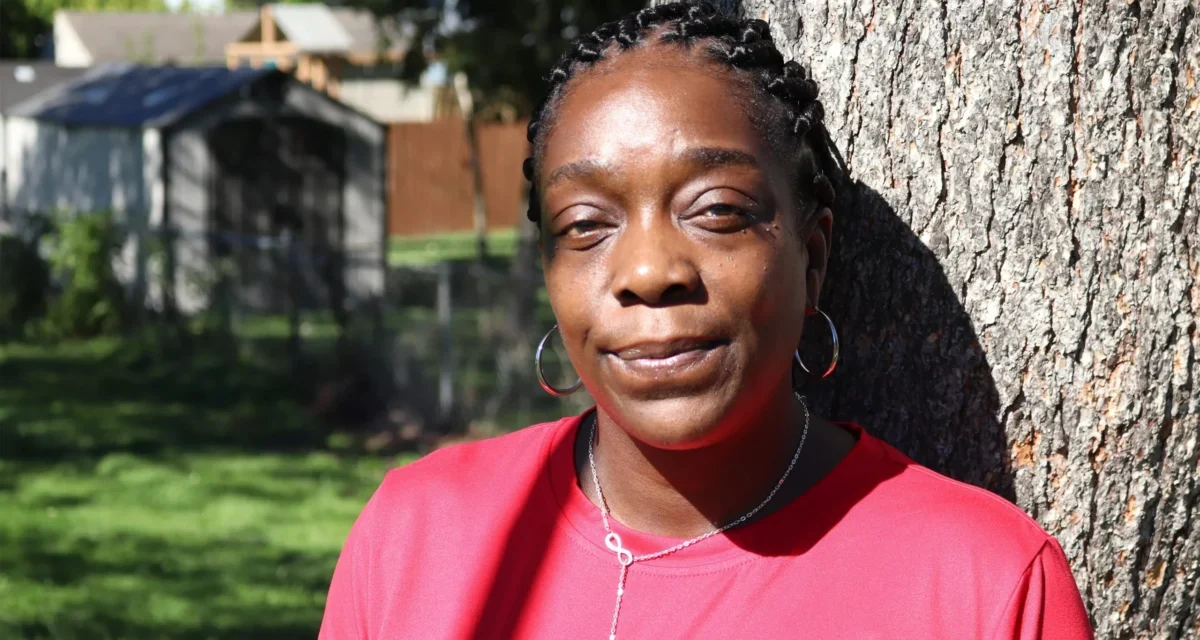
“It’s always been a far from perfect system, but now they have made it so much worse,” Caroline McGuire said. “People with disabilities are paying the price, and it’s so much worse when it’s children.”
The impact on the McGuire family has been immediate and alarming. Colin experienced a four-month gap in critical physical therapy services, a delay his mother attributes directly to a new authorization portal managed by Acentra Health, the state’s third-party agent. “Now we have to prove every month that Colin needs services,” she noted, describing the constant, invasive documentation process that has become the new norm. For a family already managing complex medical needs, the administrative burden has become a second full-time job, one that offers no compensation and frequent, heartbreaking rejection.
A Chronology of Chaos
The roots of this crisis lie in the intersection of federal pressure and state-level reactionary policy.
- Pre-2026: Under the Affordable Care Act (ACA), states were required to perform periodic revalidations of Medicaid providers every five years. The system utilized a tiered risk model—low, moderate, and high—to allocate scrutiny.
- Early 2026: Facing mounting pressure from the federal government, which alleged that Minnesota’s "high-risk" Medicaid programs were hotspots for fraudulent billing, the state found itself in a precarious position. The Centers for Medicare & Medicaid Services (CMS) deferred approximately $550 million in federal funding, threatening to withhold even more if the state failed to act.
- January 2026: In a scramble to satisfy federal demands, the DHS initiated an off-cycle, emergency revalidation for 5,600 providers. The requirements were stringent: mandatory site visits, fingerprint-based background checks for anyone with a controlling interest in a firm, and the submission of extensive, granular documentation.
- May 2026: The deadline for completion. Providers who failed to meet the criteria or suffered from administrative errors in the portal were effectively de-certified.
- Summer–Fall 2026: As the backlog of authorization requests grew, providers began closing clinics, laying off staff, and turning away patients. The system hit a breaking point, leading to legislative hearings and widespread public outcry from disability advocacy groups.
The Data Behind the Dysfunction
The sheer scale of the disruption is evidenced by the growing backlog and the administrative bottlenecks reported by stakeholders. According to testimony provided by Dr. Eric Larsson, Chairman of the Autism Treatment Association of Minnesota, the Acentra authorization portal has created a backlog that has left roughly 1,000 children waiting for services that are medically necessary for their development.

At Minnesota Behavioralist Specialists, co-owner Paige Berland reports that authorization requests that previously took one week are now lingering for as long as two months. As of late September, nearly one-third of her clients were waiting on pending authorizations.
The data provided by the DHS itself paints a bleak picture of the fallout:
- 3,587 providers have been successfully revalidated.
- 1,177 providers remain in the limbo of the appeals process.
- 695 providers were not revalidated and chose not to appeal, likely resulting in permanent closures of those practices.
Crucially, the DHS admits it has no accurate assessment of how many patients have been left without care. When asked for a total, the agency stated, “Those providers may have patients or clients who pay for their care in other ways, so we do not have an assessment at this time of how many have stopped serving clients altogether.”
The “Fraud” Narrative vs. Reality
The state’s aggressive posture was fueled by the need to identify "bad actors." Yet, a July 2026 study by Georgetown University suggests that the state’s blunt-force approach may have missed the mark. The report found that the DHS had only referred about 1% of the revalidated providers to the Office of Inspector General for further investigation.

This has led critics to argue that the state is punishing the majority of compliant, honest providers for the sins of a few. While there is evidence of genuine fraud—such as the widely reported case of a Twin Cities group home director who was allegedly managing operations from Liberia—advocates argue that the current system is effectively dismantling the safety net rather than repairing it.
"There will be people who do not survive this," warned Maren Christensen, executive director of the Multicultural Autism Action Network. "And there are many states that have a lot more fraud than Minnesota."
Implications for the Future
The current freeze on the authorization of any new providers until January 2027 suggests that the situation will likely deteriorate further before it improves. For families like the Carpenters of Red Wing, the system’s rigidity is already a matter of life and death.
Addyson Carpenter, a disability advocate and chair of the Minnesota Council on Disability, nearly lost her life in April due to septic shock. Despite her deep understanding of the system, she has been unable to secure consistent in-home nursing care, forcing her partner to sacrifice his career to provide round-the-clock care. “The federal government is doing everything to hurt those with disabilities,” she said.

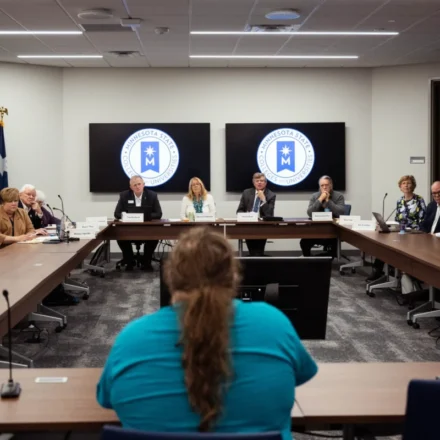
At a recent state Senate Human Services Committee hearing, Medicaid Director John Connolly offered an apology to the families and providers, acknowledging that the DHS is in a "very difficult moment." However, for those on the ground, apologies do not fill the void left by missing therapists, closed clinics, and the loss of essential developmental services.
The long-term implications are clear: unless the state can reconcile its need for fiscal integrity with the fundamental right of its citizens to access care, the "Revalidation 2026" effort will be remembered as a policy failure that prioritized the mechanics of auditing over the lives of the most vulnerable Minnesotans. As the winter months approach, the threat of further service cuts looms large, and the gap between administrative "integrity" and human reality continues to widen.