























































For decades, Southwest Airlines stood as the defiant contrarian of the American aviation industry. Defined by its "Bags Fly Free" policy, open seating, and a singular focus on budget-conscious domestic travel, the carrier cultivated a fiercely loyal customer base. However, the airline’s identity is undergoing a tectonic shift. In a strategic pivot that signals the definitive end of its low-cost-only era, Southwest has announced plans to launch its first-ever network of branded airport lounges, marking a move to compete directly with legacy giants like Delta, United, and American.
Main Facts: The Strategic Pivot
Southwest Airlines, in collaboration with banking partner Chase, is set to introduce a flagship series of airport lounges, with the first wave of locations expected to roll out in 2027. The project will be bolstered by the introduction of a new, premium Southwest Rapid Rewards-branded credit card.
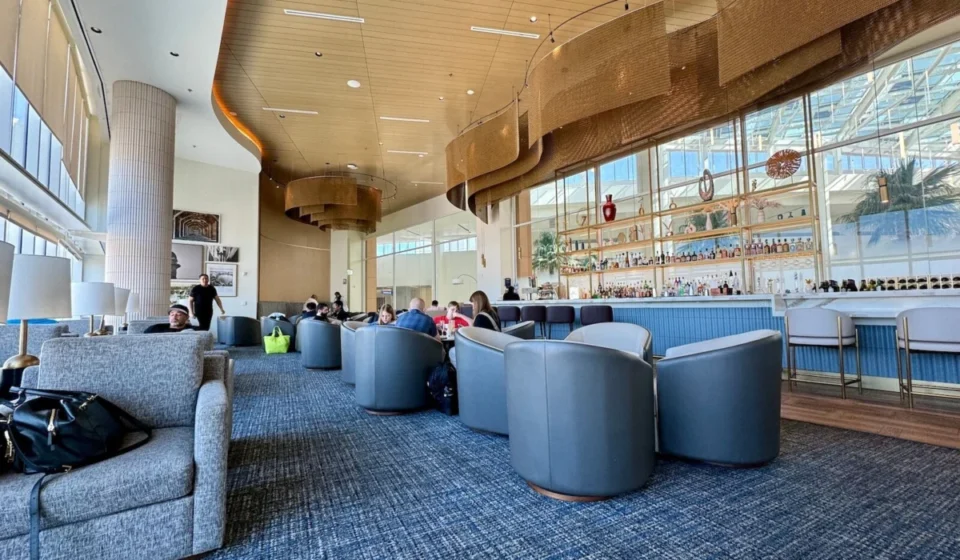
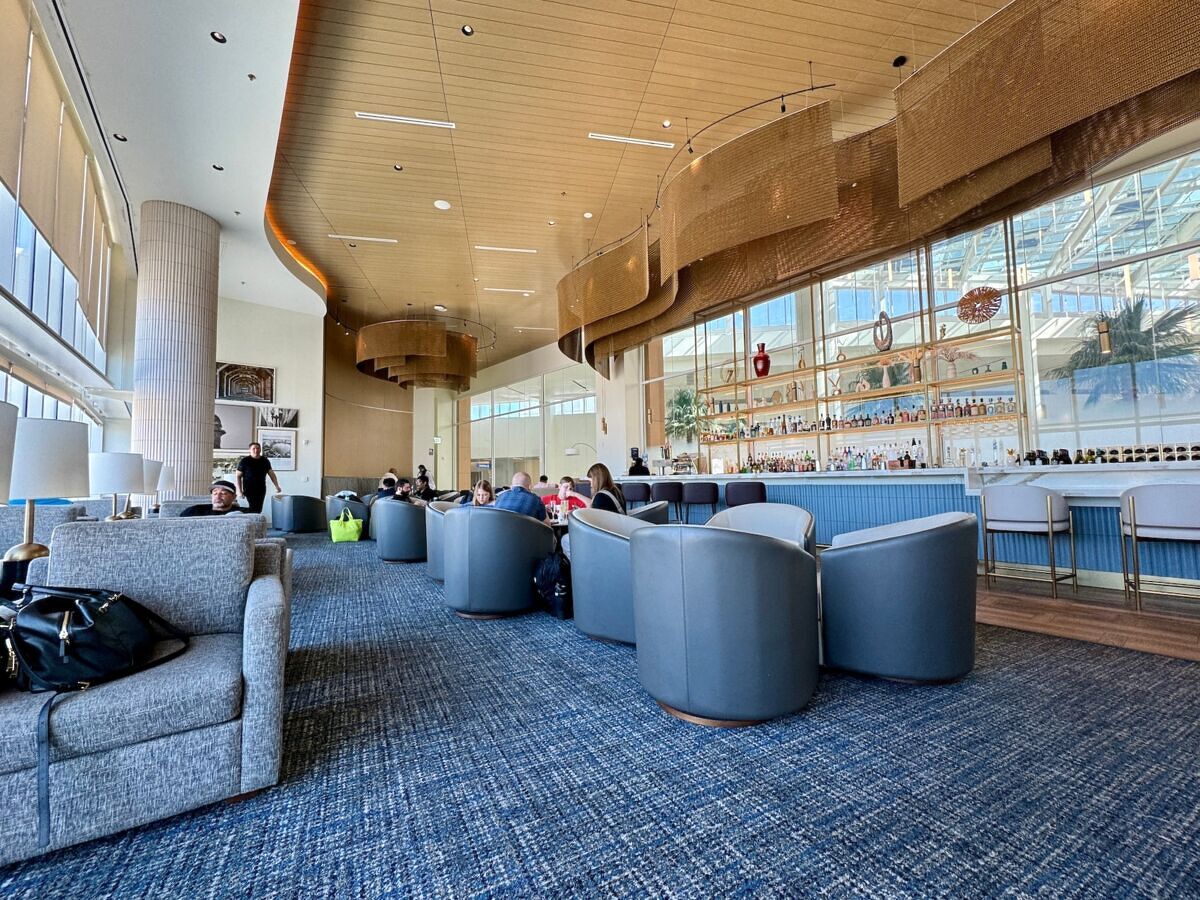
The lounges are designed to mirror the aesthetic, culinary, and service standards of the existing Chase Sapphire Reserve Lounge Network—a high-end offering that has set a new benchmark for domestic airport luxury. By integrating these lounges into its operational footprint, Southwest is shedding its "budget" label to court the high-spending business and premium leisure traveler, a demographic it has largely ignored since its inception.
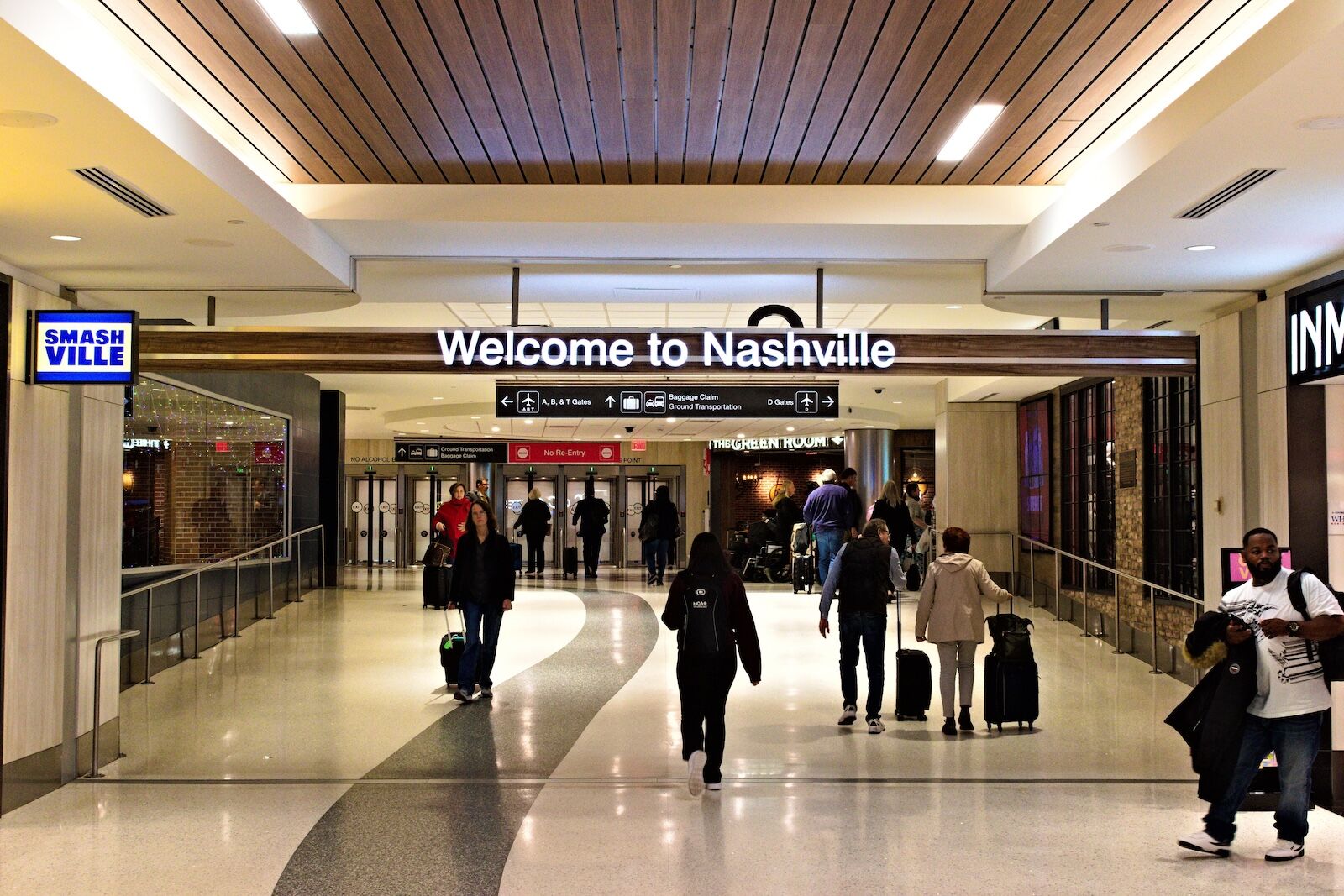
The initial rollout will focus on four key hubs where Southwest already maintains a dominant passenger throughput: Nashville, Baltimore, Austin, and Honolulu. The Nashville location is slated to be the largest, spanning an impressive 30,200 square feet, followed closely by Baltimore (30,000 square feet) and Austin (19,500 square feet). While Honolulu remains a smaller market for the carrier compared to the mainland hubs, its inclusion suggests a long-term interest in expanding the airline’s presence in the Pacific.
Chronology of Transformation
The decision to build these lounges is not an isolated event; rather, it is the culmination of an aggressive two-year "business transformation" plan. To understand how Southwest arrived at this crossroads, one must look at the timeline of its recent policy reversals:
- May 2025: In a move that shocked loyalists, Southwest officially ended its signature "Bags Fly Free" policy. The introduction of a $45 fee for a first checked bag and $55 for a second signaled the end of the airline’s most iconic differentiator.
- January 2026: Southwest retired its famous open-seating policy. The transition to a multi-group boarding system, accompanied by the introduction of extra-legroom seats (offering up to five additional inches of space for an extra fee), aligned the carrier with the standard product offerings of its competitors.
- May 2026: The collapse of Spirit Airlines created a vacuum in the low-cost carrier market. Rather than doubling down on the budget segment, Southwest opted to capture the premium market share left behind by the industry’s consolidation, further diversifying its fare tiers (Basic, Choice, Choice Preferred, and Choice Extra).
- September 2026: The formal announcement of the Chase partnership and the lounge network.
- 2027 (Projected): The launch of the premium Southwest Rapid Rewards credit card and the opening of the first airport lounges.
Supporting Data: Why Southwest is Changing
The numbers paint a clear picture of why Southwest is abandoning its budget roots. The competitive landscape in the U.S. has tightened significantly. Before the closure of Spirit in May 2026, the "Big Three"—United, American, and Delta—collectively controlled 57.8 percent of the domestic market share. With the addition of Southwest, that combined figure jumps to a staggering 75.8 percent.
Southwest’s management recognized that to maintain growth in an oligopolistic market, they could no longer afford to be a niche player. The financial results support this pivot: the airline reported a 7.4 percent year-over-year increase in operating revenue in the fourth quarter of 2025. Critically, much of this growth was driven by auxiliary revenue, such as baggage fees and the bundling of tickets, proving that Southwest’s customer base was willing to pay for premium features.
The sheer scale of these new lounges—particularly the 30,200-square-foot facility in Nashville—represents a massive capital investment. By mimicking the Chase Sapphire Lounge model, Southwest is betting that the "lounge-access" perk will incentivize high-value travelers to choose the Southwest Chase card over premium offerings from rival banks, thereby creating a closed-loop ecosystem of loyalty and revenue.
Official Responses and Executive Vision
The vision for this transformation comes directly from the top. During the Semafor World Economy Summit held in April 2026, Southwest CEO Bob Jordan was explicit about the carrier’s future.
"We’re going to keep making product changes because we want to, over time, give you fewer and fewer and fewer reasons to have to go to a competitor," Jordan stated. This admission reflects a realization that the "budget-only" brand, while beloved, was hitting a ceiling in terms of revenue potential.
At a subsequent industry conference in late May, Jordan expanded on this strategy, teasing future possibilities that would have been unthinkable a few years ago. These include the potential for true first-class seating and the development of long-haul international flights. The capital for these ambitious projects is explicitly linked to the anticipated revenue surge from the upcoming Chase credit card partnership. By essentially "selling" a premium experience to its frequent flyers, Southwest is funding its own transition from a domestic regional workhorse into a full-service global carrier.
Implications: The End of the Budget Era
The implications of this shift are profound for the American air traveler. For years, Southwest acted as a check on ticket prices across the industry; when Southwest entered a market, prices usually dropped. By aligning its product with Delta, United, and American, Southwest is effectively ending the "Southwest Effect" that once kept the industry honest.
1. The Death of the "No-Frills" Brand
Southwest is no longer a no-frills airline. With the introduction of baggage fees, assigned seating, and premium lounges, the airline is now indistinguishable from its legacy counterparts in terms of service architecture. While this may increase the company’s valuation and satisfy shareholders, it alienates the original "Southwest consumer" who valued the simplicity of the old model.
2. Credit Card Loyalty as the New Currency
The pivot highlights the reality of the modern aviation business: airlines are, first and foremost, financial institutions. By partnering with Chase for these lounges, Southwest is prioritizing credit card holders over casual flyers. The value of an airline is now increasingly tied to its ability to manage a loyalty program and sell credit card debt, rather than simply flying planes from Point A to Point B.
3. Consolidation of the Skies
With Spirit gone and Southwest moving "upmarket," the domestic aviation market is becoming increasingly homogenized. While passengers will enjoy a more consistent experience—with the ability to lounge, select seats, and enjoy a premium, branded experience—the loss of a truly distinct low-cost alternative leaves the U.S. market vulnerable to higher prices and less variety.
4. The Future of Airports
The choice of Nashville, Baltimore, and Austin as the launch sites for these lounges is telling. These are high-growth, high-income cities where the demand for premium travel is peaking. By securing real estate in these terminals, Southwest is locking in long-term advantages. The competition for space in domestic airports is fierce, and by building large-scale lounges, Southwest is signaling to the Port Authorities that it intends to remain a permanent, dominant force in these hubs for decades to come.
As the industry looks toward 2027, the "new" Southwest will be a company defined by its ability to balance its historic efficiency with a new, high-touch luxury strategy. Whether this gamble pays off depends on whether the brand can successfully transition from being the "everyman’s airline" to a premium carrier without losing the soul that made it the most iconic airline in American history.