







































A thin slice of tuna, brushed with yuzu-infused scotch-bonnet shoyu and laid atop crisp escovitch vegetables, arrives at the table like a briny map of the island. This bite is more than an appetizer; it is a micro-history of Grand Cayman. It encapsulates the island’s DNA: the punchy heat of Jamaican jerk, the disciplined precision of Japanese tataki, the vibrant acidity of Caribbean escovitch pickles, and the bounty of the local sea. It is an edible expression of a territory where influences accumulated over centuries have settled into something distinctly, unapologetically Caymanian.
This layered culinary identity began in the shallow banks surrounding the island, rich with conch, snapper, wahoo, and spiny lobster. For generations, the sea was the foundation of daily life. Over time, successive waves of immigration expanded that foundation, weaving a tapestry of 130 nationalities into the fabric of George Town. Today, the capital boasts one of the most dynamic dining scenes in the Caribbean, a reputation solidified by the arrival of the Cayman Cookout—an annual gathering curated by Eric Ripert that has drawn global titans of the industry, from José Andrés to the late Anthony Bourdain.
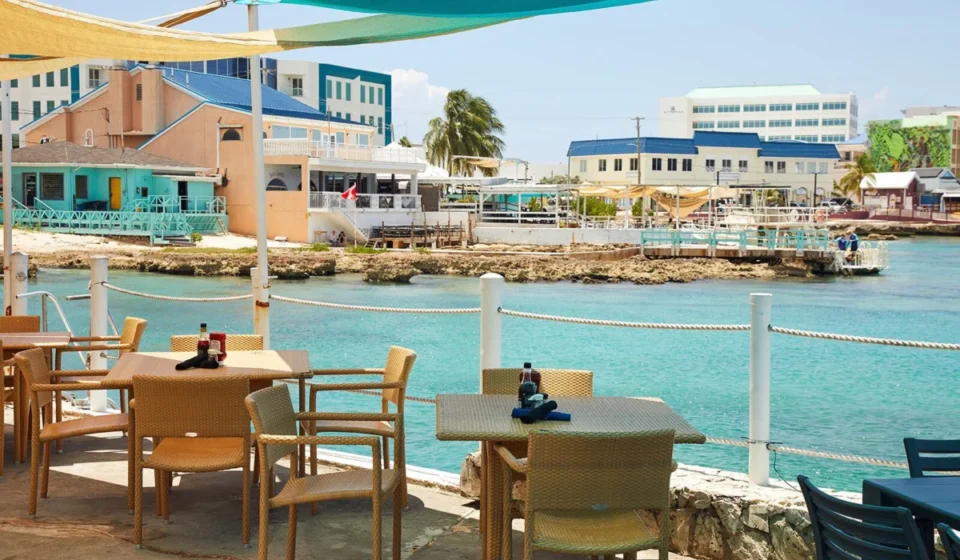
Standing at the center of this evolution is ONE|GT, a 10-story tower on Goring Avenue that serves as a physical manifestation of the island’s modern identity. As the first Cayman Islands property to join the prestigious Small Luxury Hotels of the World portfolio, it offers a sophisticated counterpoint to the traditional beachside resort model, grounding its guests in the historic heart of the capital.
The Financial Capital: A Legacy of Resilience
George Town is widely known as the "Wall Street of the Caribbean," a moniker earned through its status as a premier global financial hub. To understand the island’s economic trajectory, one must look toward the local folklore that explains its tax-free status.
Legend traces the territory’s fiscal policy to a stormy night in February 1794, when ten British ships—the Wreck of the Ten Sails—foundered on the reefs off the East End. As the story goes, Caymanians rowed out into the treacherous surf to rescue the survivors, saving nearly everyone on board. According to local lore, King George III was so moved by this act of bravery that he decreed the islands would be exempt from taxation in perpetuity. While modern historians have yet to unearth a written record of this decree, the story persists as a cornerstone of Caymanian pride.
Today, this historical narrative of resilience underpins a city that hosts branches of the world’s largest banking institutions. Professionals from London, Tokyo, and São Paulo frequent the capital, settling in for weeks at a time to navigate the global markets. ONE|GT was specifically engineered to accommodate this demographic, blending the efficiency required by the business traveler with the leisure expected by the island visitor.
Culinary Identity: The Three Pillars of ONE|GT
The hotel’s dining concepts represent a deepening of the "sense of place" philosophy. The property houses three distinct venues, each contributing to the multifaceted culinary landscape of George Town:
- Perle: The signature restaurant, characterized by an open-kitchen layout, focuses on a French-Mediterranean approach to local seafood. Here, the focus is on raw, high-quality ingredients—Cayman conch, snapper, and lobster—complemented by a curated European wine cellar.
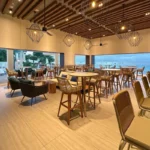
- Byō: Translating from the Japanese word for "view," this concept celebrates the island’s multicultural palate. The menu is a bridge between worlds, offering dishes like lobster-tail maki, jerk-chicken wontons with smoky scotch-bonnet mayo, and traditional conch salad served with house-made vegetable chips.
- Café Bellini: An Italian-inspired street-level venue that serves as the hotel’s public face. It bridges the gap between the busy professional commuter and the unhurried traveler, offering specialty coffees and artisanal pastries.
Architectural Heritage and Design Philosophy
The design of ONE|GT serves as a notable departure from the typical aesthetic of Seven Mile Beach. The interiors draw heavily from the island’s maritime heritage, utilizing organic textures, custom furnishings, and woven seagrass wall hangings. The property serves as a gallery for local artists, ensuring that the spaces within the tower echo the environment outside.
This commitment to place extends to the surrounding neighborhood. A short walk from the hotel stands the Elmslie Memorial Church, a landmark completed in 1922 by the legendary local shipbuilder Captain Rayal Bodden. Its soaring mahogany ceiling, fashioned from the timber of salvaged shipwrecks and framed to resemble the inverted hull of a sailing vessel, serves as a poignant reminder of the island’s deep connection to the sea.
A Base for the Modern Explorer
Unlike the traditional "weekend-away" resort, ONE|GT is built for the week-long, or even month-long, stay. With 95 suites ranging from one to three bedrooms, the property provides the infrastructure for a home-based experience. Every suite features a full-size kitchen, allowing guests to source fresh mangoes and snapper from the Saturday farmers’ market and prepare meals at their own pace.
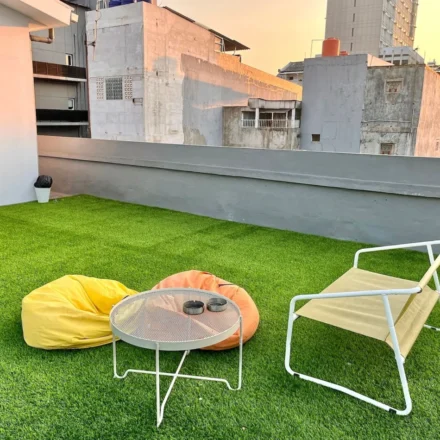
The property’s amenities reflect this "stay longer" ethos. The rooftop infinity-edge pool—the first of its kind in Grand Cayman—and the sheltered Oasis Pool provide sanctuary. For the digital nomad, the floor plans have been meticulously curated to separate functional workspaces from areas of relaxation, ensuring that the hotel acts as a productive home rather than a temporary transit point.
Beyond the Hotel: A Chronology of Discovery
Grand Cayman’s history is best understood through its institutions. The Cayman Islands National Museum, housed in the former 1830s Courts Building, preserves 9,000 artifacts of maritime and cultural heritage. Nearby, Heroes Square serves as a memorial to those whose lives were defined by the ocean.
Further afield, Pedro St. James Castle offers a sobering look at the island’s political history. Built in 1780 using enslaved labor, the site later became the birthplace of Caymanian democracy when the territory’s first elected parliament met there in 1831. It was from this same stone archway that the proclamation abolishing slavery in the British Empire was read four years later, marking a pivotal shift in the island’s social structure.
The modern spirit of exchange continues in the island’s production sectors. The Cayman Spirits Company utilizes the unique conditions of the Caribbean for its Seven Fathoms Rum, which is aged in oak bourbon barrels submerged 42 feet beneath the sea, where currents provide a natural rocking motion.
Logistics: Navigating Grand Cayman
For those planning a visit, logistical clarity is key.
- Arrival: Most travelers fly into Owen Roberts International Airport (GCM), located just 10 minutes from the George Town city center. Taxis are government-regulated, with fixed rates provided before departure.
- Transportation: While the hotel provides a complimentary shuttle to Seven Mile Beach and nearby attractions within a six-mile radius, a rental car is recommended for exploring further reaches like Rum Point or the North Side.
- Infrastructure: It is important to note that ride-sharing apps like Uber and Lyft are not currently operational on the island. Taxis are reliable but should be factored into the travel budget.
Implications: The Future of Caymanian Hospitality
The success of projects like ONE|GT signals a shift in Caribbean tourism. By moving the guest experience into the historic center of George Town, the hotel encourages a more meaningful engagement with the island’s history, people, and economy.
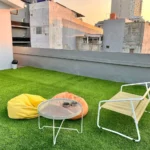
On my final afternoon, I sat by the Oasis Pool with a book, eventually making my way back to Byō. A tenderloin steak, seasoned with shichimi togarashi, arrived at the table—a dish that felt like a quiet, yet powerful, reflection of the island’s global openness. Grand Cayman may be small, capable of being traversed in a single hour, yet it possesses a density of culture and history that demands more time. ONE|GT does not just host its guests; it invites them into an ongoing, centuries-old conversation about what it means to be part of this island. In doing so, it has created a space that feels not like a hotel, but like an essential part of the story itself.