

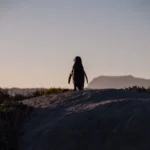
























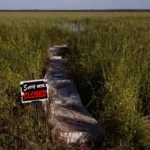




























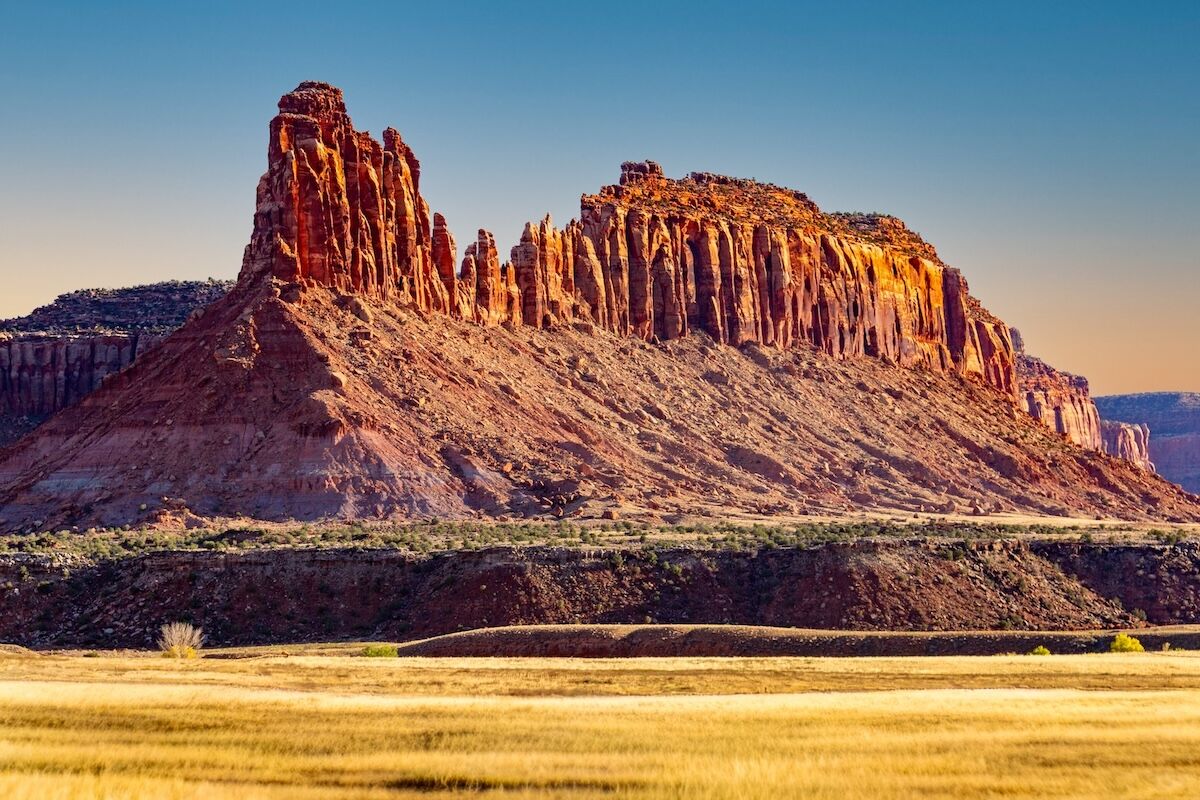
San Juan County, Utah, is a land of staggering contrasts. It is home to some of the most iconic, windswept landscapes in the American West—ancient cliff dwellings, towering sandstone spires, and a silence that feels as old as the earth itself. Yet, it is also one of the poorest counties in the United States. For years, this stark juxtaposition has fueled a bitter, decades-long debate over how to define the region’s value: is it a storehouse of mineral wealth waiting to be extracted, or a global destination for cultural and outdoor heritage?
As of July 13, 2026, that debate took a dramatic turn. President Trump signed a proclamation slashing the Bears Ears National Monument by 91 percent, reducing its footprint from 1.36 million acres to just 121,096. The move has sent shockwaves through local communities, the scientific community, and the five sovereign tribal nations that have long advocated for the land’s protection.
The Core Conflict: A Shrinking Monument
The proclamation fundamentally alters the management of southeastern Utah. By stripping away 1.24 million acres of federal protection, the order terminates the Bears Ears Commission—the historic tribal coalition that co-managed the monument alongside the Bureau of Land Management (BLM) and the U.S. Forest Service (USFS).
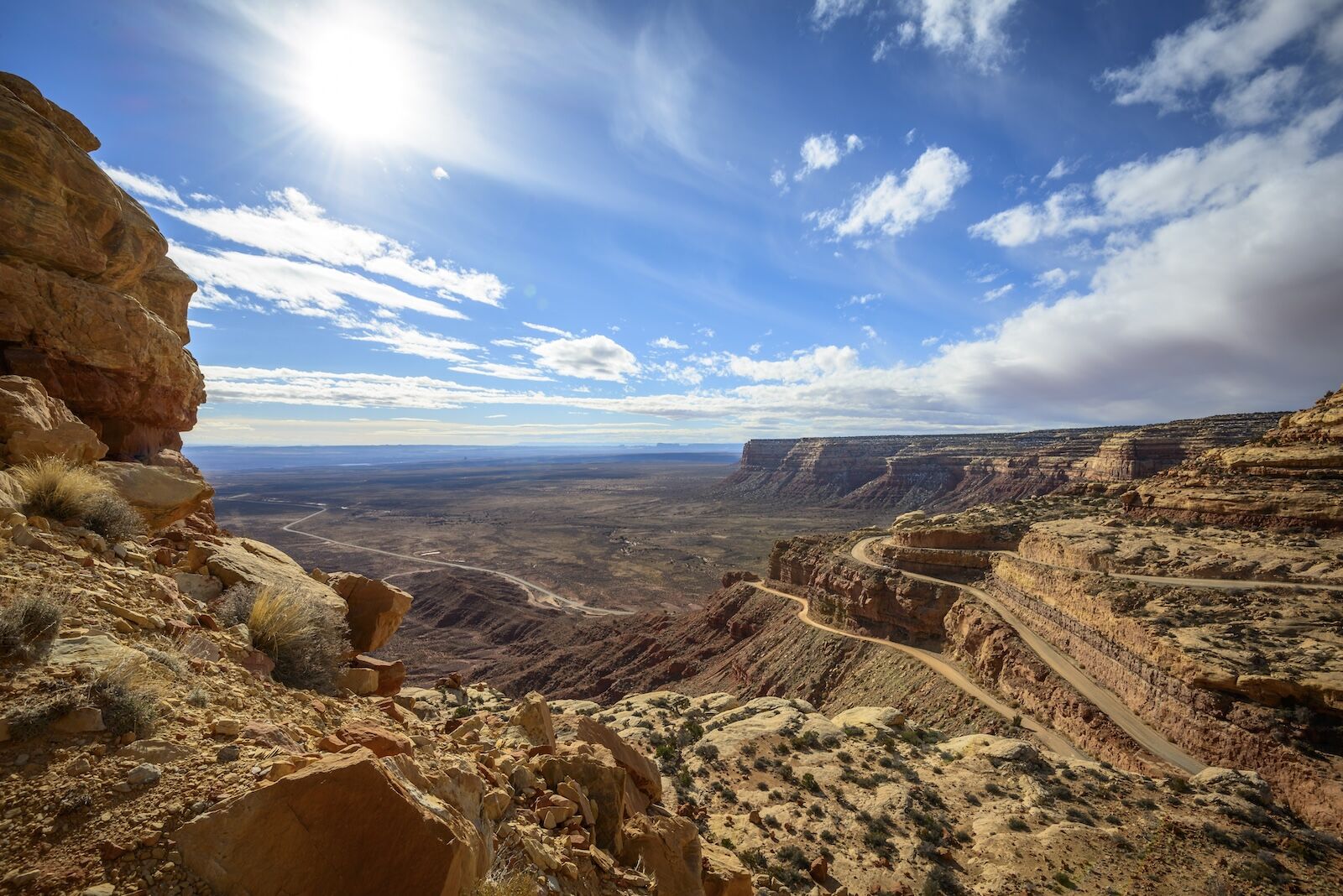
The lands excluded from the monument—including the vast majority of Cedar Mesa, the ethereal Valley of the Gods, and the intricate canyon systems of White and Dark Canyon—are now slated to reopen to mineral leasing and mining claims. While legal challenges are already mounting, the administration’s intent is clear: the proclamation explicitly cites the need to secure domestic access to "critical minerals," including uranium, copper, zinc, and vanadium, as a matter of national and economic security.
For advocates like Ashley Korenblat, managing director of the Moab-based Public Land Solutions, this is a profound economic miscalculation. "San Juan County is sitting on the most valuable asset in the region," Korenblat argues. "The boom-and-bust cycles of extractive industries have failed to provide long-term stability for generations. Transitioning to a sustainable, tourism-based economy isn’t just about scenery—it’s about building a diverse, resilient infrastructure that supports actual jobs."
A Chronology of Contention
To understand the stakes, one must look at the turbulent history of the region’s designation:
- 1906: Congress passes the Antiquities Act, partly in response to the widespread looting of archaeological sites in the Bears Ears region.
- December 2016: President Barack Obama designates Bears Ears National Monument at the request of the Hopi, Navajo, Ute, Ute Mountain Ute, and Zuni nations—the first such monument requested by a formal tribal coalition.
- December 2017: President Trump reduces the monument by roughly 85 percent, shrinking it to 201,876 acres.
- October 2021: President Joe Biden restores the original boundaries and provides a slight expansion, reaffirming the federal government’s commitment to tribal co-management.
- February 2026: A Utah State University poll reveals that a majority of state residents support maintaining the monument at its 2021 boundaries.
- July 2026: The current administration issues the 91 percent reduction, setting an effective date of September 11, 2026.
This oscillation between protection and exploitation has created a climate of uncertainty that prevents long-term investment, leaving the local economy trapped in a cycle of administrative whiplash.
Economic Implications: The "Machu Picchu" Potential
Korenblat, who previously worked as a Wall Street trader, views the economic development of San Juan County through a data-driven lens. She points to the potential of a "managed visitation" model.
"San Juan County could be the Machu Picchu of North America in fifteen minutes," she says. By comparing the revenue models of global heritage sites, Korenblat highlights how direct revenue—from permit fees, guided tours, and infrastructure support—can bypass the volatile nature of commodity markets.
Data from the Institute of Outdoor Recreation and Tourism at Utah State University supports this transition. Their analysis found that in the years following the 2016 designation, San Juan County saw a 50.6 percent increase in outdoor recreation activity. This surge did more than just bring hikers; it stimulated the "multiplier effect," fueling growth in local service sectors, including legal, accounting, and scientific consulting firms.
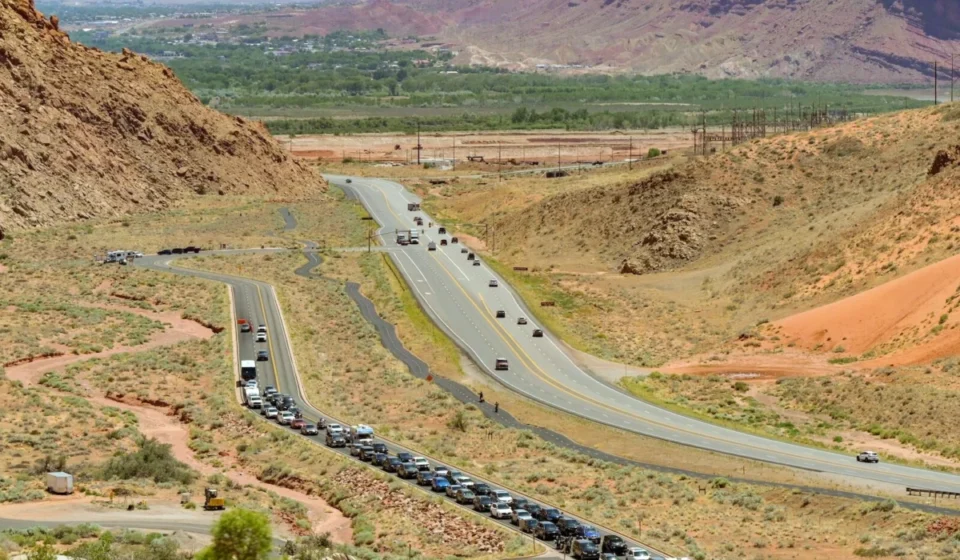
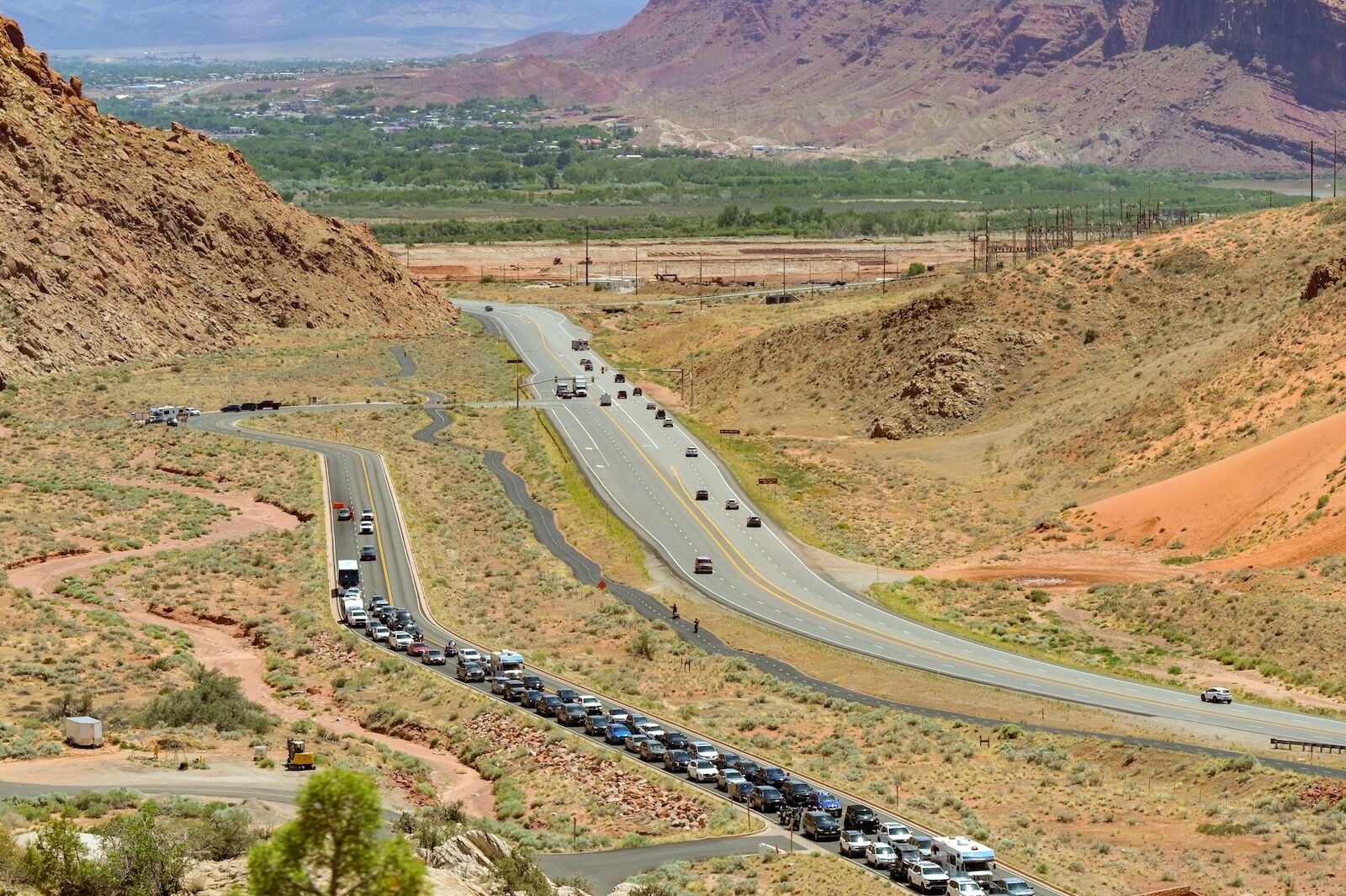
However, the transition is not without its perils. Residents are acutely aware of the "Moab effect." After visitation to nearby Arches National Park surged by 74 percent between 2011 and 2021, the town of Moab faced unprecedented housing shortages and traffic congestion. With the median home price in Moab hitting $653,000 in 2025, San Juan County residents fear that poorly managed tourism will price them out of their own homes. The challenge, therefore, is not just attracting visitors, but managing the flow to ensure wealth remains within the local community.
Regulatory Threats and the "Bonding" Problem
Beyond the physical boundaries of the monument, a quieter but equally dangerous battle is being fought over regulatory rule changes. The administration has proposed rescinding a 2024 BLM rule that required companies to post higher bonds for oil and gas drilling.
Currently, the proposal would drop the statewide minimum bond from $500,000 to $25,000. As Korenblat notes, this is a recipe for environmental disaster. "It costs an average of $75,000 to cap and remediate a well site. Giving companies a break on bonding doesn’t incentivize production; it just ensures that the public will be left with the bill for abandoned, orphaned wells when those companies walk away."
Furthermore, the practice of "speculative leasing"—where companies tie up public lands with mineral rights they have no immediate intention of developing—acts as a "cloud" over any potential investment in recreation or sustainable development. It creates a state of fear for stakeholders who might otherwise build trails or conservation infrastructure, knowing their projects could be undermined by a future drill pad.
The Cultural and Historical Imperative
The lands at stake are more than just economic assets; they are a living history. Known as Hoon’Naqvut (Hopi), Shash Jaa’ (Navajo), Kwiyagatu Nukavachi (Ute), and Ansh An Lashokdiwe (Zuni), the region contains thousands of years of human presence.
Dr. Andrew Gulliford, a historian at Fort Lewis College, captures this in his book, Bears Ears: Landscape of Refuge and Resistance. He emphasizes that for the indigenous tribes, these lands are ancestral homes that were never truly abandoned. For the Mormon settlers who arrived in the 1880s via the treacherous Hole-in-the-Rock trail, the land represents a different kind of endurance. While these groups often clash over the "best use" of the land, both share a profound, multi-generational connection to the high desert.
The Path Forward: A Call to Responsible Travel
The resolution of this conflict, if it comes, will likely arrive from the ground up. In places like Cusco, Peru, or Grand Staircase-Escalante, the shift occurred when local economies became so heavily invested in the value of the standing landscape that it became politically untenable to destroy it.
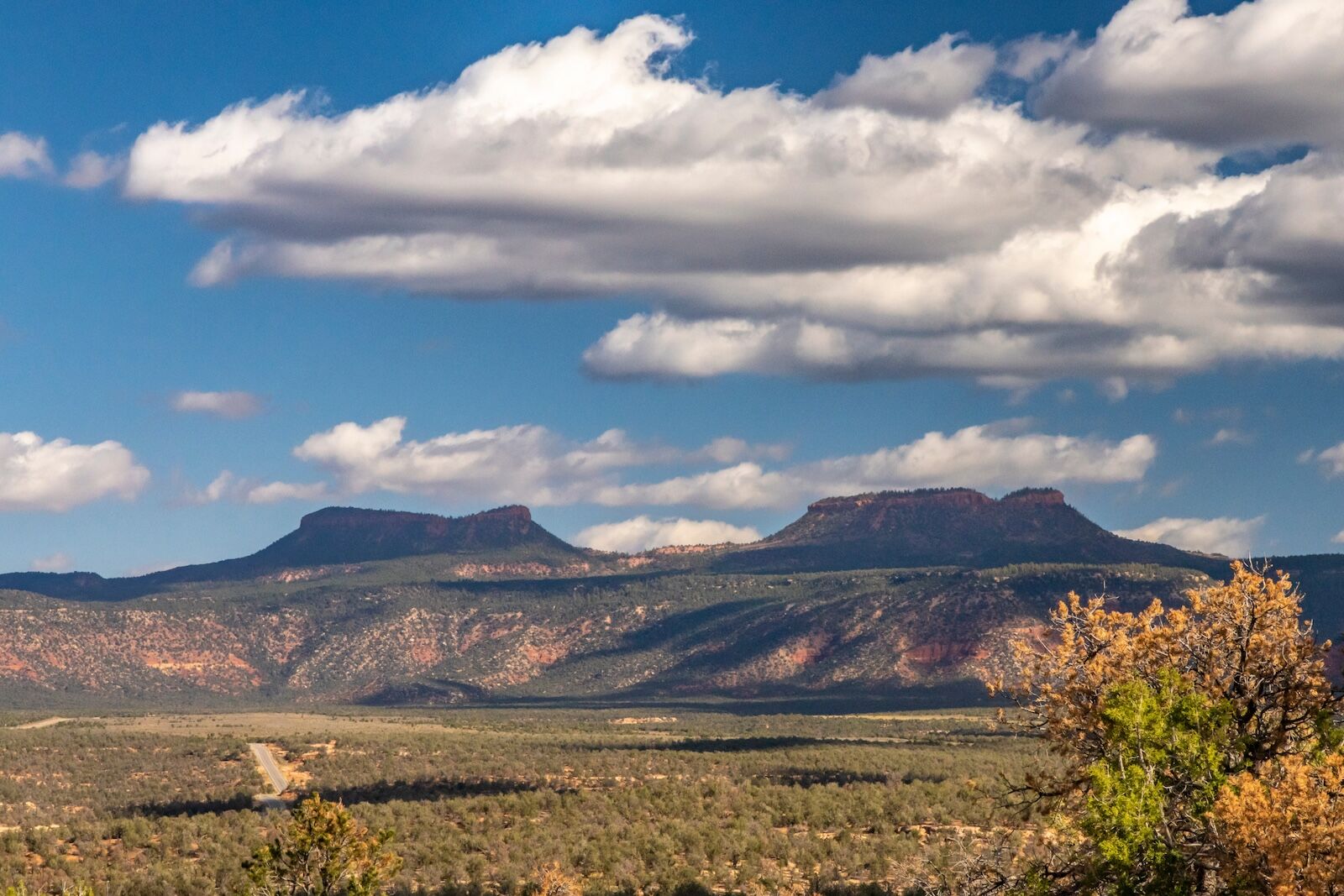
For travelers, this means the way you visit Bears Ears is now a political act. As the monument’s boundaries contract, the remaining protected areas—including the buttes themselves, Mule Canyon, and the Butler Wash archaeological district—require even more careful stewardship.
How to Visit with Intent:
- Prioritize Education: Start your visit at the Bears Ears Partnership’s education center in Bluff. Understand the history of the land before you set foot on it.
- Practice "Leave No Trace": In a region with thousands of delicate archaeological sites, this is non-negotiable. Do not touch rock art, do not enter structures, and do not geotag sensitive locations on social media.
- Invest Locally: The multiplier effect depends on your spending. Hire indigenous guides, eat at local restaurants in Monticello or Blanding, and support local businesses.
- Engage: When you leave, don’t just leave your trash—leave your voice. Communicate to land managers and elected officials that your visit was predicated on the preservation of these lands.
The future of San Juan County is currently being written in the ledger of every hotel stay, every guide booking, and every park pass. If enough people prove that the "new math" of conservation is more sustainable than the "old math" of extraction, the landscape may just have the voice it needs to survive. The window for influence is narrow, but for those who know the silence of the canyons, it is a fight worth having.