























































For the modern traveler, the dream of globe-trotting is often tempered by the reality of a shrinking budget. However, a curated selection of world-class cities proves that economic prosperity and historical grandeur do not always necessitate a high cost of entry. From the neon-lit streets of Kuala Lumpur to the ancient, dust-swept corridors of Cairo, it is entirely possible to experience the pinnacle of culture, cuisine, and history without compromising your financial security.
This report examines ten global cities that consistently rank as the most budget-friendly destinations for 2024. By analyzing daily expenditures—encompassing lodging, dining, and cultural access—we provide a roadmap for the savvy explorer.
The Economic Pillars of Affordable Travel
The primary challenge for any traveler is balancing the "must-see" attractions with the "must-afford" daily life. In the ten cities highlighted below, the average daily cost ranges from a staggering $38 to $78. These figures are calculated based on double-occupancy lodging, three modest meals, and essential daily transport.
1. Beijing, China ($78/day)
Beijing stands as a testament to the fact that rapid modernization does not equate to predatory tourism pricing. While the city has ascended to the status of a global economic powerhouse, its street-level affordability remains remarkable.
- The Lodging Factor: Average nightly rates hover around $29, providing a comfortable base for exploration.
- Culinary Adventures: A full day of eating can cost as little as $12. For those seeking authenticity, the Wangfujing Snack Street offers local delicacies like boiled tripe at a fraction of the cost of a formal restaurant.
- Cultural Access: The city offers profound historical value for free. Tiananmen Square and the National Museum of China are accessible without an entry fee. Furthermore, the 798 Art District and the architectural remnants of the 2008 Olympics serve as open-air museums that cost nothing to traverse.
2. Warsaw, Poland ($78/day)
As the sole European entry on this list, Warsaw defies the high-cost reputation of its continental neighbors. The Polish capital offers a refined urban experience where $2 beers and sub-$20 daily food budgets are the norm.
- Strategic Sightseeing: Timing is everything. The Warsaw Rising Museum and the National Museum offer free entry on specific days (Sundays and Tuesdays, respectively).
- Seasonal Leisure: Contrary to its reputation as a landlocked city, Warsaw’s Vistula River beaches offer a vibrant summer social scene, alongside the lush greenery of Lazienki Park, all accessible at no cost.
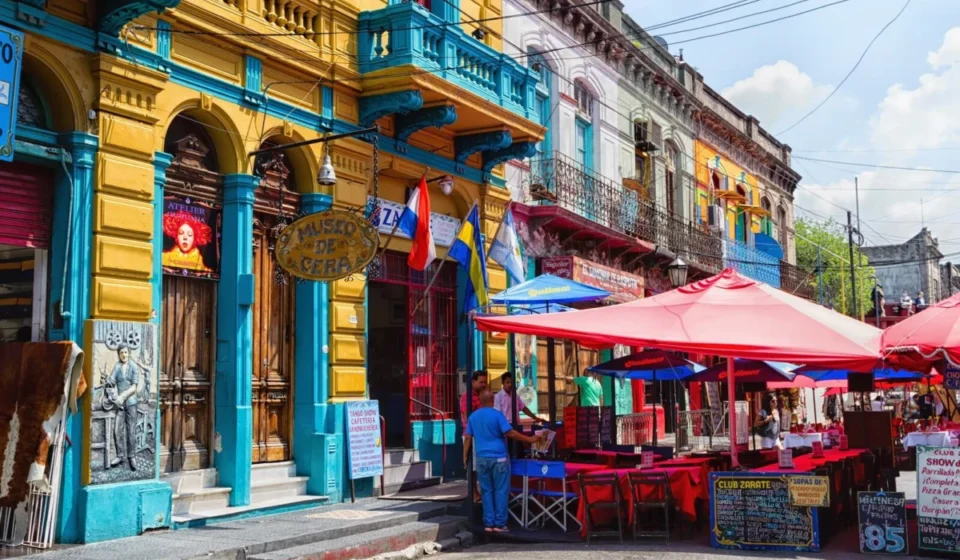
3. Buenos Aires, Argentina ($50/day)
Argentina has long been a siren song for the hungry traveler. The reputation of its steak dinners and world-class wine is matched only by the affordability of its lifestyle.
- The Steak Economy: Even in the heart of the capital, a high-quality steak dinner with wine rarely exceeds $20.
- Cultural Immersion: The National Museum of Fine Arts and the Feria de Mataderos provide world-class entertainment without an entry fee. The latter, featuring traditional gaucho culture and live tango, offers a raw, unfiltered glimpse into Argentine heritage.
A Chronological Perspective: How Costs Evolved
The accessibility of these cities has been shaped by decades of currency fluctuations and urban development.
- Mid-20th Century: Many of these cities, particularly in Southeast Asia and South America, focused on internal development. Their transition to global tourism hubs occurred alongside efforts to maintain local affordability.
- The 2000s Growth Period: Cities like Kuala Lumpur and Beijing underwent massive infrastructural booms. Despite the rise of skyscrapers and luxury hotels, the "backpacker" ecosystem remained intact, ensuring that street food culture—the bedrock of local dining—remained shielded from inflation.
- Current Climate: Today, digital nomadism and the rise of the "experience economy" have pressured these cities to maintain their value-driven appeal. The proliferation of free museums and public art spaces in cities like Delhi and Istanbul is a deliberate policy to foster tourism without alienating the budget-conscious visitor.
Supporting Data: Comparative Daily Expenses
| City | Avg. Daily Cost (USD) | Avg. Lodging (per person) | Avg. Food (per day) |
|---|---|---|---|
| Beijing | $78 | $29 | $12 |
| Warsaw | $78 | $50 | $20 |
| Buenos Aires | $50 | $36 | $20 |
| Lima | $50 | $45 | $16 |
| Istanbul | $45 | $22 | $6 |
| Kuala Lumpur | $39 | $32 | $11 |
| Marrakech | $38 | $39 | $10 |
| Bangkok | $38 | $41 | $17 |
| Cairo | $38 | $18 | $9 |
| Delhi | $38 | $20 | $9 |
(Note: Data reflects typical backpacking/budget-style travel patterns.)
Perspectives from Local Authorities
Tourism boards in these regions emphasize a shift toward "inclusive tourism."
In Kuala Lumpur, officials have prioritized the preservation of public green spaces like the KL Forest Eco Park. By keeping these areas free, the city encourages long-term stays rather than quick, transactional visits.
In Istanbul, the Ministry of Culture and Tourism has invested heavily in the accessibility of historic sites. While iconic monuments like the Hagia Sophia carry fees, the city’s vast network of art galleries and cultural centers, such as the Jewish Museum of Turkey, remain free, allowing travelers to distribute their funds into the local economy via markets and traditional baths.
In Cairo, the approach is one of "layered tourism." By providing free access to historic districts like Coptic and Fatimid Cairo, the city ensures that the average traveler can still find value even if they choose to allocate a significant portion of their budget to major archaeological wonders like the Giza Pyramids.
Implications for the Future of Travel
The existence of these budget-friendly havens carries several implications for the travel industry:
- The Democratization of Travel: The ability to explore these cities for under $50 a day challenges the notion that global exploration is the exclusive domain of the affluent. It opens the doors for students, independent artists, and researchers to engage with diverse cultures.
- Sustainability of Local Markets: While low prices are a boon for travelers, there is a delicate balance to be maintained. As these cities become more popular, local governments must ensure that the influx of budget tourists does not drive up the cost of living for residents.
- The Shift Toward Cultural Value: The most successful budget cities are those that pivot away from "tourist traps" toward genuine local experiences. Whether it is wandering through the narrow hutongs of Beijing or haggling for spices in the Marrakech medina, the value lies in the interaction with the local environment rather than the purchase of luxury goods.
Conclusion
The global landscape of affordability is shifting, but it remains wide open for those willing to look beyond the luxury travel guides. From the pisco bars of Lima to the limestone caves near Kuala Lumpur, the world is replete with opportunities to experience greatness on a modest budget. The key, as always, is a mixture of curiosity, a willingness to engage with local customs, and the savvy to identify where the true value of a city lies—not in its price tag, but in its history, its people, and its spirit.
By prioritizing destinations that offer rich, free public experiences and affordable local sustenance, the modern traveler can create a lifetime of memories without the burden of a depleted savings account. The world is waiting; it is more accessible than you think.