















































The Correction Era: Analyzing the Timberwolves’ Aggressive Pivot and the Shadow of Tim Connelly’s Tenure

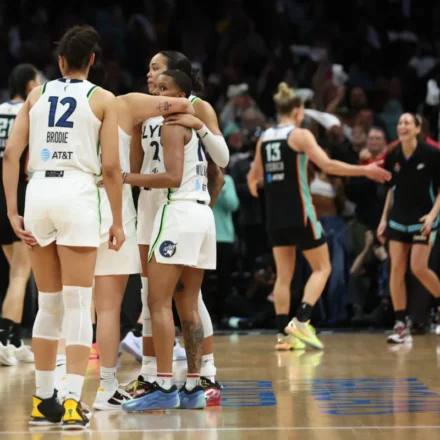
During his four-year tenure as president of basketball operations for the Minnesota Timberwolves, Tim Connelly has built a reputation for being an elite architect of roster flexibility. However, his recent tenure has been defined less by his grand acquisitions and more by his relentless need to rectify gambits that failed to materialize as championship-level components. The recent salary-dumping of Julius Randle on the eve of the NBA Draft is the latest chapter in a series of corrective maneuvers that have left fans and analysts questioning whether the front office is building a contender or merely cleaning up its own expensive messes.
The Anatomy of the Randle Departure: A Salary-Cap Necessity
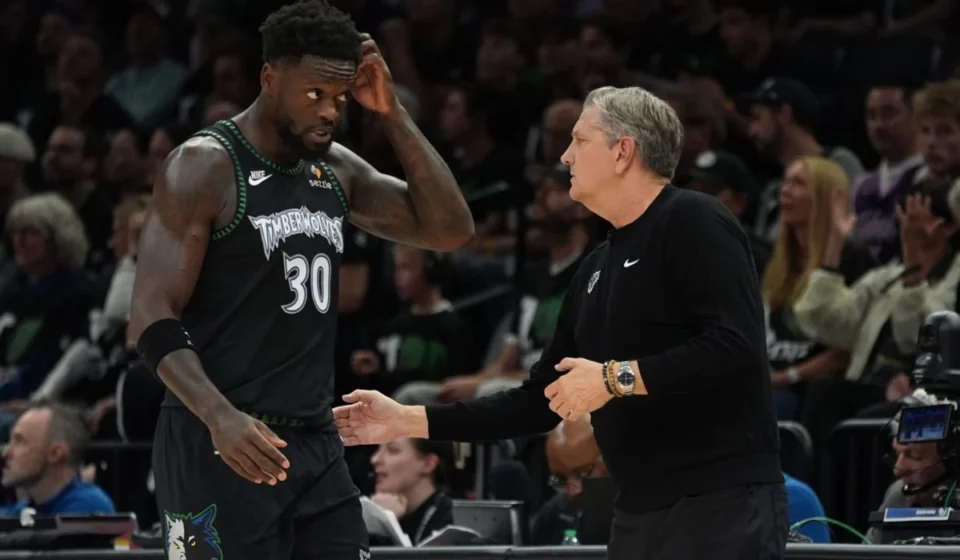
The trade that sent Julius Randle to the Brooklyn Nets was a masterclass in financial desperation. Despite head coach Chris Finch previously labeling Randle "maybe our most important player" during a campaign where he led the team in assists and ranked second only to Anthony Edwards in scoring, the optics of his departure tell a different story.
Randle, who was in the first year of a massive three-year contract, suddenly became an albatross for a Minnesota front office staring down the barrel of the NBA’s restrictive salary-cap "aprons." The Nets, one of the few franchises with the cap space to absorb Randle’s $33 million salary for the upcoming season—and his $36 million player option for 2027-28—became the destination of necessity.
The terms of the deal underscore the urgency: Minnesota surrendered their 28th overall pick in the draft to move up to the 33rd, effectively paying a premium to offload salary. The inclusion of third-team participant, the Chicago Bulls, resulted in the acquisition of Mo Gueye, a power forward with a mere 165 minutes of NBA experience who is widely expected to be waived before he ever dons a Timberwolves jersey.
Chronology of Correction: From KAT to the Current Reset
The narrative surrounding Connelly’s tenure is inevitably haunted by the ghost of Karl-Anthony Towns. Critics continue to point to the Knicks’ recent championship run—fueled by the presence of Towns, whom Minnesota traded away to facilitate the Randle era—as the ultimate indictment of Connelly’s vision.
The timeline of frustration is deep:
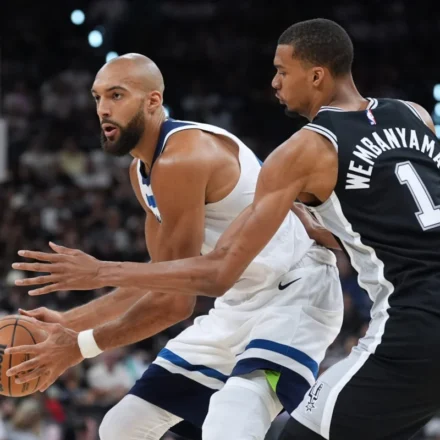
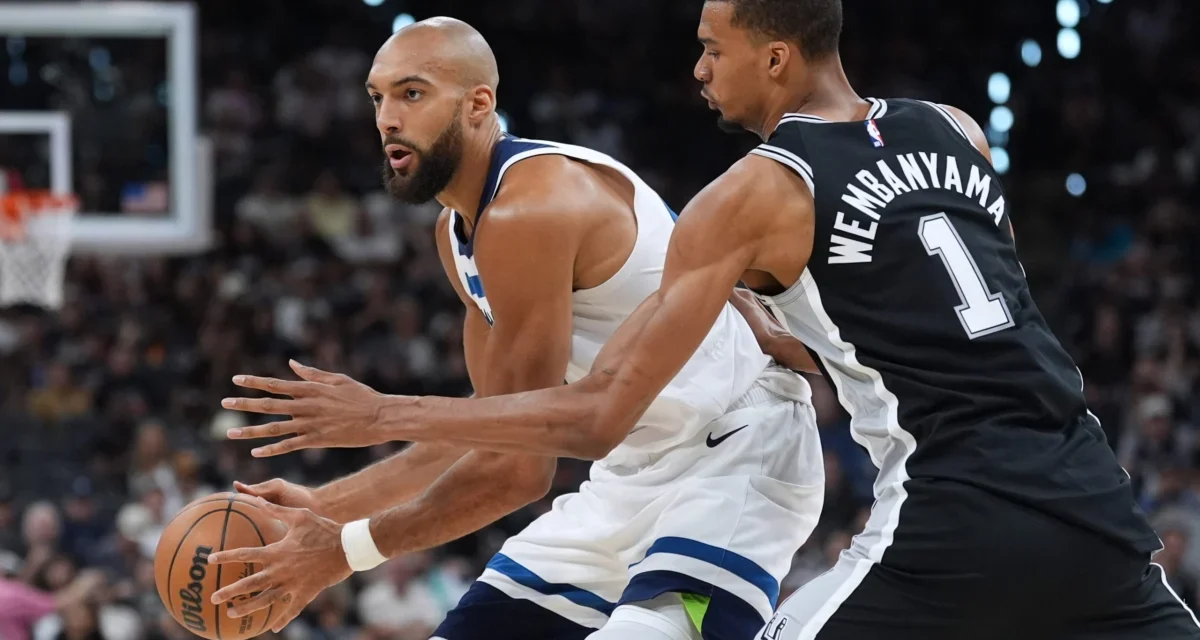
- The Gobert Gambit: The acquisition of Rudy Gobert, while defensively transformative, punted a significant portion of the team’s future draft capital and created a structural redundancy with Towns that eventually forced the team to move on from their former franchise cornerstone.
- The Dillingham Erasure: Earlier this year, the Wolves moved on from Rob Dillingham, a lottery pick, less than two years after investing significant resources into his development. It was an admission of error that signaled a lack of long-term patience in the front office.
- The Randle Resigning: Perhaps the most egregious error, according to analysts, was not the acquisition of Randle, but his extension. This decision necessitated letting Nickeil Alexander-Walker depart for Atlanta. Alexander-Walker subsequently won the NBA’s Most Improved Player award, providing elite two-way play at half the cost of Randle’s contract.
Supporting Data: Why the Move Was Required
While the emotional attachment to players like Randle or the draft capital invested in Dillingham might suggest failure, the cold, hard math of the current NBA Collective Bargaining Agreement paints a different picture.
By shedding Randle, the Timberwolves effectively maneuvered under the first apron of the salary cap. This shift provides the organization with the "non-taxpayer midlevel exception"—a $15 million "gift card" that allows teams to sign talent despite being over the cap. Furthermore, by not taking back any high-priced assets, the Wolves secured a $33.3 million trade exception. This is a massive piece of financial leverage that remains valid for a full year, giving Connelly the ability to absorb a high-salary player in a future trade without needing to send out equal matching salary.
This fiscal space was directly tied to the signing of Ayo Dosunmu to a five-year, $112 million contract. The Wolves’ management concluded that Dosunmu’s accelerated pace and playmaking were more conducive to Anthony Edwards’ timeline than the stagnating, iso-heavy style that Randle often forced upon the offense.
The Friction Between the Front Office and the Bench
The chemistry between Tim Connelly and head coach Chris Finch has generally been perceived as a united front, but the Randle and Dillingham sagas revealed hairline fractures in their alignment.
Dillingham was widely viewed as a "Connelly guy," a front-office project that didn’t necessarily align with the immediate win-now requirements of Finch. Conversely, Randle was a "Finch guy." His presence on the floor was a testament to the coach’s preference for veteran stability, even as his performance during the second round of the playoffs—and his subsequent exit from the arena without speaking to the media—made it clear that his tenure in Minneapolis was nearing a volatile end. The resolution of these conflicts, while messy, has cleared the deck for a more cohesive locker room culture.
Implications for the Future: A Championship Template?
The departure of Randle represents a clear pivot toward "addition by subtraction." His spacing issues were a significant hurdle for Anthony Edwards, and his defensive inconsistencies were antithetical to the identity the team wants to forge.
Looking ahead to the 2026-27 season, the Timberwolves are positioning themselves differently. The core is now firmly established: Anthony Edwards, Jaden McDaniels, Naz Reid, Ayo Dosunmu, Joan Beringer, and TJ Shannon. This is a younger, faster, and arguably more selfless group.
Naz Reid, in particular, is the primary beneficiary of this seismic shift. After years of being relegated to a secondary role behind the likes of Towns and Randle, Reid is now poised to enter the starting lineup as a primary offensive and defensive anchor alongside Gobert. McDaniels, likewise, will be granted the freedom to operate as a secondary playmaker, a role that has been stunted by the team’s previous reliance on Randle’s high-usage style.
The Verdict: A Costly Lesson in Modern Roster Construction
Critics are correct to note that drafting Dillingham and resigning Randle were expensive, inefficient errors. The 2031 first-round pick currently held by the San Antonio Spurs serves as a constant reminder of the cost of these miscalculations.
However, in the high-stakes environment of the modern NBA, the ability to recognize a sunk cost and move on is a trait often more valuable than the initial scouting process. The Timberwolves have traded their "star-power" illusions for a balanced, cost-controlled, and defensively oriented roster.
The championship template used by the league’s top three teams this past year was built on wing depth, selflessness, and defensive intensity. By moving on from Randle, the Timberwolves have moved closer to that model. They have sacrificed the comfort of the status quo to ensure that their young core has the financial runway and the tactical space to compete for a title. Whether this "correction era" results in a banner in the rafters remains to be seen, but the front office has successfully cleared the path for Anthony Edwards to lead a team that is, at the very least, aligned with his development and his ceiling.