

























































Inside Apple’s iPhone 18 Pro Roadmap: Leaks Point to 2nm Silicon, a Split Launch Schedule, and Heavyweight Upgrades

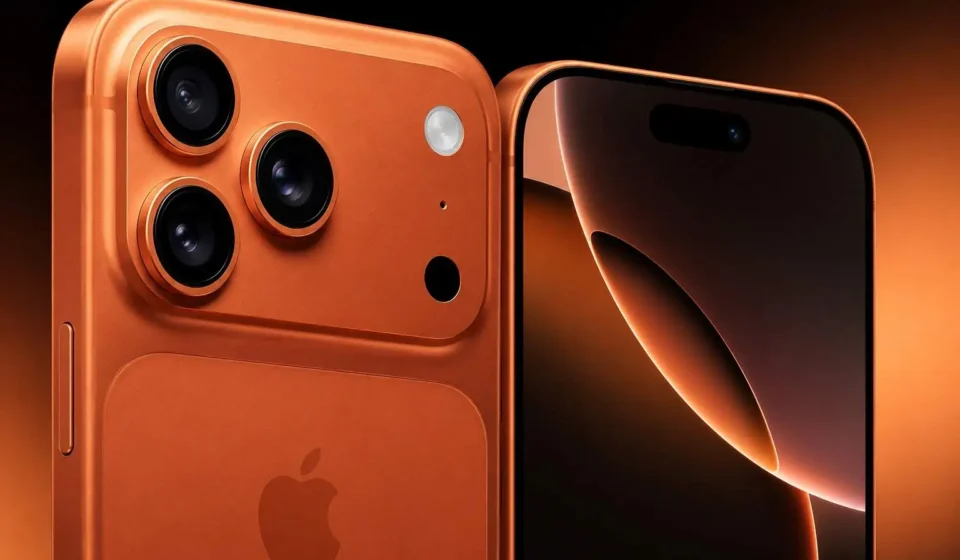
While Apple has yet to officially acknowledge the existence of the iPhone 18 Pro, a steady stream of highly consistent leaks from supply chain insiders, patent filings, and industry analysts has begun to bring the 2026 flagship lineup into sharp focus. The emerging picture describes a device that prioritizes internal engineering breakthroughs over a radical external aesthetic redesign.
With key upgrades centered on a next-generation 2-nanometer processor, a revolutionary variable aperture camera system, a proprietary cellular modem, and a significantly larger battery, Apple appears poised to redefine the performance boundaries of its premium tier. However, these advancements may come with notable trade-offs, including increased physical weight, a thicker chassis for the Pro Max model, and a potentially higher retail price.
Additionally, reports indicate that Apple is planning a fundamental restructuring of its annual release calendar. This structural shift would divide the iPhone 18 family into two distinct launch windows, marking one of the most significant changes to the company’s sales strategy in over a decade.
Chronology: The Rumored Split Launch Strategy
For years, Apple has adhered to a highly predictable autumn release schedule, unveiling its entire flagship smartphone lineup during a single keynote event in September. According to supply chain reports, this traditional playbook will be discarded for the iPhone 18 generation.
Apple is reportedly planning to divide the iPhone 18 rollout into two distinct phases spanning late 2026 and early 2027. This bifurcated schedule is designed to give Apple’s most expensive hardware maximum market visibility while preventing its highly anticipated first-generation foldable device from competing with standard models for consumer attention.
Phase 1: Fall 2026 (The Premium Tier)
In September 2026, Apple is expected to host its traditional autumn keynote to introduce its absolute highest-end mobile hardware. Pre-orders would likely commence the Friday following the event, with initial retail deliveries starting approximately one week later. The fall launch is rumored to feature:
- The iPhone 18 Pro: The standard-sized premium model, featuring a 6.3-inch display.
- The iPhone 18 Pro Max: The ultra-premium, large-format flagship, featuring a 6.9-inch display, a thicker chassis, and a high-capacity battery.
- Apple’s First Foldable iPhone: A premium, folding-screen device representing Apple’s entry into the ultra-luxury foldables market.
Phase 2: Spring 2027 (The Mainstream Tier)
Rather than launching alongside the Pro models, the more affordable consumer-focused variants are projected to debut in the spring of 2027. This secondary launch window would introduce:
- The Standard iPhone 18: The baseline model, serving as the high-volume consumer choice.
- The iPhone 18e: A more budget-conscious entry-level device, continuing the legacy of Apple’s entry-tier offerings.
- The Second-Generation iPhone Air: A ultra-thin, design-focused lifestyle device following up on the design language established by the rumored iPhone 17 Air.
| Rumored Model | Expected Release Period | Target Market Segment |
|---|---|---|
| iPhone 18 Pro | September 2026 | Premium Compact Flagship |
| iPhone 18 Pro Max | September 2026 | Ultra-Premium Large Flagship |
| Foldable iPhone | September 2026 | Ultra-Luxury / Form Factor Innovator |
| Standard iPhone 18 | Spring 2027 | High-Volume Mainstream |
| iPhone 18e | Spring 2027 | Entry-Level Premium |
| Second-Gen iPhone Air | Spring 2027 | Ultra-Thin Lifestyle / Design-First |
Supporting Data: Architectural and Hardware Specifications
Physical Dimensions and the Weight Trade-Off
One of the most surprising revelations from the supply chain concerns the physical footprint of the iPhone 18 Pro Max. For years, the smartphone industry has chased extreme thinness. However, early schematics indicate that Apple is reversing course to accommodate more demanding hardware.
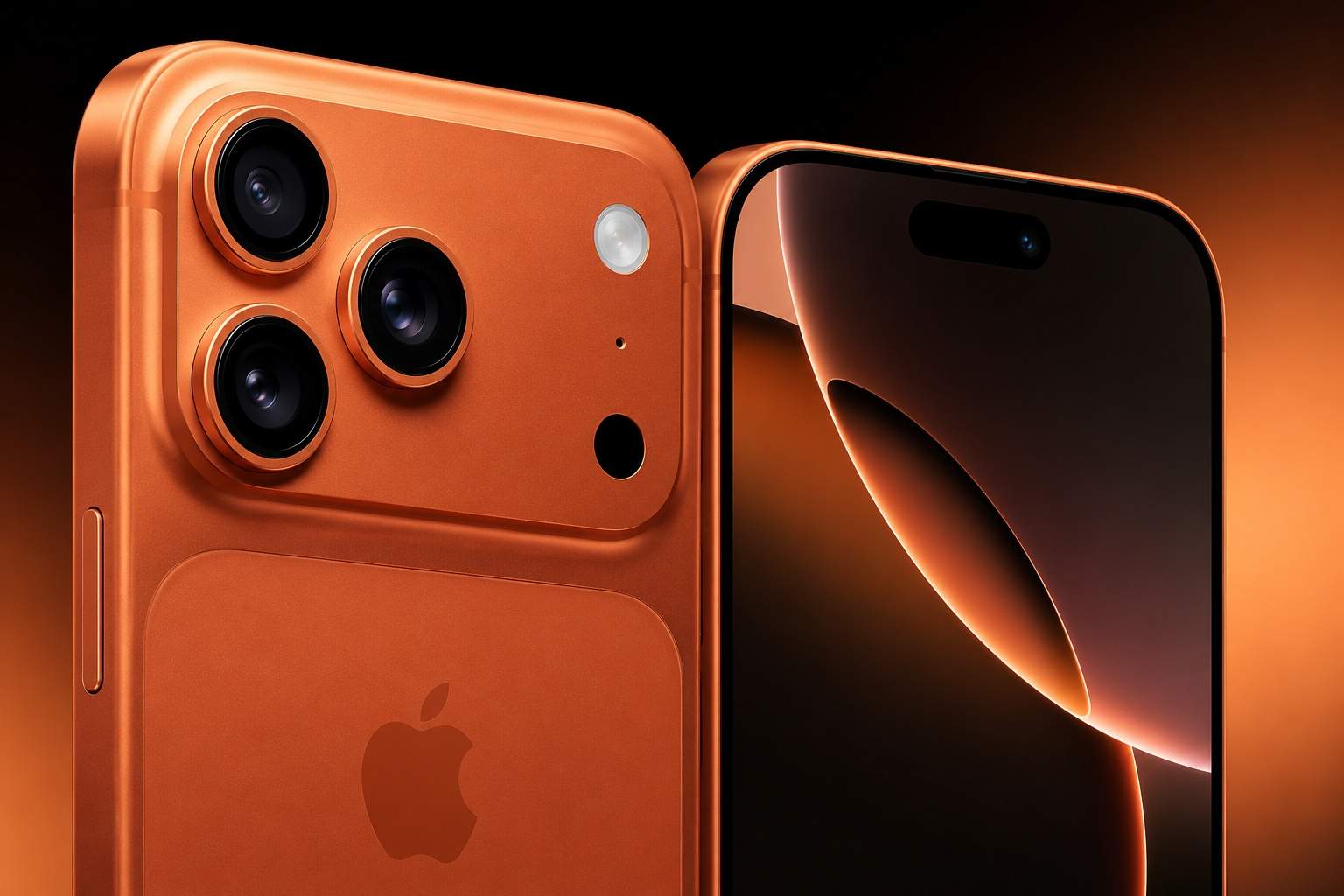
The iPhone 18 Pro Max is rumored to measure approximately 9.0 millimeters in thickness and weigh close to 240 grams. For context, the preliminary specifications for the preceding iPhone 17 Pro Max point to a thickness of 8.8 millimeters and a weight of 233 grams.
While a difference of 0.2 millimeters and 7 grams may seem negligible on paper, it represents a tangible physical increase in hand. This extra volume is reportedly required to house a significantly larger physical battery cell and the complex mechanical components of the upgraded rear camera module.
Physical Footprint Comparison (Pro Max Models):
┌──────────────────────────┬──────────────────┐
│ iPhone 17 Pro Max (Est.) │ 8.8 mm / 233g    │
├──────────────────────────┼──────────────────┤
│ iPhone 18 Pro Max (Leak) │ 9.0 mm / 240g    │
└──────────────────────────┴──────────────────┘
The A20 Pro Processor: A 2-Nanometer Breakthrough
At the heart of the iPhone 18 Pro lineup will be the A20 Pro system-on-a-chip (SoC). This processor is highly expected to be manufactured by TSMC (Taiwan Semiconductor Manufacturing Company) using its cutting-edge 2-nanometer (2nm) lithography process.
The transition to a 2nm process allows for unprecedented transistor density. Early industry projections suggest that the A20 Pro could deliver:
- An approximate 15% increase in raw processing speeds over the 3nm-based A19 Pro.
- An estimated 30% reduction in power consumption for identical workloads.
Furthermore, the A20 Pro is rumored to utilize a novel chip packaging method that places high-bandwidth system memory (DRAM) in closer physical proximity to the main compute cores. This architectural shift dramatically reduces latency and increases data transfer speeds, which is crucial for running complex, on-device generative AI models (Apple Intelligence) without relying heavily on cloud servers.
Display Evolution and the Dynamic Island
While the overall screen sizes are expected to remain stable—6.3 inches for the iPhone 18 Pro and 6.9 inches for the iPhone 18 Pro Max—the front-facing design will undergo a refinement.
Early industry rumors suggested that Apple would achieve a completely uninterrupted, edge-to-edge display by placing the Face ID infrared sensors entirely beneath the active display panel. However, more recent reports from display manufacturing partners indicate that under-display Face ID technology remains too costly and complex for mass production at Apple’s required scale.
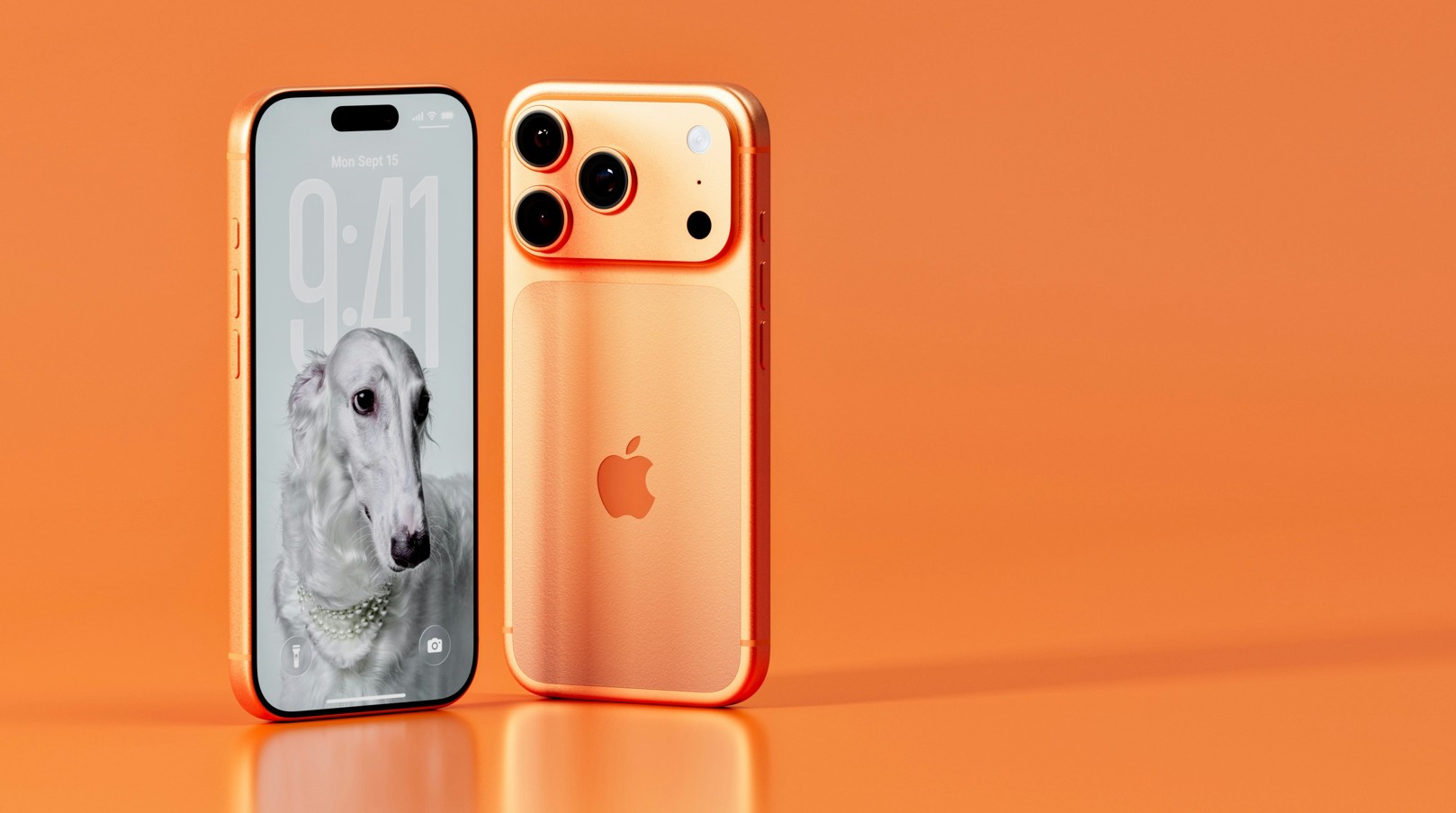
Instead, Apple is expected to implement a physically smaller Dynamic Island. By utilizing a condensed camera and sensor cluster, Apple can reduce the screen real estate occupied by the cutout, offering users a cleaner visual experience without sacrificing the secure biometric capabilities of Face ID.
Display Cutout Evolution:
┌──────────────────────────────┐
│  [  Dynamic Island  ]        │ <- Current Generation
└──────────────────────────────┘
┌──────────────────────────────┐
│  [ Cond. Island ]            │ <- iPhone 18 Pro (Estimated)
└──────────────────────────────┘
Camera System: Variable Physical Aperture
The primary 48-megapixel camera on the iPhone 18 Pro models is heavily rumored to feature a variable physical aperture.
Most modern smartphone cameras utilize a fixed aperture, meaning the physical opening that lets light reach the image sensor cannot change. A variable aperture system uses mechanical blades to adjust this opening depending on the shooting conditions:
- Low-Light Environments: The aperture opens wider (e.g., f/1.4 or f/1.5) to capture maximum light, reducing noise and blur in night photography.
- Bright Daylight / Landscape Photography: The aperture narrows (e.g., f/2.4 or f/4.0), keeping the entire scene in sharp focus and preventing overexposure.
- Portraiture: A wider physical aperture naturally creates a shallow depth of field (optical bokeh), separating the subject from the background without relying solely on software-based blur algorithms.
While variable aperture technology has previously appeared in select Android devices, Apple’s implementation is expected to leverage the advanced neural engine of the A20 Pro chip to adjust the physical aperture dynamically in real-time during 4K video recording.
Next-Generation Three-Layer Image Sensors
To complement the variable aperture, Apple is reportedly testing a three-layer stacked image sensor. By separating the photodiode, control circuitry, and memory buffer into three distinct layers, the sensor can process light information at vastly accelerated speeds. This architectural improvement is expected to significantly reduce rolling shutter distortion, enhance high-dynamic-range (HDR) processing, and capture exceptionally clean images in challenging, high-contrast environments.
Power Management and the Proprietary C2 Cellular Modem
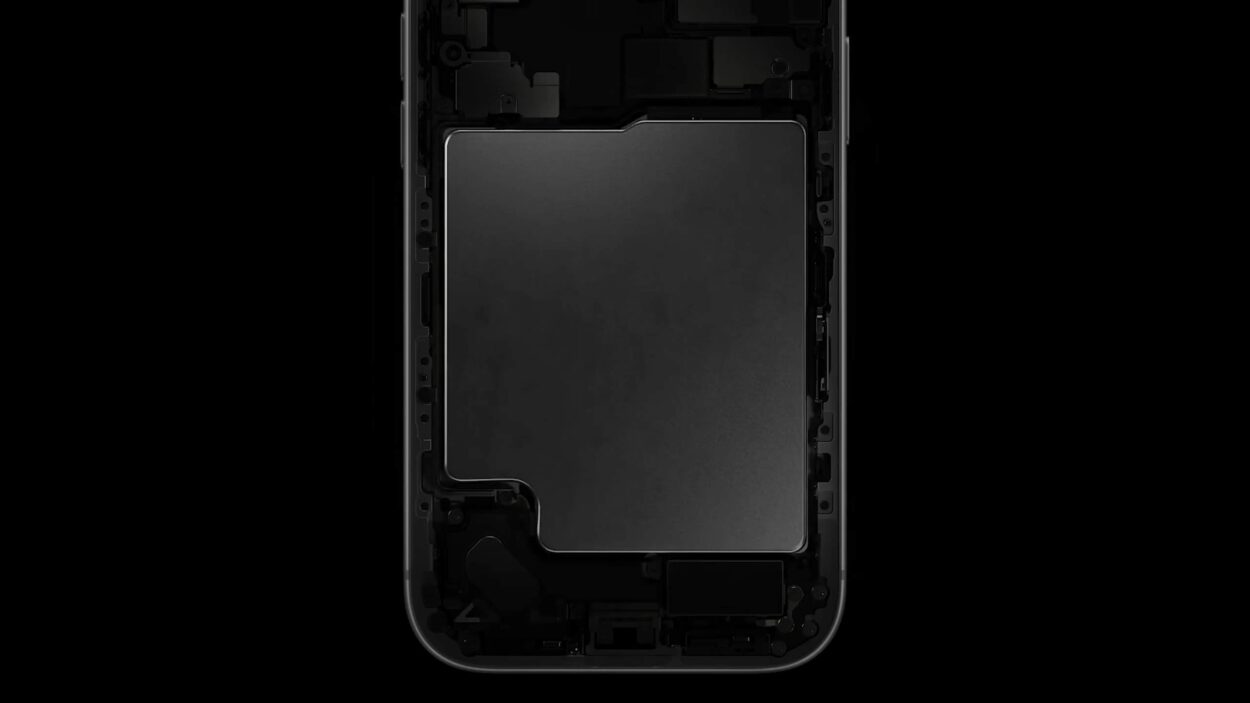
The rumored increase in the physical thickness of the iPhone 18 Pro Max is directly tied to its battery capacity. Industry reports suggest that Apple is targeting a battery capacity of between 5,000 mAh and 5,200 mAh for the Pro Max model. When paired with the efficiency gains of the 2nm A20 Pro processor, this battery could push the device’s actual daily runtime past the two-day mark for moderate users.
In tandem with battery improvements, the iPhone 18 Pro series is slated to debut Apple’s proprietary C2 cellular modem.
Qualcomm Modem (Previous Gen)  --->  Apple Proprietary C2 Modem (iPhone 18 Pro)
- High Licensing Costs               - Direct System Integration
- Generic Power Profiles             - Tailored Power-Saving Algorithms
- Third-Party Dependency             - Advanced Satellite & 5G Optimization
This custom silicon represents the culmination of a multi-billion-dollar development effort aimed at breaking Apple’s reliance on Qualcomm. By designing its own modem, Apple can deeply integrate cellular connectivity with the system processor, allowing for:
- Optimized power consumption during high-speed 5G data transfers.
- Enhanced satellite connectivity, potentially moving beyond emergency text messaging toward broader, low-bandwidth satellite internet features.
- Improved thermal management inside the device’s chassis.
Aesthetics and Colorways: "Dark Cherry" Deep Red
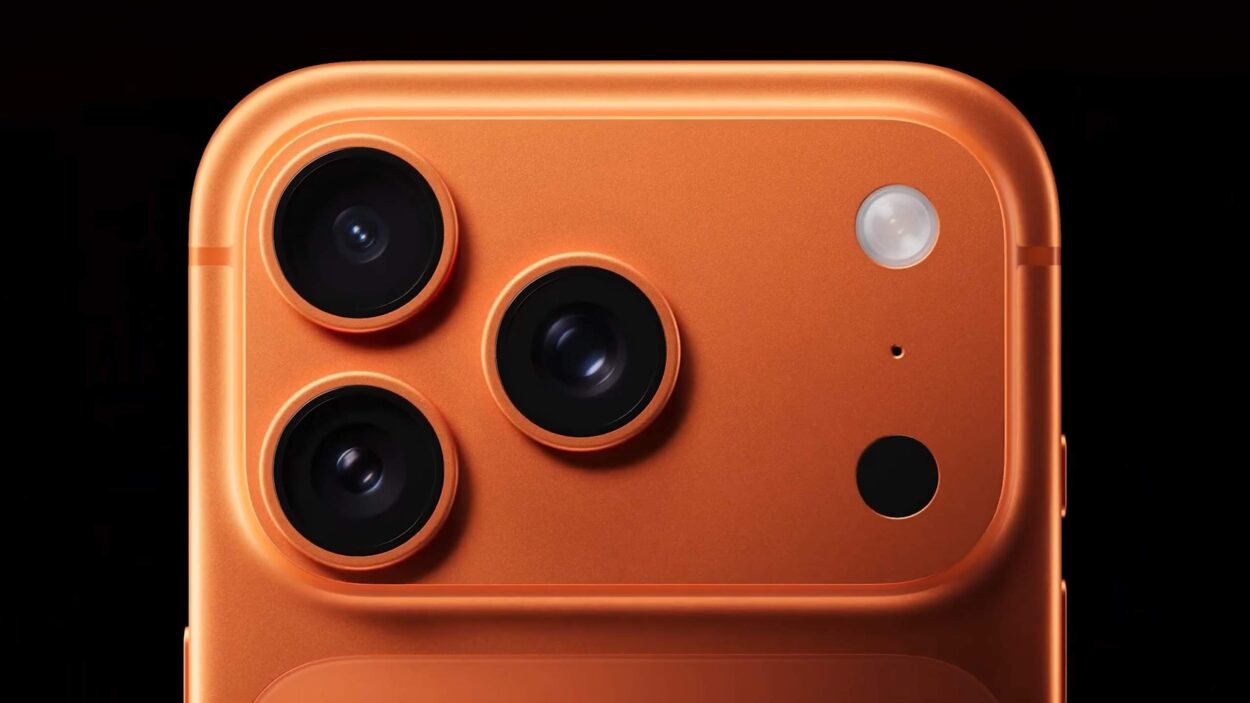
On the aesthetic front, early reports from anodization suppliers indicate that Apple is experimenting with a new signature colorway for the titanium frame of the iPhone 18 Pro series. Described as a deep red or "dark cherry" finish, this color is significantly darker and more muted than the vibrant "Product RED" options of previous generations, maintaining the sophisticated, professional appearance typical of the Pro lineup. Traditional shades of silver, space gray, and a light titanium blue are also expected to return.
Pricing Estimates and Market Positioning
While pricing remains highly speculative this far in advance of production, supply chain analysts warn that consumers should prepare for a potential price hike.
The manufacturing costs associated with TSMC’s cutting-edge 2-nanometer wafers are substantially higher than those of the previous 3-nanometer generation. When combined with rising global costs for high-density DRAM and the complex mechanical components of the variable aperture camera system, early estimates suggest that the iPhone 18 Pro could start at $1,299, representing a $300 increase over the traditional starting price of the Pro line.
To justify this price adjustment, Apple may increase the baseline storage configuration, potentially eliminating the 128GB tier entirely and starting the iPhone 18 Pro series at 256GB or 512GB of high-speed storage.
Official Responses and Verification Status
As a matter of strict corporate policy, Apple has declined to comment on any leaks, schematics, or analyst projections regarding the iPhone 18 Pro or its release schedule. The company maintains an absolute media silence on unannounced products until they are officially unveiled by executives during a scheduled Apple Event.
Consequently, all technical specifications, release windows, and pricing structures outlined in this report must be treated as highly educated industry projections rather than finalized product details. While the consistency of these leaks across multiple independent supply chain channels in Taiwan and mainland China lends them high credibility, Apple frequently tests multiple prototype configurations and can alter hardware specifications or launch timelines late in the development cycle.
Implications for Consumers and the Smartphone Industry
The leaked roadmap for the iPhone 18 Pro suggests several profound shifts in both consumer behavior and the broader mobile landscape.
For the Consumer: The Upgrade Dilemma
For owners of recent devices like the iPhone 16 Pro or the upcoming iPhone 17 Pro, the leaked specifications of the iPhone 18 Pro suggest that waiting for the 2026 flagship may not be strictly necessary unless battery life is an absolute priority. Because the overall industrial design and screen dimensions are expected to remain largely unchanged, and under-display Face ID has been deferred, the visual upgrade will feel incremental.
However, for users upgrading from older, pre-USB-C models (such as the iPhone 12, 13, or 14 series), the combination of a 2nm A20 Pro chip, a variable aperture camera, and a massive 5,200 mAh battery on the Pro Max will represent a generational leap in performance, photographic versatility, and endurance.
For the Industry: The End of "Thinner is Better"
Apple’s willingness to make the iPhone 18 Pro Max physically thicker and heavier to accommodate a larger battery and more complex camera hardware signals a major philosophical shift in product design. For over a decade, consumer electronics manufacturers have prioritized thinness, often at the expense of battery capacity and thermal efficiency.
If Apple successfully markets a heavier, thicker Pro Max as a premium benefit due to its superior battery life and professional-grade camera mechanics, it will likely give permission to the rest of the smartphone industry to abandon the thinness race, leading to a new generation of highly capable, battery-centric Android flagships.
The Impact of the Split Launch Cycle
The proposed transition to a split-launch calendar (Pros in the Fall, standard models in the Spring) will permanently alter the rhythm of the global smartphone market.
Traditional Single Launch (September):
[   All iPhones Released   ] =======> Holiday Sales Peak =======> Spring/Summer Slump

Proposed Split Launch:
[ Pro & Foldable (Sept) ] ===> Holiday Peak ===> [ Standard & Air (Spring) ] ===> Balanced Year-Round Sales
Currently, the entire mobile industry coordinates its product launches around Apple’s September event. By spreading its releases across two distinct quarters, Apple can maintain a continuous, year-round media presence, capture consumer attention during both the winter holiday season and the spring graduation/graduation shopping seasons, and stabilize its hardware revenue stream across the fiscal year. This move will place immense pressure on competitors like Samsung and Google, who will find themselves constantly launching new hardware directly against a fresh Apple release.