









































Bridging the Gap: How a New Initiative is Transforming Lung Cancer Screening in Rural Minnesota

This article was originally published by The Daily Yonder.
In the quiet corridors of rural medical clinics across Minnesota, a quiet revolution in preventative medicine is taking root. A pioneering research project, spearheaded by the University of Minnesota’s Masonic Cancer Center and the Minnesota Cancer Clinical Trials Network (MNCCTN), is seeking to dismantle the systemic barriers preventing rural residents from accessing life-saving lung cancer screenings. By rethinking the role of primary care staff and tackling the deep-seated stigma surrounding smoking, researchers hope to move the needle on a disease that remains the leading cause of cancer death in the United States.
The Urgency of Early Detection
Lung cancer is often dubbed a "silent killer" because it frequently remains asymptomatic until it reaches advanced stages. However, the medical community knows that when caught early, the prognosis shifts dramatically.
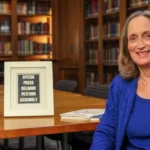
"Anybody with lungs can get lung cancer, and when found early, lung cancer survival rates can reach 80% to 90%," says Dr. Abbie Begnaud, a pulmonologist and associate professor at the University of Minnesota Medical School. Despite this, the current reality is grim: less than 20% of eligible Minnesotans are currently screened for the disease. This disparity is particularly acute in rural areas, where geographic isolation, limited infrastructure, and cultural barriers create a perfect storm of health inequity.
A New Model: The Whole-of-Office Approach
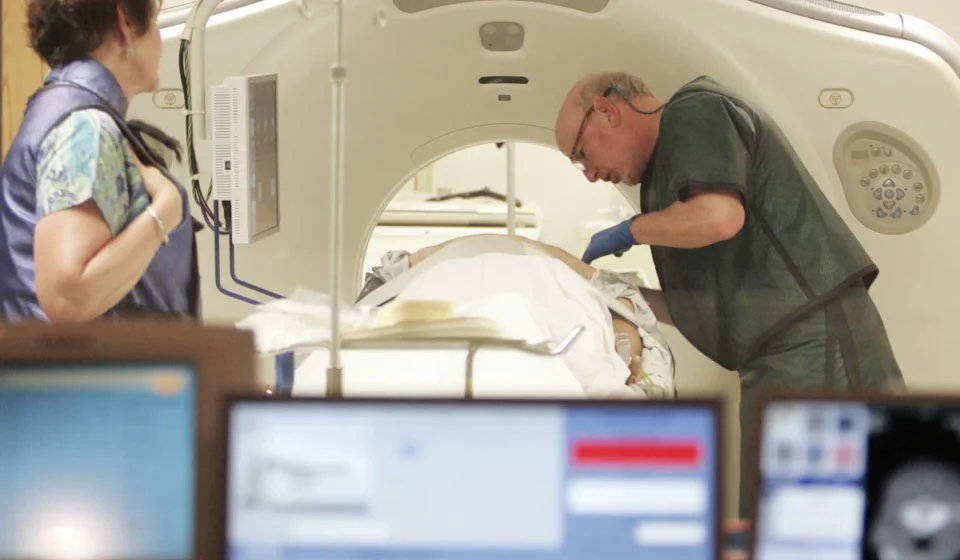
The core of the new research project is a pilot program designed to integrate lung cancer screening directly into the workflow of rural primary care clinics. Historically, the burden of scheduling screenings—such as low-dose CT scans—has fallen on the patient. A doctor might mention the screening, hand the patient a pamphlet, and leave them to navigate the complexities of imaging centers, insurance approvals, and scheduling.
Dr. Begnaud’s model flips this script. Working with six primary care clinics, the research team implemented a "whole-of-office" strategy. Under this framework, the entire clinic team—nurses, medical assistants, and front-desk staff—are trained to identify eligible patients, verify insurance criteria, and, crucially, schedule the screening appointment before the patient even leaves the exam room.
"What we really wanted to see was: Is this approach feasible? Is this doable in clinics?" Dr. Begnaud explains. The results of the pilot were promising, showing a 30% increase in the number of screening orders for eligible patients. The research team is now moving to expand this model into a statewide trial to validate these findings on a larger scale.
The Rural Divide: Data and Disparities
The need for this intervention is underscored by stark national data. While smoking rates have declined significantly over the past several decades, the U.S. Surgeon General’s 2024 report highlights a persistent and widening gap between urban and rural populations.
Currently, 15.4% of rural adults smoke, compared to 10.1% of their urban counterparts. Furthermore, rural smokers are more likely to consume higher quantities—often 15 or more cigarettes per day—and struggle with lower cessation rates. The geographic distribution of this crisis is also uneven; rural adults in the Midwest and Southeast are 40% more likely to smoke than those in the Northeast or West.
The consequences of these disparities are profound. Rural residents who smoke not only have more difficulty quitting but are also significantly more likely to die from tobacco-related diseases. "People who live in rural areas experience tobacco-related health disparities," the Surgeon General’s report notes. "Compared with people who smoke and live in urban areas, people in rural areas who smoke tend to have worse cessation-related outcomes when attempting to quit and are more likely to die from a tobacco-related disease."
Dismantling the Stigma
Beyond the logistics of scheduling and geography, Dr. Begnaud identifies a critical psychological barrier: the shame associated with smoking. Decades of public service announcements, while effective in reducing smoking rates, have inadvertently created a culture of blame.
"All the public service announcements and warnings have decreased the smoking rate, but they have also led to stigma and shame," Dr. Begnaud observes. "People who have smoked or continue to smoke are certainly aware that it’s bad for their health, and they know that everyone else is thinking about it. I think they internalize these messages of blame. It’s really important to get people to be open to screening to try to decouple the shame or blame that goes along with it."
For clinicians, this means changing how they communicate with patients. Instead of framing screenings as a punitive consequence of smoking, the focus must shift to proactive, compassionate care. By creating a non-judgmental environment, health providers can encourage patients who have smoked to prioritize their health without feeling they are being lectured or judged.
A Chronology of the Pilot Program
The development of this project followed a methodical research trajectory:
- Phase I: Identification of Barriers: Researchers conducted focus groups and clinic surveys to determine why screening uptake was low. They identified the "patient-driven scheduling" model as a primary failure point.
- Phase II: Clinical Integration: Six rural clinics were selected to participate in a pilot program. Staff training sessions were held to educate teams on identifying high-risk patients (those aged 50-80 with a significant smoking history).
- Phase III: The Pilot Launch: The "whole-of-office" scheduling workflow was implemented. Front-line staff were empowered to act as navigators, turning a "suggestion" into a "scheduled appointment."
- Phase IV: Data Collection and Analysis: Over the course of the pilot, researchers monitored the number of screening orders generated. The 30% increase confirmed the efficacy of the workflow.
- Phase V: Expansion: Based on the pilot’s success, the Masonic Cancer Center and MNCCTN are now working to secure funding and partnerships for a broader, state-wide implementation.
Implications for Future Care
The implications of this project extend far beyond Minnesota. If this "whole-of-office" approach can be replicated nationally, it could fundamentally change the trajectory of lung cancer mortality in rural America.
For the medical community, the lesson is clear: access is not just about the availability of technology, but about the accessibility of the process. By leveraging the trust that exists between rural patients and their local clinic staff, the medical establishment can overcome the logistical hurdles that have long hampered preventative care.
Dr. Begnaud, who balances her academic work with a busy practice as a pulmonologist, remains grounded by the human cost of the current system. "Every time I see somebody who comes to me who should have been screened and wasn’t, and now they have a stage 3 or a stage 4 lung cancer, it motivates me to get up and work harder tomorrow," she says. "There’s still a lot of work to do."
Looking Ahead: The Path to Statewide Implementation
The transition from a small-scale pilot to a statewide trial presents new challenges, including the need for standardized training materials and sustainable funding models. However, the enthusiasm from the initial clinic teams suggests that the model is both palatable and sustainable.
Clinics that participated in the pilot reported that their staff felt empowered by the new process. Rather than feeling like another administrative task, the initiative allowed staff to feel they were actively contributing to the long-term survival of their neighbors.
As the project scales, the University of Minnesota’s team plans to gather more granular data. They hope to demonstrate not just an increase in screening orders, but an actual improvement in cancer detection rates, which would provide the definitive evidence needed to make this approach a standard of care for rural health systems across the country.
Ultimately, the initiative is a reminder that in the fight against cancer, the most sophisticated technology is useless if it does not reach the patient. By bridging the gap between the rural clinic and the imaging suite, Dr. Begnaud and her colleagues are ensuring that geography is no longer a death sentence for those at risk of lung cancer.