






















































From the frozen landscapes of Canada to the arid plains of Nepal and the lush, endangered rainforests of Ecuador, the front lines of the climate crisis are increasingly defined by the experiences of Indigenous peoples. As the planet warms, these communities are not merely facing individual weather events; they are grappling with a relentless, compounding succession of catastrophic storms, wildfires, and floods.
However, a groundbreaking new report from the global nonprofit Land Is Life suggests that while the world looks to high-tech solutions to mitigate these disasters, the most effective strategies are already in practice—managed by the very communities currently bearing the brunt of the instability. The report posits a fundamental shift in perspective: the key to global climate adaptation is not the invention of new systems, but the legal, financial, and political empowerment of Indigenous governance.
The Reality of Compounding Crises
The narrative surrounding climate change often focuses on isolated events—a single wildfire or a singular flood. But for the world’s Indigenous populations, the reality is far more punishing. More than 80 percent of respondents to the Land Is Life survey reported that they are currently navigating two or more climate-related crises simultaneously. Over 90 percent noted a marked increase in the frequency of these disasters over the past decade.
This "compounding effect" creates a cycle of destruction that leaves little time for recovery. When a community in the Ecuadorian Amazon, such as the Kichwa People of Sarayaku, faces a catastrophic flood that destroys crops and homes, they are often still dealing with the fallout of previous environmental stresses.
"We show that it’s not that they are only the most impacted, but they are already implementing effective solutions," says Luisa Castañeda Quintana, executive director of Land Is Life. "When it comes to adaptation, we don’t really need to create new structures or systems. We just need to see what is working."
A Chronology of Indigenous-Led Solutions
The effectiveness of these solutions is rooted in a deep, generational knowledge of local ecosystems—what scientists are increasingly calling "Traditional Ecological Knowledge."
- Pre-Crisis Monitoring: In the Ecuadorian Amazon, the Sarayaku people utilize their deep connection to the river systems. Elders observe subtle shifts in rain and lightning patterns at the headwaters, acting as a biological early-warning system that allows the community to mobilize long before a flood strikes.
- Agricultural Adaptation: In Kenya, the Endorois and Tugen women have been at the forefront of food security. By curating and cultivating drought-resistant varieties of indigenous crops like sorghum and millet, they have successfully secured harvests in years where modern, commercial farming failed entirely due to severe drought.
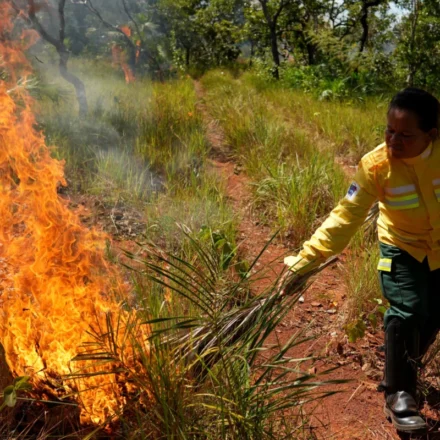
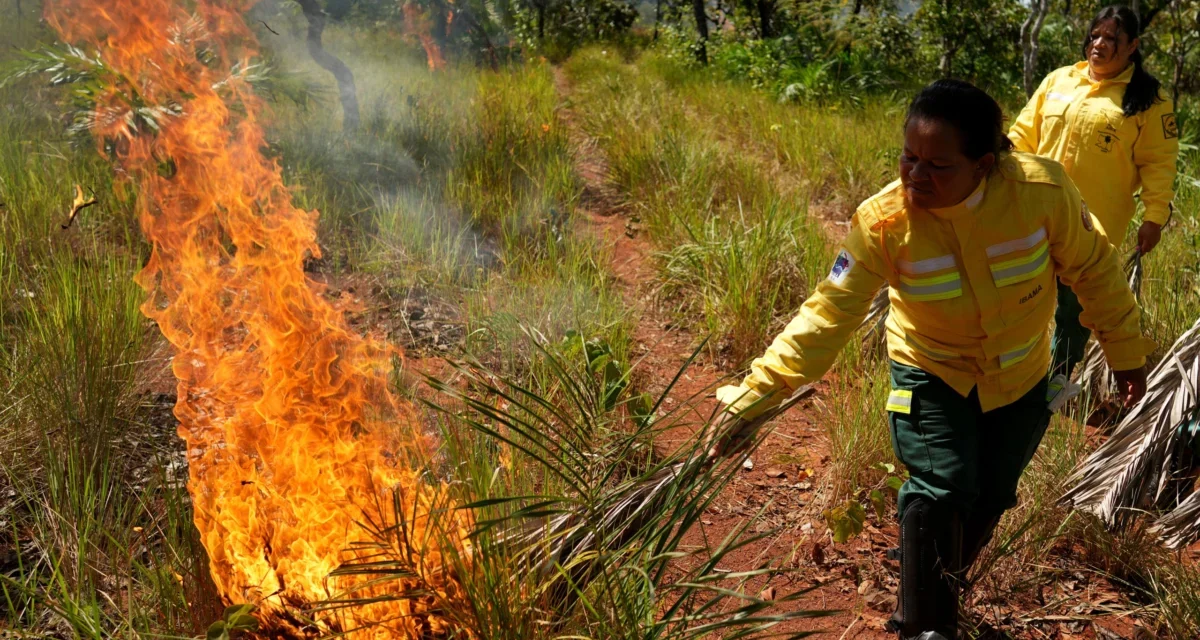
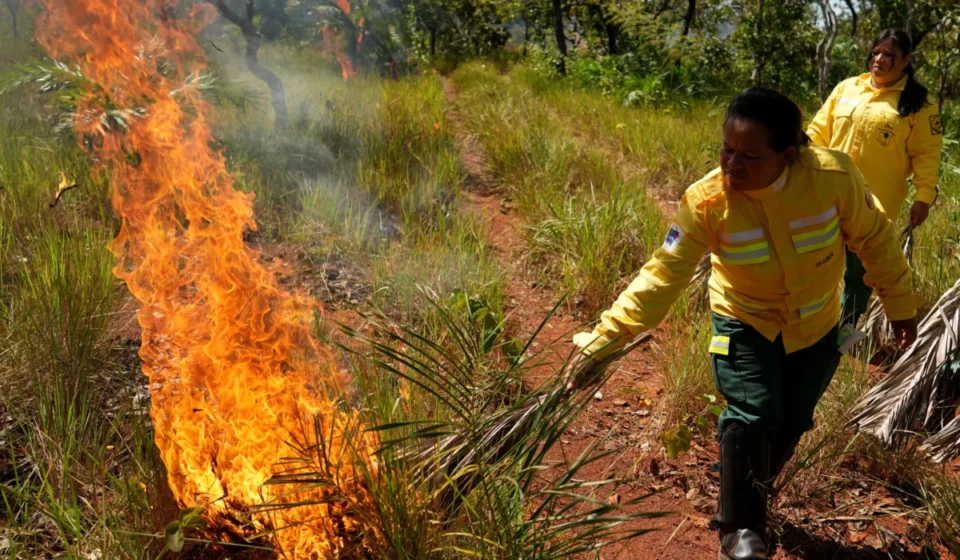
- Active Fire Management: In Brazil, the Coordination of Indigenous Organizations of the Brazilian Amazon (COIAB) serves as a blueprint for disaster management. Rather than waiting for government intervention, they have established sophisticated, community-led fire brigades that perform controlled burns and mobilize rapid-response teams, effectively curbing the spread of wildfires that threaten the lungs of the planet.
- Integrated Monitoring: In Peru’s Ausangate Regional Conservation Area, Quechua communities have bridged the gap between traditional knowledge and Western science. By partnering with conservation groups to document environmental indicators, they have created a data-rich, community-monitored system that enhances the resilience of the entire Andean region.
The Missing Link: Why Governance Matters
While the scientific community has begun to acknowledge the value of Indigenous knowledge, the report highlights a glaring oversight: the critical role of Indigenous governance.

Indigenous knowledge does not exist in a vacuum; it is practiced and protected through governance structures that emphasize collective responsibility, local decision-making, and long-term sustainability. For the Kichwa of Sarayaku, the principle of minga—a term denoting solidarity and communal labor—is the bedrock of their crisis response. This governance structure allows for clear decision-making processes, the equitable distribution of resources to families whose homes have been destroyed, and a unified voice to engage with external authorities.
"This organization makes it possible to confront any problem and any threat," says Daniel Santi, president of the Sarayaku community.
Despite this, global policymakers often treat Indigenous knowledge as a commodity to be extracted, while simultaneously undermining the governing bodies that hold that knowledge. In many nations, Indigenous groups lack legal recognition of their lands, their languages are excluded from emergency alert systems, and their cultural practices are frequently criminalized.
Supporting Data and Global Research
The Land Is Life report is based on extensive fieldwork, including over 200 detailed surveys across 46 countries. The research spans six distinct ecosystems: forests, mountains, drylands, freshwater systems, grasslands, and coastal areas. This global scope was a deliberate choice by the researchers.
"Climate change and environmental disasters are not limited by national or even ecological boundaries," notes Gisela Hurtado, the report’s author. "Responses to them must transcend these borders."
The data reveals a stark disconnect: while Indigenous lands are among the most biodiverse and carbon-rich on the planet, they receive only a fraction of global climate finance. Even when billions of dollars are pledged by international bodies, the funds rarely reach the grassroots level. Instead, the money is often funneled through non-Indigenous organizations or large international NGOs, which may lack the local expertise and cultural competency to implement truly effective, community-led solutions.
Official Responses and the Funding Gap
The lack of direct funding is the most significant barrier to Indigenous resilience. Anisha Buda, a program officer at the National Indigenous Women Forum in Nepal, describes this reality with frustration: "It’s always the lack of resources and the lack of access to funding that makes it so difficult for us to work, especially when climate change makes us the most vulnerable."

The issue is compounded by the shifting geopolitical landscape. As the United States and various European nations retract climate commitments due to domestic political pressures or international conflicts, Indigenous communities are being pushed further to the periphery of the global agenda.
The report calls for a radical re-evaluation of how climate funds are distributed. Rather than attempting to impose "one-size-fits-all" adaptation strategies, governments and philanthropists are urged to:
- Grant Legal Provide full legal recognition of Indigenous territories to ensure communities have the authority to manage their lands.
- Provide Flexible, Direct Financing: Eliminate the "middleman" organizations and fund Indigenous-led initiatives directly.
- Respect Self-Determination: Integrate Indigenous decision-making structures into national and international climate policy, rather than viewing them as secondary stakeholders.
Implications for the Future of the Planet
As the world experiences the escalating impacts of climate change, the lessons offered by Indigenous communities are no longer just relevant to their own territories—they are relevant to the global future.
"What they are seeing in the territories, we’re going to see it also in the future," says Hurtado. "They are the ones that are much more connected with the Earth to know what is going to happen."
The implications are clear: the path to climate stability lies in the democratization of environmental management. By supporting Indigenous governance, the global community is not just providing aid to vulnerable populations; it is investing in the most proven, time-tested, and effective climate solutions available to humanity.
The question remains whether global powers will choose to relinquish control and trust the wisdom of those who have successfully stewarded these lands for millennia. As climate change accelerates, the "solutions" may already be here—waiting only for the world to recognize the authority of the guardians of the Earth.