
















































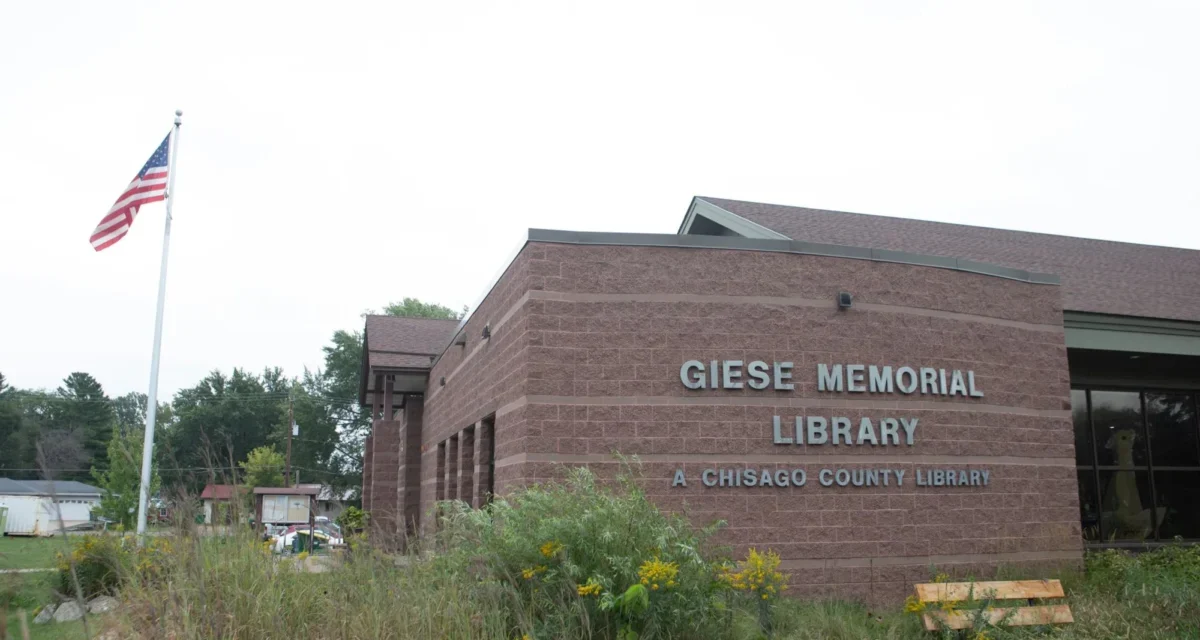





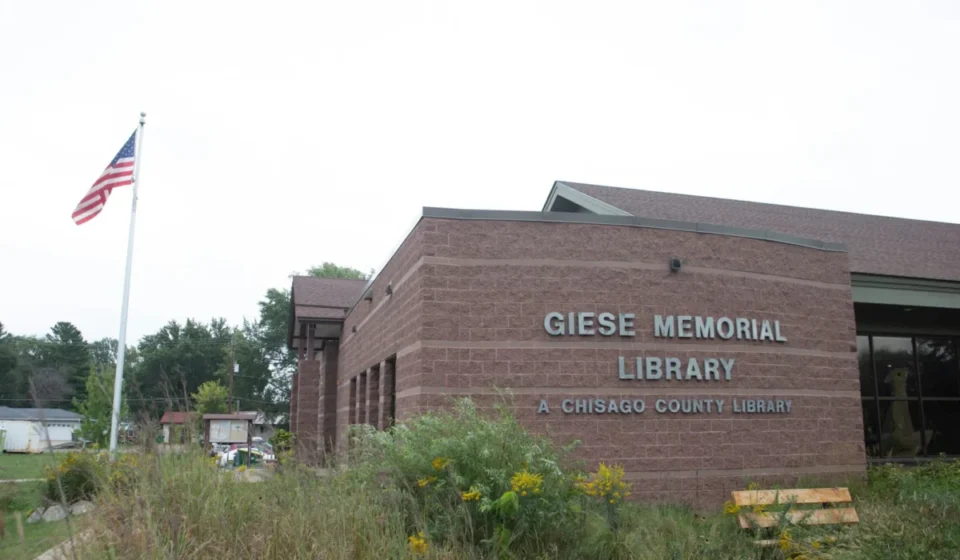

In the quiet corners of rural America, the local library has long served as the community’s "third place"—a vital sanctuary between home and work. However, as shifting economic landscapes and municipal budget constraints force traditional institutions to shorten their operating hours, many rural residents have found themselves locked out of the very spaces they rely on for internet access, job hunting, and quiet study.
In response, a growing number of regional library systems are turning to a technological solution: "Extended Access." This initiative allows patrons to utilize library facilities during unstaffed hours, effectively keeping the doors open when they would otherwise be locked. For residents like Michael Sayen, a novelist living in Forest Lake, Minnesota, this program is a lifeline.
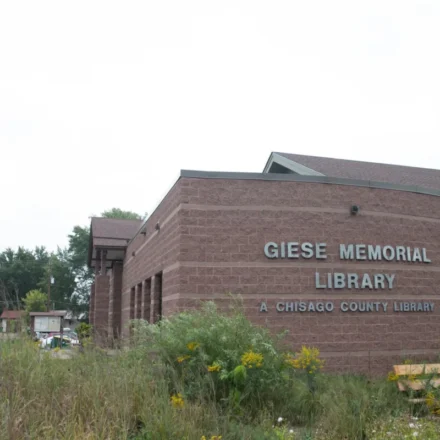
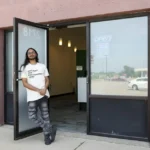
"We just had Labor Day, the library is closed all day," Sayen said, reflecting on his experience at the Wyoming branch of the East Central Regional Library (ECRL) in Chisago County. "But if you have extended hours, you can come in and do the work, or cool down from a hot day, or whatever you need to do." For Sayen, the ability to file time-sensitive job applications or legal documents after the traditional 5 p.m. cutoff has transformed his productivity and reduced the friction of rural living.
Main Facts: A New Model for Public Infrastructure
The "Extended Access" model is not a monolithic program; it goes by many names—Open+ Access in Nevada County, California; Open Access in Independence, Kansas; and Expanded Access in Washington’s Timberland Regional Library system. Despite the variation in nomenclature, the core mechanism remains consistent: patrons gain entry to facilities through secure, card-controlled systems that bypass the need for an on-site librarian.
To participate, users typically undergo a brief vetting process. At the ECRL, for instance, this involves a 15-minute orientation where users are briefed on safety protocols, including the locations of defibrillators, first-aid kits, and emergency exits. Once registered, their library card acts as a digital key, unlocking the facility during designated, unstaffed windows.
While these programs offer the same fundamental services—book borrowing, computer usage, and workspace access—they are not a replacement for human staff. Certain services, such as document faxing that requires cash handling or complex reference assistance, remain restricted to staffed hours.
Chronology: The Rise of the Automated Library
The transition toward automated access is a relatively recent phenomenon, gaining significant traction over the last three to five years as rural library systems reached a breaking point between rising demand and stagnating funding.

- Early Implementation: Initial pilot programs began appearing in the late 2010s, but the COVID-19 pandemic acted as a catalyst. As physical buildings were forced to close or operate under severe restrictions, library boards began exploring ways to provide contactless access to public resources.
- Expansion Phase (2023-2025): The Timberland Regional Library (TRL) emerged as a major player in this space. Between September 2023 and August 2026, the system saw over 63,000 instances of patrons utilizing their facilities during unstaffed hours, proving that the demand for "off-peak" access was not merely a niche requirement but a systemic need.
- The ECRL Pivot: In April 2026, the East Central Regional Library moved out of its testing phase for the Wyoming branch. Since that transition, the branch has seen a 66% increase in usage, with 55 registered users logging over 800 visits in the current calendar year.
- Current State: As of late 2026, the model is being evaluated by library boards nationwide as a potential long-term strategy to preserve public space in the face of widespread budgetary cutbacks.
Supporting Data: By the Numbers
The efficacy of extended access is best illustrated by the data coming out of systems like the Timberland Regional Library, which currently operates 12 branches with this capability. With over 4,100 registered users in the TRL system alone, the sheer volume of "swipes" indicates that the model is successfully reaching those who cannot adhere to the traditional "9-to-5" library schedule.
In Minnesota, the ECRL has invested $70,000 into the initial renovation of the Wyoming branch, a figure that includes high-definition security cameras and the necessary software infrastructure to manage card-entry systems. The ongoing maintenance costs hover around $12,000 annually—a price tag that, while significant for a small rural branch, is viewed by advocates as a bargain compared to the cost of maintaining full-time staffing for extended evening hours.
However, the growth of these programs is uneven. While TRL boasts thousands of users, the ECRL is currently limited to a single branch in Wyoming, Minnesota. The disparity is largely due to the capital-intensive nature of the renovations, which require not just software, but physical modifications to buildings, many of which are owned by local municipalities rather than the library system itself.
Official Responses: Security, Funding, and the Future
For many, the primary concern regarding unstaffed public spaces is security. When asked about potential behavioral issues, library administrators have been largely optimistic. Carla Lydon, executive director of the ECRL, notes that the integration of security cameras and the requirement that users sign in with a registered library card creates a high level of accountability.
"If we have issues, because you have to sign in and are on camera, we are able to identify the issue and revoke the privilege quickly," Lydon stated. To date, the ECRL has reported no significant security breaches or misconduct, a testament to the fact that these spaces remain community-governed through the social contract of library membership.
However, the administration is quick to clarify that this is a supplement, not a substitution. "Staffed hours remain as they were prior to implementation, and we expect that to continue," Lydon wrote. This distinction is vital for library employees who fear that automated access might lead to layoffs.
Yet, the financial reality remains grim. In Washington state, where TRL operates, the library system is facing a budget deficit that has already resulted in $3.69 million in cuts to books, salaries, and programs. The system is now asking voters to approve a "levy lid lift" this fall, which would raise the tax rate from 22 cents to 35 cents per $1,000 of assessed property value. If this fails, the future of both staffed and unstaffed access remains uncertain.

Implications: The Rural Access Gap
The emergence of extended access highlights a deepening crisis in rural infrastructure. Ryan Stigile, a pastor in Wyoming, Minnesota, encapsulates the desperation felt by many in sparsely populated areas. "We don’t have any coffee shops," he noted while working in the library, "so it’s this or McDonald’s."
For many rural citizens, the library is the only place to bridge the digital divide. When libraries are forced to cut hours—as the ECRL did in three counties earlier this year—they effectively sever the connection between rural residents and the modern economy. Extended access is a clever, technological workaround, but it is ultimately a defensive strategy.
The implications are twofold:
- Technological Dependency: Libraries are increasingly reliant on software and hardware to maintain relevance, creating a new "tech-debt" for systems that are already cash-strapped.
- The Human Factor: While after-hours access provides space, it cannot provide the expertise of a librarian. Programs that offer extended access must ensure they do not accidentally justify the permanent reduction of human-led services.
As we look toward the future, the library is transforming into a hybrid model. It is becoming a space that is physically open around the clock, yet intellectually accessible only during staffed hours. For communities that lack community centers, coffee shops, or reliable home internet, this transformation is not just a trend—it is a vital, albeit fragile, evolution of the public sphere.
Whether these systems can secure the long-term funding necessary to expand beyond the pilot phase remains the defining question of the next decade. For now, the lights in the Wyoming library remain on, flickering in the Minnesota night, serving as a beacon for those who simply need a place to work, to think, and to exist in a public space.