
















































The Secular Hymns of Humbird: Siri Undlin on Mental Health, Nature, and the Art of “Doin’ My Best, Badly”

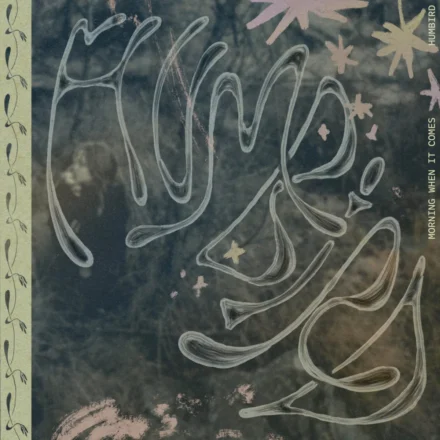
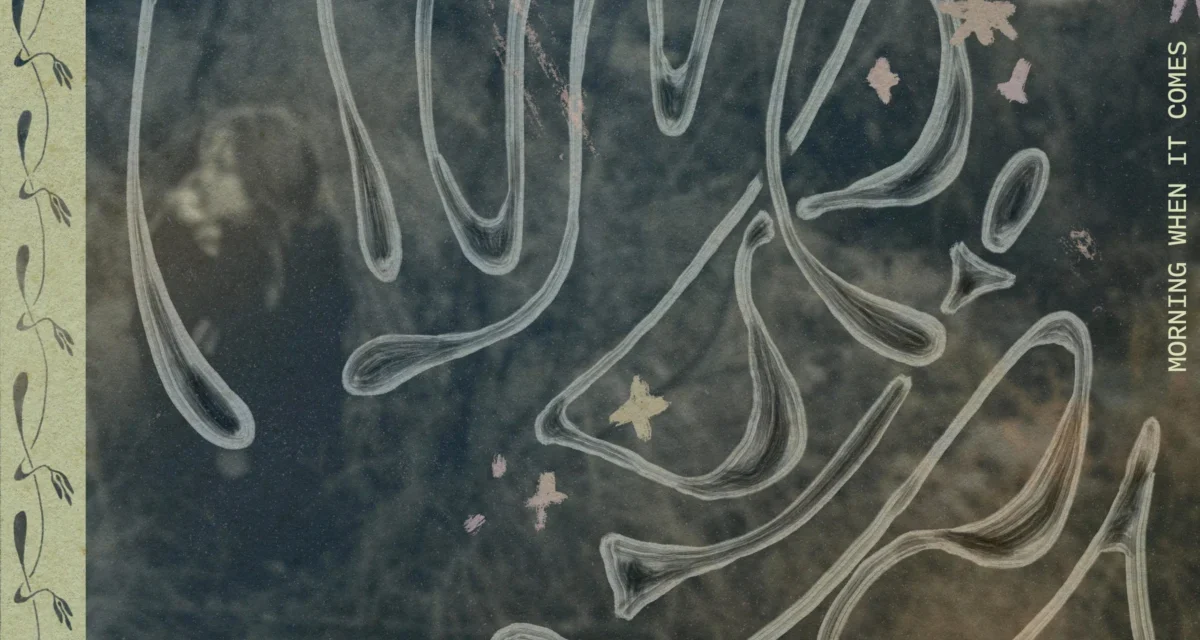
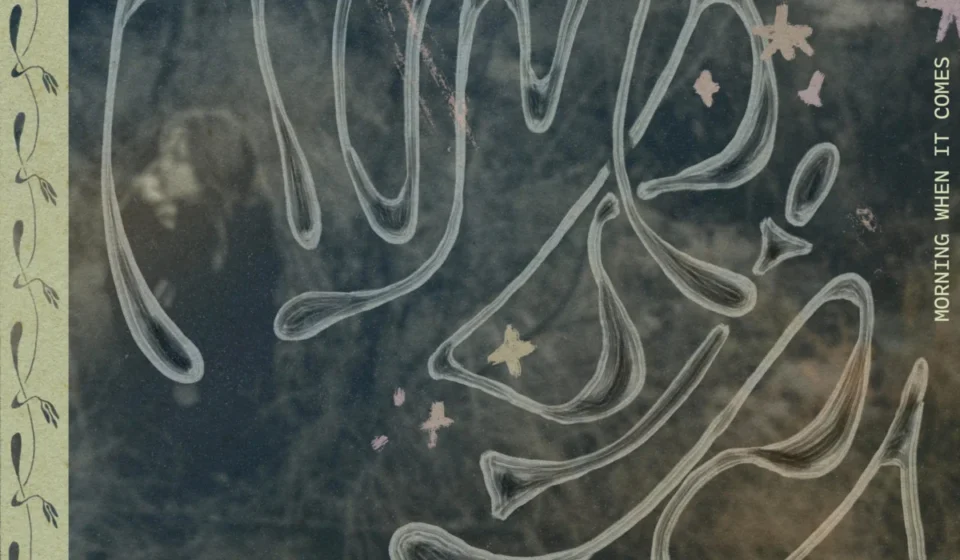
Singer-songwriter Siri Undlin, the creative force behind the moniker Humbird, has long been recognized for her ability to weave the celestial with the terrestrial. Her music occupies a rare space where the vastness of the cosmos meets the intimate, often agonizing, contours of the human psyche. With her latest album, Morning When it Comes, Undlin offers perhaps her most vulnerable work to date, transforming a period of profound physical and mental collapse into a tapestry of grooving beats, rhythmic melodies, and profound, secular spirituality.
As she prepares to bring this new body of work to the Fine Line in downtown Minneapolis on November 13, the release serves as more than just a musical milestone; it acts as a testament to the necessity of rest, the power of artistic reframing, and the quiet beauty of a life reclaimed.
The Breaking Point: A Chronology of a Crisis
The origins of Morning When it Comes are rooted in a winter of discontent that arrived at the end of 2023. At the time, Undlin was operating at a pace that had become unsustainable. Over the course of that year, she had committed to a grueling schedule, cramming 100 days of touring into a 12-month span while splitting her residency between La Crosse, Wisconsin, and the Twin Cities.
The exhaustion finally culminated on New Year’s Eve, a night meant for celebration but which became the backdrop for a severe mental health crisis. While her family gathered downstairs, filled with the buoyant energy of the holiday, Undlin found herself isolated in an upstairs room, incapacitated by waves of nausea and persistent, debilitating panic attacks.
“They were singing all these New Year’s Eve songs,” Undlin recalled, describing the jarring contrast between her internal state and the festive environment below. “Madonna was blasting. It was a full-on party, and they were having so much fun.”
Unable to join the festivities, Undlin turned to the only tool she had left to process the experience: songwriting. The resulting track, "12 Month Ringer," stands as a centerpiece of the new album. Despite the darkness of its origin, the song is paradoxically upbeat, possessing a country-tinged rhythm that offers a form of sonic redemption.
“I wrote that song because I literally couldn’t do anything else,” she explained. By adopting a self-deprecating, almost cheerful tone in the chorus—singing lines like, “Doin’ my best, badly” and “Gave it my all, sadly”—Undlin was able to sculpt her suffering into something cathartic. “It was a fun redemption for a very dark moment, which is something really cool you can do with songs. You get to take these moments from your life and sculpt them.”

The Shift: Prioritizing Wellness and Geography
The events of that New Year’s Eve served as a wake-up call that prompted significant lifestyle changes. Recognizing that her "hybrid" living arrangement between La Crosse and Minneapolis was leaving her ungrounded, Undlin made the difficult decision to prioritize her well-being over the frantic momentum of her career.
She moved to Eau Claire full-time, a city whose artistic community she had been connected to for over a decade. “When I first left the Twin Cities, I was like, ‘I’m going to do hybrid. I’ll live in both places,’” she said. “That didn’t work for me. My family and my bandmates are in Minneapolis, and I go there pretty often, but I’m not trying to be an active member in a day-to-day way in both communities.”
This geographic stabilization has allowed her to integrate into the Eau Claire scene more deeply, citing its tendency to “punch above its weight” in terms of artistic output. Furthermore, the move allowed her to immerse herself in nature, a constant presence in her songwriting. Her lyrics often meditate on the stars and the woods, serving as a grounding mechanism. In “Hey Big Dipper,” she uses the constellation as a navigational metaphor for life, explaining, “The Big Dipper is a very grounding constellation. If I got eyes on that Big Dipper, I know which way is north, and I can find other things from that constellation.”
The Theology of the Secular
A self-described "Preacher’s Kid" (PK), Undlin’s upbringing in the church continues to inform her artistic output, even as she has moved away from the dogma of her youth. She characterizes her songs as "secular hymns"—music designed to evoke the ineffable or the transcendent without relying on religious frameworks.
“Even though I left the church a long time ago, I do still witness and appreciate the way that music can inspire emotive experiences in the performers or in the audience that feel ineffable or transcendent,” she noted.
This interest in the "mystery" of existence is a family trait. Despite her departure from organized Christianity, she maintains a close relationship with her family, whom she describes as "pretty chill" and always open to discussing spirituality and the human condition. In the title track, "Morning When it Comes," she addresses her agnosticism directly with a nuanced honesty: “I left the pew / But I still pray / I bow my head and my voice to say / Here’s the morning when it comes.”
The song concludes with a list of creatures—from “winged things” to “claws and the burs”—all receiving a “Glory be.” It is a practice of inclusion and observation that Undlin continues to refine even after the recording process. "I don’t think that songs are finished when they’re recorded," she said. "You can always keep working on them."

Supporting Data: The Practicality of Artistry
While the emotional stakes of the album are high, the logistical reality of the Humbird tour reflects a newfound commitment to longevity. The current fall tour, which hits Wisconsin, Illinois, and Indiana, is notably smaller in scale than her previous outings. This moderation is a direct result of her therapy and her commitment to her mental health.
Her process for creating these songs is equally organic. Undlin often hums melodies to herself while in motion, describing the process as almost "compulsive." She keeps a notebook at hand, capturing phrases that sound "cool together." When she enters the studio or a rehearsal space with her bandmates, there is a playful, improvisational energy.
“I feel like music is floating around, and anyone can tap into it at any point,” she said. “It kind of depends on your preferences and your willingness to sound silly because most things sound silly at the beginning.”
Implications: The Art of Living Consciously
The deeper implications of Morning When it Comes lie in its pushback against the pressures of modern life. In “Daughter of Empire,” Undlin quotes the poet Mary Oliver, singing, “Sun sets like a dull knife / On my wild and precious life.” The juxtaposition between the "dull knife" of economic and societal demands and the "wild and precious" nature of existence captures the central tension of the album.
Undlin is not just singing about her own struggles; she is singing about the responsibility of living consciously in a world that often demands we prioritize productivity over our humanity. By turning her personal crisis into a public performance of levity and grace, she provides a roadmap for listeners struggling with their own burdens.
As Humbird takes the stage at the Fine Line, the performance promises to be a reflection of this transition—from the ungrounded, chaotic pace of a touring musician to a more intentional, nature-attuned existence. For those in attendance, it will be an opportunity to witness how the most difficult, "dark" moments of life can be, with enough time and artistic effort, transformed into something that feels like the rising sun.
Event Details:
- Artist: Humbird (with opening act Bad Posture Club)
- Date: Friday, November 13, 8:00 p.m.
- Venue: The Fine Line, 318 1st Avenue N., Minneapolis
- Tickets: $28.37 available via the First Avenue website.