


























































Canadians do winter better than perhaps any other nation on Earth, but there is a specific brand of northern magic that defines the experience in Thunder Bay. Nestled on the rugged northwestern shore of Lake Superior, this city has mastered the art of balancing high-octane outdoor adventure with a sophisticated, cozy urban culture. It is a destination that proves winter isn’t something to be endured, but something to be actively embraced.
With two distinct downhill ski areas, a pair of world-class Nordic centres, and an iconic waterfront skating scene, Thunder Bay offers a comprehensive winter package that is as accessible as it is exhilarating. When you pair these natural assets with an emerging culinary scene that ranges from historic local delicacies to modern farm-to-table dining, you have a destination that warrants a spot on any winter traveler’s bucket list.
Main Facts: The Logistics of a Northern Getaway
Thunder Bay stands out as Northern Ontario’s most convenient winter escape, primarily due to its infrastructure. The city is serviced by direct flights from major Canadian hubs, and for those driving from the United States, the international border crossing is a mere hour away.
The city’s geography is dominated by its relationship with the world’s largest freshwater lake. This proximity creates a dramatic backdrop of snow-dusted boreal forests and the imposing silhouette of the Sleeping Giant—a series of mesas that, according to Ojibwe legend, represents the spirit Nanabijou.

Key Attractions at a Glance:
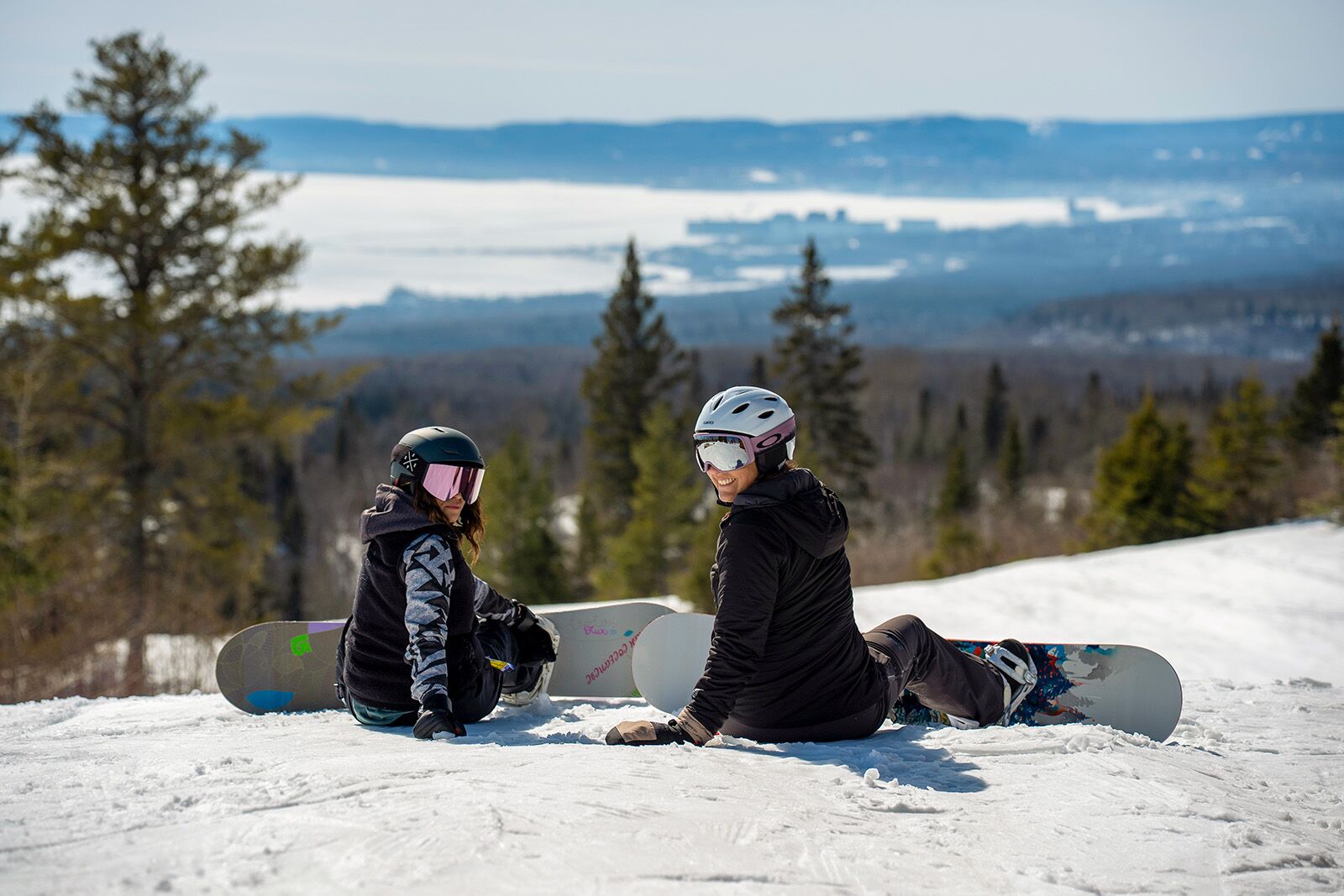
- Downhill Skiing: Mount Baldy (family-focused) and Loch Lomond (the region’s vertical leader at 229 metres).
- Nordic Centres: Kamview (30km of groomed trails) and Lappe (saunas and authentic Finnish pancakes).
- Urban Skating: Prince Arthur’s Landing, featuring an outdoor fireplace and panoramic lake views.
- Historical Depth: Fort William Historical Park, one of North America’s largest living history museums.
Chronology of a Perfect Winter Weekend
To truly appreciate the "Thunder Bay rhythm," one must balance the adrenaline of the slopes with the slow, deliberate pace of Northern Ontario’s social life.
Day One: The Alpine Rush
Begin your trip at Loch Lomond Ski Hill. Situated just 10 minutes from the downtown core, this is the place to test your mettle on its 229-metre vertical drop. The facility caters to all skill levels, but it is the après-ski culture in the cozy chalet that truly sets the tone for your stay. As the sun begins to set, transition into the city for a taste of local culture. Stop by The Persian Man to try a "Persian"—a local culinary icon consisting of a fried cinnamon dough pastry slathered in pink, berry-flavored icing. Cap off the evening at a local craft brewery like Dawson Trail, where you can trade the cold for vintage arcade games and a flight of seasonal ales.
Day Two: Nordic Traditions and Waterfront Living
Dedicate your second morning to the Kamview Nordic Centre. Whether you are a classic cross-country skier or a snowshoer, the 30 kilometres of groomed trails offer a serene immersion into the snow-laden wilderness. Don’t forget to visit the café for their legendary massive chocolate chip cookies. In the afternoon, head to the Prince Arthur’s Landing waterfront. Here, the ice rink provides a quintessential Canadian experience: skating under the watchful eye of the Sleeping Giant. Finish your day with a dinner at Tomlin, where the seasonal menu reflects the region’s culinary ambition, offering dishes like braised lamb shank or pistachio Basque cheesecake.
Day Three: Living History and The Road East
Before departing, immerse yourself in the 19th century at Fort William Historical Park. This site is not merely a museum; it is a sprawling recreation of the North West Company’s inland headquarters. For those with a spirit of adventure, point your vehicle east toward Marathon. This three-and-a-half-hour drive along the Trans-Canada Highway is a highlight reel of Canadian geography, passing over the mighty Nipigon River Bridge and offering endless opportunities for roadside photography.
Supporting Data: Why the Infrastructure Matters
The viability of Thunder Bay as a destination rests on its specialized infrastructure. Unlike many regions that treat winter sports as an afterthought, Thunder Bay treats them as a primary industry.
- Trail Diversity: Between the two major Nordic centres (Kamview and Lappe), there are over 44 kilometres of groomed trails. The addition of night skiing at Lappe and Mount Baldy demonstrates a commitment to maximizing limited daylight hours.
- Economic Impact of Tourism: The conversion of historic buildings, such as the 1924-built Courthouse Hotel, into modern boutique accommodations illustrates a deliberate strategy of "heritage tourism." The Courthouse Hotel, with its repurposed courtroom-turned-ballroom, offers a unique value proposition that differentiates Thunder Bay from generic hotel chains.
- Accessibility: The proximity of both Mount Baldy and Loch Lomond to the city centre means that visitors spend less time commuting and more time on the snow. This "easy-to-reach" package is a major driver for weekend tourism from both Ontario and the American Midwest.
Official Perspectives: A Regional Strategy
Local tourism boards, including Destination Ontario and Superior Country, emphasize that the appeal of the region lies in its "authentic" nature. Unlike the manufactured resorts of the south, Thunder Bay offers a rugged, unpolished, and deeply sincere experience.
"We aren’t just selling a ski trip," says one local tourism representative. "We are selling the experience of the Boreal forest, the quiet of the Lake Superior shoreline, and the warmth of a community that has spent centuries perfecting the art of living through the winter."
The city’s investment in the Waterfront District—specifically the transformation of the marina—has been central to this strategy. By providing a public space where citizens and visitors can engage with the lake in the middle of January, the city has successfully moved from being a "drive-through" destination to a "stay-over" destination.

Implications: The Future of Northern Tourism
The growing popularity of Thunder Bay suggests a shift in how Canadians view the "off-season." There is a rising trend in experiential travel where the climate is viewed as an asset rather than a liability.
Environmental and Social Implications
- Sustainability: The focus on Nordic skiing and snowshoeing at sites like the Marathon Cross-Country Ski and Snowshoe Club highlights a low-impact form of tourism. These activities rely on natural snowfall and existing terrain, requiring minimal energy-intensive infrastructure compared to massive mountain resorts.
- Community Cohesion: Events like the Voyageur Winter Carnival and the various New Year’s Eve celebrations at Fort William Historical Park foster a sense of community that is vital for the region’s social health during the long winter months. These events act as a "social glue," bringing residents and tourists together.
- The "Slow Travel" Movement: The ability to base oneself in Thunder Bay while taking day trips to places like Sleeping Giant Provincial Park or the town of Marathon promotes a "hub-and-spoke" model of tourism. This keeps the economic benefits concentrated in the city while allowing for diverse explorations of the surrounding wilderness.
Final Reflections
As travelers become increasingly weary of crowded, commercialized ski resorts, the quiet, wide-open expanses of Northern Ontario offer a compelling alternative. Thunder Bay does not attempt to be a world-class resort in the alpine sense; it is something better. It is a functional, beautiful, and deeply historic city that provides a gateway to the raw, untamed reality of the Canadian Shield.
Whether you are seeking the thrill of a 229-metre drop, the quiet solitude of a boreal forest trail, or the warmth of a local brewery after a day in the frost, Thunder Bay delivers. It is a destination that demands you slow down, bundle up, and find the beauty in the ice. In a world that is constantly accelerating, a weekend in Thunder Bay is a reminder of the quiet, bracing power of a Canadian winter done right.