























































The Convergence Era: Why Googlebook OS Could Be the Catalyst for a Unified Computing Future

Main Facts: The Emergence of Googlebook
In the rapidly shifting landscape of mobile and desktop computing, Google has quietly introduced a new paradigm: the "Googlebook." Based on a specialized iteration of Android 17, the Googlebook represents a hybrid attempt to bridge the gap between the productivity-focused world of ChromeOS and the versatile, touch-friendly ecosystem of Android.
Currently, the user experience is defined by a distinct "awkward start." While the hardware—exemplified by the Lenovo Googlebook—is sleek and modern, the software remains in a state of transition. For power users accustomed to the efficiency of traditional laptops, the Googlebook presents as a "square-peg" solution. Yet, beneath this friction lies a compelling, albeit nascent, vision: a platform that treats the large-screen desktop environment not as a secondary concern, but as a primary, native home for Android applications.
Chronology: From Honeycomb to the Googlebook
To understand the significance of the Googlebook, one must look back at the erratic history of Google’s tablet strategy.
- 2011 (Android Honeycomb): Google introduced Android 3.0, specifically designed for tablets. It featured a distinct UI, but the fragmentation between phone and tablet layouts hindered developer adoption.
- 2012–2020 (The "Lost Years"): Google’s commitment to the tablet form factor wavered. While iPads dominated the creative and professional space, Android tablets were relegated to budget-friendly media consumption devices, lacking a cohesive productivity identity.
- 2022–2024 (The Foldable Pivot): The rise of foldable devices forced Google to rethink large-screen interfaces. Taskbars, multi-window support, and split-screen multitasking began to return to the Android core.
- 2026 (The Googlebook Launch): Google merges these learnings into "Googlebook OS." This platform integrates ChromeOS-like browser capabilities with a full Android backend, signaling the end of the strict divide between the two operating systems.
Supporting Data: Bridging the Desktop-Mobile Divide
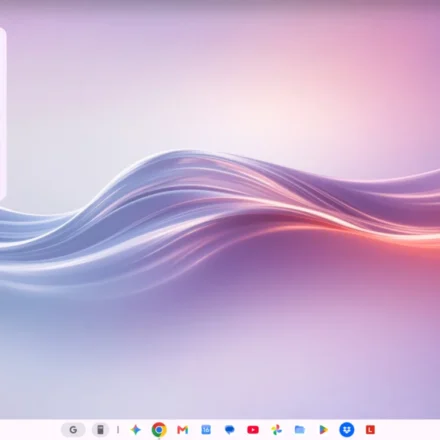
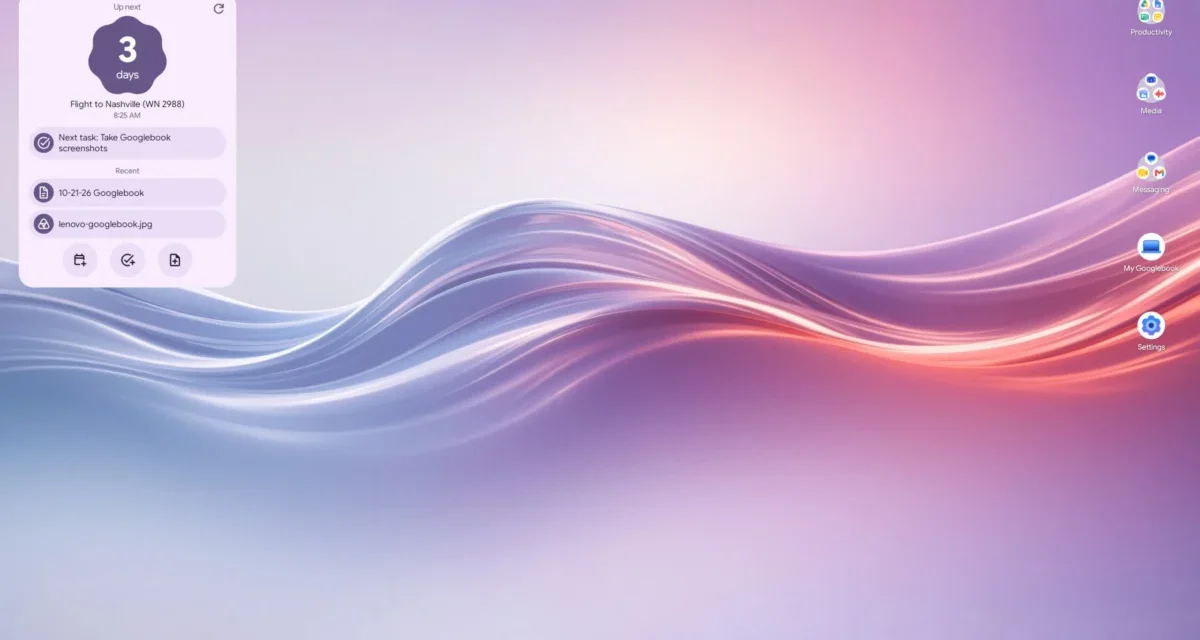
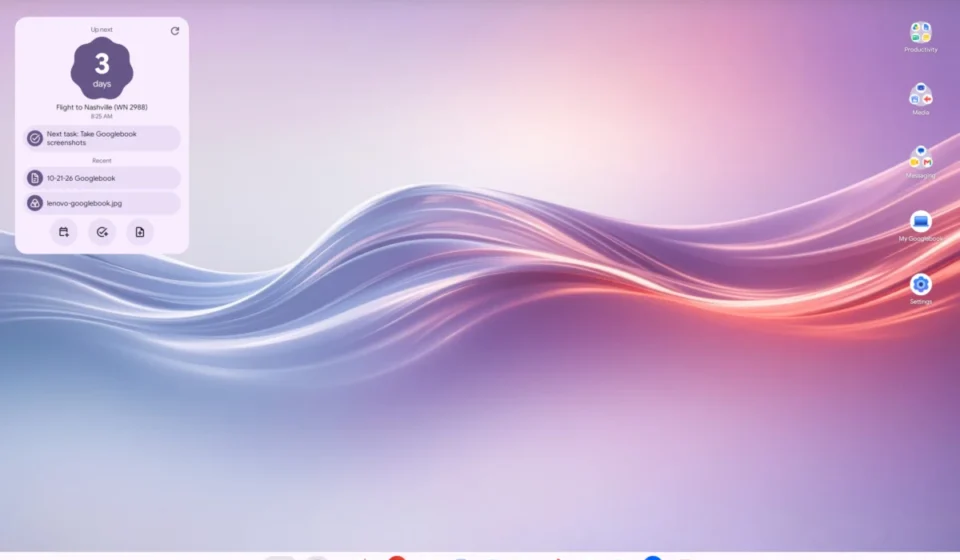
The core argument for the Googlebook lies in its interface design, which borrows heavily from recent breakthroughs in foldable technology. The placement of the clock in the upper-left corner, the split-pane notification shade, and the persistent desktop-style taskbar are not merely aesthetic choices; they are structural adaptations that make a 13-inch or 15-inch screen feel "natural."
Data points from early editorial assessments suggest that while professional workflows (coding, high-end video editing, complex spreadsheets) remain superior on traditional Windows or macOS systems, the Googlebook excels in "companion" productivity. Users are finding that for 80% of daily tasks—email, communication, research, and cloud-based document management—the Android-on-laptop experience is becoming increasingly viable.

Furthermore, the integration of "phone-connecting powers" allows the Googlebook to act as a seamless extension of the user’s smartphone. By leveraging the low-latency communication protocols developed for the Pixel ecosystem, the Googlebook can mirror notifications, sync clipboard data, and manage device tasks with a degree of friction-less interaction that traditional laptops struggle to replicate.
Official Responses and Industry Context
Google has remained characteristically guarded regarding the long-term roadmap for Googlebook OS, framing it currently as an "evolutionary step" rather than a platform replacement. However, insiders suggest that the move is part of a broader "Project Unified Slate."
Industry analysts point out that Google is attempting to solve the "productivity paradox." For years, Android developers have struggled to build apps that scale effectively across devices. By creating a standardized "Googlebook" interface, the company is effectively forcing a standard for desktop-class Android apps. If Google succeeds in incentivizing developers to build for this specific form factor, it could finally solve the "app gap" that has plagued Android tablets since their inception.
Implications: The Future of the "Googlebook" Ecosystem
If the Googlebook project is successful, the implications for the broader tech ecosystem are profound. We are potentially looking at three major shifts in the industry:
1. The Death of the "Android Tablet" as We Know It
The traditional Android tablet—a device that is neither a phone nor a laptop—has always occupied an awkward middle ground. By pivoting toward "Googlebook Tablets," Google could rebrand the entire category. A tablet that runs a desktop-caliber browser, supports a snap-on keyboard, and maintains a seamless sync with a phone becomes a much more attractive proposition for the enterprise and education markets. It provides the portability of a tablet with the functional utility of a light-duty laptop.

2. The Path to the "Googlebook Phone"
The most mind-bending implication is the eventual convergence of the phone and the desktop. If the OS powering a laptop is fundamentally the same as the one on a phone, we are approaching a "Matrix-like" state of computing. Imagine a future where your phone, when docked or wirelessly connected to a monitor, transforms into a full Googlebook interface. This isn’t a new concept—Samsung DeX attempted it years ago—but it is the first time the foundational OS is being built from the ground up to support this transition universally.
3. Redefining Productivity
For years, "productivity" has been synonymous with "desktop." The Googlebook challenges this by asking whether the desktop is the right interface for modern work. As more enterprise applications migrate to the web, the requirement for a heavy, complex OS like Windows decreases. A lightweight, web-centric, Android-powered environment could be the future of the modern, mobile-first workforce.
Conclusion: A Calculated Gamble
Google is playing a long game. The Googlebook is currently an imperfect product, but it is a necessary experiment. By placing a "desktop-first" version of Android into the hands of early adopters, the company is gathering the telemetry and user feedback required to iterate on the next generation of computing.
If the company plays its cards right—ensuring robust software support, incentivizing developers to optimize for large screens, and maintaining the seamless continuity between devices—the Googlebook could evolve from an "awkward beginning" into the definitive platform for the next decade of personal and professional computing. The lines between our mobile lives and our desktop work are blurring; the Googlebook is simply the first device to admit that the wall between them is finally coming down.