






















































The vast, sun-baked expanses of asphalt that define the modern American landscape are undergoing a quiet, necessary evolution. For decades, the ubiquitous black parking lot has served as a functional necessity of urban infrastructure, yet these massive surfaces have become synonymous with two of the most pressing environmental challenges of our time: the "urban heat island" effect and catastrophic stormwater runoff.
At the Hampton Roads Planning District Commission in Virginia, the staff faced a common dilemma: their aging parking facility was crumbling and required a total overhaul. Rather than settling for a standard repaving job that would simply recreate the same heat-trapping, water-shedding surface, the organization opted for a sustainable redesign. Completed last year, the new lot incorporates porous concrete panels, native landscaping, and recycled materials.
"The rain infiltrates faster than it can puddle and stop on the surface," says Jill Sunderland, the commission’s senior water resources planner. Beyond the hydrologic benefits, the surface temperature difference is palpable. "You notice too, that it’s cooler," Sunderland notes. "You really can tell a difference out there—not to mention it’s just more inviting."
This project is not an isolated experiment. It is part of a growing movement across the United States where municipalities, museums, and private developers are reimagining the role of parking. By integrating permeable materials, shading structures, and, in some cases, reducing parking mandates entirely, these entities are attempting to mitigate the environmental toll of sprawling concrete.
The Heat and the Flood: The Problem with Pavement
The traditional parking lot is a masterpiece of thermal efficiency—if the goal is to store heat. Dark asphalt absorbs solar radiation throughout the day, often pushing local temperatures 20 degrees Fahrenheit higher than surrounding shaded areas. This heat accumulation triggers the urban heat island effect, a phenomenon where cities become significantly warmer than their rural counterparts.
"Warmer neighborhoods often lead to high energy use, as people rely more on air conditioning to stay cool," explains Vincent Cotrone, an extension educator of urban forestry at Pennsylvania State University. "Those AC units then push hot air back outside, creating a feedback loop that exacerbates the problem."
Simultaneously, these impervious surfaces create a public safety hazard during storms. Because asphalt and traditional concrete do not allow water to penetrate the ground, heavy rainfall creates massive sheets of runoff. This water, often laden with automotive pollutants like oil, grease, and heavy metals, is shunted directly into municipal sewer systems or nearby waterways, leading to localized flooding and degraded water quality.

A Chronology of the "De-Paving" Movement
The shift away from traditional asphalt did not happen overnight. It evolved as cities began to grapple with the rising costs of climate adaptation.
- 2016–2020: The Policy Pivot: Cities began re-evaluating their rigid zoning codes. Places like Buffalo, New York; Austin, Texas; and Minneapolis moved to eliminate or reduce "minimum parking requirements," which had historically forced developers to build more parking than was actually needed.
- 2020: Mandatory Resilience: New Orleans took a significant step by requiring the Department of Public Works to prioritize permeable paving in city projects where feasible, signaling a move from voluntary green infrastructure to standardized municipal policy.
- 2023–2024: Scaling Up: Local initiatives, such as Denver’s "dePaving a Greener Denver," began actively identifying underutilized impervious surfaces for conversion into green space.
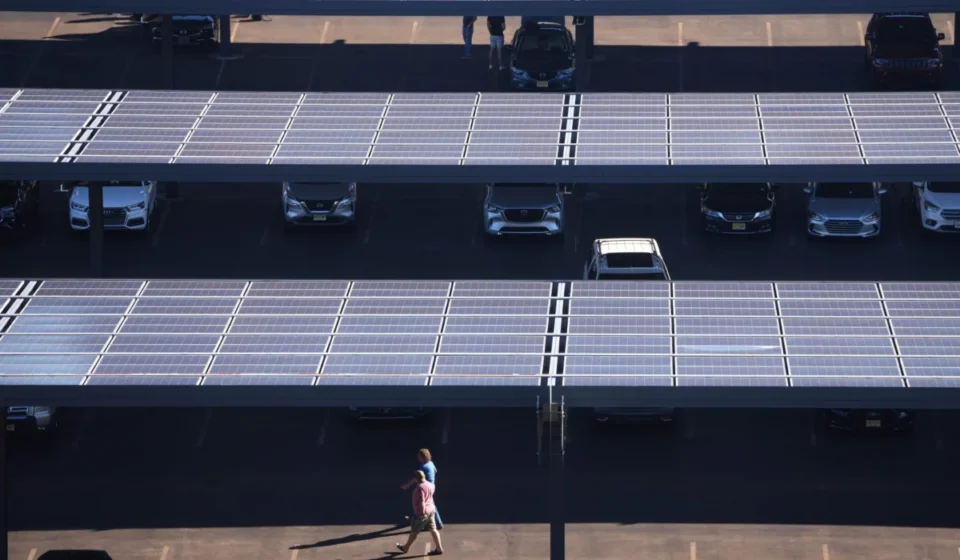
- 2025–Present: The focus has expanded toward "smart surfaces." This includes the deployment of reflective coatings—essentially cooling paint for asphalt—and the integration of solar canopies, which provide shade for vehicles while generating renewable energy.
Data-Driven Solutions
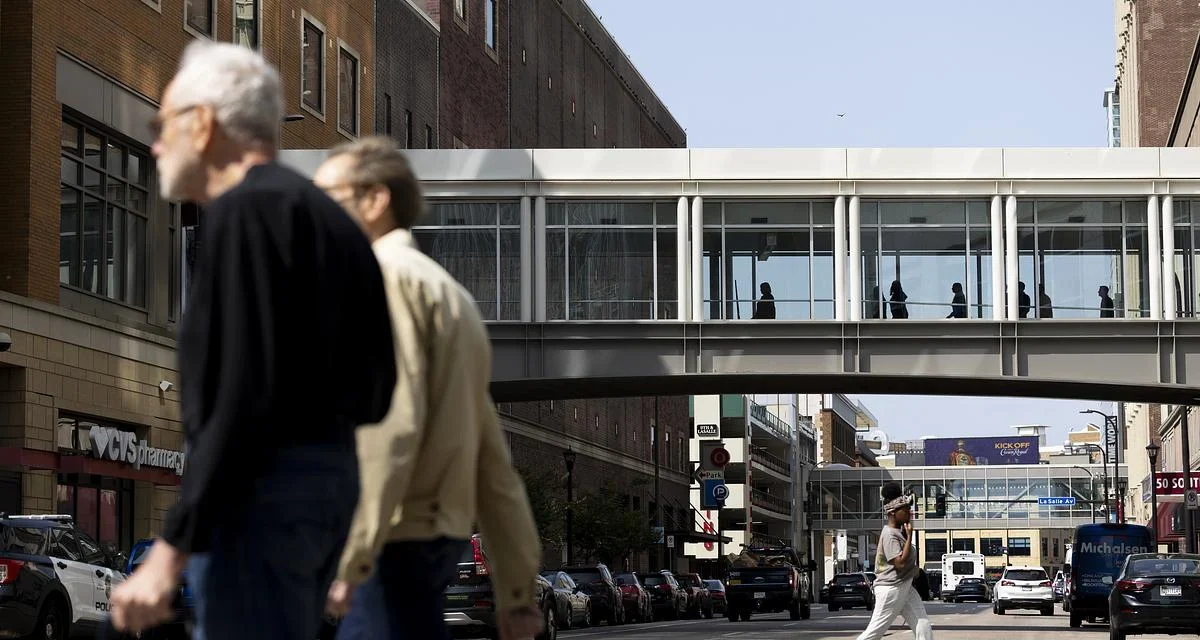
The movement toward sustainable parking is bolstered by the realization that our current inventory of parking is massively inefficient. According to Adam Millard-Ball, a professor of urban planning at UCLA, as much as one-quarter of downtown land in some cities is dedicated to parking. More striking, studies indicate that over a third of these spaces sit empty even during peak times.
For those lots that remain necessary, engineering solutions are becoming more sophisticated:
- Permeable Systems: Lattice pavers, honeycomb structures, and interlocking permeable units allow for water infiltration. These systems are being paired with bioswales—landscaped channels that use soil and native vegetation to filter pollutants out of runoff before it enters the water table.
- Solar Canopies: Beyond shading, these structures offer a dual-use benefit. They lower the surface temperature of the ground while capturing solar energy, providing a return on investment that standard asphalt cannot match.
- Reflective Treatments: Used notably in Los Angeles’ Pacoima neighborhood, specialized coatings increase the albedo of the ground, preventing it from absorbing as much solar radiation.
The Industry Perspective: The Case for Better Asphalt
Despite the momentum toward green alternatives, the traditional asphalt industry maintains that the material remains the most reliable, cost-effective, and durable option for high-traffic environments.
Buzz Powell, technical director at the Asphalt Pavement Alliance, argues that while green alternatives are innovative, they may struggle with the "stresses and strains" of heavy use. "I just think we need to be really, really careful when we put alternative systems in," Powell cautions. "Some things can be really sexy on the front end and look good on paper, but then when you run a trash truck over it, it can’t handle the stresses."
Powell highlights that the industry is not static. He points to advancements in "porous asphalt" and improved mixing materials as ways to make traditional infrastructure more environmentally friendly without sacrificing the longevity that facility managers require. His focus remains on perfecting the lifecycle of the material: "My focus is 100% to make asphalt better—better structural pavement design and better pavement preservation."
The Financial and Policy Implications
The most significant barrier to the widespread adoption of permeable parking remains the upfront cost. Alternative materials and green infrastructure designs are often more expensive to install than a standard asphalt pour.

"If we were going to just repave it with asphalt, we could have done it significantly cheaper," admits Sunderland. However, she argues that a narrow focus on construction costs ignores the "lifetime value" of the project, which includes reduced flood mitigation costs and lower energy bills for nearby buildings.
This creates a "funding gap." As Cotrone notes, while we know how to fix the problem, many municipalities lack the capital to retrofit millions of square feet of aging, heat-trapping pavement. The solution, according to experts like Greg Kats of the Smart Surfaces Coalition, is a more rigorous understanding of the economic benefits.
"The reality is, one city changing their surfaces is just not by itself going to have a big impact," Kats says. "But once cities are able to understand in a rigorous way the scale of the benefits—the avoided costs of flooding, the savings on energy, the health benefits of lower temperatures—it’s kind of intuitive."
Looking Toward a Resilient Future
The future of parking is likely to be a hybrid one. It involves "de-paving" excess lots to create green space, upgrading necessary lots with solar and permeable materials, and—perhaps most importantly—revising the city planning policies that mandated the creation of these "heat islands" in the first place.
At the Newfields art museum in Indianapolis, the strategy was simple: recognize that the overflow lot was only needed 10% of the time. By using recycled plastic grid pavers that allow grass to grow through, the museum created a space that "breathes" while still serving its primary purpose.
"Why should it be asphalt and not breathing and not permeable when you only need to use it 10% of the time?" asks Jonathan Wright, the museum’s director of the garden.
As climate change continues to stress urban infrastructure, the parking lot is transitioning from an afterthought into a critical component of climate resilience. Whether through high-tech solar arrays or simple, nature-based rain gardens, the message is clear: the era of the dark, heat-absorbing, water-shedding blacktop is beginning to fade, replaced by surfaces that serve the city rather than merely occupying its land.