



























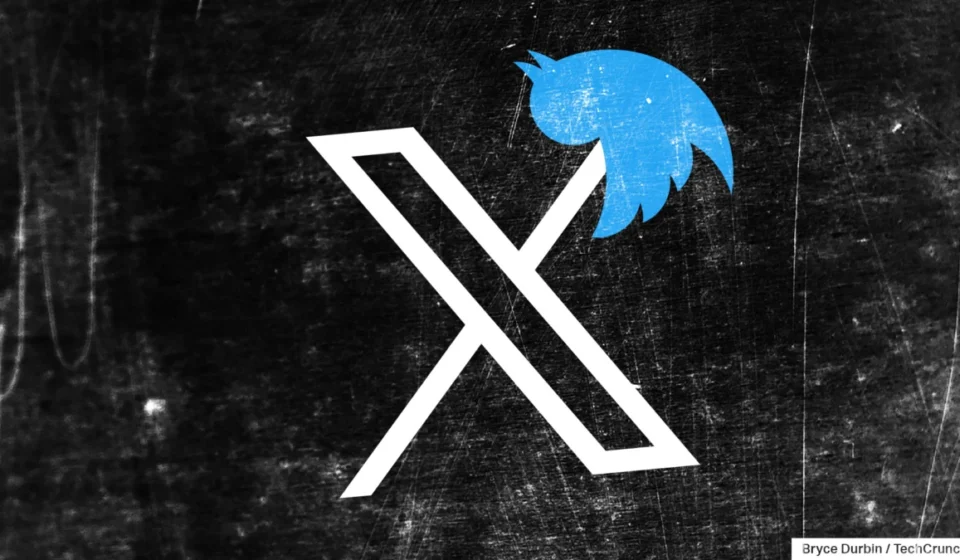

In a landmark legal clash that pits the ambitions of a scrappy startup against the corporate juggernaut of Elon Musk’s X, a federal court in Delaware has issued a split ruling that may forever change the landscape of social media branding. At the heart of the dispute is the question of what happens when a global brand aggressively discards its most iconic intellectual property. As Musk continues his radical transformation of the platform formerly known as Twitter into the all-encompassing "everything app" branded as X, a Virginia-based startup, Operation Bluebird, is betting that the discarded remnants of the old Twitter are worth more than gold.
The Main Facts: A Legal Tug-of-War
The U.S. District Court for the District of Delaware, presided over by Judge Colm F. Connolly, recently delivered a preliminary injunction ruling that has sent shockwaves through the trademark community. The startup, Operation Bluebird, initially attempted to launch under the name "Twitter.now." However, Judge Connolly sided with X Corp., ruling that the core "Twitter" trademark remains firmly under the ownership of Musk’s entity.
Yet, the court’s decision was far from a total victory for the tech billionaire. In a move that legal experts describe as a rare rebuke of a major corporation’s brand management, the judge found that X had likely abandoned two other, highly significant trademarks: the word "tweet" and the legendary Twitter bird logo. Because the court determined that X Corp. has likely discontinued the "bona fide" use of these assets with no clear intention of resuming them, the startup has been granted a narrow window to capitalize on these iconic cultural touchstones.
Following the ruling, Operation Bluebird swiftly rebranded its digital storefront to "Tweet.app," a platform that now carries the mantle of the nomenclature Musk seemingly cast aside.
A Chronology of the "X" Exodus
To understand how a startup found itself in the crosshairs of a federal trademark battle, one must look back at the chaotic timeline of the platform’s rebranding.
- October 2022: Elon Musk acquires Twitter for $44 billion. The platform begins a period of rapid, often disruptive, structural and cultural changes.
- July 2023: In a move that shocked the tech industry, Musk announces the formal death of the "Twitter" brand. The iconic blue bird logo is retired, and the platform is officially renamed "X."
- Late 2025: Operation Bluebird, led by attorneys Michael Peroff and Stephen Coates, begins its campaign to acquire the rights to the "Twitter" moniker and its related legacy assets, asserting that the rebranding constituted an abandonment of property.
- December 2025: Legal proceedings escalate as X Corp. files for a preliminary injunction to halt Operation Bluebird’s efforts, arguing that the startup is engaging in trademark infringement and unfair competition.
- August 2026: The Delaware federal court issues its split ruling, barring the use of "Twitter" but effectively opening the door for the use of "Tweet" and the bird logo, provided the startup can prove the abandonment remains permanent.
The Strategy Behind the Startup
While Operation Bluebird claims to be the vanguard of a new, user-focused social network, industry observers remain skeptical. The leadership team is composed of two lawyers: founder Michael Peroff and Stephen Coates, the latter of whom is a former trademark attorney for Twitter.
Their legal expertise suggests that the formation of the company may be less about engineering a breakthrough social media algorithm and more about a sophisticated play in the intellectual property market. The startup’s own homepage serves as a manifesto of sorts, openly declaring its intention to "pick up what Elon Musk dropped" when he "threw the bird away on his way out."
By charging users a $20 fee to reserve their handles, the startup is essentially crowdsourcing its legal defense fund while capitalizing on the intense nostalgia users still feel for the pre-Musk era of social media. With over 172,000 handle reservations reported, it is clear that the brand identity of "Twitter" still holds significant emotional and cultural weight, even if the corporate entity behind it has moved on to "X."
Supporting Data and User Affinity
The numbers surrounding the launch of Tweet.app provide a compelling narrative of consumer sentiment. Despite the fact that the company cannot use the primary "Twitter" name, the sheer volume of sign-ups suggests that users are yearning for the "town square" experience that the original platform provided.
The $20 reservation fee is a high barrier to entry for a nascent, unproven platform. However, the 172,000 people who have already committed to the service highlight a unique phenomenon: the power of a brand that has been officially "deleted" by its parent company. For these users, the value is not in the functionality of the new app, but in the reclamation of a digital identity they feel was unfairly stripped from them by the platform’s pivot to X.
Official Responses and the "Tweet" Philosophy
In a statement provided to TechCrunch, Stephen Coates, acting as president of Operation Bluebird, articulated the startup’s philosophy on why the name "tweet" is public domain.
"They kept the word [Twitter]. They let go of the bird, and they let go of the tweet," Coates stated. "A tweet was never a corporation. It’s one person saying something. That word survived three years of a company trying to replace it, because the public declined to stop using it. We think that tells you who it belongs to."
This argument rests on the linguistic evolution of the term. Even after X rebranded, the public continued to refer to posts as "tweets" and the act of posting as "tweeting." By arguing that the word has entered the common vernacular as a utility rather than a proprietary corporate term, Coates and Peroff are attempting to establish a precedent for "cultural abandonment" in trademark law.
The Broader Implications: What’s Next?
The ongoing case in Delaware is far from resolved. The preliminary injunction was only the first skirmish in a much longer war. The court must now conduct a deeper investigation into whether X Corp. truly intends to keep the "Tweet" and bird trademarks dormant, or if it plans to revitalize them in the future to protect its brand ecosystem.
If the court ultimately rules in favor of Operation Bluebird, it could set a massive precedent for the tech industry. It would suggest that corporations cannot simply "park" or abandon intellectual property that has become culturally ubiquitous without risking the loss of those assets to third parties. For major tech conglomerates, this creates a significant risk: the next time a CEO decides to pivot away from an iconic brand, they may find themselves legally obligated to either continue using the old marks or risk losing them to competitors who are more than happy to pick them up.
For now, the legal world and the tech industry alike will be watching Delaware closely. Whether Tweet.app succeeds as a social network is almost secondary to the legal drama unfolding in the courtroom. The case is a stark reminder that in the age of digital transformation, a company’s most valuable assets—its name, its logos, and its linguistic footprint—are not just corporate property; they are, to some extent, public property, forged by the very users who made them famous in the first place.
As the case moves toward a final determination, the question remains: Can a startup truly resurrect a ghost, or is it simply profiting from the wreckage of a digital empire? For the 172,000 users waiting to reclaim their digital handles, the answer may not matter as much as the hope that, in some small way, the blue bird might fly again.