




















































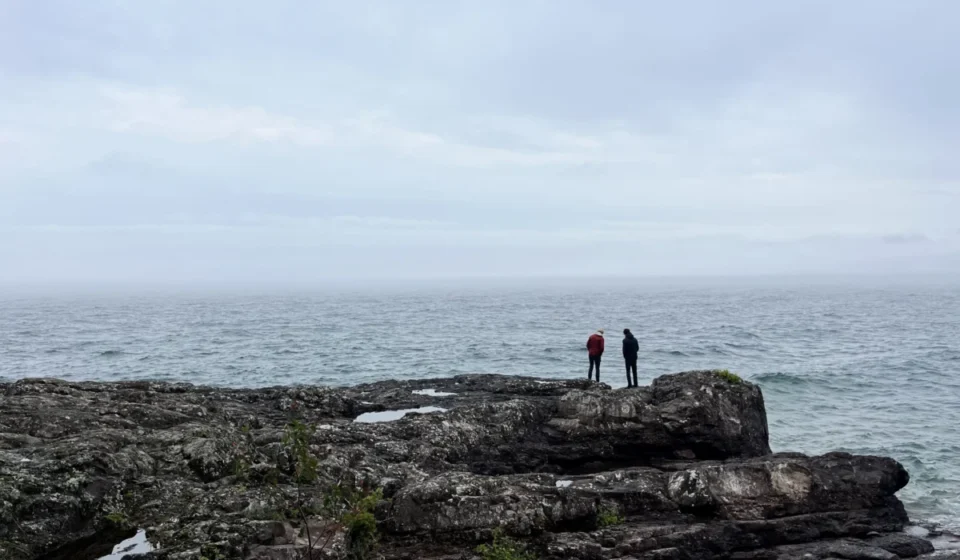

The North Shore of Lake Superior is often defined by its rugged, elemental majesty—the 1.1-billion-year-old volcanic cliffs, the relentless churn of the inland sea, and the dense, resilient forests that cling to the shoreline. Yet, at Sugarloaf Cove, a nature preserve located 45 miles north of Two Harbors, the landscape tells a story not just of geological time, but of human restoration. This July, that narrative is being amplified through a unique artistic lens as the Sugarloaf Cove Nature Center celebrates its grand re-opening, featuring new, immersive audio installations by Minneapolis-based artist and therapist Diver Van Avery.
The Intersection of Memory and Landscape
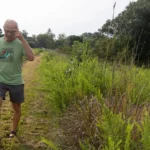
For Diver Van Avery, Sugarloaf Cove represents a sanctuary that evolved alongside them. Raised in the Twin Cities with limited exposure to the wilderness, Van Avery discovered the North Shore as a teenager. The preserve, which served as an industrial log storage facility for decades, bears the scars of its past.
"You learn right away when you’re there that it used to be clear-cut," Van Avery explains. "It has—really in our lifetimes—come to be this forested place that feels wild. My little ecological-minded soul always felt touched by it."
This tension between the industrial past and the ecological present serves as the thematic bedrock for Van Avery’s latest work. As a public artist and licensed therapist, Van Avery specializes in creating experiences that bridge the gap between human interiority and the exterior environment. Their work, which includes community-focused projects like "Poetry and Pie" in Minneapolis and the mobile writing studio known as the "Poetry Mobile," is defined by a desire to make art accessible, intimate, and deeply grounded in its specific location.
Chronology: From Industrial Site to Sanctuary
To understand the significance of the upcoming July 11th re-opening, one must look at the long trajectory of the site. The land, originally obtained by the U.S. government from the Ojibwe through the 1854 Treaty of La Pointe, has transitioned through multiple identities.
- Pre-20th Century: The area served as part of the ancestral and treaty lands of the Ojibwe people.
- Industrial Era: During the peak of the North Shore timber industry, Sugarloaf Cove was utilized as an industrial log storage facility, resulting in significant clear-cutting of the old-growth forest.
- Restoration Period: Following the cessation of industrial activity, the site began a decades-long process of natural and assisted reforestation.
- 2021: The preserve solidified its reputation as a hub for environmental art by hosting artist Sean Connaughty, who installed "giant round nests" across the property in partnership with the Grand Marais Art Colony.
- 2024: Van Avery premiered their first audio installation, "The Seeker," which addressed themes of climate anxiety and personal grief, establishing a creative partnership with the site’s stewards.
- July 11, 2026: The grand re-opening of the renovated Nature Center, debuting two new audio installations, "The Successors" and "The Beholder."
The Science and Stewardship of Sugarloaf
The Sugarloaf Cove Nature Center is currently managed by Sugarloaf: The North Shore Stewardship Association, a nonprofit dedicated to the preservation of the site’s unique ecology. While the Minnesota Department of Natural Resources holds the title to the protected beachfront, the daily operations and educational programming are led by the association.
The site is a geological treasure trove. Visitors walking the trails can encounter pebbles dating back 2.7 billion years, alongside volcanic rock formations that serve as a testament to the turbulent birth of the Lake Superior basin. This "deep time" perspective is central to the mission of the stewardship association, which seeks to educate visitors on the importance of long-term conservation.
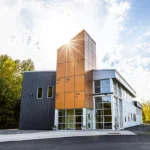
The upcoming re-opening of the Nature Center represents a physical upgrade to this mission. The interior renovation, designed by the renowned firm Split Rock Studios, aims to harmonize the facility with its surroundings. Split Rock Studios is no stranger to such high-profile regional work, having previously contributed to the design of the Bell Museum of Natural History and the Chik-Wauk Museum & Nature Center.
The Art of Listening: New Audio Installations
Van Avery’s decision to utilize audio as their primary medium for the new projects was born from a desire to foster a specific kind of engagement.
"People listening to things through headphones have a unique, solitary experience that is also quite intimate," Van Avery says. "That felt really compelling to me."
For the new installations, Van Avery assembled a team of collaborators to craft soundscapes that encourage mindfulness and reflection:

- "The Successors": Composed and designed by Peter Morrow, this piece features vocals from Theo Langason and Christian Bardin. It focuses on the historical narrative of the site, asking listeners to contemplate the succession of life—from the clear-cut industrial past to the thriving forest of the future.
- "The Beholder": Created with musicians Margot Bassett Silver and Crystal Myslajek, this installation serves as a guided meditation. It is designed to slow the visitor’s pace, encouraging them to notice the minute details of the environment, from the rustle of leaves to the rhythmic lapping of the lake.
Official Perspectives: Why Art Matters in Conservation
Molly Thompson, the executive director of the Sugarloaf Stewardship Association, has been a key proponent of these artistic endeavors. She views the inclusion of art not as a diversion from the science of the preserve, but as a gateway into it.
"It just opens up a whole new audience for us," Thompson notes. "It gets people to enjoy the site and experience nature in a different way than they normally would."
Thompson’s philosophy aligns with a growing trend in land management: the use of "interpretive art" to help visitors form an emotional bond with the landscape. When a visitor stops to listen to a curated audio track, they are more likely to observe the biodiversity around them, notice the geological history of the rocks, and, ultimately, feel a greater responsibility toward the land’s protection.
Implications: The Future of Cultural Landscapes
The convergence of art and ecology at Sugarloaf Cove raises important questions about the role of nature centers in the 21st century. As climate change continues to alter ecosystems, the emotional and psychological connection between humans and the natural world becomes increasingly vital.
By integrating audio art into the preserve, Sugarloaf is not merely providing a scenic view; it is providing a therapeutic and educational experience. This model—where the land is treated as a collaborative space for history, science, and the humanities—offers a blueprint for other nature preserves looking to revitalize their programming.
The logistical setup for the July 11 event highlights the challenges and opportunities of remote land management. Because high-speed internet access is limited on-site, the association is encouraging visitors to download the audio files in advance, blending digital convenience with the necessity of "unplugging" once they arrive.
The day’s festivities, which run from 1:00 p.m. to 4:00 p.m., will include more than just the audio premiere. There will be a nature craft station, a personalized poem station, and a live performance by the trio of Bardin, Langason, and Morrow at 3:00 p.m. It is a celebration of a "scrappy" organization that has successfully leveraged human creativity to highlight the resilience of the natural world.
Conclusion
As the North Shore continues to attract thousands of visitors annually, the work being done at Sugarloaf Cove serves as a vital reminder that nature is not merely a backdrop for tourism. It is a living, breathing history that we are all a part of. Through the efforts of artists like Diver Van Avery and the dedicated staff at Sugarloaf, the message is clear: when we stop to listen, the land has much to tell us.
Whether one is a geologist interested in the 1.1-billion-year-old cliffs, a hiker looking for a moment of peace, or an art lover seeking a new way to experience the outdoors, the re-opening of Sugarloaf Cove offers a unique invitation. It is an invitation to walk the trails with a heightened sense of awareness, to honor the history of the site, and to contribute to the next chapter of its stewardship.
The Sugarloaf Cove Nature Center grand re-opening takes place on Saturday, July 11, at 9096 Hwy. 61, Schroeder. Admission is free, and more information can be found at the Sugarloaf North Shore website.