






















































In a move that signals a seismic shift in the intersection of generative artificial intelligence and the music industry, AI music startup Suno officially unveiled its latest model family, Suno v6, on Wednesday. This launch represents more than a technological leap; it is a calculated effort by the company to transition from a platform built on the shaky ground of unauthorized data to a model of "licensed legitimacy." By leveraging partnerships with major industry powerhouses like Warner Music Group, BMG, and Believe, Suno is attempting to rewrite its narrative while simultaneously navigating a gauntlet of existential legal challenges.
The Technological Evolution: Meet the v6 Family
Suno v6 arrives with a promise of unprecedented control and creative utility. In a significant departure from its architectural roots, the company has explicitly stated that this new model generation was developed entirely independent of the datasets used for its predecessors. This "clean slate" approach is a direct response to accusations of copyright infringement that have dogged the startup since its inception.
The rollout consists of three distinct models, each tailored for specific user needs:
- Suno v6 (Base): Positioned as the primary tool for professional and serious creators, the base model emphasizes reliability and "steerability." It is designed to provide high-fidelity, predictable outputs, making it the flagship for paying subscribers.
- Suno v6 Wild: This experimental iteration is designed for the "chaos" of the creative process. It encourages users to push boundaries and pursue unconventional musical textures, serving as an ideation engine for those seeking unexpected, avant-garde results.
- Suno v6 Mini: Prioritizing speed and accessibility, the "Mini" version is available to all users, including those on the free tier, ensuring that the platform remains an entry point for casual hobbyists.
Beyond these models, the functionality of the platform has been significantly expanded. Suno v6 introduces granular editing capabilities, allowing users to modify specific sections of a song—or even individual words within lyrics—via text prompts. Furthermore, the platform now accepts multimodal inputs, including text, images, and video, as creative "seeds" to guide the composition process. Perhaps most disruptive is the new capability to isolate specific instruments from a sample to build entirely new beats, a feature that brings professional-grade studio remixing into the hands of the layperson.
A Chronology of Conflict and Cooperation
The journey of Suno is marked by a tumultuous timeline of legal skirmishes and strategic pivots.
- 2023–Early 2024: Suno gains rapid momentum as a viral tool for AI-generated music. However, it simultaneously draws the ire of the global music industry, which views its training methodologies as a form of mass-scale copyright infringement.
- Mid-2024: Multiple lawsuits are filed against the company, alleging that Suno’s models were trained on copyrighted recordings without permission or compensation.
- Late 2024: Suno shifts its strategy toward diplomacy. The company reaches a landmark settlement with Warner Music Group, signaling a potential thaw in relations with major labels.
- Early 2025: Suno secures a licensing deal with BMG, further legitimizing its operational model.
- Present Day: The launch of v6 serves as the technological manifestation of these new partnerships, moving the company toward a future where AI and rights holders operate under a mutual revenue-sharing framework.
Data, Infrastructure, and Transparency
The development of v6 has not been without its own controversies. Just one day before the official announcement, Suno made a stunning admission: its models had utilized audio scraped from YouTube to supplement its training data. This disclosure has reignited tensions with labels like Universal Music Group and Sony, who are currently litigating against the company.
Suno’s defense—that it is operating within the bounds of "fair use" and that the complainants lack standing to challenge the ingestion of stream-ripped content—remains a point of fierce contention in courtrooms. Despite these pressures, the company has maintained an aggressive growth trajectory, having secured over $819 million in total funding.
The company is also attempting to address the "wild west" nature of AI-generated content by introducing watermarking technology. This feature is intended to combat streaming fraud and the mass uploading of low-effort, AI-generated tracks to digital service providers (DSPs), which has become a significant headache for labels and distribution platforms alike.
The Corporate Stance: CPO Jack Brody on Revenue Streams
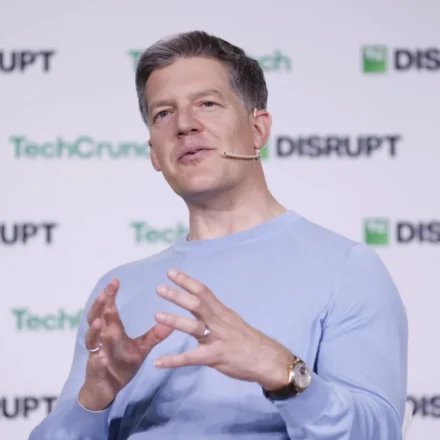
Jack Brody, Suno’s Chief Product Officer, views the friction between AI and the music industry as a temporary hurdle that, once cleared, will unlock massive value for all participants. In an interview with TechCrunch, Brody articulated a vision where AI is not a replacement for human artistry, but a catalyst for new economic activity.
"I think the music ecosystem and our partners are always looking for ways to create more revenue opportunities for their rights holders and artists," Brody explained. "So a big part of this release is creating additional revenue streams there."
Brody’s strategy hinges on a new "opt-in" program. Under this framework, artists can authorize the use of their intellectual property to power new AI-generated features, such as remixing or style-transfer, with revenue funneled back to the original rights holders. By positioning the platform as a collaborative engine rather than a predatory one, Suno hopes to transition from an industry pariah to a vital partner.
Implications for the Music Ecosystem
The launch of Suno v6 and its associated licensing strategy has profound implications for the future of the music industry.
1. The Death of the "Black Box" Training Era
Suno’s pivot to licensed data sets a precedent that the era of "train now, apologize later" is coming to a close. As litigation proceeds, the industry is forcing a transition toward transparent training practices. Companies that fail to secure rights will likely find themselves barred from the mainstream market, as labels pressure distributors to block unauthorized AI content.
2. The Democratization of Remix Culture
By allowing users to isolate instrumentals and manipulate existing audio with text prompts, Suno is effectively decentralizing the studio. This presents both a risk and an opportunity. For artists, it creates a potential revenue stream through licensing their "voice" or "sound" for remixing. For the industry, it risks a further dilution of quality, as the market becomes flooded with AI-generated derivatives.
3. Regulatory and Legal Precedents
The lawsuits involving Sony, UMG, and individual artists like Jason Isbell will define the legal landscape for generative AI for the next decade. If courts rule that training on public data constitutes copyright infringement, Suno’s model of relying on licensed data will have been a survival necessity. If the courts rule in favor of "fair use," Suno will have arguably spent millions on licenses that it might not have strictly required—a gamble on stability over aggressive growth.
4. Managing the "Low Intent" Flood
The influx of AI-generated music on platforms like Spotify and Apple Music has created a "streaming fraud" crisis, where automated bots upload thousands of songs to game royalty algorithms. Suno’s new download limits and watermarking efforts are a tacit acknowledgment that the industry—and the startup itself—must act as a gatekeeper to prevent the total devaluation of the music streaming ecosystem.
Conclusion: A Delicate Balancing Act
Suno finds itself at a precarious crossroads. On one hand, it is pushing the boundaries of what is musically possible, offering creators tools that were the stuff of science fiction only a few years ago. On the other, it is fighting for its life in courts across the United States.
The release of v6 is an olive branch to the industry, a sophisticated piece of software designed to prove that AI can exist in harmony with the traditional music business. However, whether the labels, the artists, and the legal system will accept this gesture remains to be seen. As Suno continues to iterate on its technology, the company’s success will ultimately depend not on its ability to generate the perfect beat, but on its ability to negotiate a place for itself within the complex, centuries-old framework of music copyright.
As of now, the industry is watching closely. The "Suno experiment" is no longer just about generating songs; it is about determining who owns the future of sound.