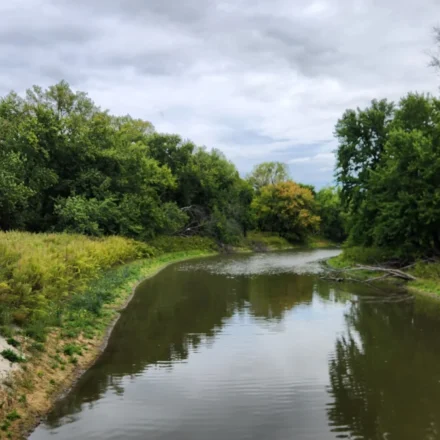






























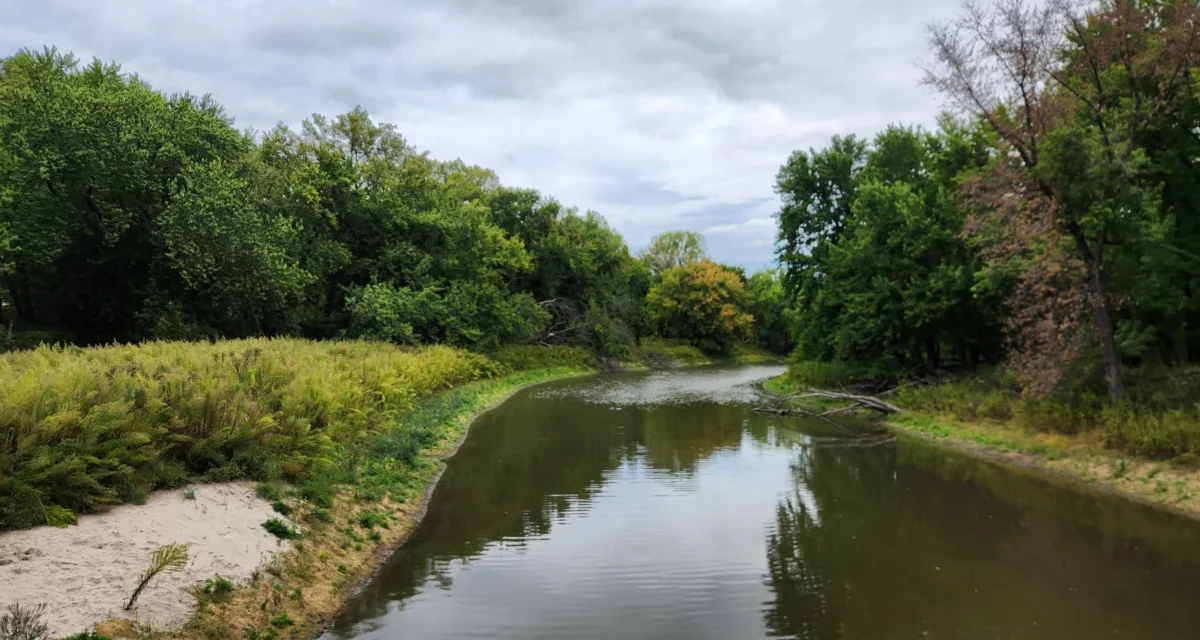





For more than thirty years, the Minnesota River has occupied a paradoxical space in the American environmental consciousness: it is both a vital artery of the state’s agricultural heartland and, by many metrics, one of the most polluted waterways in the United States. While political promises to clean the river date back to the early 1990s, the physical reality of the river remains grim.
Enter the Minnesota River Collaborative (MRC), a loose-knit but highly specialized coalition of engineers, retired lawyers, agency veterans, and environmental advocates. This group has emerged as a persistent, data-driven watchdog, operating not through massive public protests, but through the granular, often exhausting work of tracking ditch drainage projects, filing amicus briefs, and challenging the bureaucratic inertia that has allowed the river’s degradation to persist for generations.
The Generation Gap: A Shared Mission
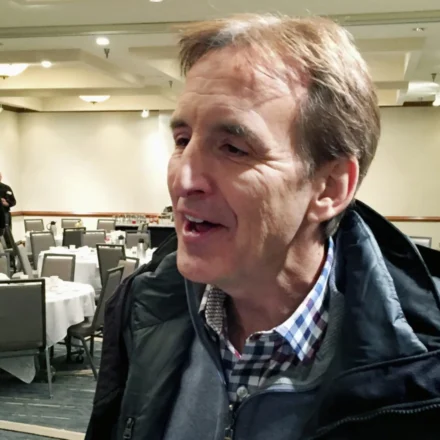
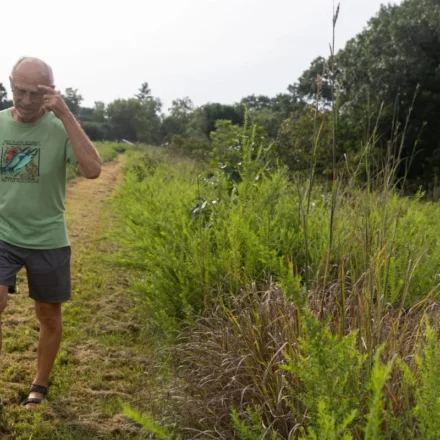
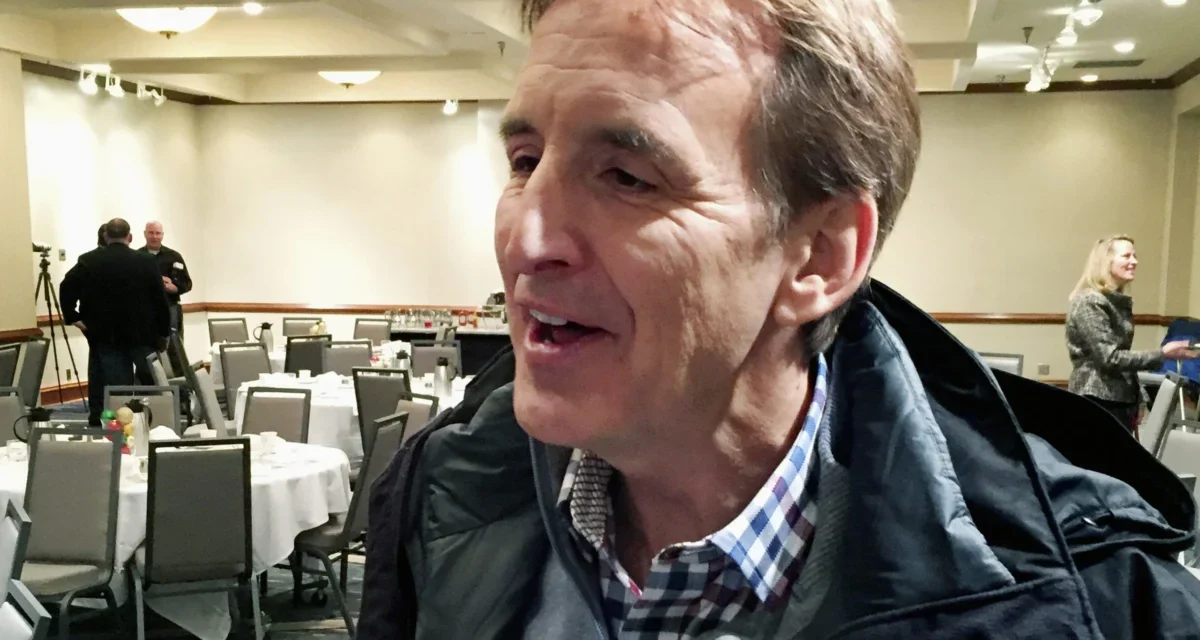
The composition of the MRC reflects the long-term nature of environmental stewardship. At one end of the spectrum is 84-year-old David Minge, a former judge and U.S. Congressman who represented western Minnesota when the initial push for water quality reform began in 1992. At the other is 31-year-old Tom Crawford, an activist with the Friends of the Minnesota Valley and the Izaak Walton League.
"We’ve moved the needle within the DNR," Crawford says, noting that while the generational divide is stark, the mission is singular. The group, numbering around 50 active participants, leverages a specialized skill set that most grassroots organizations lack. With nearly a dozen retired engineers and several attorneys in their ranks, the MRC does not merely complain about pollution; they analyze engineering reports and drainage math with a level of technical sophistication that forces state agencies to pay attention.
A Chronology of Neglect and Activism
The struggle for the Minnesota River is not new, but the tools of the conflict have evolved.
- 1992: Governor Arne Carlson declares a formal goal to improve water quality in the Minnesota River. Despite the high-profile nature of the announcement, substantive progress remains elusive over the next three decades.
- Early 2000s–2010s: The "fire hose" effect intensifies. As climate change brings more frequent and intense rain events, the combination of widespread agricultural tile drainage and historical landscape alteration turns the river into a massive conveyor belt for sediment and agricultural runoff.
- 2020–2024: The Minnesota River Collaborative begins its current phase of high-level oversight. The group formalizes its weekly virtual meetings and monthly consultations with the Minnesota Department of Natural Resources (DNR).
- 2025: Legal battles over the regulatory authority of the Minnesota Pollution Control Agency (MPCA) escalate. A Ramsey County District Court judge rules that the MPCA lacks the authority to regulate agricultural drainage systems as "point sources," a decision currently being challenged by environmental advocates.
The Science of Sediment: The "Fire Hose" Effect
The primary challenge facing the Minnesota River is not merely chemical, but structural. The river is the largest source of sediment to the Upper Mississippi. This is largely the result of "altered hydrology."
Pre-settlement landscapes in the basin were defined by wetlands and prairie grasses that acted as natural sponges. Today, the landscape is dominated by roughly 100,000 miles of private, largely unmapped, and unregulated subsurface drain tiles. These systems allow water to exit agricultural fields almost instantly after a rainfall. When this massive volume of water hits the river, it doesn’t flow—it scours.
"The more water that flows into the river, the more erosive the river becomes," Crawford explains. The soft, sandy banks of the Minnesota are literally chewed away by the high-velocity torrents, sending tons of sediment and fertilizer downstream. This nutrient loading—specifically nitrogen and phosphorus—feeds the algae blooms that contribute to the massive, low-oxygen "dead zone" in the Gulf of Mexico.
Data as a Weapon: The MRC’s Methodology
Unlike groups that focus on surface-level best management practices—such as planting grass buffers or creating small water storage areas—the MRC operates at a "high level." They are concerned with the systemic approval of drainage projects that fundamentally alter the landscape’s ability to retain water.
Tom Crawford maintains an exhaustive, public-facing spreadsheet that acts as a ledger of the state’s drainage activity. The document tracks 17 major drainage projects across 11 counties, recording engineering reports, project timelines, and the specific comments submitted by the Collaborative.

By analyzing the "redetermination of benefits"—the economic formula used to justify the cost of drainage projects—the group, led by experts like former University of Minnesota professor Steven Taff, often exposes the financial absurdities used to push projects forward. When a project is flagged, the MRC provides evidence that can shift the narrative, such as their recent intervention in a Jackson County project, where they identified a threat to a rare calcareous fen and demonstrated that the project lacked a positive financial return for the public.
Official Responses and Regulatory Gridlock
The path to reform is currently blocked by a fundamental disagreement over legal authority. Environmental groups, including the Minnesota Center for Environmental Advocacy (MCEA), argue that the MPCA has the mandate to regulate these drainage outlets. The agency, however, has maintained that its authority is limited.
The recent court ruling in Ramsey County, which sided with the MPCA’s interpretation that it cannot regulate agricultural drainage, has served as a flashpoint. While the MCEA is currently appealing the decision, the delay highlights the "governance vacuum" that the MRC frequently cites.
"There’s no central government or governance around drainage," Crawford notes. "We don’t even have a sense of its scope."
This lack of oversight is further complicated by the political climate surrounding the issue. A state task force, convened by Attorney General Keith Ellison to address water stewardship, recently concluded its work amid reports of tension. Some members, including Peg Furshong of Clean Up the River Environment, expressed frustration over what they described as "stalling tactics" employed by factions looking to shield the agricultural and mining sectors from stricter oversight.
Implications for the Future
The implications of the current regulatory stalemate are profound. If the state continues to allow private, unregulated drainage projects to expand without a holistic view of the watershed, the sediment and nutrient loads in the Minnesota River will likely continue to rise, regardless of how many individual farmers implement "best practices."
However, there is a flicker of hope for systemic change. Advocates are currently laying the groundwork for a legislative push to establish a "Minnesota River Commission." This body would, in theory, provide the centralized, basin-wide governance that is currently missing. Proponents like Scott Sparlin, representing the Coalition for a Clean Minnesota River, are already preparing to court potential bill authors for the upcoming legislative session.
The Minnesota River Collaborative remains the canary in the coal mine—and the mechanic under the hood. By bridging the gap between the institutional memory of leaders like David Minge and the technical, data-driven advocacy of a new generation, they are forcing the state to confront an uncomfortable truth: the river cannot be saved by policy alone. It requires an aggressive, transparent, and legally binding approach to the way Minnesota manages every inch of its landscape.
As the MRC continues to file its briefs, update its spreadsheets, and challenge the status quo, they are proving that even in the face of decades of degradation, the fight for the river is far from over. The question remains whether the political system will provide them with the tools they need to finally turn the tide.