


















































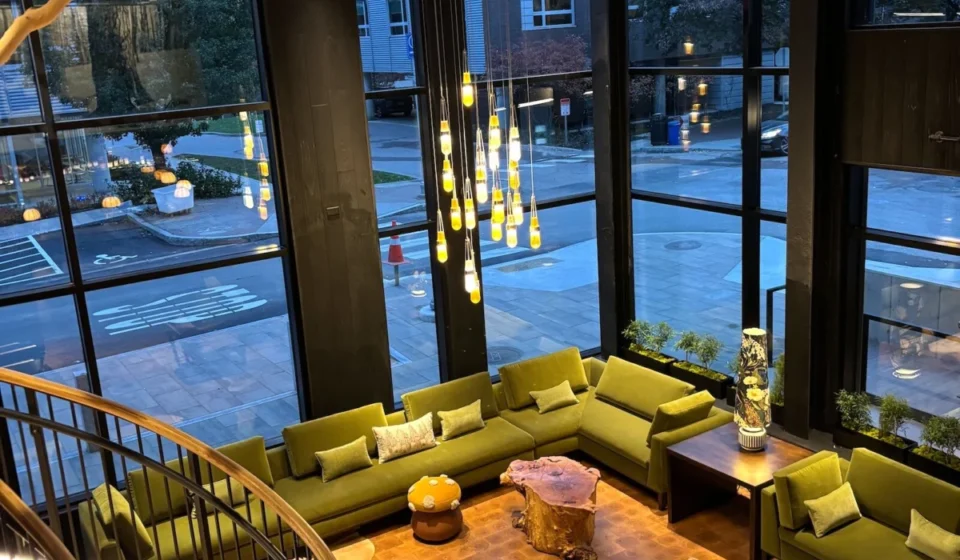

In the heart of Winooski, Vermont, a quiet revolution in architecture and hospitality is taking place. The Sugar House Hotel, a recent addition to Marriott’s prestigious Tribute Portfolio, stands as a testament to the idea that luxury and radical sustainability are not mutually exclusive. Developed by visionary entrepreneur Doug Nedde, the property is not merely a place to sleep; it is a living laboratory for the future of the hospitality industry. By marrying Vermont’s deep-rooted cultural heritage with aggressive, forward-thinking environmental engineering, the Sugar House is challenging the long-standing assumption that green building practices are an economic burden. Instead, it posits that they are the new standard for the modern traveler.
Main Facts: A Landmark in Sustainable Design
The Sugar House Hotel is defined by its pursuit of LEED Zero Energy certification. Unlike many modern hotels that rely on carbon offsets to mask their environmental impact, this property addresses the issue at the source. The hotel is entirely electric—there is no natural gas on the premises, even in the professional kitchen of its signature restaurant, Treetops.
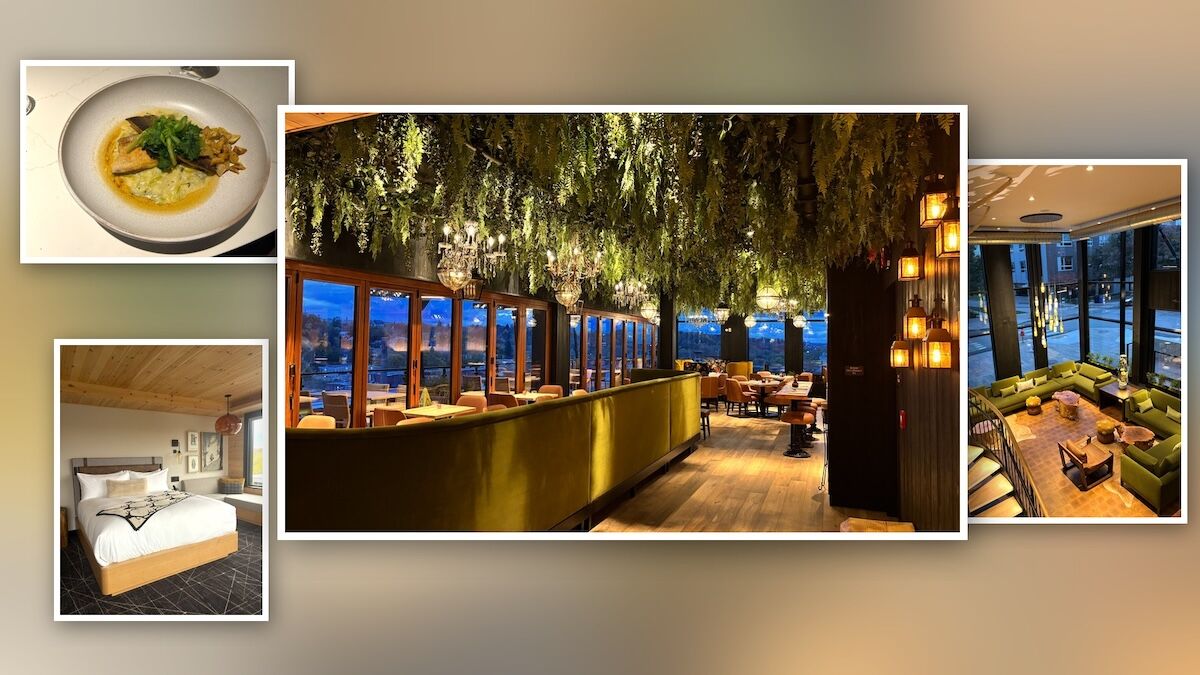
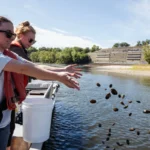
Energy efficiency is baked into the structural DNA of the building. Modeling projects that the facility will consume 54 percent less energy than a standard code-compliant hotel of the same size. This massive reduction is achieved through a multi-faceted approach: a sophisticated geothermal well system provides heating and cooling, while a robust array of rooftop solar panels provides a significant portion of the building’s base power. Furthermore, the hotel utilizes low-flow water fixtures and an integrated system of reclaimed water, which is actively used to restore the health of the adjacent Casavant Nature Park wetlands.
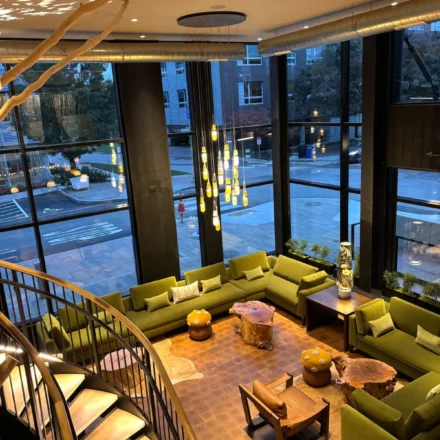
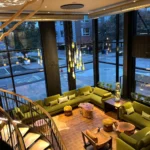
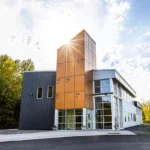
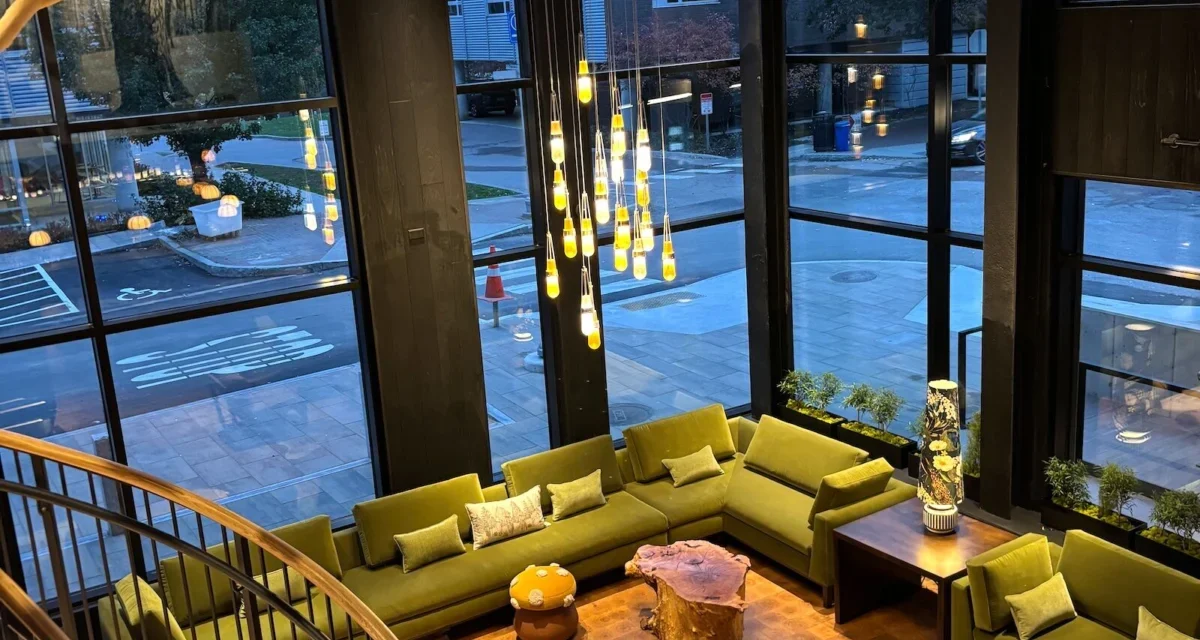
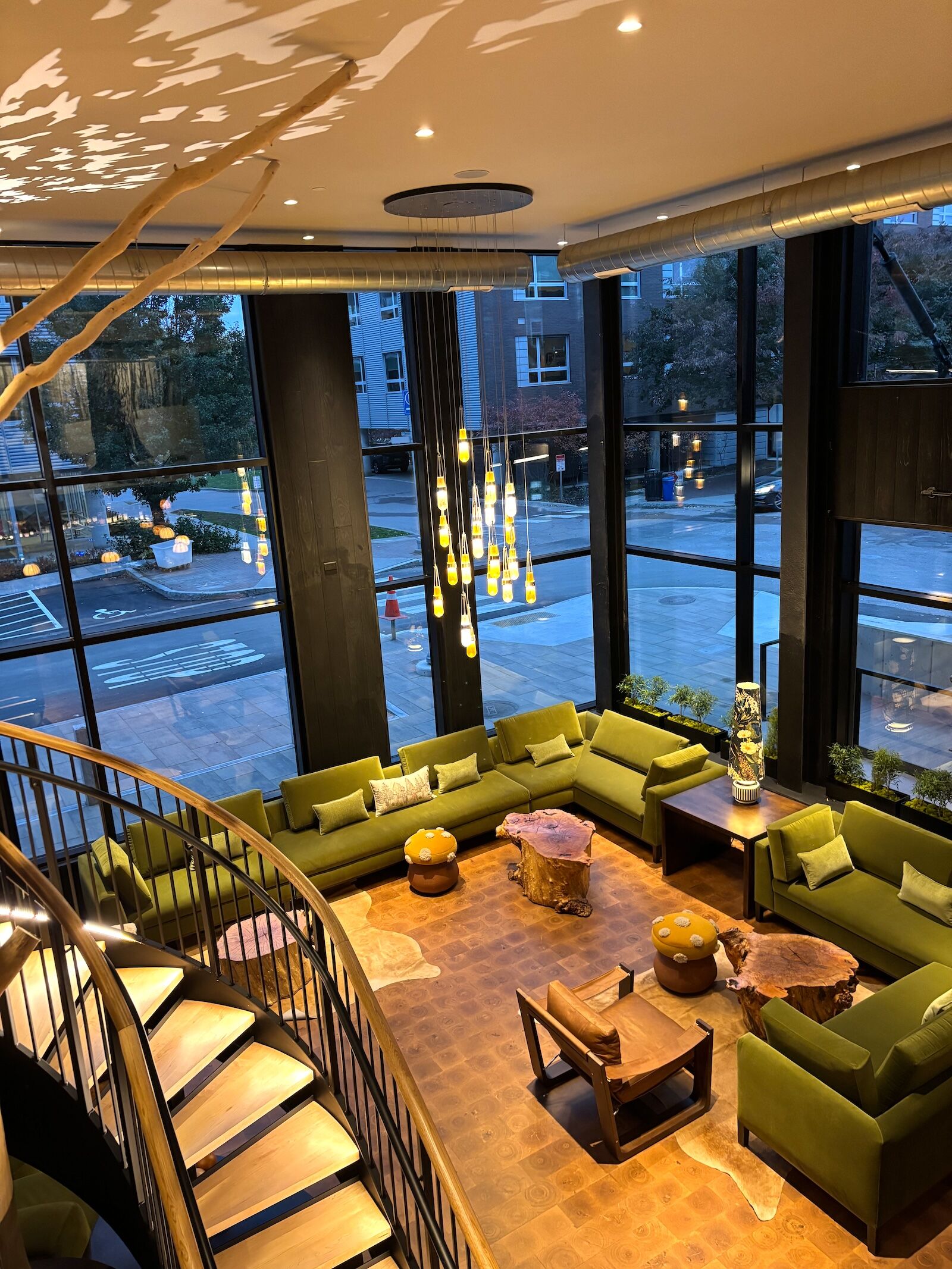
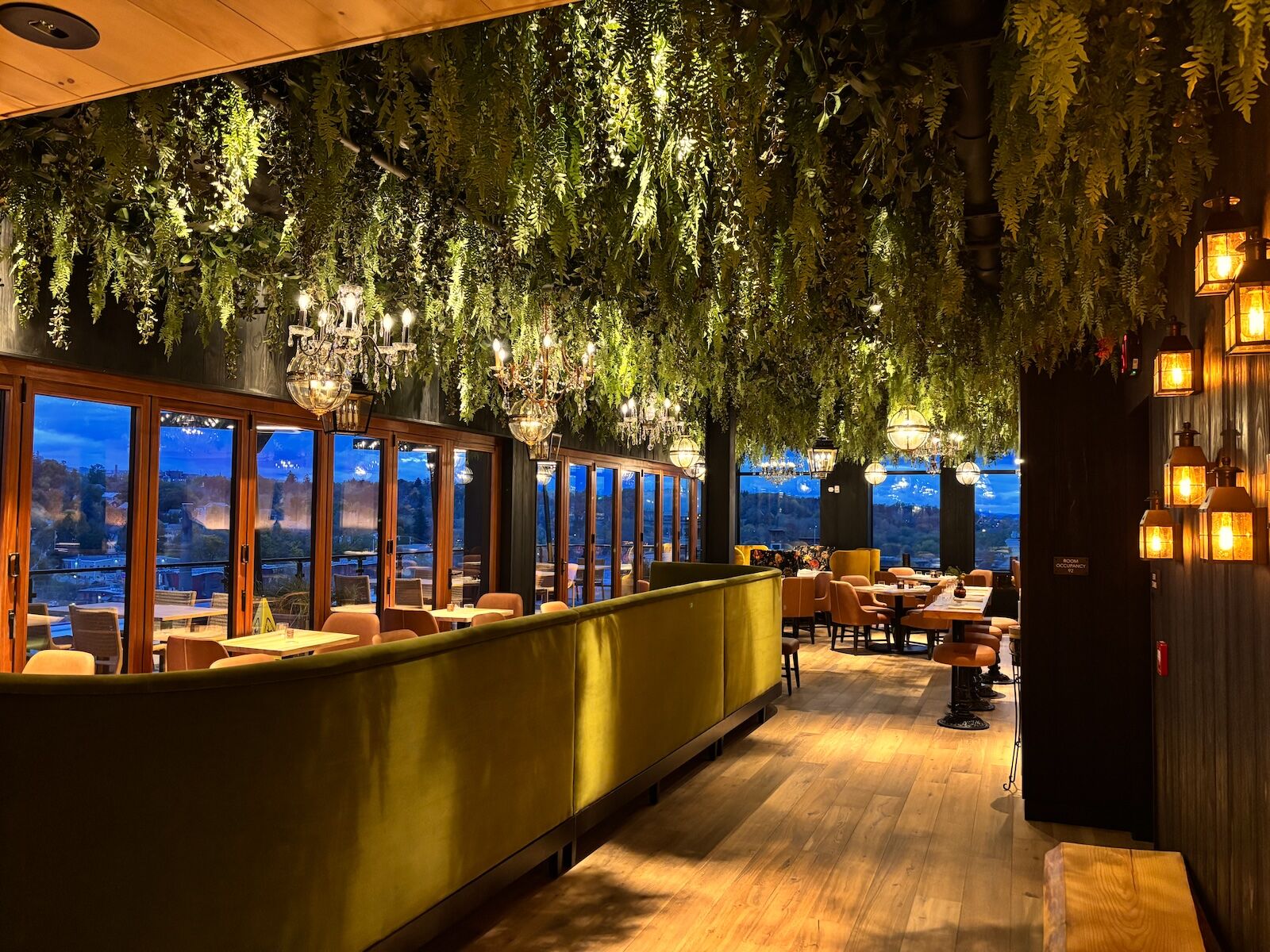
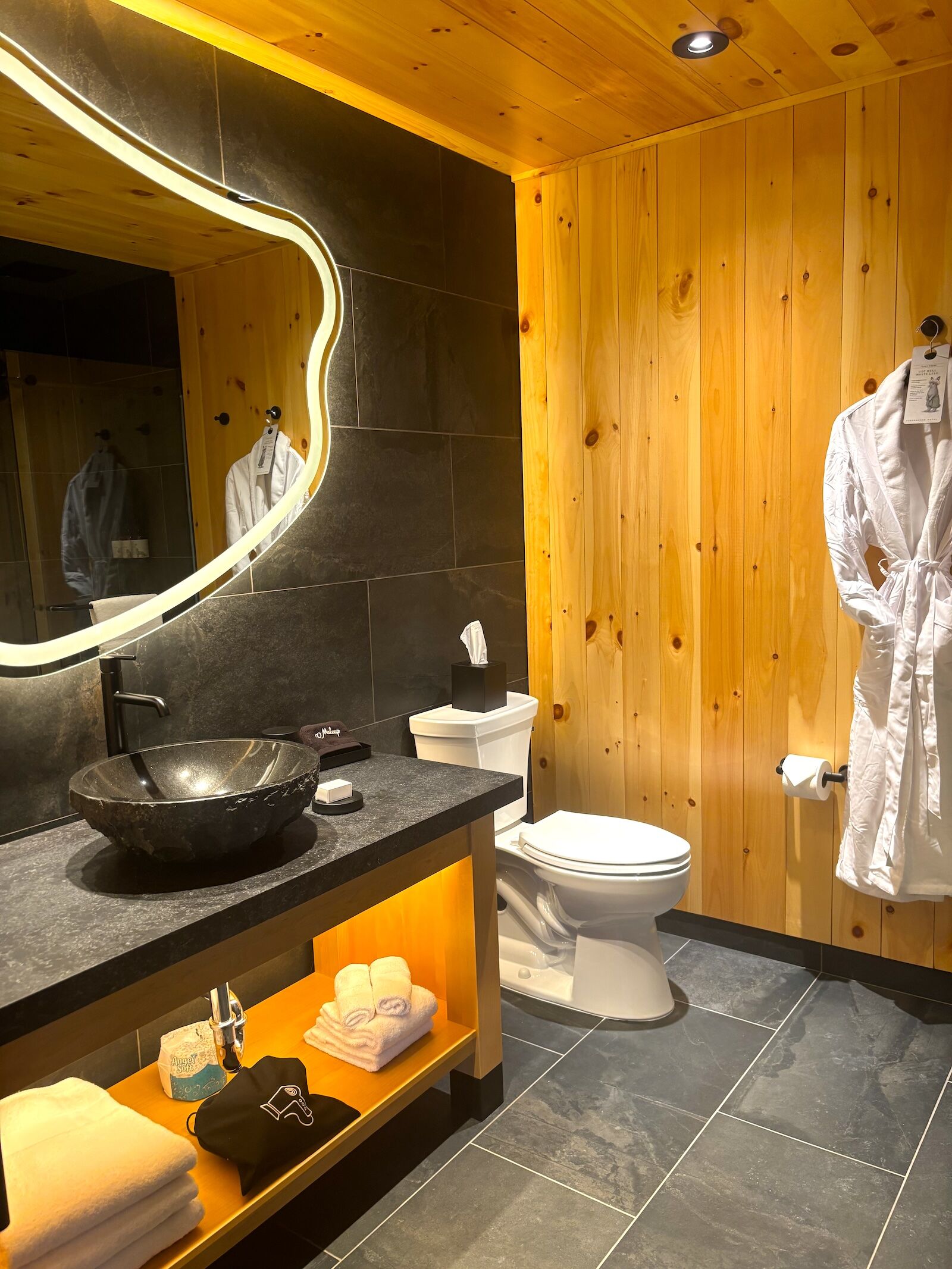
The aesthetic of the hotel, often described as "city out front, nature out back," mirrors these values. Biophilic design principles permeate every floor, incorporating natural light, indoor greenery, and an extensive use of reclaimed materials—including timber from a historic Vermont drawbridge—to create an environment that feels intrinsically tied to the local landscape.
A Chronology of Innovation: From Vision to Reality
The development of the Sugar House Hotel was not an overnight success but a calculated, years-long endeavor to change the narrative of construction in the Burlington area.
- The Conceptual Phase: Doug Nedde, formerly the owner of the Bolton Valley ski resort, recognized a gap in the market. He sought to create a hospitality experience that reflected the environmental stewardship inherent to Vermont’s identity.
- The Design Integration: Working with architects and engineers, Nedde prioritized the geothermal and electrical infrastructure before finalizing interior aesthetics. This "sustainability-first" chronology ensured that the building’s performance was never an afterthought.
- The Construction Milestone: During the building phase, the team focused on local sourcing, ensuring that the labor and materials were pulled from the immediate region to minimize the carbon footprint associated with shipping and logistics.
- The Partnership: When Marriott International selected the property for its Tribute Portfolio, it signaled a pivotal shift for the world’s largest hotel company. By welcoming a property with such stringent environmental mandates, Marriott validated the concept for a global audience, providing the project with the scale and visibility required to influence industry trends.
- The Opening: Following its launch, the hotel has transitioned into an operational phase where guest feedback and energy performance metrics are being analyzed in real-time, providing the data needed to justify similar projects in the future.
Supporting Data: The Math of Efficiency
The economic and environmental projections for the Sugar House Hotel provide a compelling case study for skeptics of green investment. The building’s performance metrics are significant:
- Heating and Cooling: The hotel is projected to see an 82 percent reduction in heating energy and a 69 percent reduction in HVAC-related energy consumption.
- Emissions: The facility aims for a 65 percent lower emission profile compared to traditional hotels of similar square footage.
- Operational Savings: Developer Doug Nedde estimates that the all-electric infrastructure will result in a 62 percent reduction in annual energy costs. These operational savings are the primary mechanism by which the hotel plans to recoup the higher upfront capital expenditures associated with LEED certification.
- Water Stewardship: Through the use of reclaimed water and efficient plumbing systems, the hotel acts as a positive contributor to the local watershed rather than a consumer of it.
These figures illustrate that while the "green premium"—the extra cost of building sustainably—is a reality, the long-term operational savings and the growing demand for eco-conscious travel provide a clear, sustainable path to profitability.
Official Perspectives: The Developer’s Mandate
During a tour of the property, Doug Nedde addressed the challenges of his ambitious project. When asked about the financial risk of investing heavily in sustainability, he was characteristically pragmatic.
"There’s no economic case study to whether investing that extra money towards LEED certification and all the sustainability initiatives is going to pay off," Nedde remarked. "But I think five, 10 years down the line, this will be the norm."
Nedde’s philosophy extends beyond the building itself. His project includes an affordable housing complex located immediately adjacent to the hotel. This move serves a dual purpose: it provides much-needed housing for local residents and allows many of the hotel’s staff to live within walking distance, further reducing the carbon footprint of the hotel’s operations. For Nedde, sustainability is a holistic concept that encompasses the well-being of the local community, the efficiency of energy systems, and the long-term viability of the hospitality industry.
The Guest Experience: Luxury with a Conscience
Despite the intense engineering behind the scenes, the guest experience at the Sugar House is remarkably seamless and grounded. The property succeeds because it refuses to prioritize its "green" status over comfort.
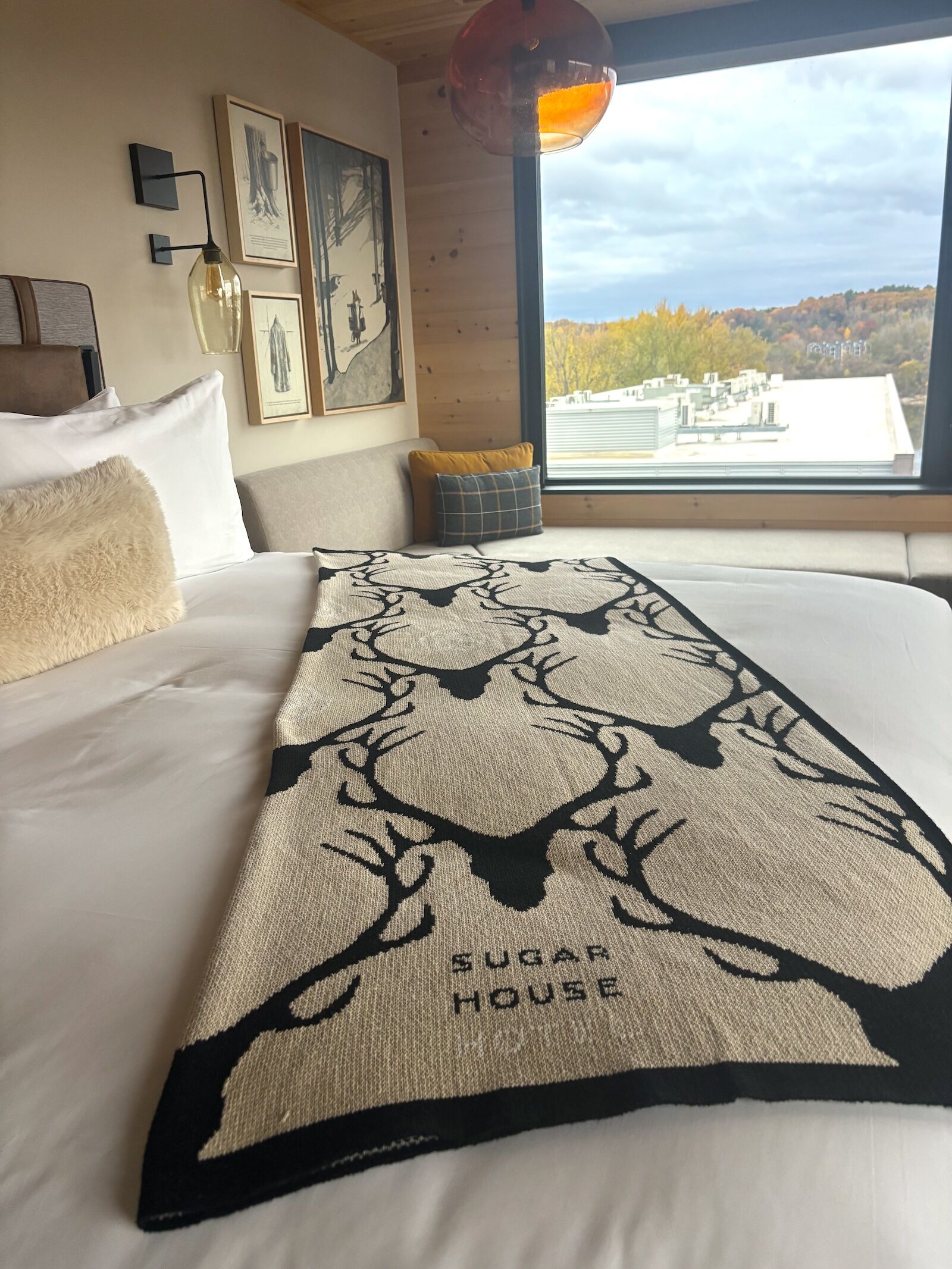
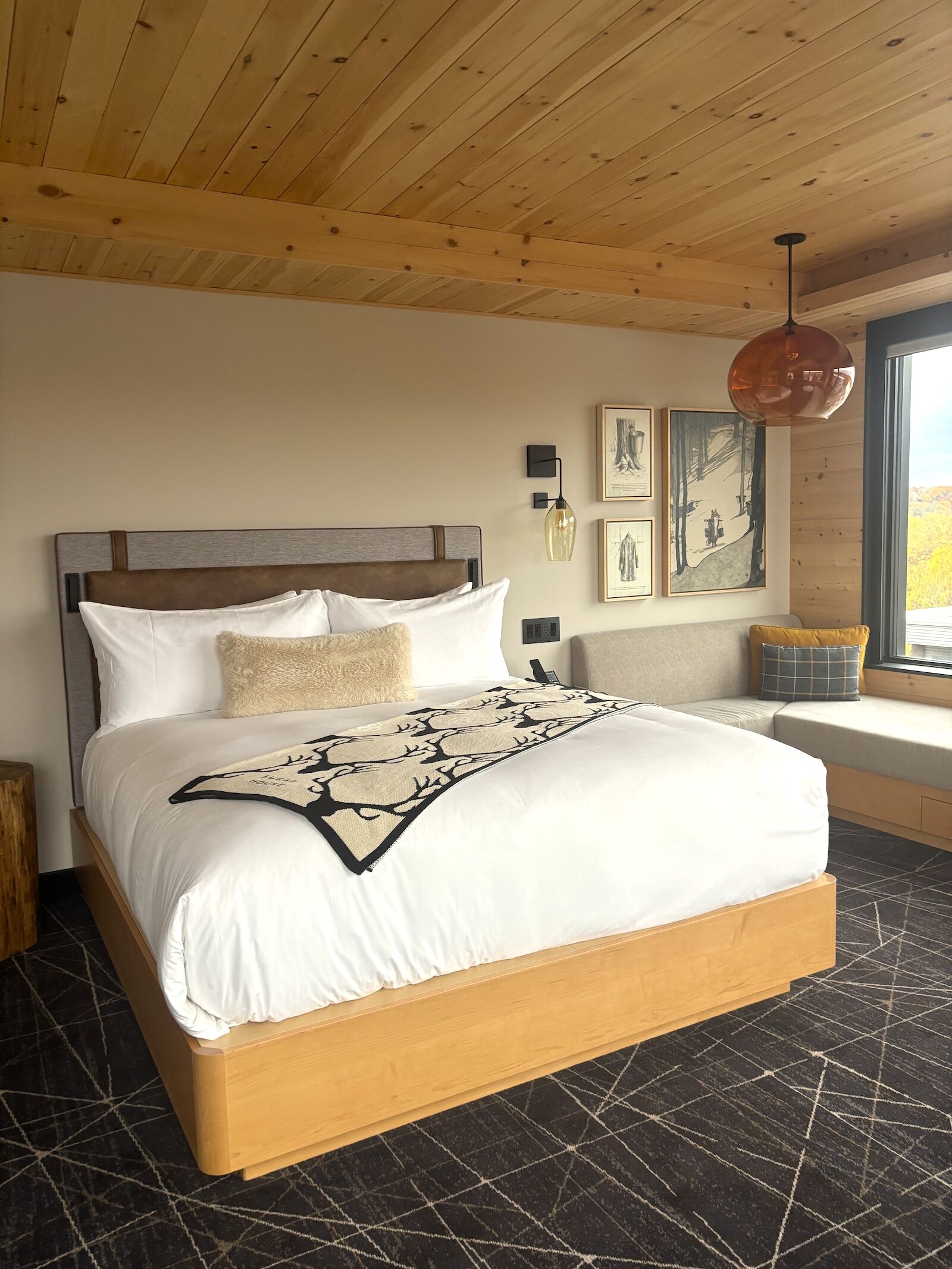
The rooms, each named after a historic Vermont sugar house, feature custom throws made from repurposed textiles and offer views that shift between the urban energy of downtown Winooski and the serene expanse of the Casavant Nature Park. The "city out front, nature out back" mantra is felt immediately upon arrival, whether you are being chauffeured in an electric VW ID Buzz van or enjoying a maple-infused creemee in the lobby.
The dining experience at Treetops reinforces the local theme. The menu is a love letter to Vermont, featuring ingredients sourced from regional farms, including fresh trout and plant-forward dishes. The bar itself, constructed from reclaimed timber, serves as a social hub that celebrates local craft beer culture. While the reliance on single-use plastic pods in the in-room coffee machines remains a minor point of friction for some environmentally conscious guests, the overall experience is one of thoughtful, curated luxury.
Implications: A New Standard for Global Hospitality
The Sugar House Hotel is more than just a boutique property; it is a proof-of-concept for the future of the hospitality industry. As global climate goals become more stringent, corporate boardrooms are looking for ways to reduce their environmental impact without sacrificing the "guest-first" quality that defines successful brands.
If the Sugar House continues to demonstrate that it can provide a high-end experience while operating at near-zero emissions, the implications are profound. It provides a blueprint for other developers and major hotel chains to follow. It proves that sustainability does not need to be a marketing gimmick or a niche offering; it can be the foundation of a successful business model.
As we look toward the future, the success of the Sugar House suggests that the next generation of travelers will likely never need to ask if their hotel runs on fossil fuels or geothermal energy. Instead, they will come to expect that the best hotels are, by definition, the most efficient ones. By taking the initial risk, Doug Nedde and his team have provided the math, the method, and the inspiration for a shift that the entire industry desperately needs. The Sugar House is not just doing things the right way—it is showing us that the right way is also the best way forward.