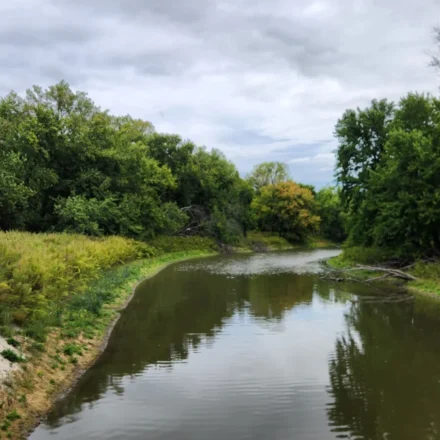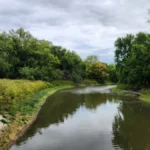



































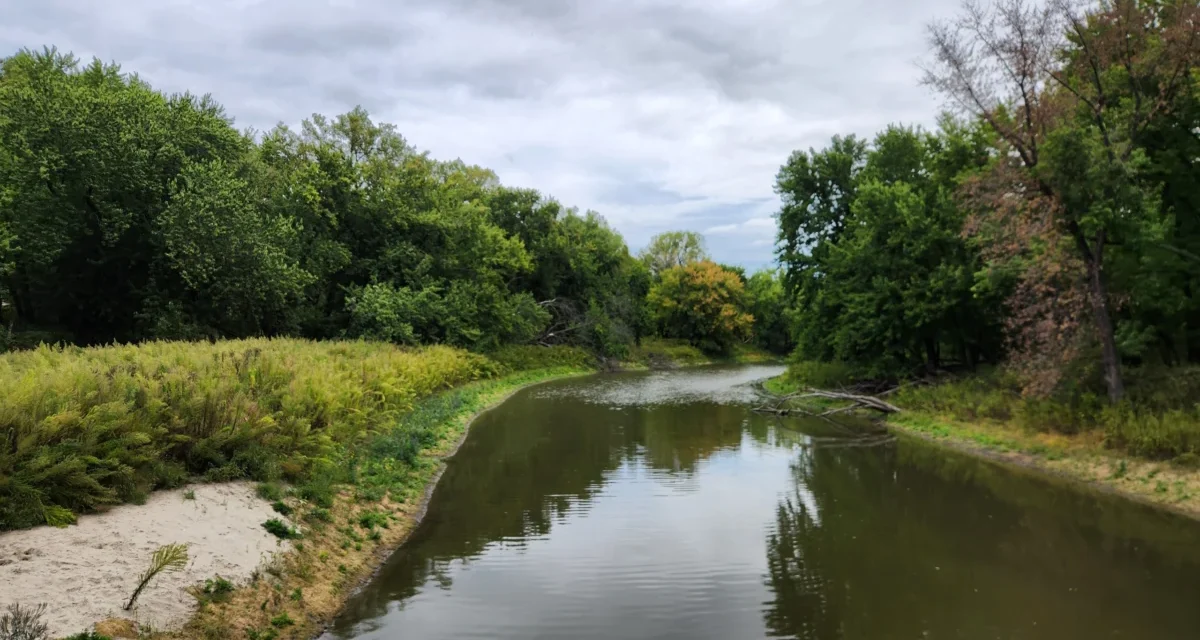




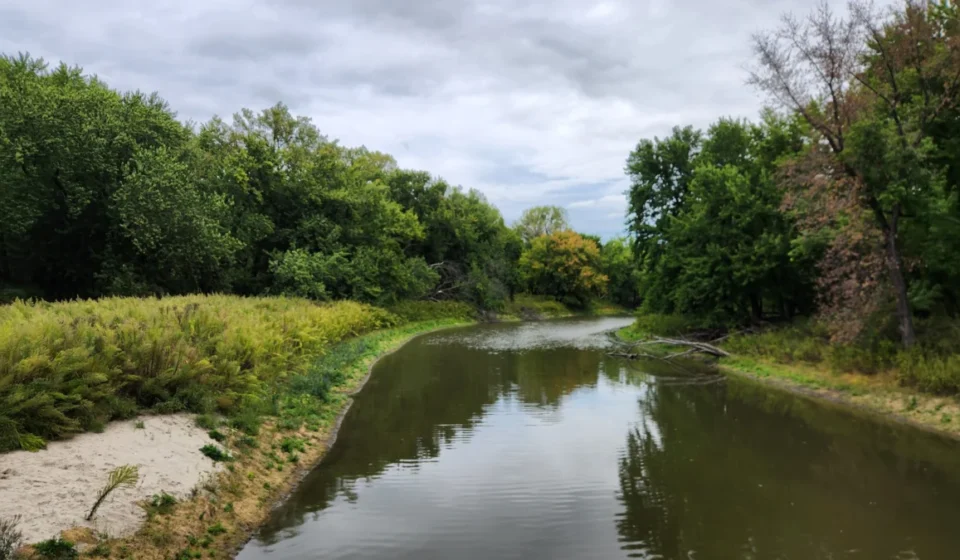

For over three decades, the Minnesota River has been trapped in a cycle of ecological degradation. Long cited as one of the most polluted waterways in the United States, the river serves as a primary artery for the state’s agricultural heartland, yet it remains burdened by excess sediment, high nutrient loads, and a drastically altered landscape.
Today, a unique coalition of citizens—ranging from retired judges and seasoned engineers to thirty-something environmental advocates—has coalesced into the Minnesota River Collaborative (MRC). This volunteer-led group is attempting to do what government agencies have often struggled to achieve: providing rigorous oversight of the complex, often opaque world of agricultural drainage that dictates the health of the state’s water.
The Evolution of Advocacy: A Generational Bridge
The narrative of the Minnesota River is one of long-term struggle. In 1992, then-Governor Arne Carlson set an ambitious goal to drastically improve the river’s water quality. At that time, David Minge, a former judge and U.S. Congressman, was just beginning his political career representing western Minnesota.
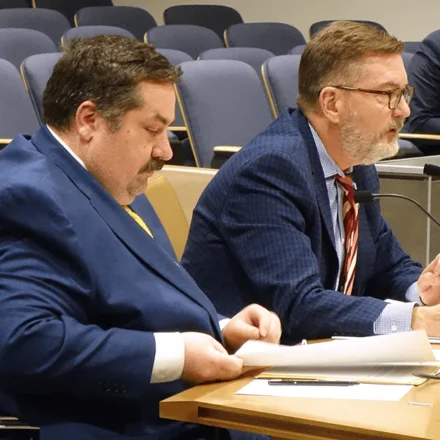
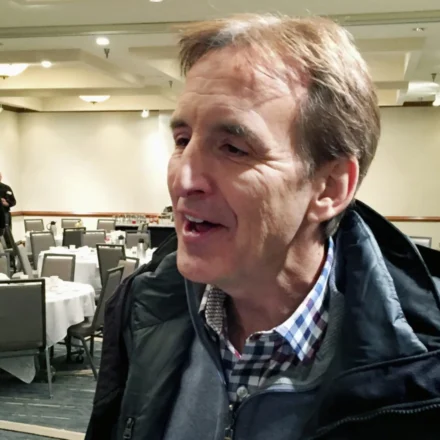
Today, Minge, now 84, finds himself working alongside 31-year-old Tom Crawford. The age gap reflects the persistent nature of the challenge; for Crawford, the river’s poor health has been a constant throughout his entire life. The duo represents the diverse intellectual capital of the MRC, which counts approximately 50 members among its ranks, including a high concentration of engineers, legal experts, and retired agency professionals.
“We’ve moved the needle within the DNR,” says Crawford, who operates in concert with the Friends of the Minnesota Valley and the Izaak Walton League. This collaborative is not a traditional lobbying firm; it is a lean, highly technical watchdog group that meets weekly to pore over engineering reports and drainage project proposals that would otherwise fly under the public radar.
Chronology of a Crisis: From Wetland to "Fire Hose"
To understand the current state of the Minnesota River, one must look at the landscape’s transformation over the last century. Historically, the river basin was a vast network of wetlands that acted as a natural sponge, slowly filtering water and maintaining a steady, moderate flow.
In the modern era, that hydrology has been fundamentally rewritten. The expansion of subsurface drainage—specifically miles of agricultural tile—has effectively turned the basin into a high-speed delivery system.
- 1992: Governor Arne Carlson establishes the first major state-level initiatives to address Minnesota River water quality.
- Late 1990s–2010s: Despite millions in state spending on "best management practices" like buffers and grassed waterways, the river’s sediment loads remain persistently high.
- 2020s: Climate change exacerbates the issue. Increased frequency of extreme rain events forces more water through the artificial drainage network, causing the river to scour its own banks.
- 2024–2025: The Minnesota River Collaborative emerges as a formal, persistent force, moving from passive observation to active litigation support and technical intervention.
The resulting "fire hose" effect is devastating. The high velocity of water scours the river’s soft, sandy banks, sending millions of tons of sediment downstream. As it flows toward its confluence with the Mississippi River near Fort Snelling, the Minnesota River becomes the single largest contributor of sediment to the Upper Mississippi. This load, combined with nitrogen and phosphorus runoff from croplands, serves as the primary engine for the massive "dead zone" in the Gulf of Mexico, where oxygen levels are too low to support marine life.
Supporting Data: The Hidden Infrastructure of Drainage
The core of the problem, according to MRC members, is a lack of transparency and governance regarding drainage. While public ditches are regulated, the state is crisscrossed by an estimated 100,000 miles of private, subsurface drain tiles.
“We’ve got probably 100,000 miles of private tile that is totally unmapped, unaccounted for, and unregulated,” Crawford notes. “There’s no requirement that these people are to notify anybody.”
The MRC’s approach to this invisibility is meticulous data collection. Crawford maintains a comprehensive, public-facing spreadsheet that tracks 17 major drainage projects across 11 counties. By analyzing engineering reports, work timelines, and DNR comments, the group identifies projects that pose significant risks to the watershed. They then use this data to intervene—either through direct comments to local boards or by providing technical expertise to legal teams in environmental court cases, such as the high-profile dispute involving Limbo Creek in Renville County.

Official Responses and Legal Friction
The battle for the river is currently playing out in both the court of public opinion and the actual courtroom. A significant point of contention involves the Minnesota Pollution Control Agency (MPCA). Environmental advocates, including the Minnesota Center for Environmental Advocacy (MCEA), have argued that large-scale agricultural drainage outlets should be regulated as "point sources" of pollution under the Clean Water Act.
However, the legal path has been rocky. In a significant setback for environmentalists, a Ramsey County District judge recently ruled that the MPCA lacks the legislative authority to regulate these agricultural systems as point sources. The MCEA is currently appealing that decision, setting the stage for a protracted legal battle that will likely reach higher courts by the end of the year.
The state’s existing framework—the "Drainage Work Group"—is often criticized by activists as being too slow and overly focused on consensus rather than enforcement. The MRC attempts to fill this vacuum by pulling two specific "levers":
- Engineering Review: Challenging the scientific assumptions behind ditch capacity and environmental impact.
- Economic Accountability: Utilizing the expertise of figures like Steven Taff, a former University of Minnesota agricultural economist, to highlight when the "redetermination of benefits" for a project is economically flawed or serves only a narrow interest.
The Future: Toward a Minnesota River Commission?
As the 2025 legislative cycle approaches, the conversation is shifting toward the creation of a permanent Minnesota River Commission. This proposed body would, in theory, provide a centralized governance structure for a river that currently suffers from fragmented oversight across dozens of counties and state agencies.
The proposal has faced delays, often attributed to the political sensitivity of agricultural policy in rural Minnesota. However, proponents like Scott Sparlin of the Coalition for a Clean Minnesota River remain undeterred. "After the elections, we will begin securing potential bill authors on both the House and Senate sides," Sparlin stated.
The task force recently convened by Attorney General Keith Ellison to study water stewardship has also highlighted the divide between stakeholders. Reports from the task force suggest that while some progress was made, deep divisions remain regarding how to balance the rights of landowners to drain their fields with the state’s obligation to protect its public waters.
Implications for the Land of 10,000 Lakes
The work of the Minnesota River Collaborative serves as a microcosm of a larger, existential question for Minnesota: How does a state built on an agricultural economy reconcile its land-use practices with its identity as a steward of water?
The MRC’s victories, though often incremental, are meaningful. By helping counties like Lyon County secure grants for water storage projects, they demonstrate that drainage and environmental health do not have to be mutually exclusive. Yet, as Crawford and Minge continue their weekly meetings, the sense of urgency remains.
The sediment continues to flow, the climate continues to shift, and the "dead zone" in the Gulf persists. For this group of volunteers, the goal is not to stop farming, but to force a recognition that the current, unregulated approach to drainage is a public liability. Whether the state government will eventually codify this oversight into a formal commission—or whether the burden will remain on the shoulders of private citizens and volunteer engineers—remains the most critical question for the future of the Minnesota River.
As Minge noted, the collaborative is a testament to the fact that while the political process may move slowly, the water continues to run—and the people who care about it are not going anywhere.