



































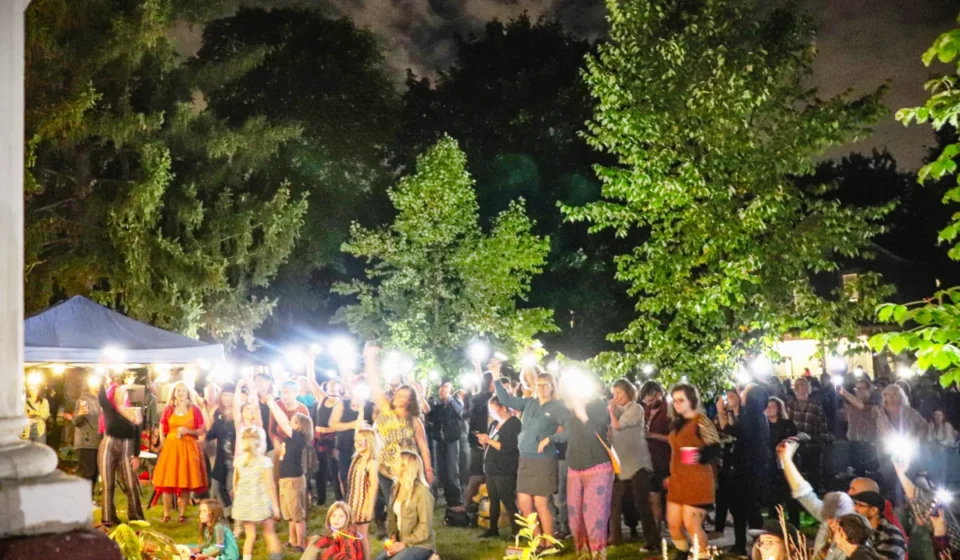
The Porch Revolution: How Minneapolis Neighborhoods Are Redefining Live Performance

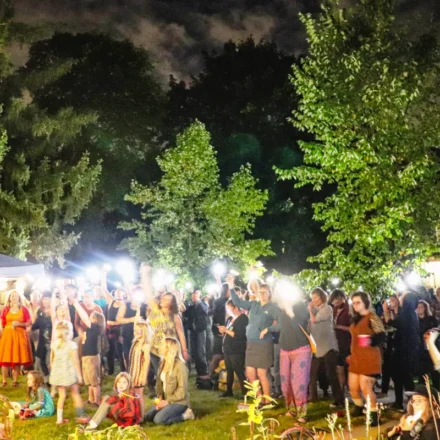
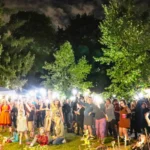
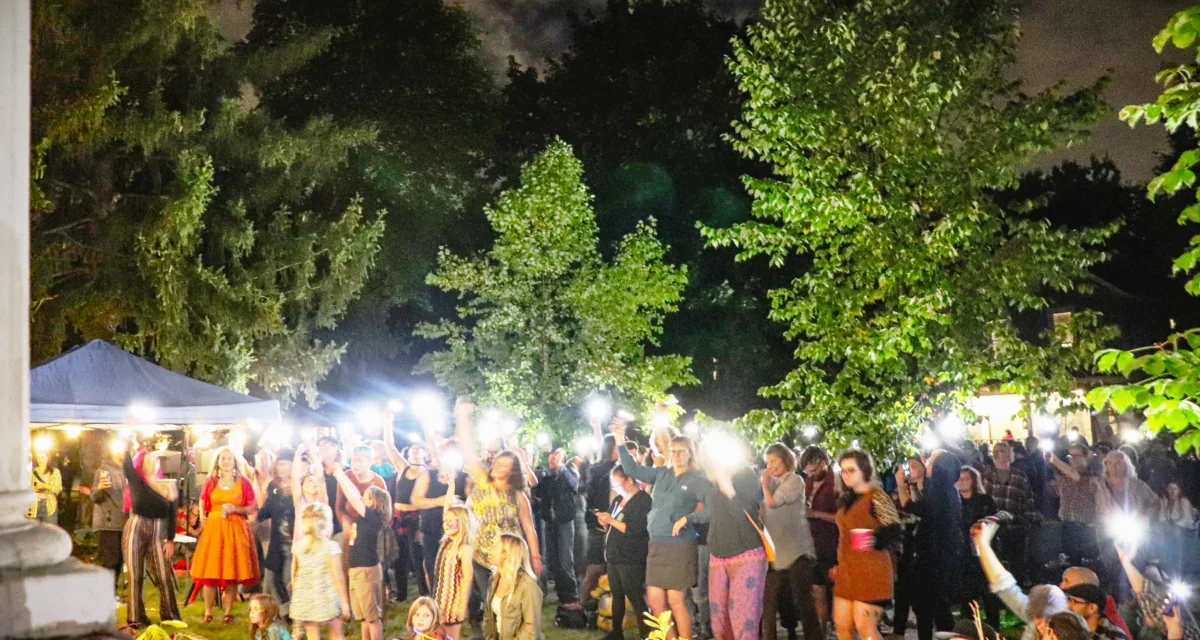
In the heart of Minneapolis, the traditional concert experience is undergoing a radical, grassroots transformation. As the sun beat down on a sweltering summer day just weeks ago, the Lowry Hill East neighborhood wasn’t echoing with the sterile, amplified sounds of a stadium tour. Instead, it was alive with the raw, eclectic energy of the Uptown Porchfest. From the sharp, aggressive chords of punk bands to the intricate, rhythmic layers of bossa nova, the neighborhood had effectively turned its front porches into a decentralized, open-air conservatory.
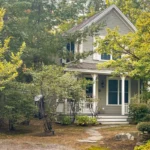
For the thousands of attendees—a diverse mix of local families, music aficionados, and curious passersby—the event represented more than just a free concert series. It signaled a profound shift in how communities engage with art. By trading the barricades and security checkpoints of formal arenas for the intimate, approachable setting of a residential lawn, Minneapolis is proving that the most vibrant cultural institutions may not be built of steel and glass, but of wood, siding, and neighborly goodwill.
The DIY Renaissance: Beyond the Arena
The rise of "home-based venues" is not merely a post-pandemic trend; it is a burgeoning movement toward reclaiming the public and private spaces of the city for communal joy. When a homeowner clears their driveway or stages their porch for a performance, the power dynamic of the concert industry is upended. The barrier between "performer" and "audience" thins, creating a sense of shared ownership that is impossible to replicate in a commercial concert hall.
This "backyard party" aesthetic is rapidly becoming a signature of the Twin Cities’ cultural identity. With marquee events like the Powderhorn Porchfest and the innovative Neighborhood Garage Tour—produced by Off-Leash Area—the city is witnessing a democratization of performance space. For the hosts, the reward is more than just altruism; it is the unique opportunity to curate their own neighborhood’s soundtrack from a front-row seat.
A Chronology of Community Engagement
The roots of this movement are deeply planted in the soil of local history. For Jenee Nederloe, a resident of Northeast Minneapolis, the journey to becoming a venue host began with a bizarre twist of fate. Years ago, a neighbor’s car veered off the road and plowed into her garage, causing catastrophic damage to the back wall.
"They rammed their car hard enough that about a third of the back wall just totally blew out," Nederloe recalls. Rather than simply patching the drywall, the couple saw an opening—literally and figuratively. Using the insurance payout, they opted to DIY the repairs, installing an asphalt pad and constructing a garage with two open-sided walls.
What began as a necessity for structural integrity soon morphed into an accidental amphitheater. It became a hub for neighborhood recitals, informal jams, and eventually, a cornerstone for the annual Art-A-Whirl festival. By last May, the "Bleeding Hearts Studio" had opened its doors to the general public, maintaining a relaxed, welcoming atmosphere. "It’s more just friends hanging out and friends that we don’t know yet," Nederloe says, capturing the ethos of the DIY movement.
Similarly, Kelly Piatt’s introduction to the scene came 13 years ago in the Powderhorn neighborhood. She remembers walking down her street, hearing music wafting from a neighbor’s porch, and being struck by the sheer spontaneity of the moment. "My kids were 4 or 5, so it was the perfect time of evening," she says. "There were tons of neighbors around, and everyone was so happy. There was dancing. It was magical just to stumble upon something like that." That serendipitous encounter spurred a decade-long tradition of hosting, which she continues to this day.
The Mechanics of Magic: Supporting the Infrastructure
While the atmosphere of these festivals is intentionally low-key and spontaneous, the reality behind the scenes is a complex logistical operation. Bringing thousands of people into residential areas requires a symphony of coordination, from municipal permits and street closures to electrical management and waste disposal.
Phil Rooney, a longtime host for the Powderhorn Porchfest, is quick to deflect praise for the heavy lifting. "As a host, it’s really easy," he claims. "I get the crap off my porch, make sure there’s some nice lights, and bring in some beverages for the musicians. I stick some chairs out on my street. It’s really low-key on my end, but there is all this back-end work that creates this really beautiful, family-friendly event."
That "back-end work" is primarily handled by dedicated neighborhood associations, such as the Powderhorn Park Neighborhood Association (PPNA). According to Pedra Lander, the association’s senior events manager, the success of the festival is deeply rooted in the concept of relational-based community building.

"That’s something that has always been felt in the neighborhood," Lander explains. "It became pretty apparent, especially during the federal occupation." Lander emphasizes that even as the scale of the festival expands, the fundamental unit of the event remains the individual neighbor. The festival serves as a physical manifestation of mutual support—a way for residents to show up for one another in a tangible, rhythmic way.
Official Responses and Strategic Growth
The upcoming iteration of the Powderhorn Porchfest, scheduled for September 19, serves as a case study in how these grassroots efforts are maturing. With four dedicated stages spanning 17th Avenue South between 32nd and 34th Streets, the event has become a massive, multi-genre production.
The programming reflects the breadth of the local scene: the Afrobeats sounds of Obi Original and the Black Atlantics, the surf-psyche-femme-punk energy of Black Widows, and the vital, urgent voices of youth from TruArtSpeaks all sharing the same physical footprint. This variety is not an accident; it is the result of careful curation designed to reflect the demographic and cultural diversity of the Powderhorn district.
The New Standard: Accessibility in DIY Spaces
Perhaps the most significant development in the DIY festival circuit is the intentional push toward universal accessibility. There is a persistent, outdated stigma that house shows and garage concerts are inherently exclusionary or physically inaccessible. However, leaders in the movement are working to dismantle that reputation through rigorous planning.
Jennifer Ilse, co-director of the performance group Off-Leash Area, has spent years refining the logistical standards for their annual "Neighborhood Garage Tour." For Ilse, accessibility is not an afterthought or a line item; it is a fundamental design principle.
"Accessibility is just much more deeply integrated into all of the spaces and just how we talk about everything," Ilse says. Her team conducts comprehensive site assessments, identifying potential pitfalls before they occur. This includes laying industrial-grade plywood over lawns to create stable pathways for wheelchair users and providing granular, detailed information regarding venue entry points for attendees with sensory or mobility needs.
In some instances, the commitment to inclusivity means declining a host location that cannot be made accessible. "It widens what you can do," Ilse notes of the creative freedom inherent in the DIY model. "You don’t have to adhere to another institution." By breaking away from the rigid bureaucracy of traditional theaters, these groups have found they can be more, not less, inclusive than the establishments that preceded them.
Implications for the Future of Cities
The "Porchfest" phenomenon is more than a way to spend a Saturday afternoon; it is a blueprint for urban vitality. As major cities across the globe struggle to maintain their cultural centers in the face of rising costs and institutional closures, Minneapolis is demonstrating the resilience of the neighborhood-level model.
These events foster a sense of civic ownership that is rarely found in the ticket-buying public. When a resident spends their weekend setting up lights for a local band or navigating city permits to close a street, they are actively participating in the creation of their city’s culture rather than merely consuming it.
The long-term implication for the Twin Cities is a more connected, resilient urban fabric. By legitimizing the porch and the garage as valid, safe, and professional performance venues, the community has created an ecosystem that can survive institutional flux. The success of these events relies on the simple, radical act of a neighbor opening their door to a stranger. As long as those doors remain open, the music in Minneapolis will continue to thrive—not in spite of the neighborhood, but because of it.