
















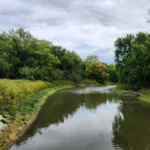





























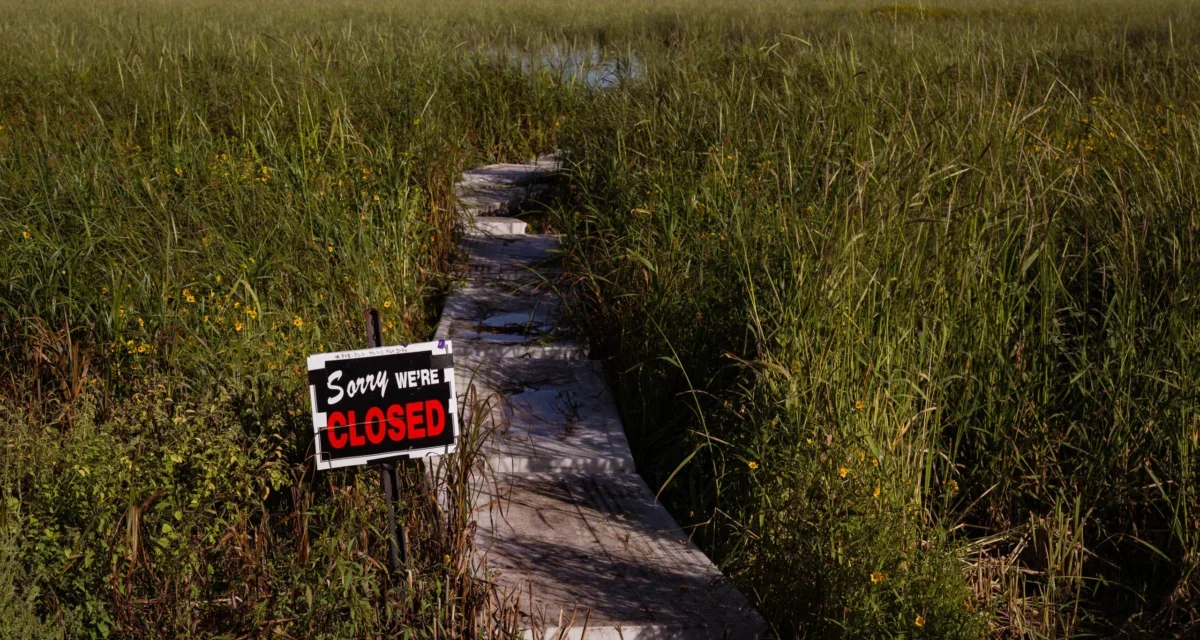



As the late August sun hangs over the Rice Lake National Wildlife Refuge, the air is thick with the humidity of a Minnesota summer. For the Mille Lacs Band of Ojibwe, this is the most critical time of year: the harvest of manoomin—wild rice. It is a labor-intensive, ancient tradition. Harvesters take to shallow waters in canoes, using a gentle, rhythmic tapping motion to knock ripe grains from the stalks. It is sweaty, insect-ridden, and physically demanding work, yet it remains a cornerstone of Ojibwe culture and identity.
"The reward at the end is beautiful wild rice," says Kelly Applegate, the commissioner of natural resources for the Mille Lacs Band. But for Applegate and his community, the future of this harvest is under a shadow that has little to do with the weather.
Looming just miles from these pristine, culturally vital wetlands is the proposed Tamarack Nickel Project. As the state moves through a complex regulatory process, the Mille Lacs Band and environmental advocates are sounding an alarm: the very water that sustains the manoomin may be at risk from a type of mining that has never been fully tested in the state’s sensitive, water-rich geography.
The Geography of Risk: Why Tamarack Matters
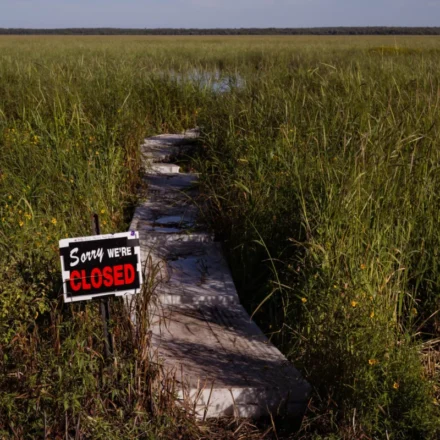
Located roughly an hour west of Duluth, the Rice Lake National Wildlife Refuge is, by many accounts, the "crown jewel" of Minnesota’s wild rice harvesting grounds. The landscape is a sprawling, interconnected web of wetlands, bogs, and marshes. It is this specific geography—a literal "sponge" of water—that makes the proposed Tamarack mine so controversial.
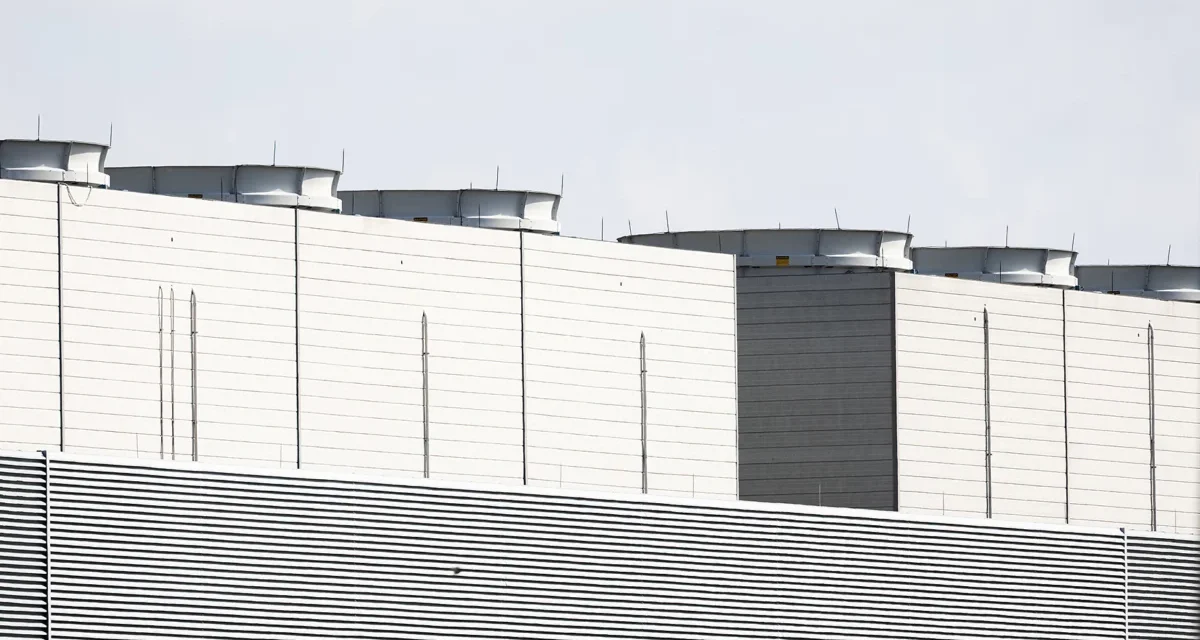
Talon Metals, the company behind the project, sees the region as a strategic necessity. With the global demand for battery-grade nickel rising to fuel the transition to electric vehicles, the Tamarack deposit represents a lucrative opportunity. The company has already established a presence in the small Aitkin County town of Tamarack, building infrastructure and conducting extensive surveys.

However, tribal leaders argue that the economic promise of the mine ignores the ecological reality. "It’s like drilling a hole in a wet sponge and then thinking water isn’t going to come in," says Virgil Wind, chief executive of the Mille Lacs Band. The concern is that the industrial process required to extract nickel and copper could alter the hydrology of the area, potentially leaking pollutants into the interconnected watershed that feeds the manoomin beds.
A Chronology of the Regulatory Process
The battle over the Tamarack Project is currently defined by the Department of Natural Resources (DNR) environmental review process.
- July 2026: The Minnesota DNR opens the public scoping period, a 60-day window for citizens, stakeholders, and tribal nations to weigh in on what the state’s Environmental Impact Statement (EIS) should study.
- July 2026: Environmental advocacy groups, including the Minnesota Center for Environmental Advocacy (MCEA), hold educational webinars, warning that the "scoping" phase is a "now or never" opportunity. If a specific risk—such as the impact of groundwater drawdown on wild rice—is not included in the scope now, it may not be legally required to be studied later.
- August 2026: Public meetings are held in McGregor and Blaine, drawing a mix of local residents concerned about economic development, mining proponents touting potential jobs, and environmentalists demanding a "no-build" alternative.
- September 14, 2026: The deadline for the public comment period. This marks the end of the initial regulatory gate.
Once this period closes, the DNR will spend months, if not years, analyzing the comments to finalize the scope. Following this, a draft EIS will be produced, which will be subject to yet another round of public scrutiny. The process is notoriously slow, deliberate, and, according to critics, often weighted in favor of the applicant.
Supporting Data and Technical Perspectives
The technical debate centers on the stability of the local geology. Talon Metals maintains that they have invested heavily in "baseline data collection." Rob Beranek, Talon’s vice president of projects and environmental affairs, notes that the company has spent years refining its project design based on technical studies. Talon’s acquisition of Michigan’s Eagle Mine—the only other primary nickel-copper mine in the U.S.—is cited by the company as proof that they have the expertise to operate safely.
However, opponents point to a critical difference: the hydrogeology of the Tamarack area is fundamentally different from the rocky terrain of Michigan’s Upper Peninsula. In Aitkin County, the proximity of the mine to the surface and the high water table creates a "hydraulic connection" that many hydrologists fear is too volatile for traditional mining techniques.

Joy Anderson, legal director at the MCEA, emphasizes that the scoping document is the single most important legal hurdle. "If it’s not in that scoping document, it doesn’t get studied," she warned. "Even if later we figure out, ‘Oh, this was a really big problem,’ too bad—it’s not in the scope."
Official Responses and Political Landscape
The political climate surrounding mining in Minnesota is fractured. While Governor Tim Walz recently issued an executive order halting certain state actions on copper-nickel mining near the Boundary Waters, the Tamarack project lies outside that specific watershed, leaving it exempt from the Governor’s recent restrictions.
For tribal leaders like Virgil Wind, the Governor’s order was a moral victory but a policy disappointment. "Anytime they get advancement or get some protection, it kind of sets the stage for hopefully the same thing happening to us," Wind said. Yet, the reality remains that the executive order is not a permanent legislative ban and is subject to the whims of future administrations.
Talon Metals continues to position itself as a necessary partner in the "green" economy. U.S. Rep. Pete Stauber has been a vocal supporter of the project, framing it as a matter of national security and economic sovereignty, arguing that domestic mining is the only way for the U.S. to "win the 21st century."
The Broader Implications: A Legacy of Responsibility
The disagreement over the Tamarack mine is ultimately about more than just nickel; it is about the stewardship of the land and the rights of the Indigenous people who have managed these resources for centuries.

Kelly Applegate and the Mille Lacs Band are deeply concerned about the "babysitting" aspect of the project. If the mine is permitted and eventually closes, who will be responsible for the long-term monitoring of the tailings and the water quality? The history of mining in the U.S. is littered with abandoned sites that have become environmental liabilities, costing taxpayers millions and degrading ecosystems for generations.
"We get to babysit this for countless generations into the future," Applegate said, standing by the quiet, shimmering waters of the refuge. "Is that fair to us? Again, we’re going to have a sad chapter of American Indian history."
The connection between the Rice Lake wetlands and the larger Mississippi River watershed is a point frequently highlighted by tribal members. They argue that a contamination event at the headwaters of the regional water system does not stay local. It flows downstream, affecting not just the Ojibwe, but all Minnesotans and communities across the heartland.
Conclusion: The Final Countdown
As the Sept. 14 deadline approaches, the DNR is inundated with comments. This public discourse is the primary mechanism for democracy in a process that often feels dominated by corporate lobbyists and state bureaucrats.
For the people who harvest the manoomin, the mine represents a potential "unthinkable" tragedy. The silence of the marshes at Rice Lake serves as a stark contrast to the noise of the political and industrial debate occurring in town halls and state offices. Whether the state will prioritize the long-term ecological health of the region or the immediate demands of the critical minerals market remains an open question.

For now, the harvesters continue their work, moving their canoes through the tall grass, holding onto the hope that the water will remain clear, the harvest will continue, and the "wet sponge" of the landscape will not be pierced by the industrial machinery of the 21st century.
How to Participate
For those interested in the regulatory process, the Minnesota Department of Natural Resources continues to accept public input on the Tamarack Project. The state emphasizes that all feedback regarding the environmental scope must be submitted through their official portal at dnr.state.mn.us before the 4:30 p.m. deadline on Monday, September 14.