








































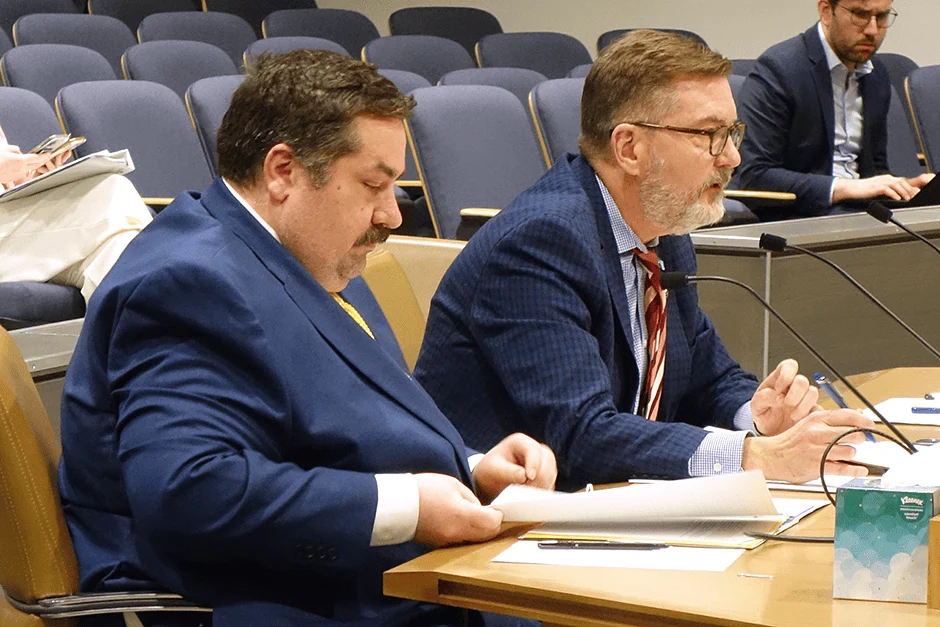


Forty years ago, a rugged, knife-wielding protagonist named Mick Dundee stepped out of the Australian bush and into the global consciousness, forever linking the vast, sun-scorched expanse of Kakadu National Park to the silver screen. Released in 1986, Crocodile Dundee remains the highest-grossing Australian film in history, a cultural phenomenon that turned the Northern Territory’s sandstone escarpments and billabongs into icons of adventure.
Yet, for those who travel to this UNESCO World Heritage site today, the film serves as merely a doorway. To truly understand Kakadu is to move past the myth of the "outback hero" and engage with the Bininj and Mungguy people—the Traditional Owners who have acted as the land’s stewards for over 65,000 years.
Main Facts: The Intersection of Culture and Film
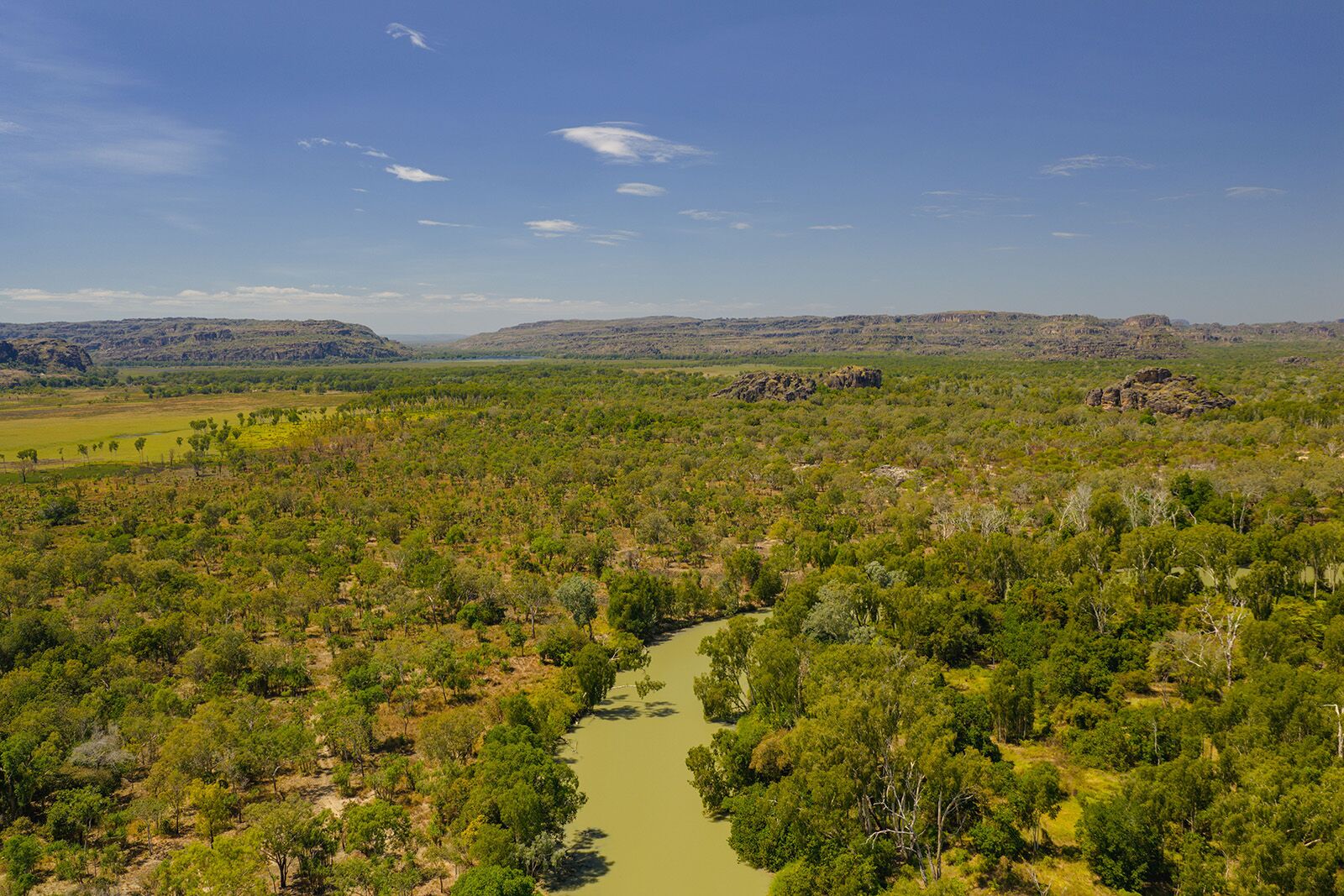
Kakadu National Park is not merely a filming location; it is a living, breathing archive of human history. Spanning nearly 20,000 square kilometers, the park is defined by its dramatic landscapes—sandstone lookouts, lush wetlands, and ancient rock art galleries that rank among the most significant in the world.
The filming of Crocodile Dundee and its 1988 sequel brought international attention to locations such as Ubirr, Burrungkuy (Nourlangie), and the pristine waters of Gunlom. While the film provided a Hollywood lens through which the world viewed Australia, the reality of these locations is far deeper. The sites are centers of Country—a term encompassing land, water, animals, and the profound, reciprocal responsibilities between the environment and the people who have inhabited it since time immemorial.
A Chronological Journey Through Kakadu
My journey to the Northern Territory was designed to bridge the gap between cinematic nostalgia and cultural reality. As a guest of Tourism and Events NT, I spent several days traversing the landscape that once served as the backdrop for Mick and Sue’s adventures, guided by those whose families were instrumental in the film’s creation.
The Legacy of the First Shoot
The production of Crocodile Dundee was a logistical feat of the mid-80s. John Cornell, the film’s producer, often recalled having to construct temporary roads just to reach the remote locations desired by the crew. During our visit, Delvene Delaney, wife of the late Cornell, shared anecdotes of a production that prioritized authenticity.
The filming did more than capture imagery; it fostered human connections. Delaney recounted how actor Ernie Dingo, during the filming of the sequel, would carry her young daughter on his shoulders, teaching her to identify snakes and navigate the bush. This period marked a shift in how the production team viewed the land—not just as a set, but as a space shared with its original inhabitants.
Cultural Guidance and Connection
Central to my experience was Mandy Muir, a guide whose uncle was among the Aboriginal elders consulted during the film’s production. For 38 years, Muir has worked within the park, protecting its rock art and sharing the stories of her mother’s people.
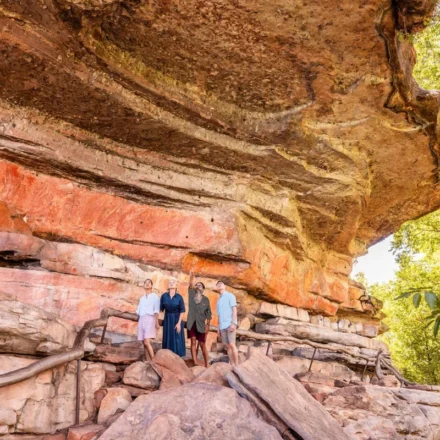
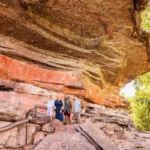
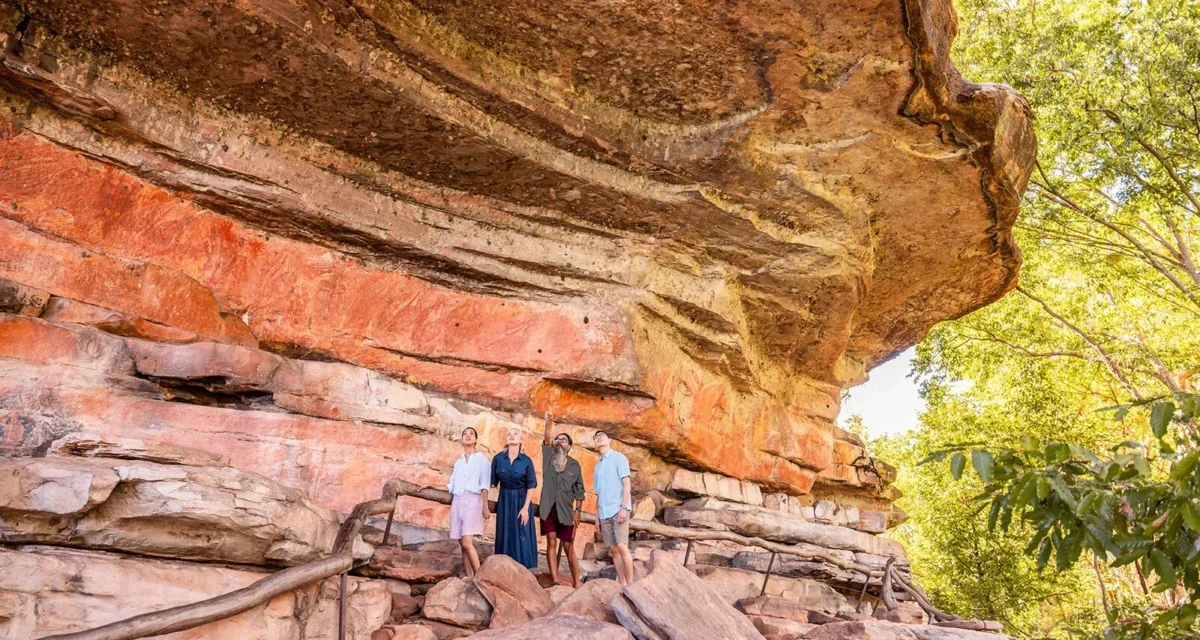
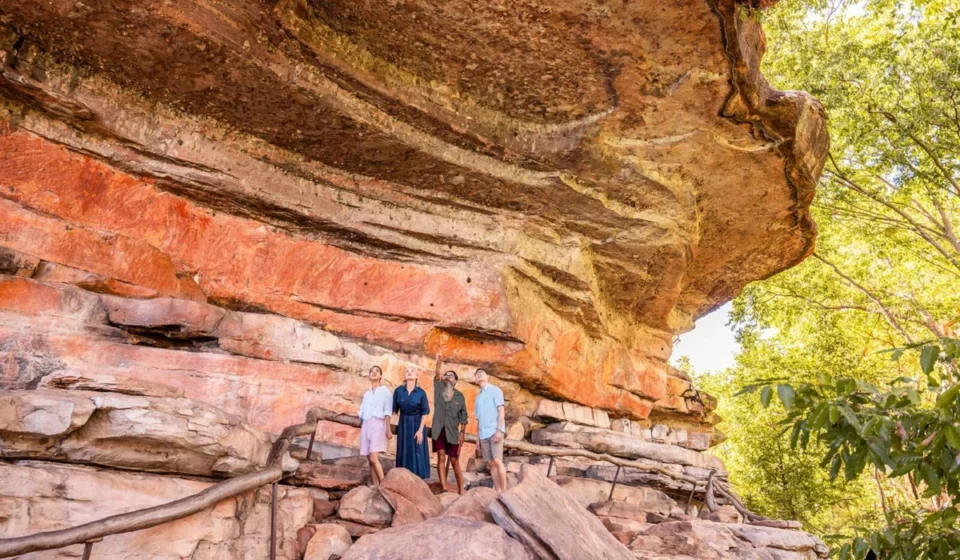
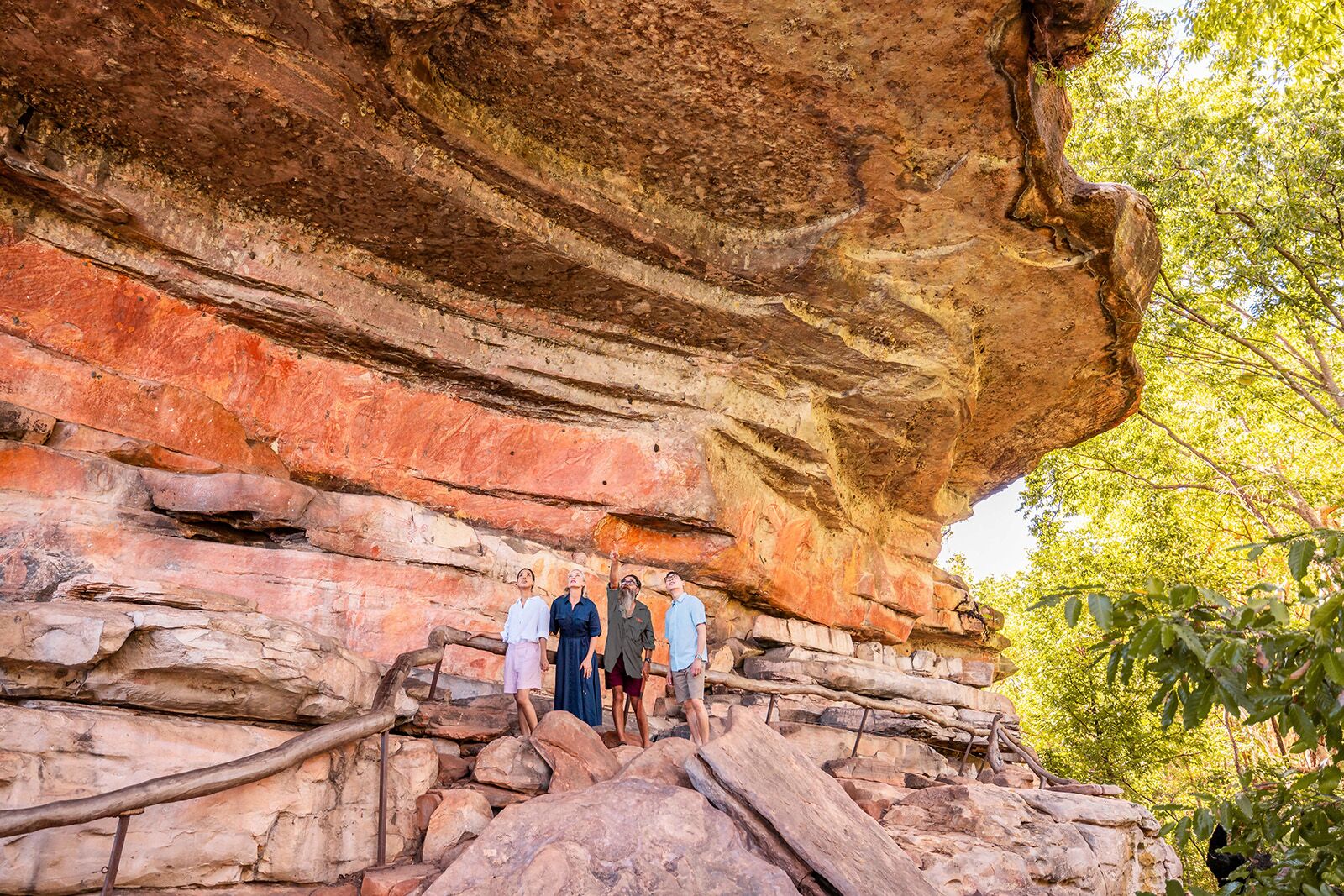
Alongside Natasha Nadji, a Traditional Owner who grew up in Jabiru and Cannon Hill, we explored the rock art galleries of Ubirr. Here, the paintings depict a rich tapestry of ancestral beings, fish, and macropods. Nadji’s insights transformed the experience; she spoke of the "Mimih spirits"—slender beings who live in the rock crevices and taught the clans the art of crosshatch painting. For the visitor, it is a humbling reminder that while the Eiffel Tower is an architectural marvel, the art at Ubirr predates it by tens of thousands of years.
Supporting Data and Indigenous Perspectives
The portrayal of Aboriginal people in Crocodile Dundee has, in the decades since its release, faced valid academic and cultural criticism. However, for the families involved, the legacy is complex and personal.
Natasha Nadji’s grandfather, Bill Neidjie, was pivotal during the 1980s. He acted as the crucial intermediary between the film production and local Aboriginal families, explaining the project’s scope and ensuring that the filmmakers respected the sanctity of the sites they occupied. Today, when the film appears on television, families in the region often watch with pride, seeing their kin and their country immortalized. As Nadji poignantly describes it, the film is "a love story for Country, and a love story for a woman."
Official Responses and Conservation Efforts
Protecting the physical integrity of Kakadu is a constant, rigorous task. The rock art sites, such as the Anbangbang gallery at Burrungkuy, are vulnerable to the elements. Mandy Muir highlighted the practical engineering required to maintain these sites, such as the installation of silicone drip lines to redirect monsoonal rainwater that would otherwise erode the fragile sandstone canvases.
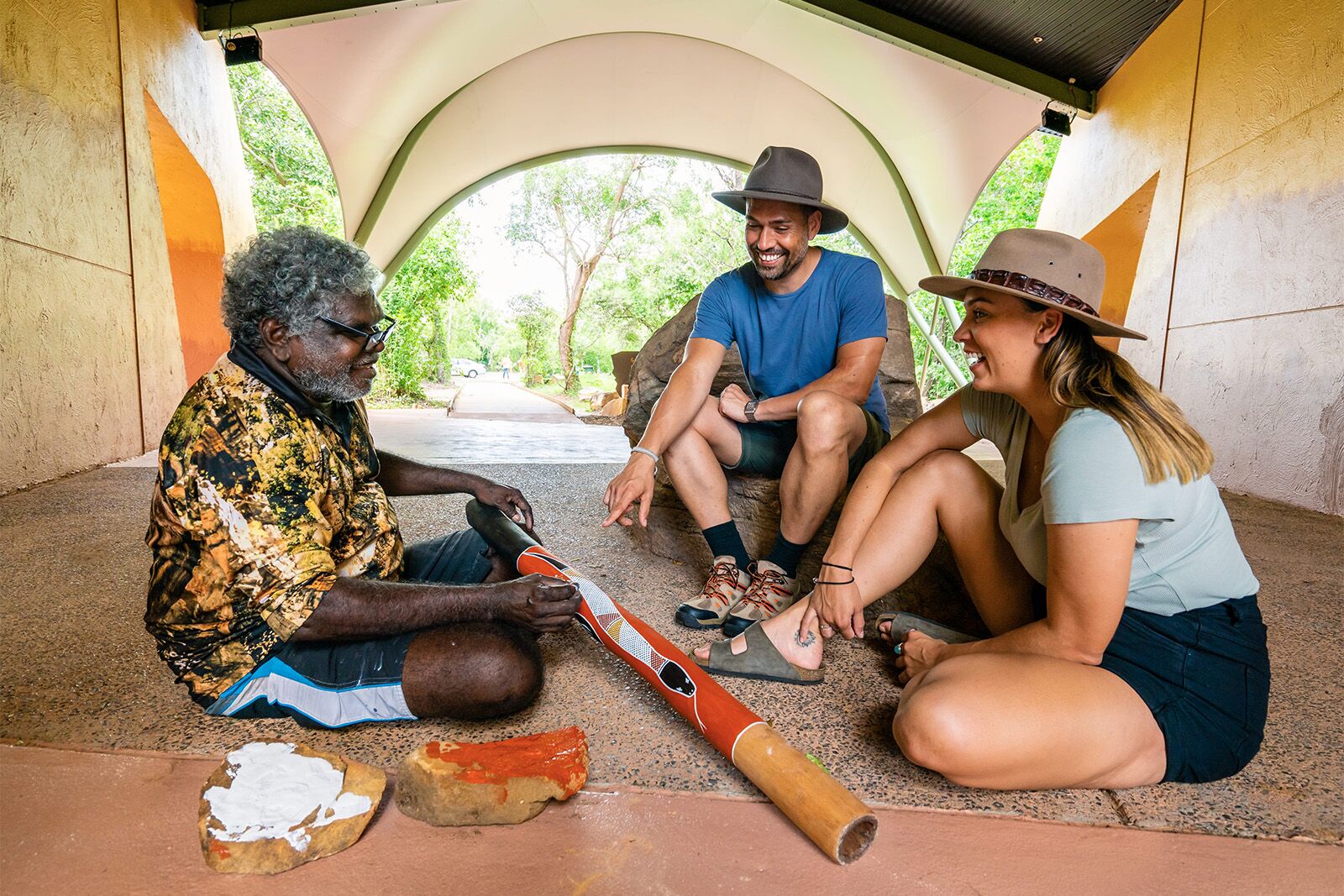
The park management works in lockstep with the Bininj and Mungguy to ensure that tourism remains sustainable. At the Warradjan Aboriginal Cultural Centre, visitors are provided with a comprehensive overview of the cultural protocols required for travel in Kakadu. The center serves as an educational hub, emphasizing that culture is not a static relic but a dynamic force that provides a "place of belonging."
Implications for Future Tourism
The lesson for modern travelers is clear: slow down. The "Crocodile Dundee" trail—visiting the lookouts at Ubirr or the plunge pools at Gunlom—is a fantastic way to see the park, but it is only the surface.
The Practicalities of Exploration
- Safety and Respect: The Northern Territory is wild. Always heed the bright yellow crocodile warning signs. The presence of saltwater crocodiles is a stark reminder of the power of nature in the wetlands.
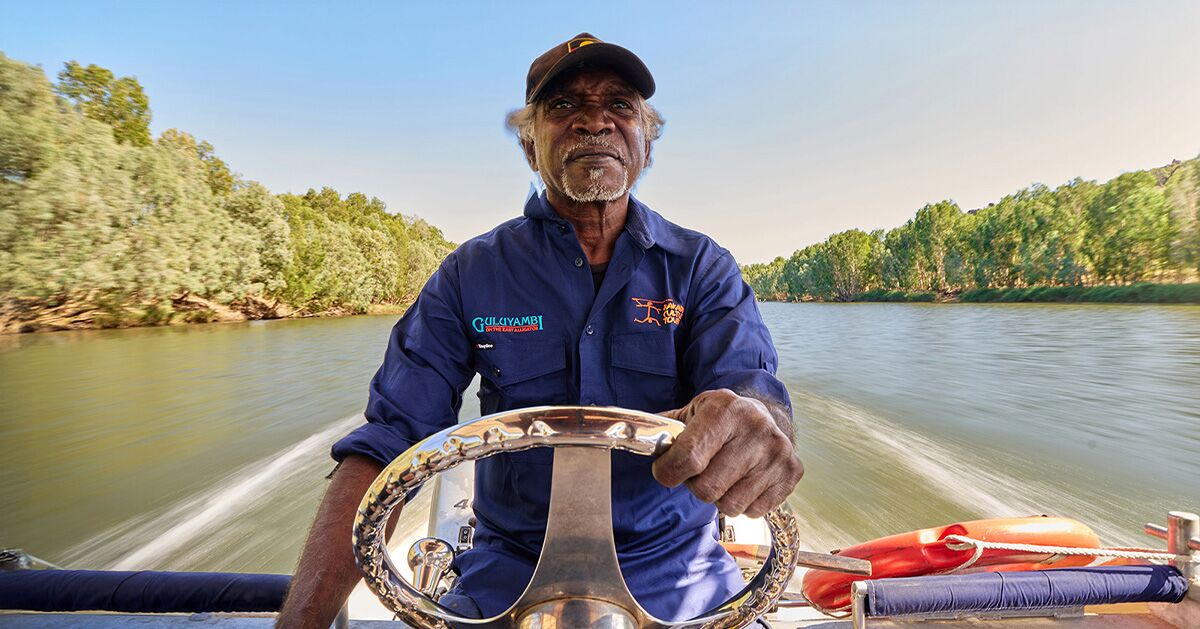
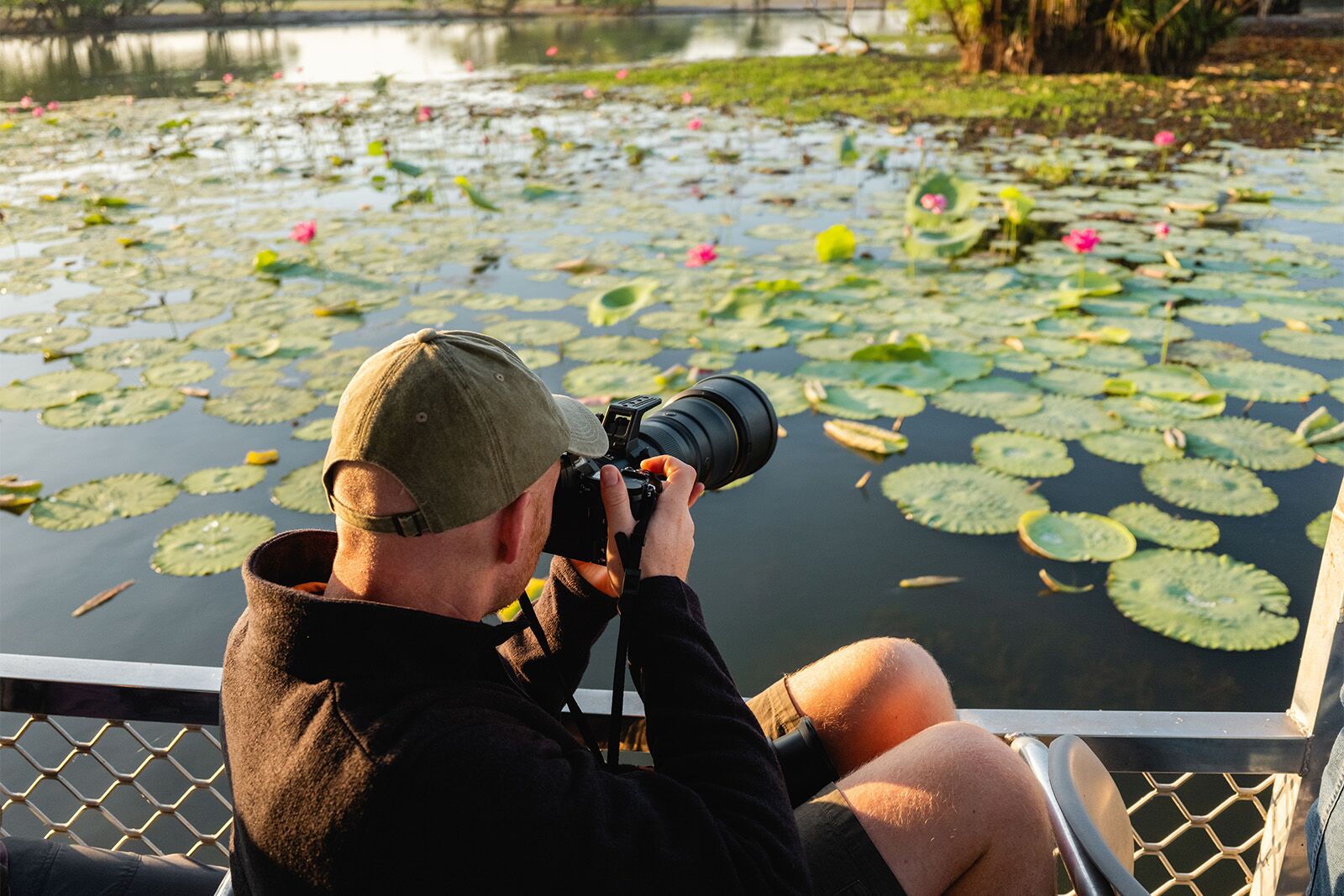
- Guided Tours: Engaging with an Aboriginal-led tour is not just recommended; it is essential. Whether it is a sunset cruise on the Yellow Water (Ngurrungurrudjba) billabong with guides like Dennis Miller—who shares stories of "itching trees" used to discipline misbehaving children—or an excursion to the upper pools of Gunlom, the narrative context provided by local guides elevates the experience from sightseeing to true learning.
- Logistics: Splitting a trip between the Kakadu Crocodile Hotel in Jabiru and the safari tents at Cooinda Lodge is the most efficient way to manage the park’s vast distances.
Expanding the Scope: Darwin
The city of Darwin serves as the perfect prologue or epilogue to a Kakadu trip. With a mural density higher than most major cities and the newly opened Larrakia Cultural Centre at the Waterfront, Darwin offers deep insights into the local Traditional Owners. Markets like Rapid Creek and Nightcliff are more than commerce hubs; they are spaces where one can find Aboriginal-owned labels like KingKing, which weave stories of ancestral land into contemporary fashion and design.
Conclusion: A Shift in Perspective
Forty years ago, the creators of Crocodile Dundee entered the Northern Territory as outsiders looking for a dramatic location. Today, the park welcomes thousands who seek to walk in those same footsteps. But the true value of a trip to Kakadu lies in the realization that the land is not a backdrop for our stories. It is, and has always been, the primary actor.
As I left the escarpments, I found my perspective irrevocably altered. I had arrived seeking the specific tree from a movie scene, but I left with an appreciation for the cultural fabric that sustains this ancient landscape. The film may have brought me to Kakadu, but it was the stories of the people—the stewards of the land—that made me understand why it must be protected for the next forty years, and the forty thousand years beyond that.