

















































The "PHP-ocalypse": How a Decades-Old Vulnerability Exposed the Fragility of the Modern Web

In a stark reminder of the fragile infrastructure upon which the modern digital world is built, a massive, industry-wide scramble erupted this week following the discovery of critical vulnerabilities within PHP, the open-source scripting language that powers a significant portion of the internet. The incident, colloquially dubbed the “PHP-ocalypse” by industry observers, has forced a reckoning regarding the security of legacy open-source code and the accelerating role of artificial intelligence in both discovering and weaponizing such deep-seated flaws.
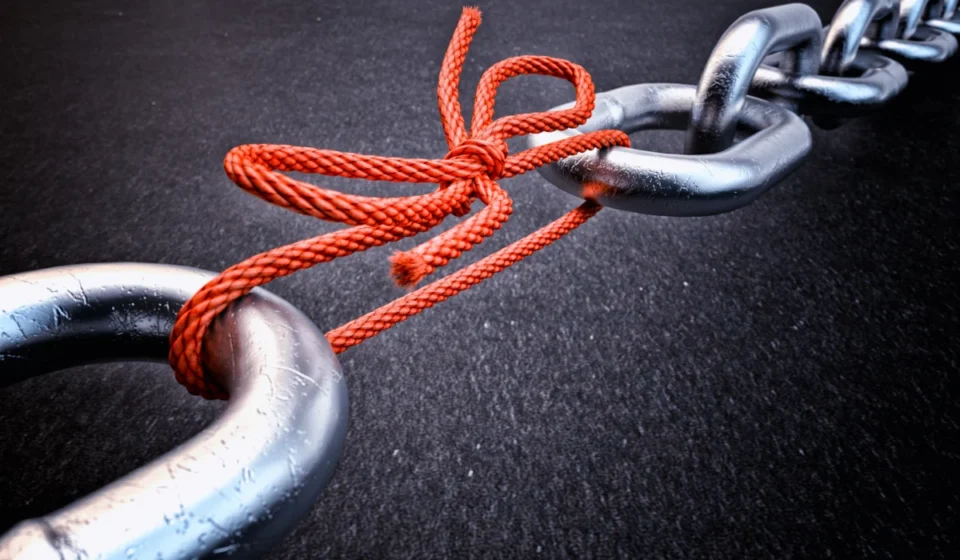
Website administrators worldwide were issued an urgent directive: apply critical security patches immediately or, if unable to do so, take sites offline entirely to prevent exploitation. The sheer scale of the panic underscored a uncomfortable reality—the backbone of the internet, while essential, is often maintained by a patchwork of aging code that few truly understand and even fewer are equipped to secure.
The Anatomy of the Crisis: Main Facts
PHP, or Hypertext Preprocessor, is the engine room of the web. It serves as the core foundation for major content management systems (CMS) like WordPress and Drupal, which together support an estimated 70% of all websites globally. Despite its ubiquity, PHP is a decades-old technology, and the recently discovered vulnerabilities—collectively termed "PHP2Shell"—have been lurking within its architecture for years, effectively hiding in plain sight.
The vulnerability allows unauthorized remote code execution, granting attackers the ability to take control of servers running vulnerable PHP versions. The discovery was brought to light through a collaborative security initiative, where human researchers utilized AI-driven tools to unearth flaws that had remained undetected for decades. However, the revelation triggered a frantic, high-stakes race: once the vulnerability was announced, threat actors—potentially aided by their own AI agents—began attempting to exploit the flaw at an industrial scale.
A Chronology of the "PHP-ocalypse"
The events of the week unfolded in a sequence that highlights the volatility of modern cybersecurity disclosures:
- Pre-Disclosure Exploitation: Before the vulnerability was publicly acknowledged, sophisticated actors were already probing the wild for entry points. Amazon’s threat intelligence teams, operating decoy "honeypot" networks, reported detecting active exploitation attempts against the PHP2Shell vulnerability well before the official patch or public warning was issued.
- The Disclosure Rollout: As the scope of the threat became clear, a public disclosure was initiated. However, the rollout was marred by confusion. Some parties reportedly leaked information ahead of the official embargo, effectively tipping off the hacker community before administrators had the chance to secure their environments.
- The "Race to Patch": Following the public announcement, the internet witnessed a "reckoning moment." Cloudflare CEO Matthew Prince reported a massive spike in traffic, noting that his systems were tracking millions of attempted hacks targeting the PHP2Shell vulnerability within hours of the news breaking.
- The Global Response: Governments, small businesses, and massive enterprises were forced into a binary choice: patch the system or pull the plug. This led to a wave of temporary site outages as administrators scrambled to update their software or safeguard their data, leading to what some experts fear will be a permanent increase in "link rot" as smaller, less-maintained sites are abandoned rather than secured.
Supporting Data and Technical Context
The scale of the crisis is difficult to overstate. PHP is not merely a tool for hobbyists; it is the infrastructure for enterprise-level commerce, government portals, and millions of independent publications.
Security experts like those at 404 Media have noted that the "PHP-ocalypse" is a precursor to a new era of digital warfare. The primary concern is the intersection of legacy software and modern AI. While the specific PHP bugs were identified by human researchers using AI as an investigative tool, the implications for the future are clear:
- AI-Driven Vulnerability Research: Large Language Models (LLMs) and specialized AI agents are now capable of scanning millions of lines of legacy code to identify vulnerabilities that would have taken human teams months to find.
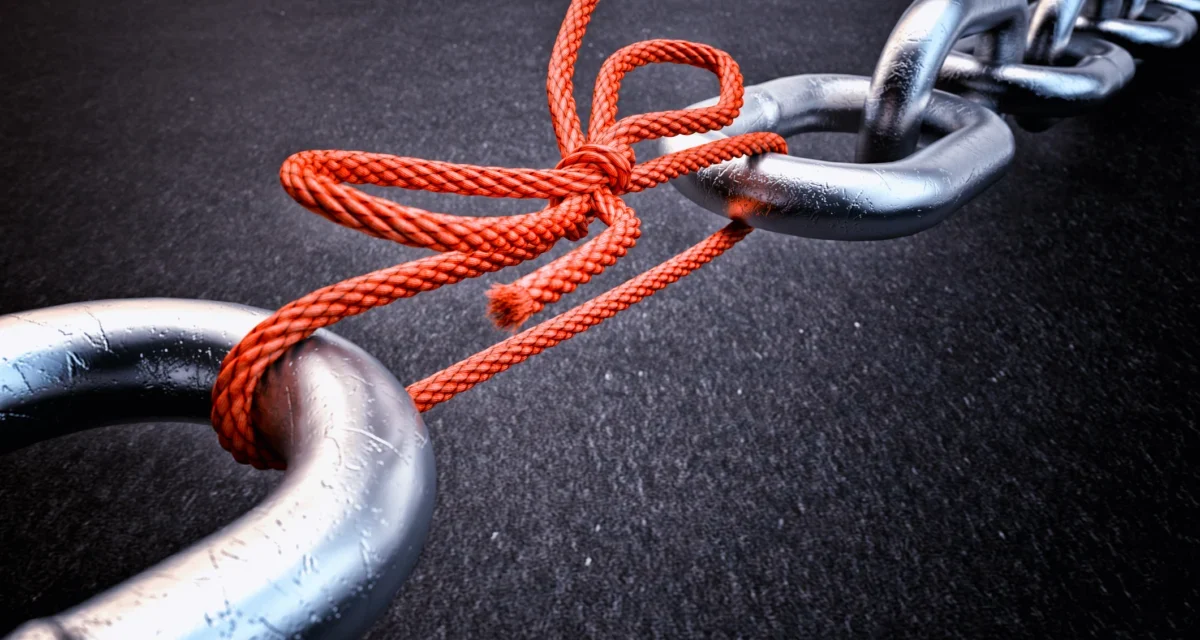
- The "Glue and Dreams" Problem: Sean O’Kane, in a recent TechCrunch Equity podcast discussion, described the current state of internet security as being "held together by glue and dreams." He noted that as we delve deeper into the fundamental layers of the internet, we find increasingly fragile, ancient code that is being asked to support the weight of modern, AI-integrated systems.
- The Honeypot Evidence: The data from Amazon’s threat intelligence demonstrates that the window between a vulnerability’s discovery and its exploitation is shrinking to near-zero. Automated agents can now perform reconnaissance, identify vulnerabilities, and launch payloads faster than a human administrator can read an email notification.
Official Responses and Industry Sentiment
The industry response has been characterized by a mix of alarm and professional resignation. Major players, including those involved in the research initiative, have faced criticism for the manner in which the information was disseminated. Critics argue that the "chest-beating" associated with some disclosure efforts may have inadvertently accelerated the race to hack, putting vulnerable, under-resourced organizations at a distinct disadvantage.
Kirsten Korosec, during the Equity discussion, highlighted the disparity between organizations like Amazon—which possess the capital and security infrastructure to detect and mitigate threats in real-time—and the average small business or government entity. "There are so many websites and even potentially government websites that just don’t have that level of attention," she remarked.
Furthermore, the sentiment among cybersecurity professionals is shifting toward a "prepper" mentality. The fear is that if a decades-old language like PHP can be compromised so thoroughly, other foundational technologies may be equally vulnerable. This has led to intense speculation about what comes next: will we see a wave of new cybersecurity startups focused on auditing legacy code, or will organizations be forced to migrate entirely to newer, more secure, but less flexible platforms?
Implications for the Future of the Web
The "PHP-ocalypse" serves as a definitive case study in the risks of technical debt. The implications for the future are multifaceted:
1. The Death of Security by Obscurity
For years, much of the internet’s security relied on the fact that older codebases were too complex or obscure for hackers to bother with. That era is definitively over. With AI agents acting as tireless, 24/7 security auditors, no piece of code is too old or too obscure to be scrutinized.
2. The Link Rot Crisis
As Korosec pointed out, one of the more subtle consequences of this incident is the potential for massive link rot. Many organizations, when faced with an urgent, complex security update for an aging site, may simply choose to take the site offline permanently. This threatens to erase vast swaths of digital history, particularly for smaller entities that lack the resources to maintain their online presence in an increasingly hostile threat landscape.
3. A New Frontier in Cybersecurity
The incident has effectively signaled the start of a new, more intense phase of cybersecurity. The "back and forth" between those who use AI to find vulnerabilities and those who use AI to defend against them is expected to accelerate. We are likely to see:
- Increased Reliance on Automated Patching: Manual intervention is no longer fast enough. Future security architectures will need to rely on automated, AI-driven patching systems that can respond to threats before they manifest.
- Governmental Oversight: Given the potential for banks and critical infrastructure to be compromised, we may see increased pressure for stricter regulations regarding the maintenance and disclosure of vulnerabilities in open-source software that constitutes "critical internet infrastructure."
In conclusion, the "PHP-ocalypse" was a wake-up call. It revealed that the internet is not a static, finished product, but a living, breathing, and increasingly fragile construction. As we move forward, the challenge will be to reconcile the need for rapid innovation with the burden of maintaining the aging, "glue-and-dreams" infrastructure upon which the entire digital economy rests. Whether the industry responds with stronger, more resilient code or by fracturing into more closed-off, managed environments remains the most critical question for the next decade of web development.