



















































Nestled at the base of the world-renowned Beaver Creek Resort, the Sheraton Mountain Vista Villas stand as a testament to the versatility of Colorado’s high-country hospitality. While the Vail Valley is globally synonymous with winter powder, a growing movement of summer travelers is rediscovering the region as a hub for endurance sports, family adventure, and refined relaxation. By balancing the rugged intensity of the Rockies with the upscale comforts of a Marriott Vacation Club property, the Sheraton Mountain Vista Villas offer a unique "home-away-from-home" paradigm for the modern explorer.
The Foundation of a Mountain Retreat
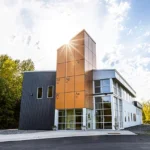
The appeal of the Sheraton Mountain Vista Villas lies in its dual identity. For many, it functions as a gateway to the Marriott Vacation Club, offering a portfolio of timeshare ownership that grants access to a global network of properties. For others, it operates as a high-end, flexible resort hotel, where guests can book individual suites for stays ranging from a weekend to an extended seasonal residency.
The architecture of the resort reflects its purpose: comfort, utility, and communal connection. With 158 guest villas, the property is uniquely designed with interconnecting capabilities. These mirror-image suites can be paired, effectively doubling capacity for multi-generational families or groups of friends. Inside, the design ethos mirrors the surrounding peaks—full kitchens, fireplaces, and expansive dining areas provide the infrastructure necessary to transition seamlessly from a backcountry excursion to a quiet, home-cooked meal.
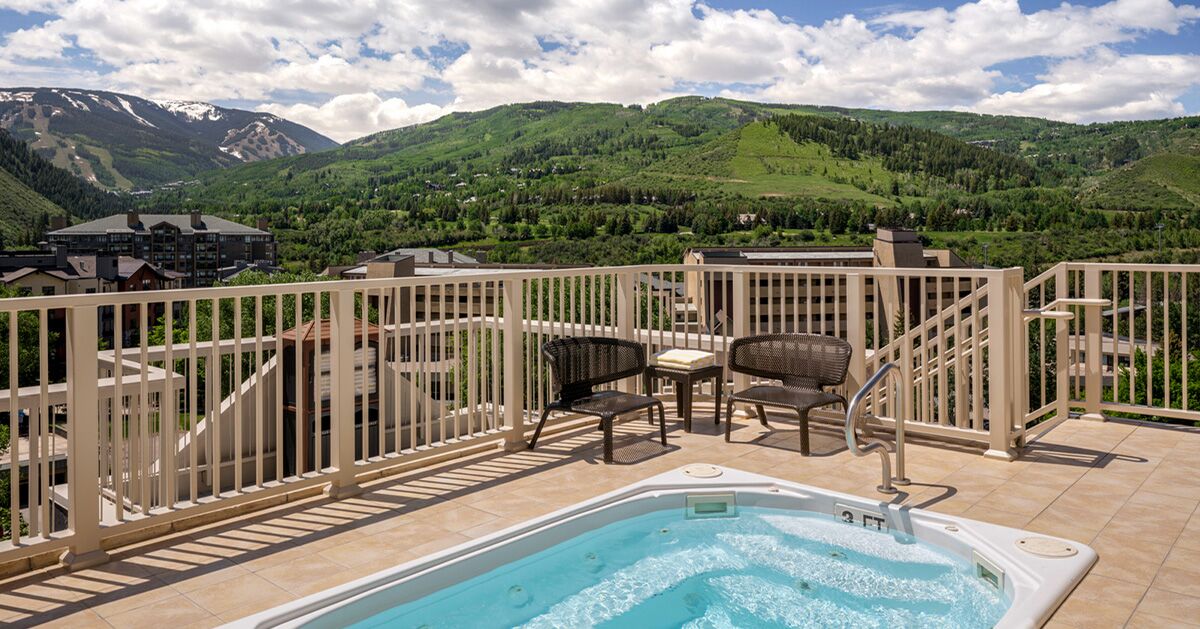
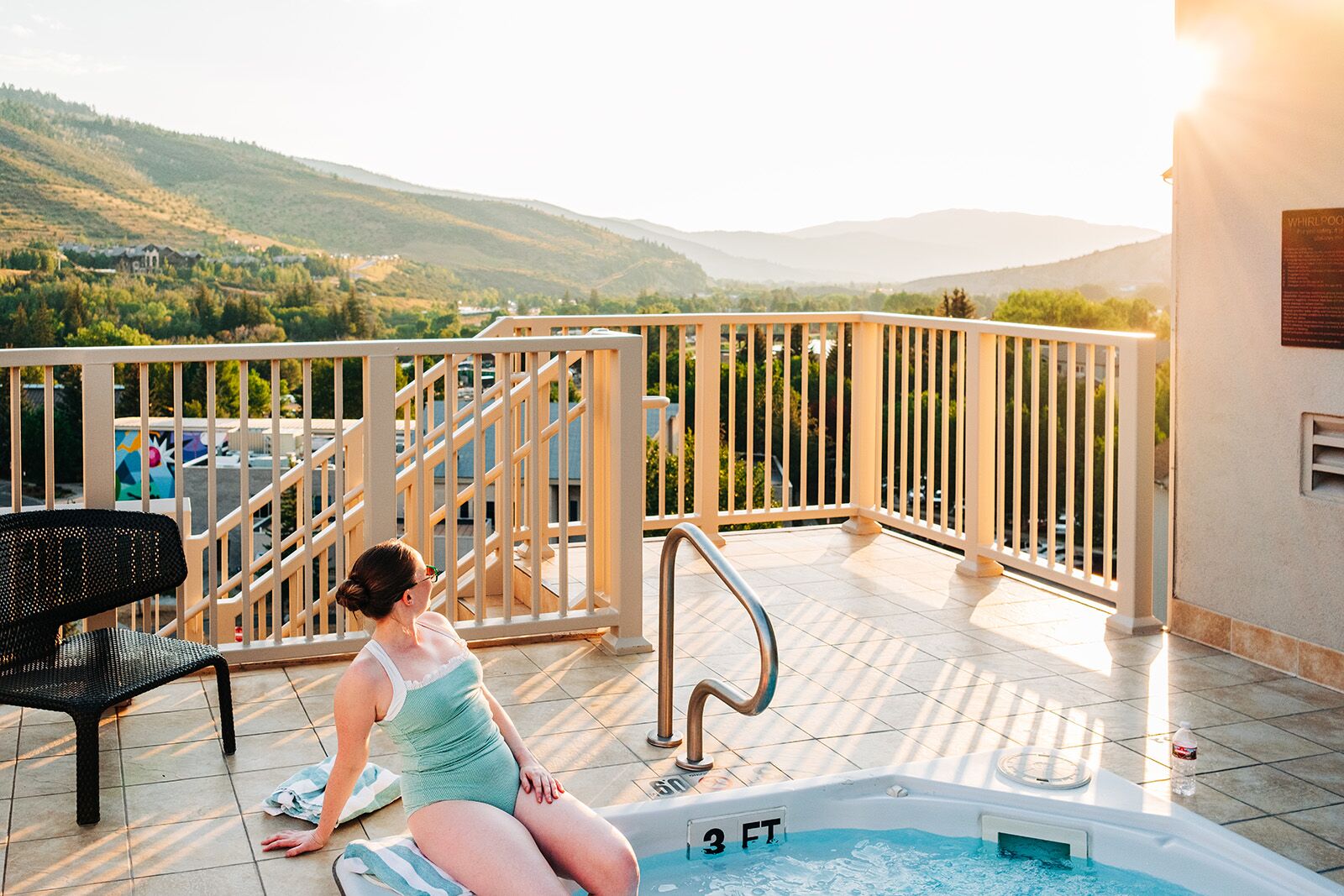
Beyond the living quarters, the resort’s amenities are engineered to cater to the post-adventure recovery process. The fitness center is a standout, offering more than just standard weight benches; it features a steam room and a rooftop hot tub that provides arguably the best panoramic view of the Beaver Creek peaks in the valley. A dedicated entertainment room keeps the momentum going with pool tables, ping pong, and a suite of modern gaming consoles, ensuring that even when the sun goes down, the activity level remains high.
A Chronology of Alpine Exploration
To truly understand the rhythm of a summer in the Vail Valley, one must experience it through the lens of a traveler who prioritizes both peak performance and leisure.
Day 1: Settling into the Vista
The arrival in the Vail Valley is, for many, an exercise in decompression. After navigating the winding ascent into the mountains, the immediate reward is the rooftop hot tub. A soak under the thin, high-altitude air serves as the perfect reset after travel. The evening is best spent in the entertainment room, engaging in a bit of competitive table tennis before resting up for the physical demands of the following days.
Day 2: The Serenity of Piney Lake
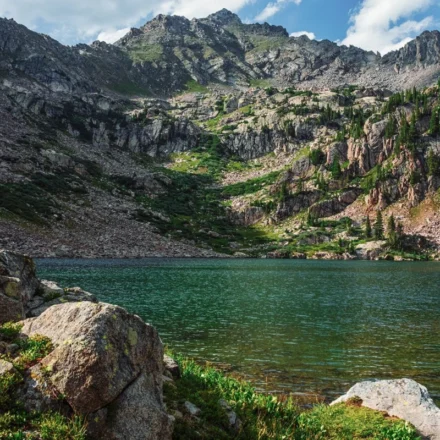
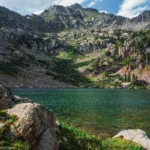
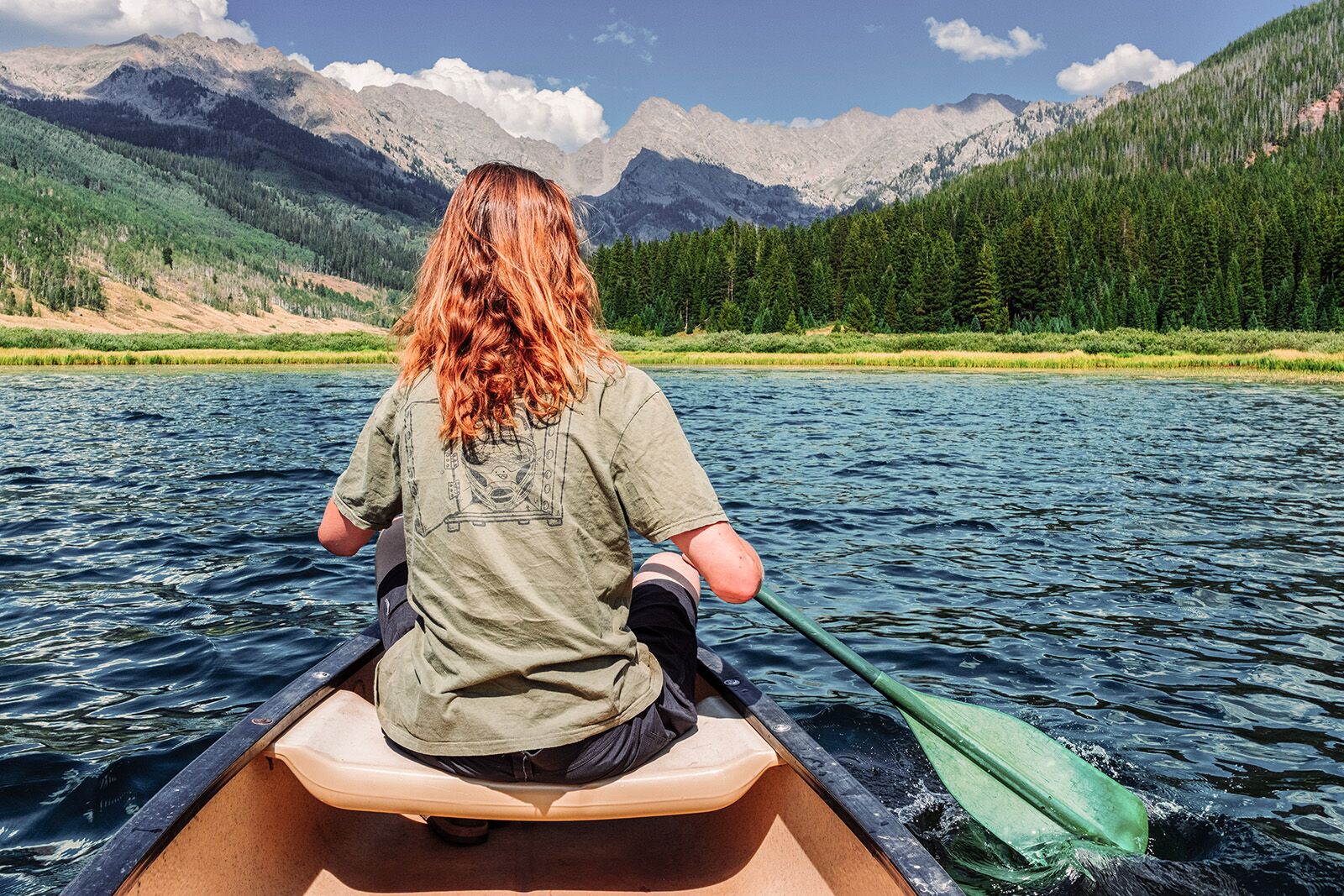
The first full day demands an early start. A rugged, hour-long drive north of Vail brings visitors to the shores of Piney Lake, a spot that feels worlds away from the bustle of the I-70 corridor. Renting a canoe here offers a perspective on the granite peaks that cannot be replicated from the road. The reflections on the water, disrupted only by the wind, provide a moment of stillness.
Following the paddle, the Upper Piney River Trail offers a challenge. The three-mile trek through golden aspen groves leads to the dramatic Upper Piney River Falls. The true reward, however, is found beyond the falls, where the trail ascends into the high-alpine wilderness, granting hikers a sense of isolation that is increasingly rare in popular tourist destinations.
Day 3: The Vertical Challenge
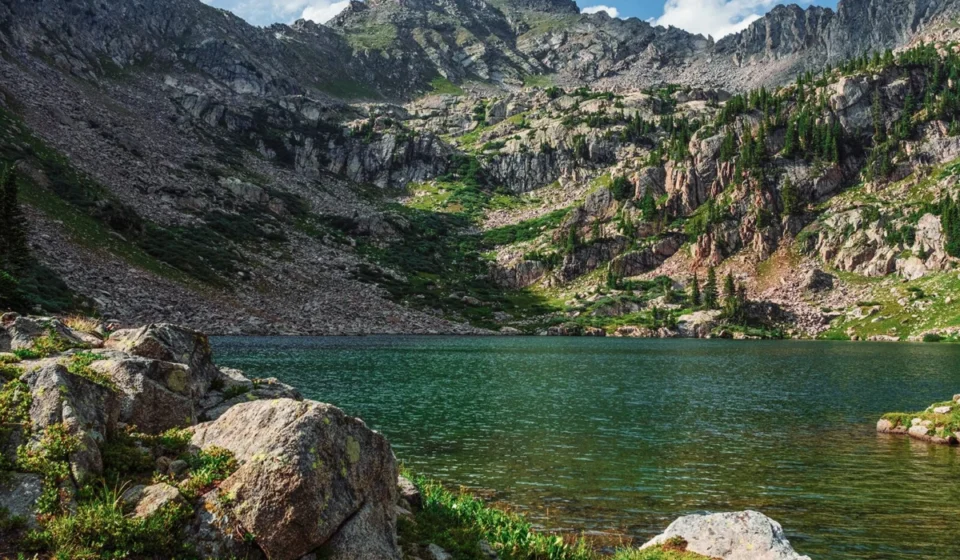
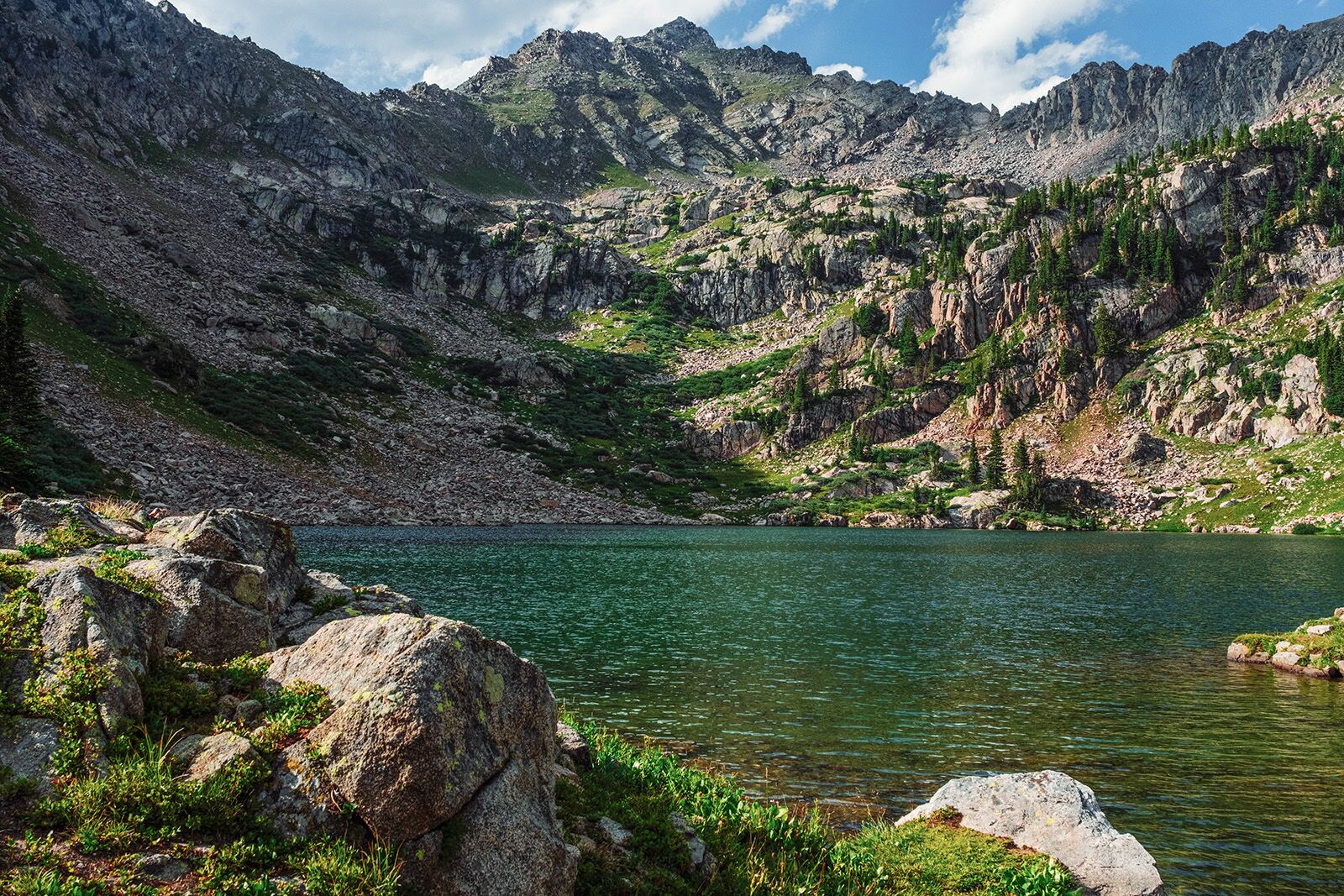
No trip to the Vail Valley is complete without testing one’s mettle on the Pitkin Creek Trail. This is not a casual stroll; the trail climbs 3,000 vertical feet over five miles. The ascent is a brutal, beautiful reminder of the thin air, where the only sounds are the wind through the leaves and the rhythm of one’s own breathing. Upon reaching the glacial-scoured hanging valley—crowned by a cold, pristine alpine lake—the physical toll feels entirely justified.
Returning to the civilization of Avon, the evening is best spent at Ticino Italian Restaurant. Locals know it as the place where the casual, sweat-soaked atmosphere of the day’s hike blends perfectly with the refined local dining scene. Hearty portions of pasta and gnocchi provide the necessary caloric replenishment for the following day’s adventures.
Day 4: Whitewater and Fireside Traditions
After a morning of recovery—perhaps involving an in-suite soak with a view of the sunrise over Beaver Creek—the focus shifts to the Colorado River. Whitewater rafting in Glenwood Canyon is a staple of the region. Navigating the "Shoshone Rapids" provides a dose of adrenaline, with technical challenges like "The Wall" and "Tombstone" testing the nerves of rafters. The trip concludes with more sedate stretches of water, ideal for cooling off and connecting with fellow travelers.
Back at the resort, the day ends in the tradition of the American West: a firepit, s’mores, and the quiet satisfaction of a day spent in the elements.
Day 5: The Final Lap
Before the journey home, the West Avon Preserve offers a final, fast-paced challenge. Thanks to the convenience of having mountain bike rentals available directly off the hotel lobby via Charter Sports, guests can squeeze in a world-class ride without the hassle of vehicle logistics. A sunrise lap on the "Lee’s Way Down" trail—complete with rock drops and roller sections—is the perfect final act to a Vail Valley itinerary.
Supporting Data and Regional Context
The success of the Sheraton Mountain Vista Villas model is built on the logistical realities of the Vail Valley. Unlike winter, where the shuttle system allows for a car-free experience, summer in the valley requires mobility.
- Logistics: The resort is located in Avon, providing a central hub that is significantly more accessible than the deeper, more congested reaches of the ski resort core.
- Accessibility: Guests arriving at Denver International Airport (DEN) are faced with a two-hour drive along the I-70 mountain corridor. While this drive is scenic, it necessitates the rental of a private vehicle, particularly for those wishing to access remote trailheads like Piney Lake or Pitkin Creek.
- Utility: The "full-kitchen" suite model is a key economic driver for guests. By allowing visitors to prepare their own meals, it reduces the pressure of securing dinner reservations in a valley where top-tier restaurants often have multi-week waitlists during peak season.
Official Perspectives: The Value of the "Basecamp"
Management at the Sheraton Mountain Vista Villas emphasizes that the resort is designed to function as an extension of the local environment. "We aren’t just providing a place to sleep," says a resort spokesperson. "We are providing a basecamp. Whether you are here for the world-class mountain biking, the fishing, or the rafting, our goal is to eliminate the friction between your desire for adventure and the logistics of the stay."
The inclusion of gear-friendly suites and on-site rental partnerships is a direct response to feedback from active travelers. By minimizing the time spent dealing with equipment transport and meal planning, the resort maximizes the time spent in the alpine air.
Implications for Future Travelers
The shift in the Vail Valley toward a year-round outdoor destination has profound implications for how travelers choose their lodging. The traditional hotel room—often cramped and lacking in storage—is increasingly being replaced by the "villa" concept.
For the modern traveler, the ability to store bikes, dry gear, and cook fresh, local ingredients is not just a convenience; it is a fundamental part of the travel experience. The Sheraton Mountain Vista Villas represent a successful adaptation to this trend. By offering a blend of institutional reliability (the Marriott brand) and localized, adventure-ready amenities, they set a high bar for what a mountain resort should provide in the 21st century.
As the lines between luxury and adventure continue to blur, properties that prioritize "functional comfort" will continue to dominate the market. For those planning a trip to the Vail Valley, the lesson is clear: choose a basecamp that understands your pace, respects your need for recovery, and keeps you within striking distance of the trail.