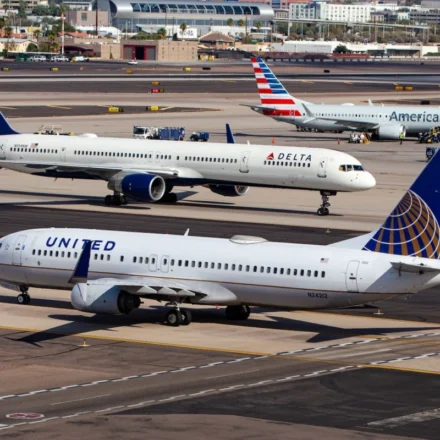



























































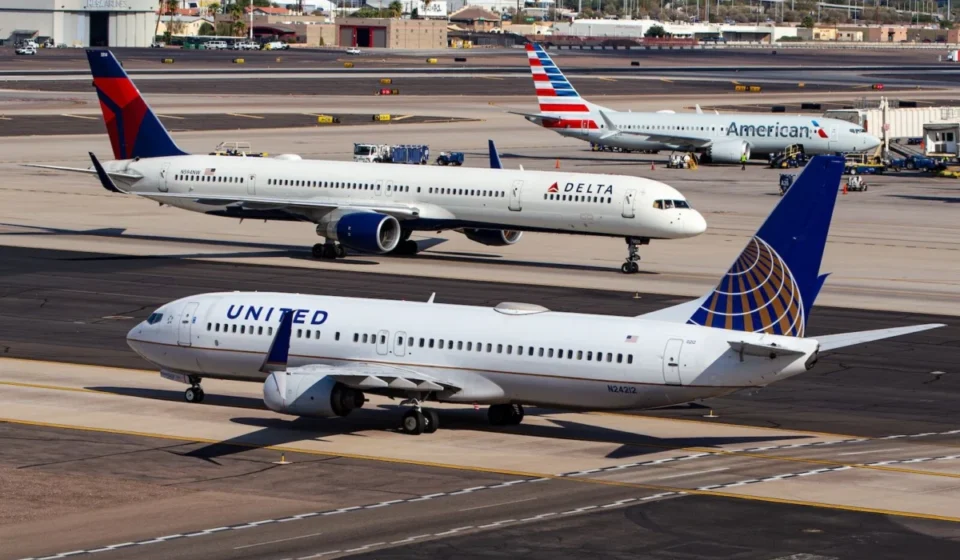

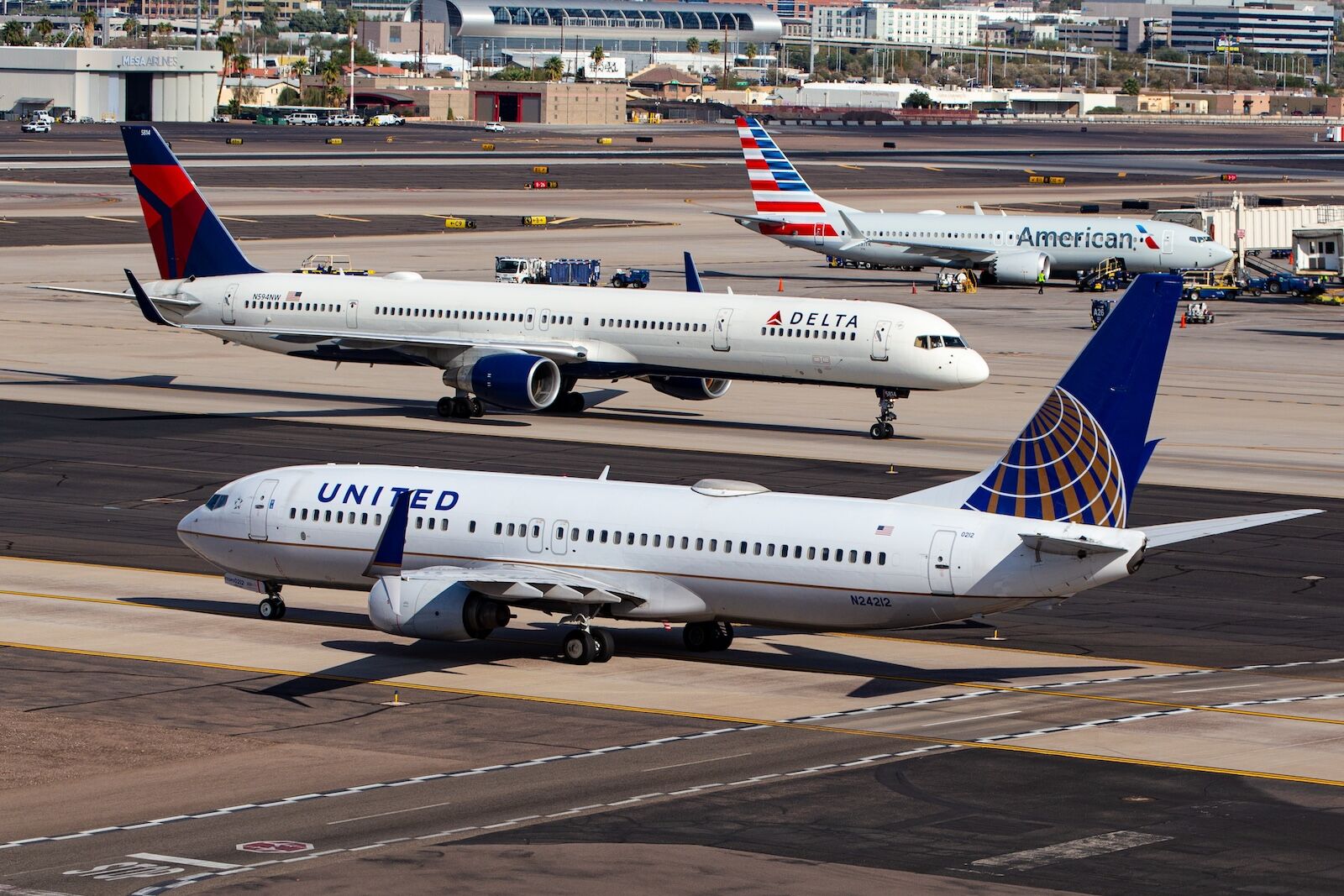
For millions of American travelers, the experience of domestic air travel has become synonymous with a specific, limited set of logos. Whether flying from New York to Los Angeles or Chicago to Miami, the options are almost always narrowed down to the "Big Four"—United, Delta, American, and Southwest. While travelers often wonder why the quality of service on these domestic legs frequently pales in comparison to the premium international carriers they encounter abroad, the answer lies in a century-old, little-known aviation regulation: cabotage.
Cabotage is the legal doctrine that prohibits foreign airlines from transporting passengers or cargo between two points within a single sovereign nation. In practical terms, this means that while an airline like Emirates can bring you from Dubai to New York, or Lufthansa can ferry you from Frankfurt to Los Angeles, neither is permitted to sell you a ticket for the domestic leg between those two US cities. By design, this law effectively shields domestic US carriers from direct international competition on their most lucrative routes.
The Origins of a Protectionist Legacy
The term "cabotage" traces its linguistic roots to the French word caboter, which means "to sail along the coast." In the 16th century, it was used to describe French maritime laws that restricted coastal trade to French-owned vessels. Over time, the concept migrated into English, evolving from a seafaring necessity into a broad economic protectionist tool.
The modern application of cabotage in the United States is deeply rooted in early 20th-century isolationism and post-WWII geopolitical strategy. The foundation was laid by the Air Commerce Act of 1926, the first major federal attempt to regulate the burgeoning aviation industry. The act included a blunt, unambiguous provision: "No foreign aircraft shall engage in interstate or intrastate air commerce."
Following the devastation of World War II, the global aviation landscape required a standardized framework. In 1944, delegates from 54 nations gathered in Chicago to sign the "Convention on International Civil Aviation," commonly known as the Chicago Convention. While the treaty focused on safety and technical standards, it also established the "Freedoms of the Air." The eighth freedom—often called "consecutive cabotage"—granted countries the explicit right to reserve domestic air traffic for their own national carriers. The United States seized this opportunity, cementing these protections into the Federal Aviation Act of 1958. Today, these laws remain a cornerstone of American aviation policy, mirrored by similar restrictions in Canada, Australia, China, Brazil, and across the European Union.
The Case for Protectionism: National Security and Economic Stability
Proponents of cabotage laws argue that aviation is far more than a simple commercial service; it is a critical pillar of national infrastructure. The primary argument rests on three pillars: national security, labor protection, and economic sovereignty.
The Civil Reserve Air Fleet (CRAF)
A major justification for restricting domestic skies is the integration of commercial airlines into national defense strategy. Under the Civil Reserve Air Fleet program, participating US carriers agree to make their aircraft available to the Department of Defense (DOD) during national emergencies. In exchange for this strategic readiness, these carriers receive preferential treatment for government contracts. Proponents argue that if foreign airlines were allowed to dominate domestic routes, the US government would lose the leverage and domestic capacity necessary to maintain this defense-critical partnership.
Protecting the American Workforce
From a labor perspective, the Air Line Pilots Association (ALPA) and various industry unions argue that cabotage prevents a "race to the bottom." They contend that foreign carriers often operate under different labor standards, government subsidies, and regulatory oversight. By opening domestic routes to these entities, the US would effectively be inviting competition that does not play by the same rules, potentially undercutting the wages and benefits of the more than 555,000 Americans employed by the domestic aviation sector as of July 2026.
The Critics’ Perspective: A Stagnant Market
Critics of the current system, ranging from free-market economists to disgruntled frequent flyers, argue that cabotage is a vestige of a bygone era that now serves only to protect inefficiency. They point out that the domestic market is not merely protected; it is heavily consolidated.
The Era of Consolidation
The current dominance of the "Big Four" is not solely the result of organic growth. Between 2008 and 2013, a series of massive mergers—including the tie-ups between Delta and Northwest, United and Continental, and American and US Airways—transformed the industry. According to a 2026 report by the Government Accountability Office (GAO), these mergers resulted in the Big Four controlling more than 75% of the domestic market.
This consolidation has had measurable, negative impacts on the passenger experience. The same GAO report found a direct correlation between decreased competition and declining service quality. Six of the seven studies reviewed indicated that when a competitor was removed from a route, on-time performance dipped and cancellation rates climbed. Specifically, one study highlighted that on routes where the number of competing carriers dropped from three to two, average delays increased by 25%, and cancellation rates surged by 7%.
The Global Comparison: Service and Connectivity
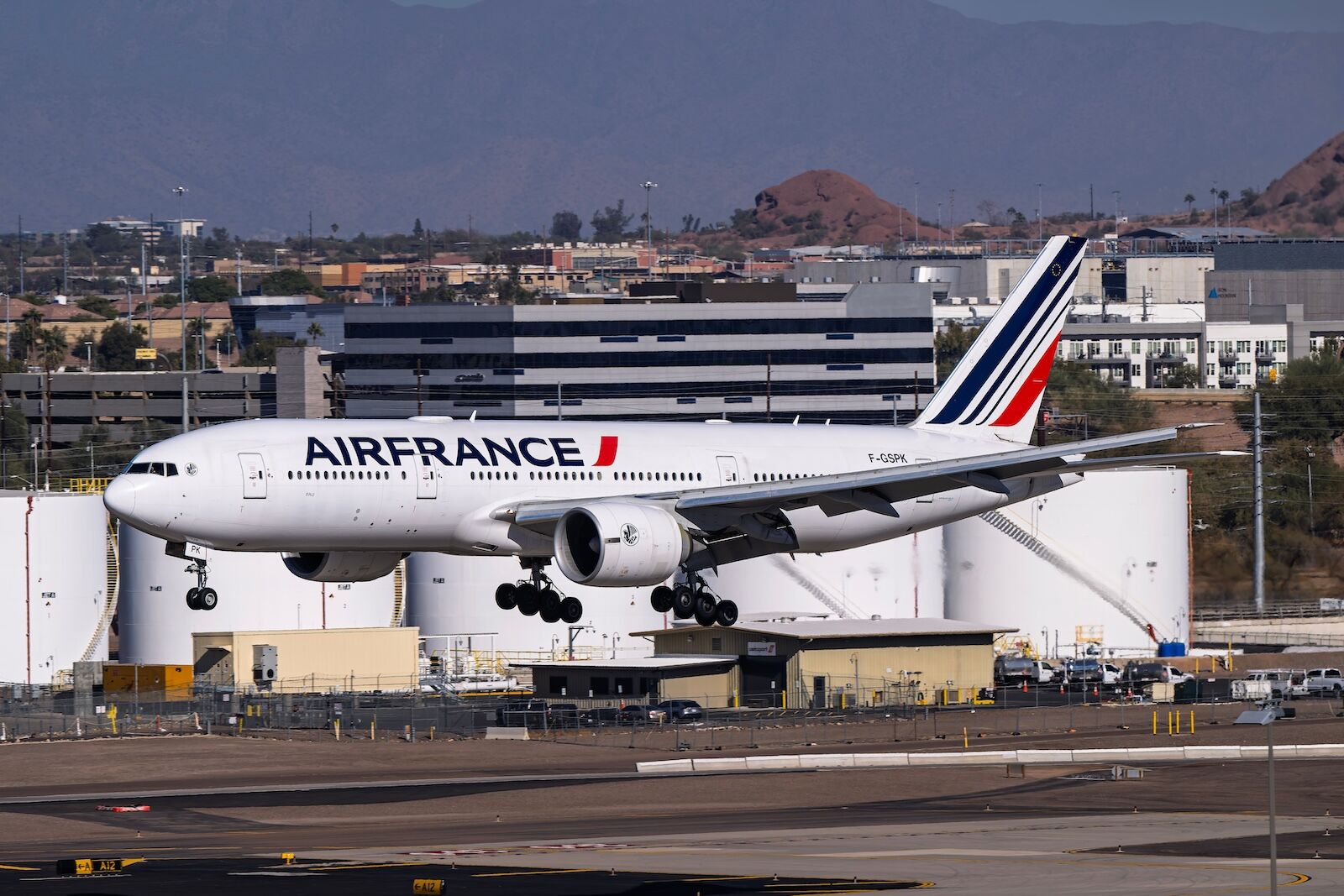
The disparity between the American flying experience and the international standard is perhaps best illustrated by the annual Skytrax World Airline Awards. In the 2025 rankings, no US-based carrier appeared in the top 20. The top 10 were dominated by carriers from nations with more open, hyper-competitive aviation hubs: Qatar Airways, Singapore Airlines, Cathay Pacific, Emirates, ANA, Turkish Airlines, Korean Air, Air France, Japan Airlines, and Hainan Airlines.
The difference in hub strategy is stark. International hubs like Istanbul, Dubai, and Hong Kong cater to over 100 different airlines, fostering an environment where service quality becomes the primary differentiator. In contrast, even major US hubs like Hartsfield-Jackson in Atlanta—the world’s busiest airport—rely on a significantly smaller pool of carriers, often limiting the pressure on airlines to innovate or improve the passenger experience.
Economic Implications and the Future of the Skies
Would lifting cabotage restrictions actually improve the experience for the average traveler? The answer is nuanced. While there is no empirical guarantee that foreign entry would lead to lower fares or better service, the theory of contestable markets suggests that the mere possibility of competition can drive quality improvements.
Economist Daniel Greenfield, in his analysis for the Federal Trade Commission, noted that competition is the single most effective driver of on-time performance. Critics argue that the US aviation sector has become complacent, protected by a regulatory moat that ensures profitability regardless of customer satisfaction. By maintaining these barriers, the US government prioritizes the financial health of the Big Four over the convenience and comfort of the millions of passengers who traverse the country daily.
As the aviation industry continues to grapple with post-pandemic staffing issues, aging infrastructure, and shifting travel patterns, the debate over cabotage is likely to gain momentum. For now, however, the "invisible" wall remains. The next time you sit in a cramped seat on a domestic flight, listening to an announcement about a two-hour delay, you are experiencing the real-world consequence of a policy decision made in 1958. While the world of aviation has become smaller and more connected, the domestic skies of the United States remain firmly closed, protected by a law that remains as controversial as it is influential.