





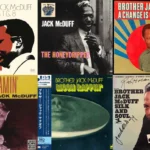













































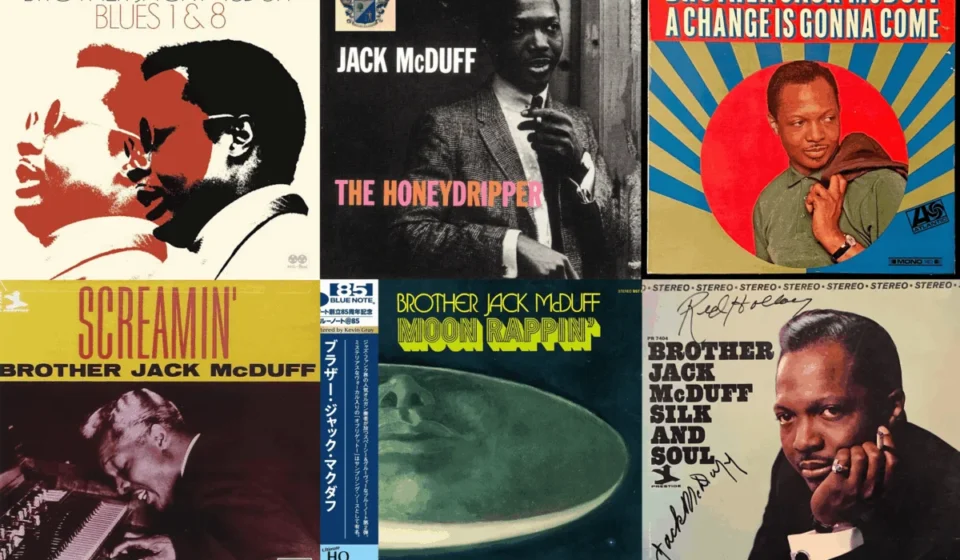

In the annals of jazz history, few figures are as synonymous with the soulful, grit-drenched sound of the Hammond B3 organ as "Brother" Jack McDuff. A titan of the 1960s hard-bop and soul-jazz explosion, McDuff was a whirlwind of rhythmic precision and blues-soaked improvisation. Yet, beneath the veneer of his flamboyant stage presence and the commercial success of his early quartet—which famously launched the career of a young George Benson—lay a human story of struggle, decline, and an unlikely redemption in the heart of the American Midwest.
As the jazz world marks the centennial of his birth this September 17, the story of Jack McDuff serves as more than just a musical retrospective. It is a testament to the transformative power of community, the healing capacity of a stable domestic life, and the unsung role the Twin Cities jazz scene played in revitalizing one of the genre’s most influential architects.
The Whirlwind Years: Defining the Sound
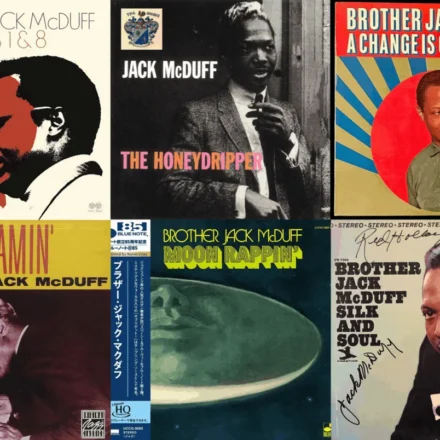
During the early 1960s, Brother Jack McDuff was a force of nature. His quartet was a masterclass in the "fatback" groove, a style that took the sophisticated harmonies of hard bop and infused them with the raw, danceable energy of the jump-blues tradition pioneered by Count Basie.
McDuff was the quintessential bandleader. With his hair perfectly coiffed in a signature white-tipped flip, a sharp pencil-thin mustache, and a wardrobe that was always "dressed to the nines," he commanded the bandstand with both physical and musical swagger. He was a demanding leader, often saving his own virtuosic solos for the final act of a performance, allowing his sidemen—such as the barrel-chested tenor saxophonist Red Holloway and the guitar prodigy George Benson—to set the stage before he brought the house down.
A Career in Shadows: The New York Decline
By the late 1980s, however, the narrative had shifted. The vibrant, cocaine-fueled landscape of New York City, where McDuff resided, had become a precarious environment for a aging jazz musician. The shifting tides of the music industry, characterized by the rise of hip-hop and the lingering shadow of punk, had left many veteran jazz artists struggling to secure steady work.

Industry insiders and former bandmates, including saxophonist Jerry Weldon, describe this as a period of profound stagnation. "There was a period in his career where he wasn’t recording or playing very much," Weldon recalls. "He didn’t have a steady contract or deal." Beyond the professional drought, those closest to him whisper of "partying" and "distractions"—euphemisms for the substance abuse issues that had begun to erode the health and talent of the legendary organist.
The Minneapolis Pivot: A Life Saved
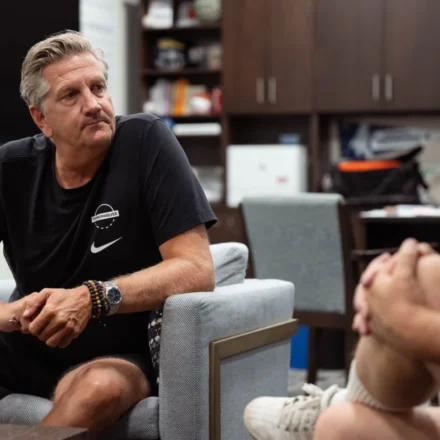
The trajectory of McDuff’s life changed during a series of gigs at the Artists’ Quarter (AQ) in St. Paul. Kenny Horst, a local drummer and co-owner of the legendary club, had been a fan since seeing McDuff in the 1960s. He began booking the organist in the late ’80s, but it was a chance encounter off-stage that anchored McDuff to the region.
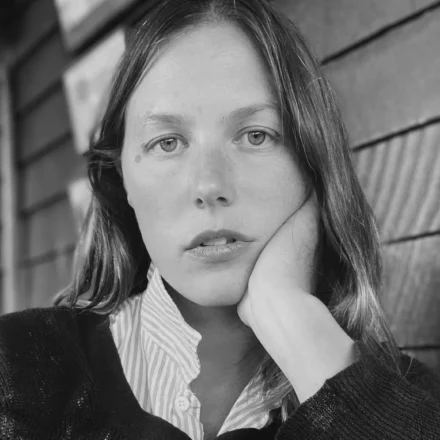
Kathy Ann Johnson, a local resident living just blocks from the club’s Nicollet Avenue location, caught McDuff’s eye. Their courtship was swift, moving from post-show wine to McDuff’s sudden, life-altering decision in 1990 to move to Minneapolis. For McDuff, leaving the chaos of Harlem for a quiet apartment in South Minneapolis provided the psychological space he desperately needed to stabilize.
"She saved him," Jerry Weldon says, his voice thick with emotion. "No question about it. She probably saved his life."
Chronology of the Renaissance
- 1960s: The peak of the "Brother Jack" era; the quartet records seminal hits like "Rock Candy" and "A Real Goodun."
- 1980s: McDuff’s career wanes in New York City amid personal struggles and a shifting cultural landscape.
- 1989-1990: First bookings at the Artists’ Quarter; meeting Kathy Ann Johnson.
- 1990: McDuff moves to Minneapolis, effectively retiring from the New York hustle.
- 1993: Jack and Kathy are married. McDuff signs with Concord Records, marking a professional resurgence.
- 1998: A debilitating stroke occurs, significantly impacting his health and mobility.
- 2001: Brother Jack McDuff passes away, leaving behind a legacy of mentorship and musical innovation.
The "Captain" at Home
In Minneapolis, McDuff’s artistry experienced a "full bloom." Kathy cleared a room in their apartment, turning it into a dedicated studio where the organist could practice and compose. He became a fixture in the lives of Kathy’s children, earning a reputation not just as a musician, but as a gentle, generous stepfather.

This period also saw his transition from "Brother" Jack to "Captain" Jack—a nod to his admiration for Count Basie. When asked about the change, McDuff would cheekily claim it wasn’t a name change, but a "promotion."
Musically, his compositions became more complex. Saxophonist Andrew Beals notes that McDuff’s arrangements during the 90s utilized advanced harmonies and sophisticated structures, far removed from the simple blues-based charts of his early career. He was rigorous with his band, "The Heatin’ System," often using his military background to demand nothing less than professional perfection.
The Institutional Support: The Dakota Deal
A critical component of this renaissance was the support of local club owners like Lowell Pickett of the Dakota. Recognizing that frequent, low-paying local gigs were detrimental to McDuff’s professional standing and physical health, Pickett brokered an arrangement. He would fly in the full "Heatin’ System" band four times a year for high-profile, two-night stands. This allowed McDuff to maintain his status as a "national act," charge appropriate ticket prices, and shield him from the burnout of constant, informal local appearances.
Official Perspectives and Legacy
Organist Pat Bianchi, who is currently leading a centennial celebration project in Vancouver, emphasizes that McDuff’s impact goes beyond his own recordings. "He was the Art Blakey of the jazz organ world," Bianchi says. "He brought up so many guitar players… and that’s not counting George Benson and Pat Martino."
McDuff’s role as an educator on the bandstand is often overlooked, but those who played with him remember a man who taught them how to lead, how to reharmonize, and how to respect the craft. Even after his 1998 stroke, which left him relying on a cane, his ability to connect with an audience remained undiminished.

Implications for the Future
The story of Jack McDuff in the Twin Cities highlights a vital, often ignored reality of the jazz industry: the necessity of a support system. For all the mythologizing of the "tortured artist," McDuff’s late-career success proves that creativity thrives when basic human needs—love, stability, and professional dignity—are met.
As the jazz community reflects on his centennial, the focus remains on his vast discography and his influence on the organ-jazz lineage. Yet, for those in Minneapolis, the legacy is personal. It is the memory of a man who found a second act in a quiet corner of the Midwest, proving that even a "whirlwind" occasionally needs a harbor to catch its breath. Through the dedication of his widow, Kathy, and the collaborative efforts of local club owners and fellow musicians, the Captain’s ship continues to sail, his music still resonant, and his story finally told with the depth it deserves.