
































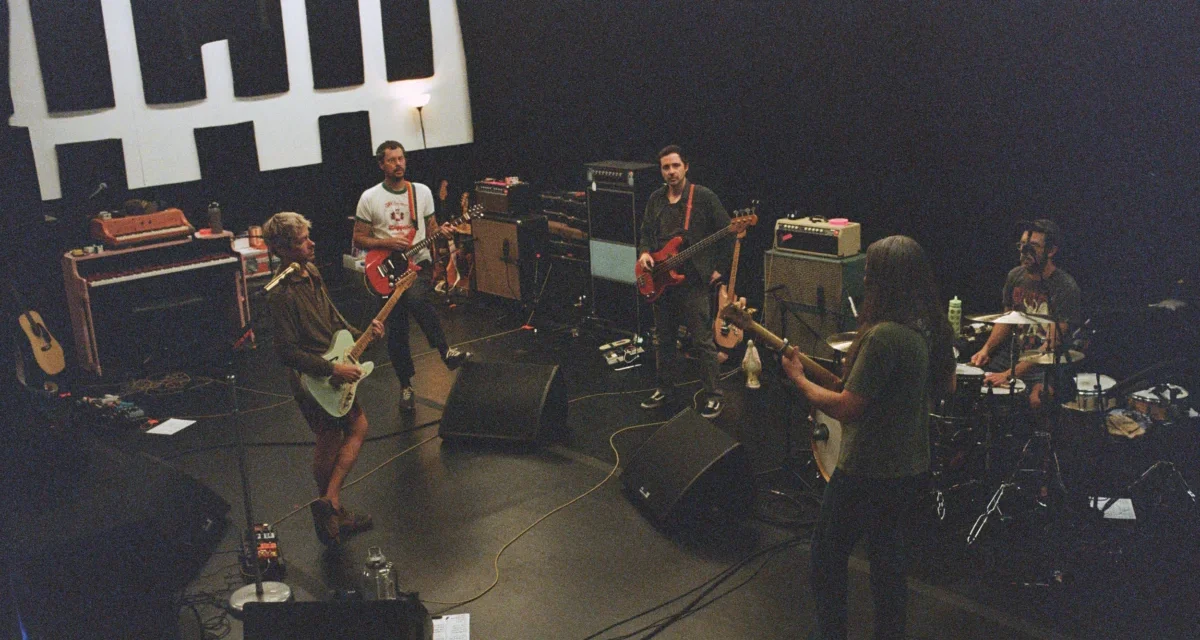



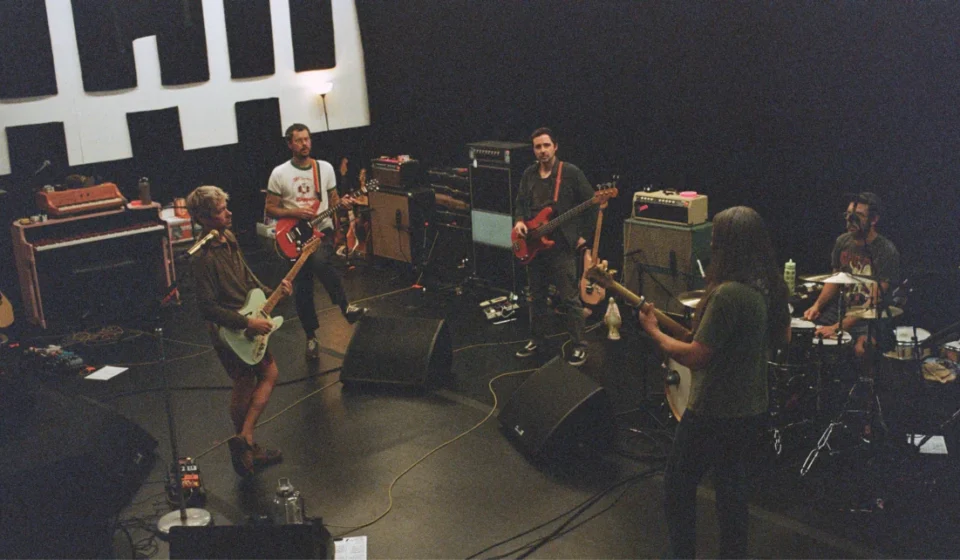

The landscape of the American music industry is often defined by the polished veneer of tour cycles and album rollouts. For The Format—the beloved indie-pop duo consisting of vocalist Nate Ruess and multi-instrumentalist Sam Means—the year 2026 was meant to be a nostalgic victory lap. After years of divergent paths—most notably Ruess’s meteoric rise to global superstardom with the band fun. and the Grammy-winning anthem "We Are Young"—the duo had finally aligned their schedules for a long-awaited reunion.
However, the reality of the American sociopolitical climate intervened. As the band prepared to drop their latest material, the tragic killing of ICU nurse Alex Pretti by a U.S. Border Patrol officer in Minneapolis sent shockwaves through the nation. For Ruess and Means, the tragedy shifted their artistic priorities from commercial promotion to civic engagement. What began as a standard promotional cycle for a reunion album transformed into a grassroots movement, centered on the release of their politically charged single, "The Bar is Set So Low," and a series of free, community-focused concerts dubbed "Saturdays in the Park."
A Chronology of Conscience
The history of The Format is marked by both deep personal friendship and professional evolution. Childhood friends who rose to prominence in the early 2000s, the duo disbanded in 2008, leaving a cult-like following in their wake. A planned 2020 reunion was famously derailed by the onset of the global COVID-19 pandemic, leaving fans in a state of suspended anticipation for years.
When the duo finally reconvened in early 2026, the atmosphere was fraught with tension. The killing of Alex Pretti occurred just as the band was launching their new album. Ruess recalls the moment of realization during a release show in their hometown of Phoenix.
"It was supposed to be this celebratory moment," Ruess explained in a recent interview. "But it was just like, ‘Did you see what just happened?’ I can’t go up on stage unless we sing this [the new single]."
The band felt a moral imperative to address the dehumanization of immigrants in the United States—a theme that permeates the lyrics of "The Bar is Set So Low." The song, which was not originally intended for the album, was quickly re-recorded and released on Bandcamp, with 100% of the proceeds earmarked for immigrant advocacy organizations.
Supporting the Frontlines: Data and Philanthropy
The Format’s pivot to activism is not merely performative; it is rooted in tangible, financial support for organizations that provide critical services to vulnerable populations. The proceeds from both the single and a dedicated line of long-sleeved T-shirts are being funneled into four primary entities:
- Women’s Foundation of Minnesota’s Immigrant Rapid Response Fund: A critical resource providing emergency financial and legal support to immigrant families facing crises.
- Immigrant Defense Network: An organization focused on providing legal representation and defense strategies for those navigating the complexities of the U.S. immigration system.
- Advocates for Immigrant Rights: A nonprofit dedicated to ensuring due process and human rights for immigrants through advocacy and legal support.
- Latino Memphis: A community-based organization working to improve the quality of life for the Latino population in Memphis through health, education, and legal services.
By bypassing traditional corporate charity structures, the band has created a direct pipeline between their fanbase and the organizations working on the frontlines of human rights advocacy.
The "Saturdays in the Park" Philosophy
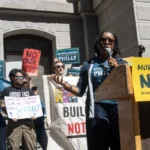
Central to this new phase of the band’s identity is the "Saturdays in the Park" series. While the name pays homage to the casual nature of the events, the intent is anything but casual. The band has utilized their tour stops to host free afternoon shows where the music serves as an entry point for civic participation.
"We were talking about how the lyrics from [Rage Against the Machine] 25 years ago could still be completely applied today with no difference whatsoever," Ruess noted. "We thought, ‘OK, well, what can we do with what we have?’ We decided that we would play free shows in a park on Saturdays when we’re on tour. In between a set of songs, we’ll have different organizations come up and talk about how everybody can go and sign up."

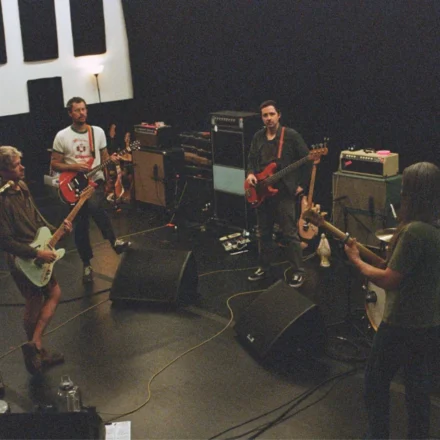
The model is intentionally "scrappy." Eschewing the high-production value of arena tours, the band has opted for a DIY, punk-rock aesthetic. They perform B-sides and rarities, effectively creating an intimate, communal space where the barrier between artist and audience is dissolved. As Sam Means noted, the response has been overwhelming: "It was incredibly scrappy, and it was very overwhelming because people did show up and people did want to interact… it still has that sort of soapbox vibe to it."
Implications: The Role of the Artist in Modern Society
The Format’s recent actions pose a significant question regarding the responsibility of modern musicians. In an era where "political" music is often met with accusations of being divisive or "out of touch," Ruess and Means have navigated this by grounding their work in specific, local causes rather than abstract rhetoric.
Their inspiration, Rage Against the Machine, serves as a moral compass. "They’ve helped shape who I am, morally speaking," says Ruess. "We’re by no means an overtly political band, but we have something to give."
This approach suggests a new template for the "legacy act." Rather than simply touring to exploit nostalgia, bands can leverage their established platforms to provide resources and mobilization for local communities. By hosting tabling events for nonprofits and using their platform to amplify the voices of those working in the immigration sector, The Format is demonstrating how music can function as a bridge between entertainment and active citizenship.
The Craft of the Protest Ballad
Despite the weight of their mission, Ruess and Means have not lost sight of the craftsmanship that defined their success. When asked about the mechanics of writing a "killer ballad," Ruess emphasizes the importance of the chorus and the emotional arc.
"You just got to make the chorus really big and kind of like ramp it up," he explained. Referencing the Raspberries’ 1980s hit "Lose Control," he highlighted how melodic structure serves the emotional resonance of a song. For The Format, this is the secret to their longevity: the ability to marry pop sensibilities with profound, often uncomfortable, lyrical themes.
Looking Ahead: The Minneapolis Engagement
As the band brings this ethos to First Avenue in Minneapolis—a city central to the tragedy that sparked their current activism—the significance is not lost on them. While the show is not in a literal park, the "Saturdays in the Park" spirit remains.
The event, featuring an acoustic set and active participation from local nonprofits, represents the culmination of a year defined by the intersection of art and grief. For fans, it offers a rare opportunity to engage with a band that has refused to look away from the realities of the world they inhabit.
The Format has demonstrated that a reunion is not merely about playing the songs of the past; it is about finding a new, relevant voice for the present. By choosing to prioritize civic action over commercial safety, Ruess and Means have transformed their legacy into something far more enduring than a top-40 hit. They have created a space where music provides not just a soundtrack for a Saturday afternoon, but the momentum for social change.
As the band continues their tour, their message remains clear: the bar for social justice is indeed set too low, but through direct action, community engagement, and the power of a well-written chorus, it is a bar that can be raised.