

























































Beyond the Saturday Routine: Why Agronomists Advocate for "Condition-Based" Yard Maintenance

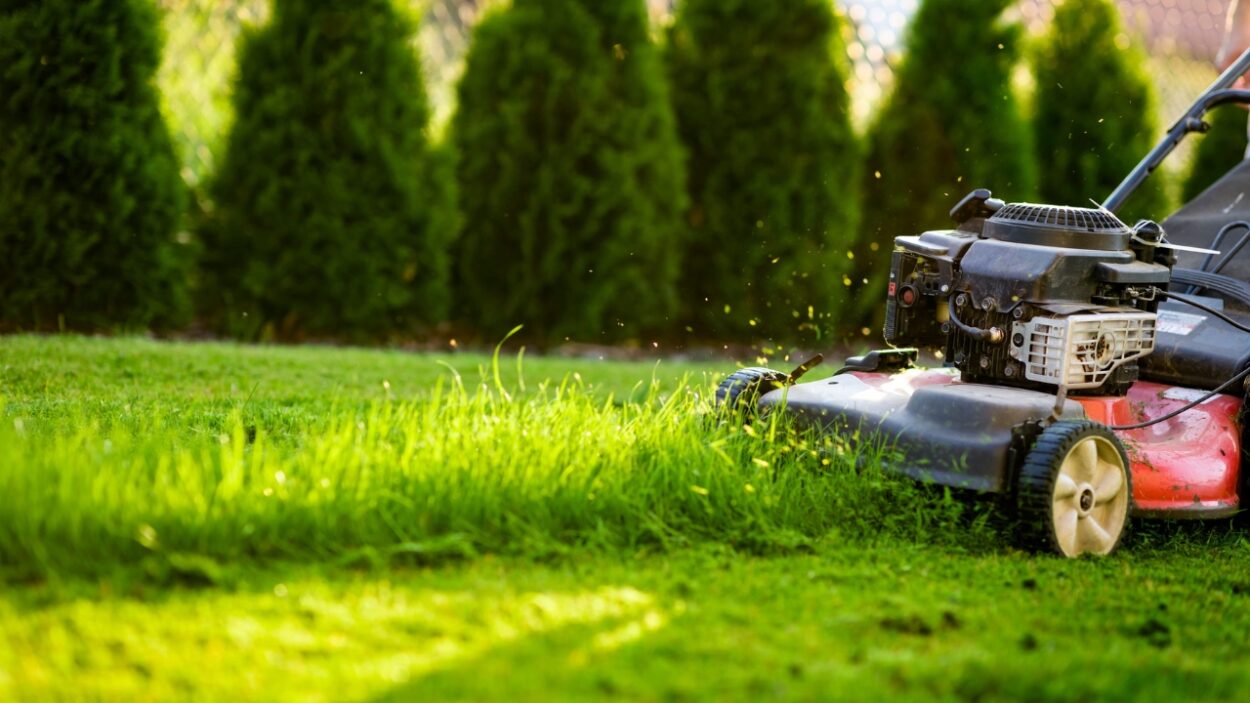
For generations, the Saturday morning lawnmower engine has served as the unofficial soundtrack of suburban weekends. Across the country, homeowners adhere to a strict, calendar-driven ritual: mow every seven days, trim the edges, and rake leaves on a set schedule.
However, a growing consensus among horticultural scientists, agronomists, and land management experts suggests this calendar-rigid approach is both inefficient and potentially harmful to residential ecosystems.
Instead, experts advocate for condition-based yard maintenance—a system governed by visible botanical cues, weather patterns, and plant growth rates rather than the day of the week. By transitioning to a responsive care model, homeowners can cultivate healthier landscapes, reduce their environmental footprints, and significantly reclaim their weekend leisure time.
Main Facts: The Shift to Condition-Based Landscaping
At the core of condition-based landscaping is the understanding that a yard is a dynamic, living ecosystem. It does not operate on a human business calendar. Plant growth is dictated by a complex interplay of soil temperature, sunlight hours, rainfall, and species genetics.
[Weather & Soil Cues] ──> [Targeted Botanical Triggers] ──> [Optimized Yard Action]
      (Not Calendar)              (Visible Indicators)            (Efficient Labor)
The Limitations of the Calendar
A rigid weekly schedule often leads to over-maintenance or under-maintenance. For instance, during a warm, rainy May, a lawn may require cutting every five days to prevent it from smothering itself. Conversely, during a scorching, dry August, mowing a semi-dormant lawn every week can damage the grass blades, compact the dry soil, and expose the soil surface to invasive weed seeds.
The Visual Cue Methodology
Condition-based care relies on specific, observable triggers:
- Grass Height: Mowing is triggered when turf reaches a specific multiple of its target height, rather than because Saturday has arrived.
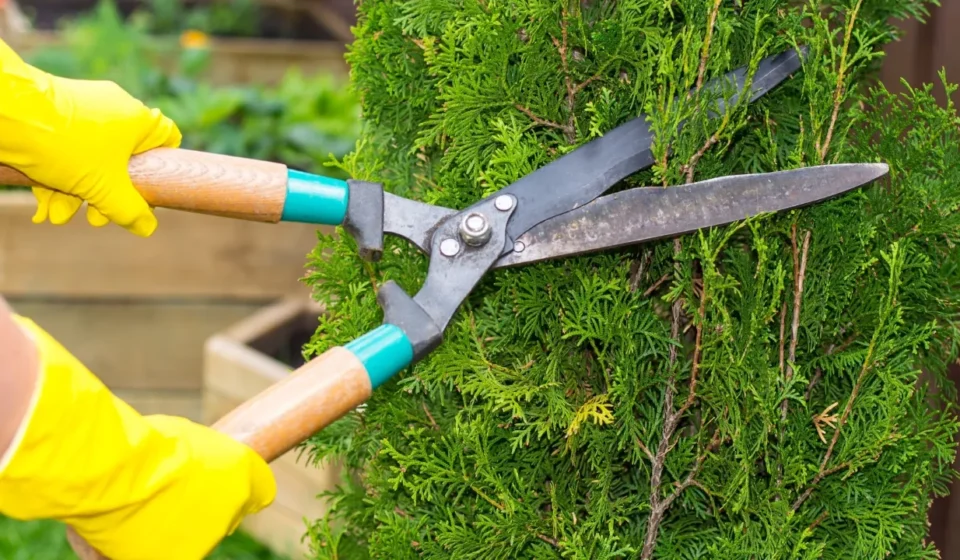
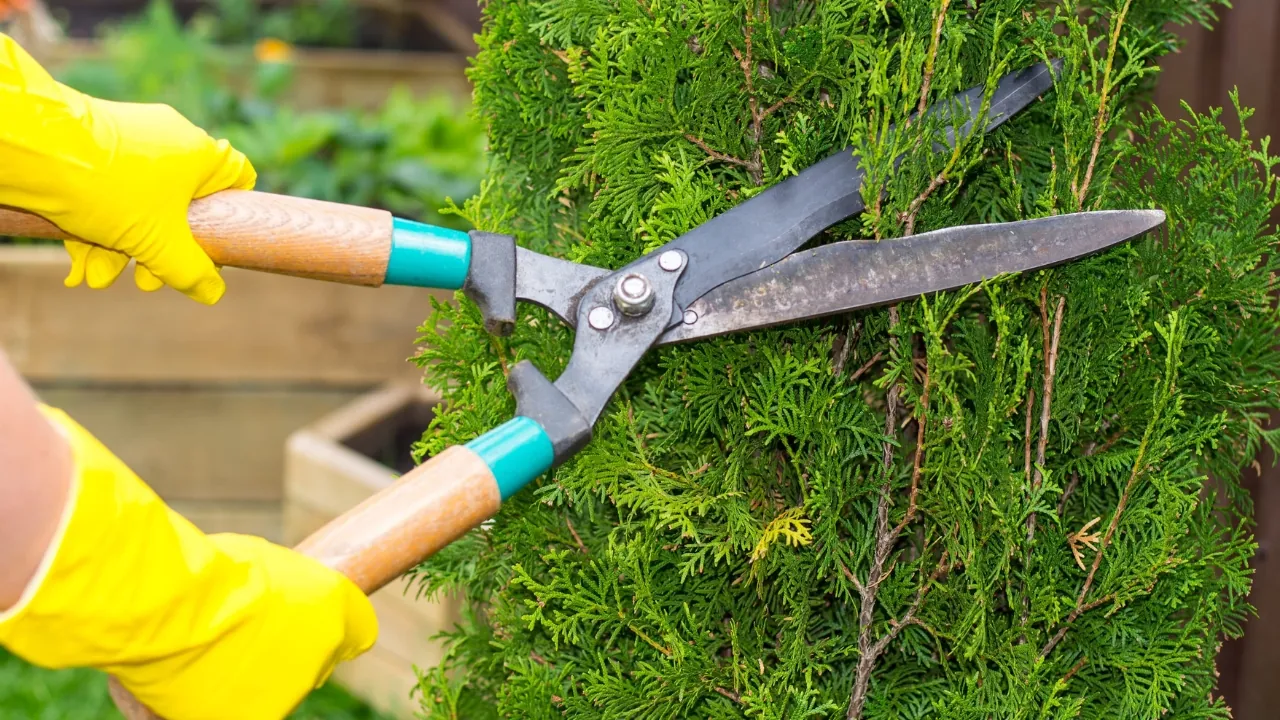
- Structural Definition: Hedges and edges are trimmed only when their crisp lines begin to soften or when turf actively encroaches on walkways.
- Horticultural Cycles: Pruning is aligned with flowering cycles and structural safety needs rather than seasonal cleanup impulses.
By shifting the focus from "what day is it?" to "what does the plant need?", property owners can optimize their labor and resources.
Chronology: The Seasonal Rhythms of Yard Care
A successful condition-based schedule adapts to the changing seasons, recognizing that maintenance needs crest and trough throughout the year. Rather than executing every task simultaneously, homeowners should follow a staggered, responsive timeline.
       SPRING                  SUMMER                  AUTUMN                 WINTER
┌──────────────────┐    ┌──────────────────┐    ┌──────────────────┐    ┌──────────────────┐
│ • High-freq mow  │    │ • Low-freq mow   │    │ • Leaf mulching  │    │ • Late pruning   │
│ • Weed pull      │ ──>│ • Hedge trimming │ ──>│ • Habitat preservation│ ──>│   (summer bloom) │
│ • Post-bloom cut │    │ • Deep watering  │    │ • Storm cleanup  │    │ • Tool prep      │
└──────────────────┘    └──────────────────┘    └──────────────────┘    └──────────────────┘
1. Spring: The Acceleration Phase
- The Trigger: Soil temperatures rise above 50°F (10°C), initiating rapid turf and weed growth.
- Action Plan: Mowing frequency peaks, sometimes requiring cuts every 5 to 7 days. Spring-flowering shrubs (like lilacs and forsythia) are pruned immediately after their blooms fade to preserve next year’s buds. Young weeds are hand-pulled weekly before they can establish deep taproots or set seed.
2. Summer: The Staggered Maintenance Phase
- The Trigger: High temperatures and potential drought slow cool-season grass growth while accelerating warm-season weeds and formal hedge growth.
- Action Plan: Mowing intervals stretch to 10 days or longer. Formal hedges are sheared 3 to 5 times during this active vegetative phase to maintain clean architectural lines. Spot-watering and targeted weeding replace broad-scale interventions.
3. Autumn: The Transition and Mulching Phase
- The Trigger: Deciduous leaves begin to drop, and turf growth slows in preparation for winter dormancy.
- Action Plan: Focus shifts from mowing to leaf management. Light leaf falls are mulched directly into the turf. Heavy accumulations are collected for composting before they block sunlight. Garden beds receive a light, conservative cleanup, leaving healthy structural stalks to support overwintering beneficial insects.
4. Winter: The Dormancy and Structural Phase
- The Trigger: Hard frosts and plant dormancy.
- Action Plan: Active yard care ceases, leaving room for structural tree inspections. Late winter becomes the ideal window for pruning summer-blooming shrubs and making corrective cuts on mature trees while their branching structures are fully visible.
Supporting Data: The Metrics and Science of Turf and Flora
To transition from a calendar-based routine to a condition-based one, homeowners can reference standardized botanical metrics. The table below outlines the ideal frequencies and visual triggers for primary landscaping tasks:
| Area or Task | Useful Starting Frequency | Best Cue to Watch | Scientific/Practical Justification |
|---|---|---|---|
| Lawn Mowing | Every 5 to 10 days during active growth | Grass reaches ~1.5x its target height | Prevents root shock; maintains photosynthetically active leaf tissue. |
| String Trimming | Every mow or every other mow | Growth becomes noticeable around obstacles | Protects structural barriers; prevents pest harborage. |
| Lawn Edging | Every 2 to 4 weeks | Turf creeps over paths or planting beds | Prevents stolons and rhizomes from invading garden soil. |
| Formal Hedges | 3 to 5 times per growing season | New growth softens the defined shape | Maintains density; prevents interior woody branches from losing foliage. |
| Informal Shrubs | One main annual prune | Flowering cycle completion or dead wood | Encourages next season’s blooms; improves airflow. |
| Young Trees | Inspect yearly; prune every 2–3 years | Crossing, rubbing, or poorly placed branches | Establishes strong dominant leaders; prevents structural failure. |
| Mature Trees | Inspect yearly; prune only as needed | Deadwood, safety hazards, or clearance issues | Minimizes wounding; preserves energy reserves in older trees. |
| Flower Beds | Quick check every 1 to 2 weeks | Weeds, spent flowers, or diseased foliage | Interrupts weed reproductive cycles; limits fungal spread. |
| Fallen Leaves | Regularly during active leaf fall | Leaves begin covering the grass canopy | Prevents turf smothering, damp-off, and snow mold. |
| Patios & Paths | Sweep weekly or after major storms | Accumulation of organic debris, moss, or stains | Prevents slippery biological film and premature surface decay. |
The Mathematics of Mowing: The One-Third Rule
The "One-Third Rule" is a foundational principle of turfgrass science. Agronomists recommend never removing more than 33% of the grass blade in a single mowing event.
$$textMaximum Cut Height = textTarget Height times 1.5$$
For example, if a homeowner maintains their lawn at a healthy height of 3 inches, they should mow when the grass reaches 4.5 inches.
  4.5" ──  ┌ ─ ─ ─ ─ ─ ─ ─ ┐ ──  Cut point (Top 1/3 removed)
           │               │
  3.0" ──  ├───────────────┤ ──  Target Height (Bottom 2/3 remains)
           │               │
           │  Grass Blade  │
           │               │
   0"  ──  ┴───────────────┴
Cutting more than one-third of the blade shocks the plant, forcing it to redirect energy from root development to rapid leaf repair. This results in a shallow root system, making the lawn highly susceptible to drought, heat stress, and pests.
The Composition of Clippings
Data from agricultural extension offices reveals that grass clippings consist of roughly 75% to 80% water by weight. When lawns are mowed frequently enough to yield small clippings, these fragments decompose within days. Returning these clippings to the lawn—a practice known as "grasscycling"—can supply up to 25% of the lawn’s annual nitrogen requirements, reducing the need for synthetic chemical fertilizers.
Expert Perspectives: Official Extension Service Guidelines
Horticultural extension services across the United States consistently emphasize the benefits of matching yard care to biological needs rather than human schedules.
Cornell University on Mowing Heights
Cornell University’s turfgrass program emphasizes that maintaining a higher mowing height (3 to 3.5 inches) provides significant ecological benefits. Higher grass shades the soil surface, cooling root zones and reducing soil water evaporation. Furthermore, this shade prevents weed seeds—such as crabgrass—from receiving the light required for germination, serving as a natural, herbicide-free weed control method.
The University of Georgia on Hedge Geometry
For formal hedges, the University of Georgia Extension warns against shearing flat, vertical sides. Instead, experts recommend pruning hedges so they are wider at the base than at the top.
     INCORRECT                    CORRECT
   ┌───────────┐               /───────────
   │           │              /
   │   Shaded  │             /   Sunlight
   │   Base    │            /    Reaches
   │ (Dies off)│           /      Base
   └───────────┘          /─────────────────
This trapezoidal profile ensures that sunlight reaches the lower branches, preventing the bottom of the hedge from losing its leaves and becoming woody and bare.
Penn State Extension on Woody Ornamentals and Mature Trees
Penn State Extension stresses the importance of timing when pruning flowering shrubs. Shrubs that bloom in the spring on "old wood" (growth from the previous year, such as Forsythia and Lilacs) must be pruned immediately after flowering. Pruning them in the winter or early spring will remove the dormant flower buds.
Conversely, summer-blooming plants (such as butterfly bush and certain hydrangeas) bloom on "new wood" and should be pruned in late winter before new growth begins.
For mature trees, Penn State experts advise a minimalist approach. While young trees require active training to establish strong structural frameworks, mature trees with stable structures may only require pruning every 5 to 10 years. Over-pruning mature trees removes vital foliage, reducing their photosynthetic capacity and exposing them to wood-decaying fungi.
Iowa State and the University of Minnesota on Leaf Mulching
When autumn leaves fall, traditional gardening culture dictates immediate raking and bagging. However, researchers at Iowa State University and the University of Minnesota advocate for a different approach.
They suggest that a light layer of leaves can be mulched directly into the lawn using a mulching mower. The shredded leaf particles fall between the grass blades, decomposing over the winter and enriching the soil with organic matter.
The University of Minnesota suggests a practical threshold: mulch leaves as long as approximately 50% of the grass blades remain visible through the shredded leaf layer. Once leaf coverage exceeds this level, the excess should be gathered and added to a compost pile or used as mulch in garden beds to protect plant roots from winter temperature fluctuations.
Implications: Environmental, Financial, and Technological Shifts
Transitioning to a condition-based maintenance schedule has broad implications that extend beyond individual properties.
┌─────────────────────────────────────────────────────────────────┐
│              Benefits of Condition-Based Yard Care              │
├──────────────────────┬───────────────────┬──────────────────────┤
│    Environmental     │     Financial     │  Labor & Technology  │
├──────────────────────┼───────────────────┼──────────────────────┤
│ • Higher biodiversity│ • Lower water bills│ • Less weekend labor │
│ • Less chemical run- │ • Fewer chemical  │ • Smart tech integra-│
│   off                │   purchases       │   tion (robotic mows)│
│ • Richer soil organic│ • Avoided tree    │ • More resilient     │
│   matter             │   damage costs    │   plant structures   │
└──────────────────────┴───────────────────┴──────────────────────┘
Environmental Benefits: Supporting Ecosystems
When yard care is tailored to plant health rather than strict schedules, chemical use drops significantly. Healthy, high-mown turf naturally crowds out weeds, reducing the demand for chemical herbicides.
Additionally, leaving grass clippings and mulched leaves on the lawn returns organic matter and essential nutrients to the soil. This practice improves soil structure, enhances water retention, and supports beneficial microbial activity.
Furthermore, conservative autumn cleanups play an important role in wildlife conservation. The Illinois Extension highlights that many native pollinators, including solitary bees and butterflies, overwinter in dead hollow stems and leaf litter.
By leaving parts of the garden intact until spring, homeowners help preserve local biodiversity and support these essential insects.
Financial Benefits: Reduced Resource Consumption
The financial advantages of condition-based maintenance are clear:
- Lower Water Bills: Allowing grass to grow taller promotes deeper root growth. These deep roots tap into lower moisture reserves, reducing the need for supplemental irrigation during dry periods.
- Fewer Chemical Purchases: Natural weed suppression and nutrient recycling from grass clippings reduce the need for expensive synthetic fertilizers and chemical treatments.
- Preventative Tree Care: Conducting yearly structural assessments on young trees allows homeowners to make minor pruning corrections early. This proactive approach prevents co-dominant stems and weak branch attachments from developing into major structural hazards that require expensive professional intervention later in the tree’s life.
Technological Implications: The Rise of Smart Landscaping
The shift toward condition-based maintenance is also accelerating the adoption of smart lawn technology. Automated yard care systems, such as robotic lawn mowers, are designed around these principles.
Unlike traditional weekly mowers, robotic mowers operate frequently, cutting only tiny fractions of the grass blades at a time. This continuous, micro-cutting approach returns minuscule clippings to the soil, keeps the grass at a consistent, healthy height, and eliminates the shock associated with infrequent, heavy mowing.
Additionally, smart irrigation systems utilize real-time weather data and soil moisture sensors to water lawns only when necessary, moving away from rigid timer-based schedules.
A Resilient, Working Landscape
Ultimately, a yard managed by visible biological cues rather than calendar dates is more resilient, resource-efficient, and easier to maintain. By observing grass height, monitoring soil conditions, tracking flowering cycles, and noting leaf accumulation, homeowners can work with nature rather than against it.
This responsive approach ensures that landscaping tasks are performed only when they actively benefit the ecosystem. The result is a healthier, more vibrant outdoor space and a significant reduction in unnecessary weekend labor.