


















































In an era of hyper-curated, itinerary-heavy travel, the true luxury of the modern age is often not the thread count of the linens or the vintage of the wine, but the scarcity of time and the spontaneity of experience. At The Lodge at Whale Pass, located in the remote wilderness of Alaska’s Prince of Wales Island, the standard rigid "tourist package" is intentionally absent. Here, the wilderness dictates the agenda, and the guests provide the intent.
The Essence of Spontaneity: A Morning on the Water
The philosophy of the lodge becomes clear within the first hour of a guest’s stay. On a recent morning, the water was a sheet of glass, mirroring the dense, emerald-green hemlock and cedar forests of the Alexander Archipelago. After a short ten-minute boat ride, the engine cut, and the silence of the bay rushed in.
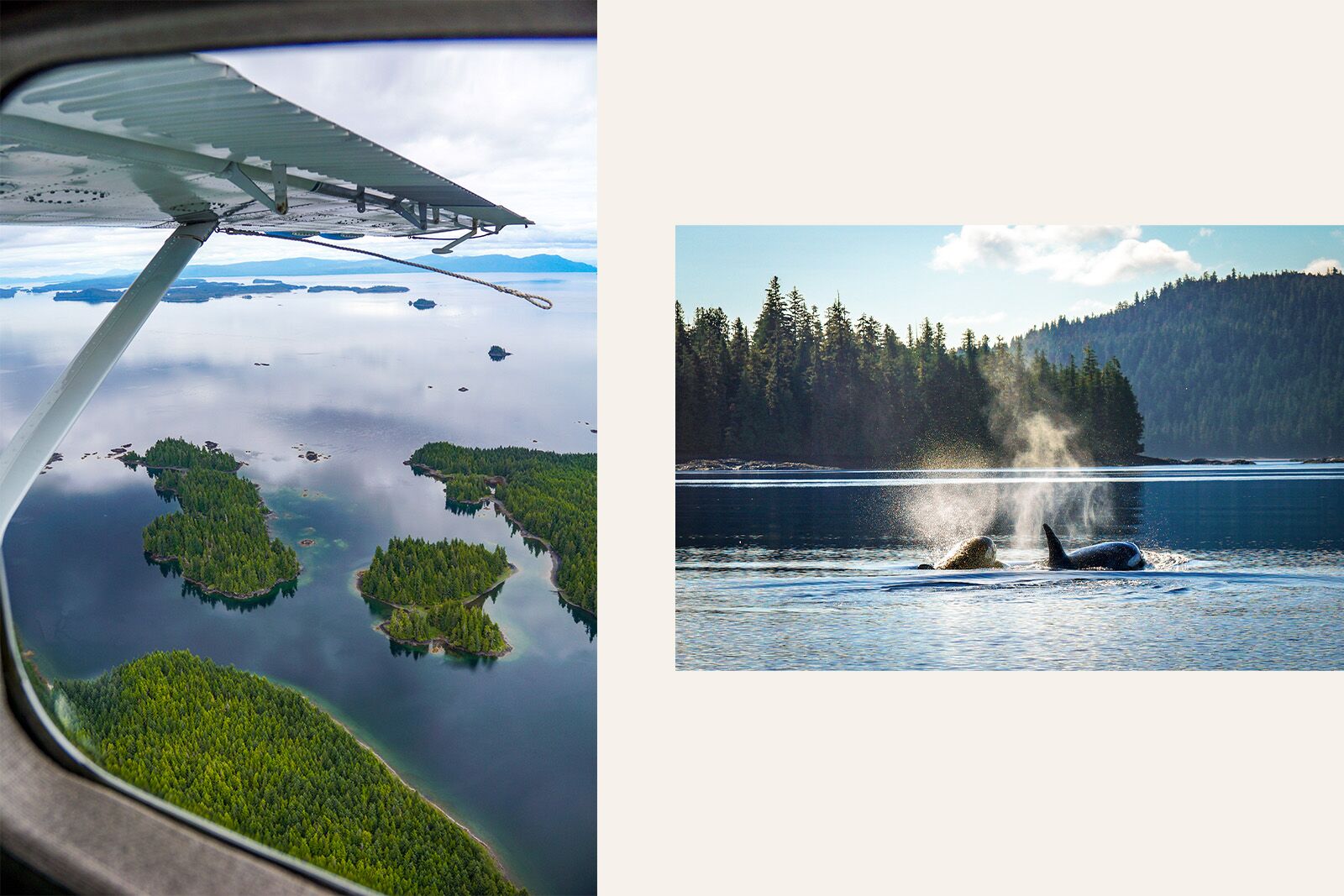
Our guides, Chelsea and James, were not merely navigators; they were conduits to the natural world. With a calm, practiced intuition, Chelsea pointed toward a patch of open water, predicting a surfacing orca. Moments later, the massive, glistening dorsal fin of a killer whale broke the surface exactly where she had signaled. We spent the next hour in the company of the pod, drifting in silence. There were no other boats on the horizon, no competing tour operators, and no mechanical noise—just the rhythmic breath of the whales and the vast, untouched expanse of Southeast Alaska. This was not a "lucky break"; it was the standard operational procedure at The Lodge at Whale Pass.
The Geography of Solitude: Getting to Prince of Wales Island
The Lodge at Whale Pass sits on the fringes of the known, nestled deep within the Southeast Panhandle. Geographically, it is closer to the bustle of Seattle than the urban sprawl of Anchorage. The journey is an adventure in itself, typically involving a flight to Ketchikan followed by a floatplane transfer.
For the uninitiated, the floatplane ride—a 45-minute journey over islands, ice-fields, and deep-water channels—is the first true introduction to the scale of the Alaskan wilderness. The aircraft rises from the water with surprising agility, banking low over rugged terrain that remains largely impenetrable to ground travel. This isolation is the lodge’s greatest asset, providing a sanctuary that feels less like a hotel and more like a private coastal estate.
Chronology of a Curated Life
The lodge’s operations are built on a framework of flexibility, a direct counter-narrative to the rigid schedules common at other high-end Alaskan retreats. Kevin, the proprietor who runs the lodge alongside his wife, Lyn, and their son, Lucas, intentionally designed the experience to avoid the "set-schedule" fatigue often found in commercial tourism.
The Nightly Ritual
Every evening, as dinner service concludes, the atmosphere turns toward collaborative planning. Guests gather with Kevin or Lucas to map out the following day. This is a deliberate, personalized process. The itinerary is not handed down; it is negotiated based on three primary pillars:
- The Environment: Weather patterns, tidal shifts, and seasonal migration routes of local wildlife.
- The Intent: Whether a group desires a high-octane day of deep-sea fishing or a contemplative morning of photography and tidal exploration.
- The Group Dynamic: The lodge frequently rotates guides and vessels to ensure that guests with similar interests are paired, while those seeking solitude are afforded the privacy of a dedicated boat and guide.
The Architecture of Comfort
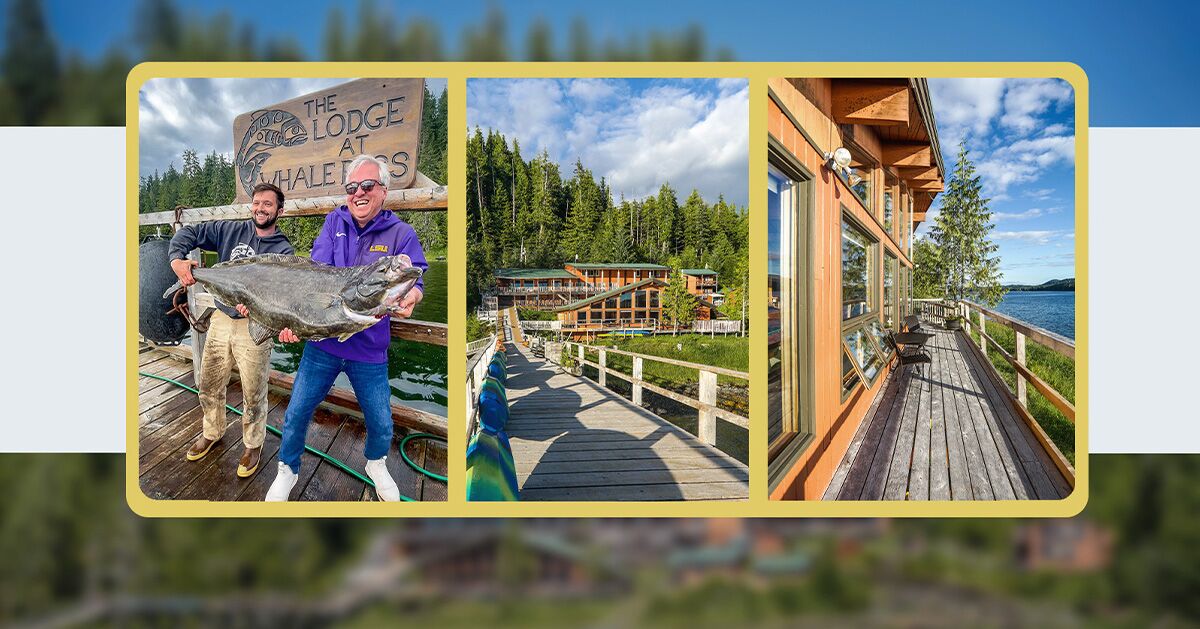
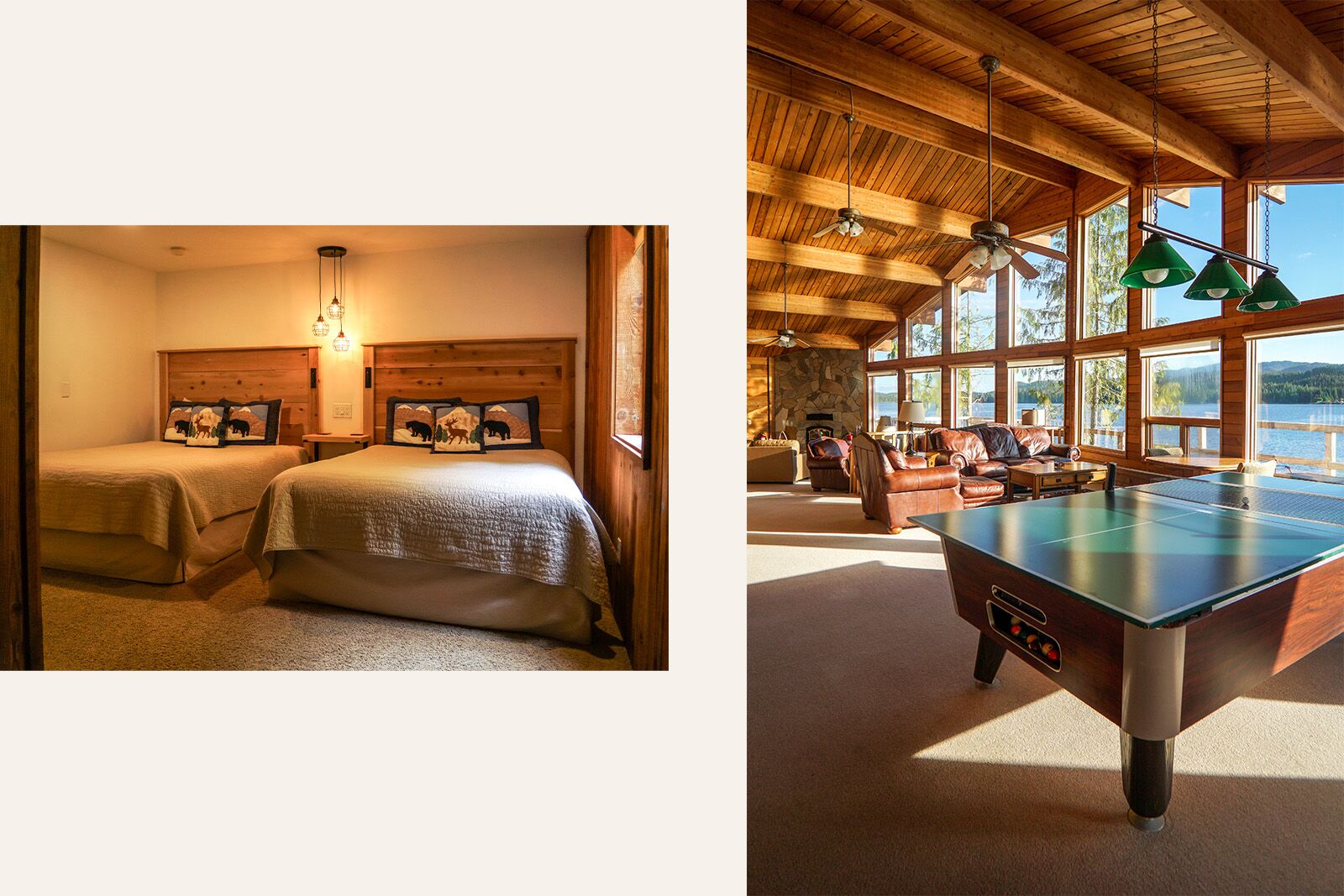
The property is anchored by a long, wooden dock that serves as the central nervous system of the lodge, connecting the guest accommodations with the common areas. The design is rustic yet functional, intentionally keeping the focus on the surrounding landscape rather than the interiors.
The recreation room is a highlight, featuring a floor-to-ceiling wall of glass that captures the shifting moods of the bay. Inside, a fireplace provides a hearth for post-adventure relaxation, supplemented by amenities like a pool table, darts, and an analog library of films. For those seeking physical rejuvenation, a secluded path leads to a hot-tub and sauna complex that offers a panoramic view of the forest and water—a perfect vantage point for observing eagles or seals.
The main lodge building serves as the social heart. It houses the dining room and an open-bar area, encouraging a communal, "help-yourself" environment. The guest rooms, ranging from twins to suites, are understated, favoring wood paneling and comfort over modern ornamentation, ensuring that the transition from the rugged outdoors to the bedroom is seamless.
Culinary Integration: The "Catch-to-Table" Experience
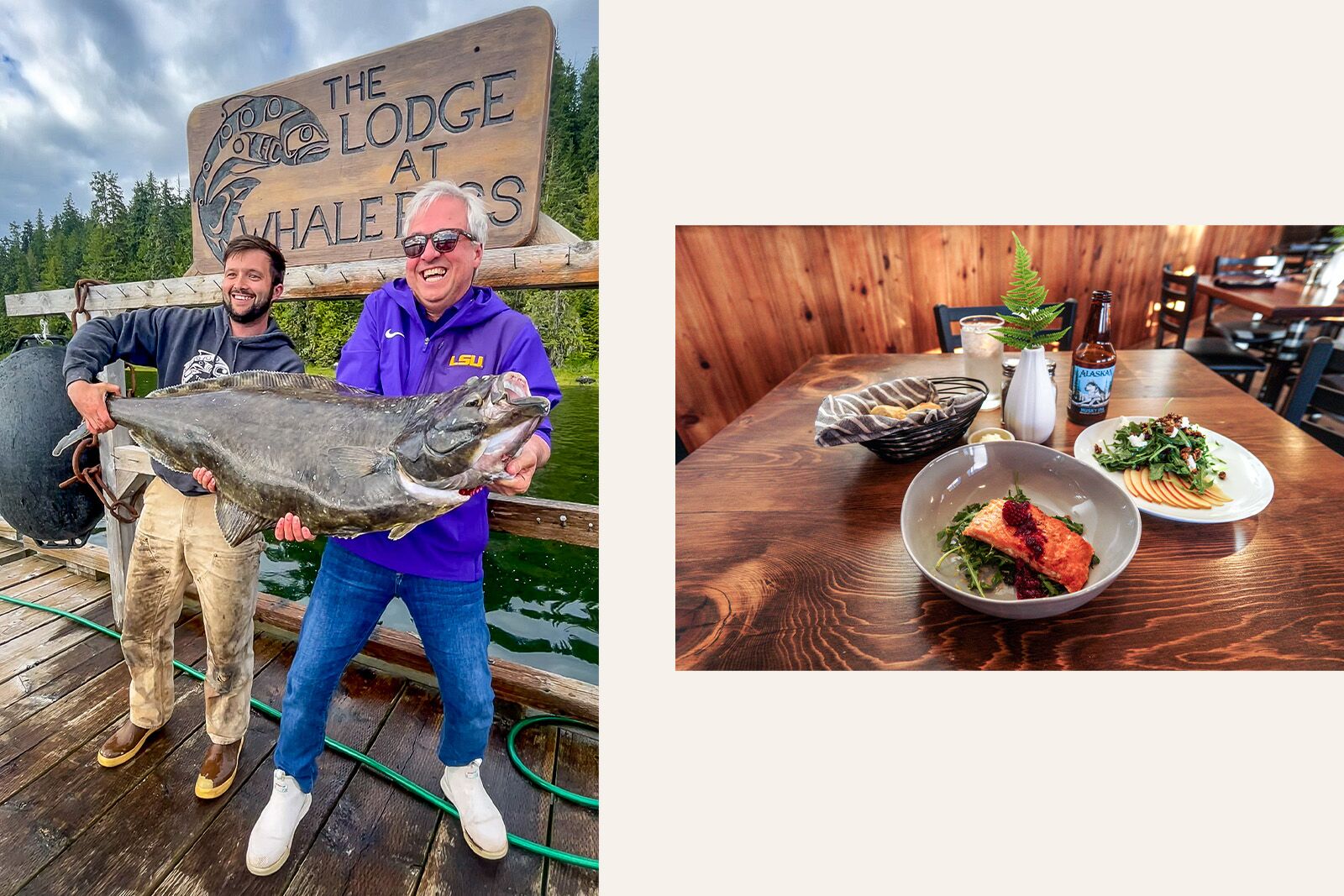
Food at The Lodge at Whale Pass is not merely sustenance; it is a narrative element of the trip. The culinary program is inherently tied to the day’s activities. On one afternoon, a group trip included an avid angler named Wade. Under the guidance of Lucas, the group engaged in deep-sea fishing. The target was halibut, and by the end of the day, a 60-pound specimen was hauled onto the deck.
The experience of participating in the process—from the initial cast to the professional filleting demonstration by the guides—culminated in a dinner that felt profoundly earned. The chef’s preparation of the halibut, served with corn relish and avocado cream over roasted potatoes, highlighted the freshness of the local catch. This model of "field-to-fork" dining reinforces the connection between the guest, the guide, and the ecosystem.
Supporting Data: The Anan Creek Wildlife Observatory
A cornerstone of the lodge’s excursion offerings is the trip to Anan Creek, a protected site within the Tongass National Forest. The creek is an ecological marvel, famous for one of the largest pink salmon runs in the region, with upwards of 300,000 fish returning to spawn annually.
The site is steeped in history; the name "Anan" derives from the Tlingit word for "a place to sit down together," reflecting the generations of Stikine Tlingit clans who utilized the site for traditional fish camps. Today, the U.S. Forest Service limits access to 60 people per day, requiring permits that are highly coveted.
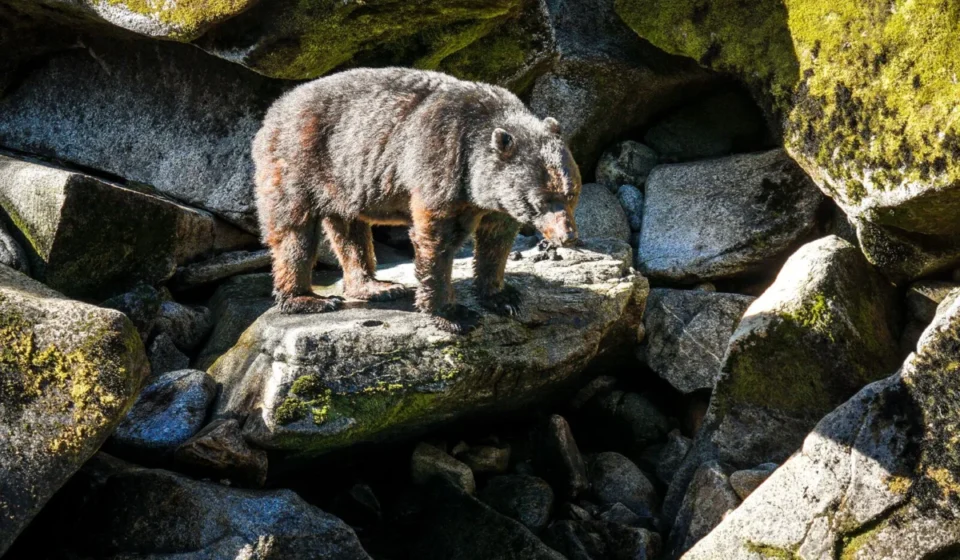
The lodge manages the logistics for guests, ensuring they arrive at the viewing platform during prime hours. The spectacle is singular: the rare convergence of black and brown bears, both feeding on the salmon run with minimal inter-species conflict. The black bears tend to dominate the falls near the viewing platform, while the brown bears traverse the broader creek, providing an intimate look at predator behavior in a protected environment.
Official Perspectives: The Value of Human Connection
When asked about the philosophy of the lodge, the staff emphasizes the importance of the human element. For guides like Chelsea and James, the job is not just about logistics; it is about building a rapport that transcends the transactional nature of traditional travel.
"We aren’t just taking people to spots," one guide noted. "We are facilitating a relationship with the land." This sentiment is echoed by the guests, many of whom leave the lodge not with a checklist of "sites visited," but with a sense of connection to the people who facilitated their journey. By keeping the group sizes small and the guide-to-guest ratio low, the lodge ensures that every guest is treated as a participant in a shared endeavor rather than a customer in a queue.
Implications for Future Travel
The success of The Lodge at Whale Pass serves as a case study for the future of luxury travel. As travelers become increasingly weary of mass-market, high-volume tourism, the demand for "low-impact, high-interaction" experiences is expected to grow.
The implications are clear: the future of high-end travel lies in:
- Flexibility as a Feature: Moving away from static itineraries toward real-time, responsive planning.
- Sustainability through Scale: Limiting the number of guests to preserve the environment and the quality of the experience.
- Local Knowledge: Prioritizing guides who are deeply embedded in the region’s history, ecology, and culture.
Whether one is exploring limestone caves, mountain biking through ancient forests, or simply watching the tide turn from the deck of a boat, the message from Whale Pass is consistent: the best way to see the world is to let it show itself to you on its own terms. By choosing to step off the grid and into a flexible, human-centric environment, guests at The Lodge at Whale Pass find something increasingly rare: a vacation that feels as wild, unpredictable, and rewarding as the Alaskan landscape itself.