




















































For decades, the American landscape has been defined by vast, heat-absorbing seas of blacktop. From shopping centers to office parks, the traditional asphalt parking lot has been the default infrastructure choice—cheap to install, familiar to contractors, and seemingly permanent. However, as the impacts of climate change accelerate and urban centers grapple with rising temperatures and catastrophic flooding, city planners and environmental advocates are beginning to view these expansive surfaces not as mere utility, but as critical components of urban resilience.
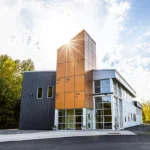
At the Hampton Roads Planning District Commission in Virginia, the staff recently reached a turning point. Their aging, crumbling parking lot was a liability, prone to puddling and radiating stifling heat. Rather than simply patching the cracks, the commission opted for a radical redesign. By incorporating porous concrete panels, native landscaping, and recycled materials, they transformed a standard eyesore into a functional tool for environmental management.
"The rain infiltrates faster than it can puddle and stop on the surface," says Jill Sunderland, the commission’s senior water resources planner. Beyond the hydrologic benefits, the difference is tactile. "You notice that it’s cooler. You really can tell a difference out there—not to mention it’s just more inviting."
The Hampton Roads project is a microcosm of a broader, nationwide movement. Across the United States, municipalities and private developers are beginning to dismantle the hegemony of impervious pavement, seeking instead to "depave" or "green" the vast stretches of land dedicated to idling vehicles.
Main Facts: The Climate Toll of Impervious Surfaces
The environmental cost of the traditional parking lot is multifaceted. Impervious surfaces like asphalt and concrete act as giant heat sinks. During the summer months, these materials absorb solar radiation throughout the day and release it at night, fueling the "urban heat island" effect. This phenomenon can drive local temperatures up by as much as 20 degrees Fahrenheit compared to nearby green spaces.
The consequences are not merely aesthetic; they are economic and health-related. As urban areas heat up, residents rely more heavily on air conditioning, which in turn consumes more electricity and pumps more hot, waste air back into the environment. Simultaneously, the lack of permeability means that during heavy rainfall, water cannot soak into the ground. Instead, it rushes off the surface, gathering pollutants—oil, grease, heavy metals, and road salt—and funneling them directly into local watersheds, often overwhelming municipal sewer systems in the process.
Chronology of Change: From Regulation to Innovation
The shift away from traditional asphalt has occurred in phases, driven by evolving urban planning philosophies and the urgent reality of climate change.
The Era of Minimum Parking Requirements (Mid-20th Century):
For decades, municipal zoning codes mandated minimum parking ratios for almost every new development. This effectively forced developers to overbuild parking, ensuring that even on slow days, vast swathes of land sat vacant, trapping heat and preventing natural drainage.

The Recognition of Runoff Issues (Early 2000s):
As water quality regulations tightened under the Clean Water Act, cities began to recognize that stormwater management could no longer be relegated to pipes and sewers alone. The concept of "green infrastructure" began to take root, with cities exploring permeable pavers and bioswales as a way to filter water on-site.
The Recent Push for Policy Reform (2015–Present):
In recent years, the movement has gained legislative momentum. Cities such as Buffalo, New York; Austin, Texas; and Minneapolis have led the way by eliminating or drastically reducing minimum parking requirements for new construction. This policy shift allows developers to decide how much parking they actually need, often leading to smaller, more efficient lots that leave more room for vegetation.
Supporting Data: Why Alternatives Matter
The case for alternatives is supported by both observational data and long-term site studies. For instance, the City of New Orleans has implemented strict mandates for the Department of Public Works to utilize permeable paving in all public projects where it is deemed practical. Similarly, the "dePaving a Greener Denver" initiative has made it a mission to systematically slash the city’s footprint of impervious surfaces.
Data from these projects consistently highlights three key performance areas:
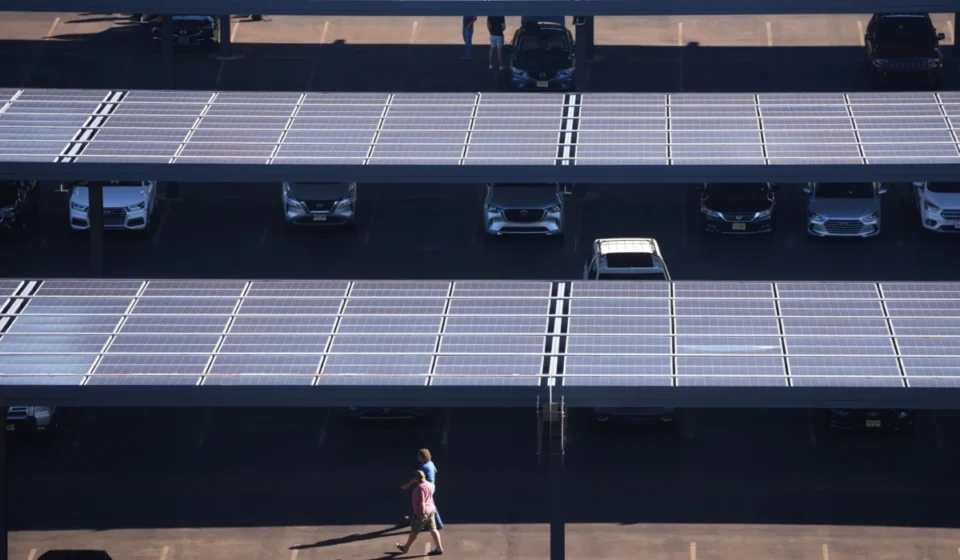
- Thermal Regulation: By utilizing reflective surface coatings—like those tested in Los Angeles’s Pacoima neighborhood—or incorporating shade trees, developers can significantly lower the ambient temperature. In Sacramento, California, developers are now required to plant enough trees to shade 50% of a parking lot within 15 years of construction.
- Water Filtration: Bioswales—vegetated, recessed channels—serve as natural filters. By using layers of sand, soil, and specific plants, these structures trap sediment and break down pollutants before they reach the city’s storm drains.
- Space Efficiency: Studies from urban planning experts like UCLA’s Adam Millard-Ball suggest that in many downtowns, parking consumes more than 25% of the total land area, yet more than a third of those spots remain empty at any given time. This inefficiency highlights the potential for "adaptive reuse," where overflow parking is replaced with green space or permeable grids.
Official Responses and Industry Perspectives
While the shift toward permeable, green, and reflective surfaces has strong environmental backing, the asphalt industry urges a pragmatic approach. Buzz Powell, technical director at the Asphalt Pavement Alliance, emphasizes that while alternative systems are "sexy on the front end," they must be scrutinized for long-term durability.
"I think we need to be really, really careful when we put alternative systems in to make sure that we have a good understanding of what the life cycle impact is going to be," Powell notes. "Some things look good on paper, but when you run a trash truck over them, they can’t handle the stresses and strains."
Powell advocates for the continuous improvement of asphalt itself—through better mixing materials and structural design—rather than abandoning the material entirely. He notes that porous asphalt is becoming a viable middle ground, offering the structural integrity of traditional paving with the drainage capabilities of modern permeable systems.
However, advocates for "smart surfaces" argue that the cost-benefit analysis must go beyond construction dollars. "If we were going to just repave it with asphalt, we could have done it significantly cheaper," admits Jill Sunderland regarding the Hampton Roads project. "It’s more expensive initially, but you get so much more life out of it, and the environmental benefits pay dividends over time."

Implications: The Future of Urban Design
The transition away from the "blacktop-only" model is not just about choosing different materials; it is about reimagining the role of the parking lot in the modern city. The implications of this shift are profound:
1. Resilience Against Climate Extremes:
As extreme weather events become more frequent, the ability of urban infrastructure to handle high-volume rainfall is a matter of public safety. Permeable parking lots serve as decentralized flood mitigation systems, reducing the burden on aging municipal infrastructure.
2. Addressing Inequality:
Urban heat islands are not distributed equally. Historically, lower-income neighborhoods have been disproportionately affected by a lack of canopy cover and an excess of paved, heat-retaining surfaces. By prioritizing green infrastructure in these areas, cities can begin to address long-standing health and temperature disparities.
3. Economic and Social Cohesion:
When parking lots are designed as "breathing" spaces, they become more than just transit nodes. At the Newfields art museum in Indianapolis, the use of recycled plastic grid pavers in overflow lots allows the land to remain permeable during the 90% of the time the lot is not in use. As director of the garden Jonathan Wright notes, "Why should it be asphalt and not breathing… when you only need to use it 10% of the time?"
Conclusion: A Shift in Perspective
The path forward is not without its hurdles. Budget-constrained municipalities often struggle to find the capital for the higher upfront costs of permeable or green surfaces. As Vincent Cotrone of Penn State University points out, "We have acres and acres of nothing but blacktop parking lots that sit there and age and heat up, and we just don’t have the dollars to go retrofit those."
Yet, the momentum is undeniable. As more cities, from Minneapolis to New Orleans, adopt policies that prioritize environmental health, the "smart surface" movement is moving from the fringes into the mainstream of urban planning.
The ultimate goal, according to Greg Kats of the Smart Surfaces Coalition, is a fundamental shift in understanding. "The reality is, one city changing their surfaces is not by itself going to have a big impact," Kats says. "But once cities are able to understand in a rigorous way the scale of the benefits—the cooling, the water management, the energy savings—it becomes intuitive."
In the end, the American parking lot is likely to remain a part of our landscape, but its form is changing. By trading in dark, stagnant asphalt for systems that reflect light, absorb heat, and drink up rain, we are building a more resilient, cooler, and more livable urban future—one parking space at a time.