


















































Waymo Resumes San Francisco Operations Following Temporary Blackout-Induced Service Suspension

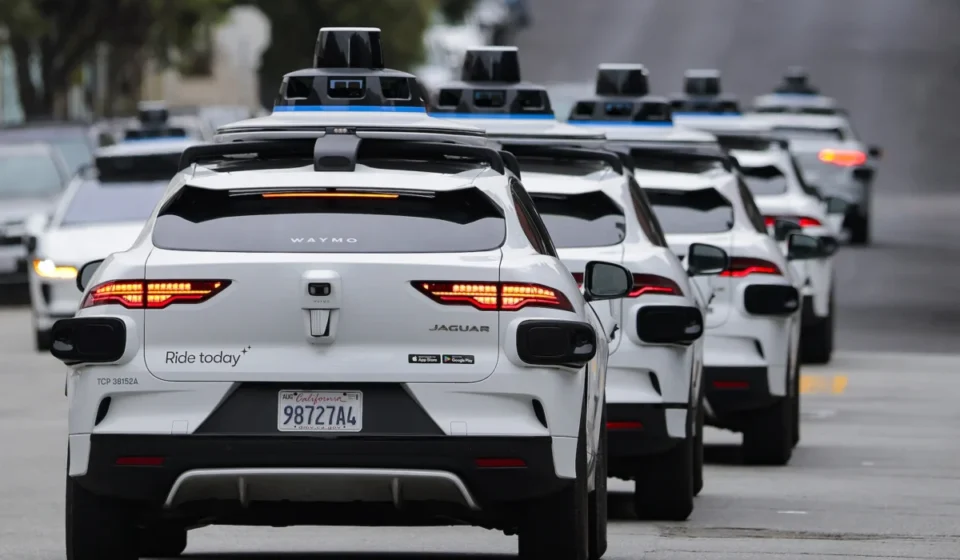
SAN FRANCISCO — July 18, 2026 — Alphabet-owned autonomous driving pioneer Waymo has successfully resumed its robotaxi operations across San Francisco following a brief but disruptive service suspension triggered by a widespread power outage. The interruption, which affected approximately 7,000 Pacific Gas & Electric (PG&E) customers, serves as the latest flashpoint in the ongoing debate regarding the integration of autonomous vehicles (AVs) into urban infrastructure during emergency scenarios.
The Incident: A City Under Pressure
The disruption began mid-day on July 18, 2026, when a significant electrical failure crippled portions of San Francisco. As the city grappled with the loss of power—which impacted traffic signals, businesses, and transit infrastructure—Waymo moved to prioritize safety.
Users attempting to hail rides via the Waymo app were met with notifications informing them that service was "temporarily paused" and that "freeway routes were unavailable." The sudden cessation of service led to immediate speculation on social media platforms, with users sharing screenshots of the app’s error messages, highlighting the fragile dependency between the city’s smart-driving fleet and its aging electrical grid.
Chronology of the Disruption
The timeline of the July 18 event underscores the sensitivity of autonomous systems to environmental variables:
- 12:00 PM PDT: Reports of a widespread power outage began circulating across San Francisco, affecting approximately 7,000 PG&E customers.
- 12:15 PM PDT: Real-time data from social media users indicated that Waymo vehicles were beginning to reroute or withdraw from active service, specifically avoiding freeway access.
- 12:30 PM PDT: Waymo officially confirmed via its mobile interface that operations were "temporarily paused" to allow for a reassessment of local conditions.
- 1:30 PM PDT: After roughly an hour of evaluation and coordination with local authorities, Waymo announced that its systems were stable and that service was resuming across the city.
Supporting Data and Historical Context
This incident is not an isolated event. Waymo’s fleet has faced similar hurdles in the past, often highlighting the friction between high-tech autonomous navigation and the unpredictable nature of urban grid failures.
In December 2025, a significant blackout in San Francisco resulted in a cluster of Waymo vehicles stalling on city streets, creating localized traffic jams and raising alarms among city officials. Furthermore, during the Fourth of July celebrations earlier this month, a similar operational paralysis occurred near the Golden Gate Bridge, where a surge in traffic and infrastructure strain caused the vehicles to struggle with navigation, effectively clogging key arteries of the city.
The recurrence of these incidents suggests a pattern: while Waymo’s AI excels in routine traffic, its reliance on stable connectivity and predictable urban infrastructure makes it vulnerable during large-scale utility failures. Critics argue that the current state of autonomous technology has not yet reached a level of "resilience" that allows it to operate safely and independently during civic emergencies.
Official Responses and Corporate Strategy
In response to inquiries from TechCrunch, a Waymo spokesperson provided clarity on the company’s decision-making process. "We are making temporary adjustments to our service while we monitor local conditions," the company stated. "We know riders depend on us, and we will return to normal operations as soon as possible."
Following the restoration of service, the company provided further context, noting that the one-hour suspension was a deliberate, proactive measure. By choosing to pause, Waymo aimed to ensure that its vehicles would not contribute to the chaos potentially caused by malfunctioning traffic lights or unexpected grid-related hazards. The company emphasized its commitment to coordinating with local officials during crises to ensure that the robotaxi fleet does not impede emergency responders or public transport.

The Regulatory Climate: Mayor Lurie’s Push for Oversight
The frequency of these "traffic fiascos" has not gone unnoticed at the highest levels of city government. San Francisco Mayor Daniel Lurie has taken a firm stance, publicly calling for stricter state-level regulations.
Mayor Lurie’s office argues that current oversight is insufficient to manage the risks posed by massive fleets of driverless vehicles during citywide incidents. "We need to adequately address how autonomous vehicles operate during major incidents, whether they are planned or not," the Mayor noted in recent press briefings. His administration is reportedly looking to push for new rules that would require AV companies to share more robust real-time data with the city during emergencies and potentially grant the city more direct control over how these fleets are deployed during crises.
Implications for the Future of Urban Mobility
The incident on July 18 raises fundamental questions about the future of smart cities. As San Francisco continues to serve as the primary testing ground for autonomous technology, the friction between private innovation and public safety is becoming increasingly visible.
1. The Vulnerability of Connected Infrastructure
Autonomous vehicles are not just cars; they are mobile data hubs. Their reliance on cellular networks and GPS infrastructure means that when the grid goes down, their "eyes" and "ears" are compromised. While the vehicles are equipped with local sensors (LiDAR, radar, cameras), the overarching coordination that allows for efficient, city-wide fleet management is tethered to the network.
2. The Definition of "Safety"
For Waymo, "safety" involves a conservative, risk-averse approach: if the environment is uncertain, stop the vehicle. However, for the city of San Francisco, "safety" means ensuring that streets remain clear for ambulances, fire trucks, and civilian evacuations. When hundreds of autonomous vehicles stop in traffic, they can inadvertently create "ghost blockages" that hamper emergency services.
3. The Path to Integration
The path forward likely requires a tighter integration between autonomous fleet management systems and the city’s emergency management centers. If Waymo and other AV providers are to operate at scale, they must develop sophisticated protocols that allow their vehicles to become part of the solution during a blackout, rather than a potential obstacle. This could involve "safe-parking" protocols that move vehicles to designated zones out of the way of primary traffic lanes during emergency declarations.
Conclusion
The temporary pause of Waymo’s service serves as a microcosm of the broader challenges facing the autonomous vehicle industry. As technology continues to evolve, the ability of these machines to navigate not just the road, but the complex, interconnected web of urban utilities, will define their success.
For now, San Francisco remains a city in transition. While Waymo continues to refine its algorithms to better handle the complexities of the city, the demands of the public and the concerns of local government will continue to drive the evolution of these regulations. Whether or not autonomous vehicles can become a truly reliable utility, rather than just a luxury service, will depend on how effectively companies can bridge the gap between digital precision and the messy, unpredictable reality of urban life.
As of the latest reports, operations have fully normalized. However, the shadow of the July 18 outage will undoubtedly influence the upcoming discussions at City Hall, ensuring that the dialogue between tech giants and policymakers remains as active as the streets themselves.