



















































Beyond the Crimson Tide: A Comprehensive Guide to Tuscaloosa’s Cultural and Natural Renaissance

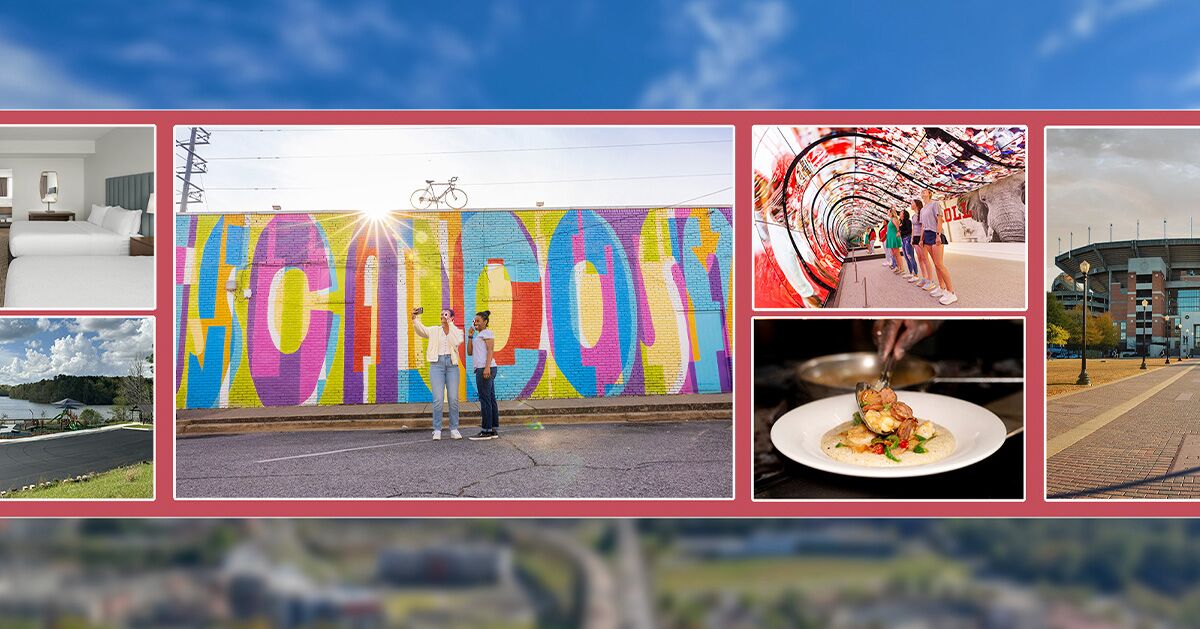
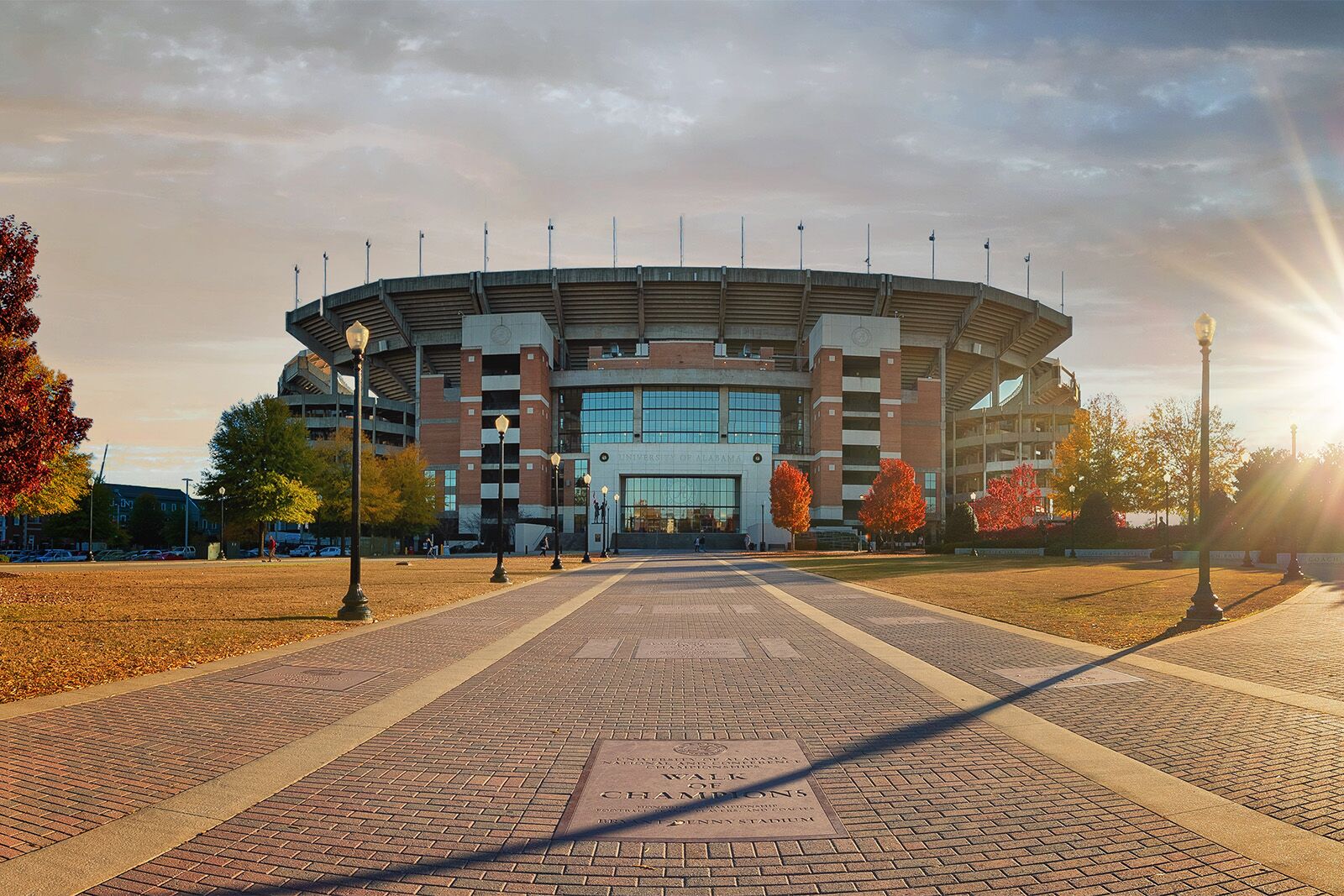
While Tuscaloosa is often synonymous with the thunderous roar of Bryant-Denny Stadium, a new, quieter narrative is emerging from the heart of Alabama. Beyond the spectacle of SEC football lies a city of rich historical depth, outdoor adventure, and a culinary scene that balances refined fine dining with soulful, heritage-based comfort food. Whether you are traveling from as far as Las Vegas or simply taking a short drive from Birmingham, Atlanta, or Nashville, the “Druid City” has evolved into a compelling destination for a two- or three-day immersion.
Main Facts: The Strategic Appeal of Tuscaloosa
Tuscaloosa serves as a central hub in the Southeast, positioned at the intersection of the Appalachian Mountains and the Gulf Coastal Plain. Its strategic location makes it an ideal stopover or weekend getaway for those traveling through central Alabama.
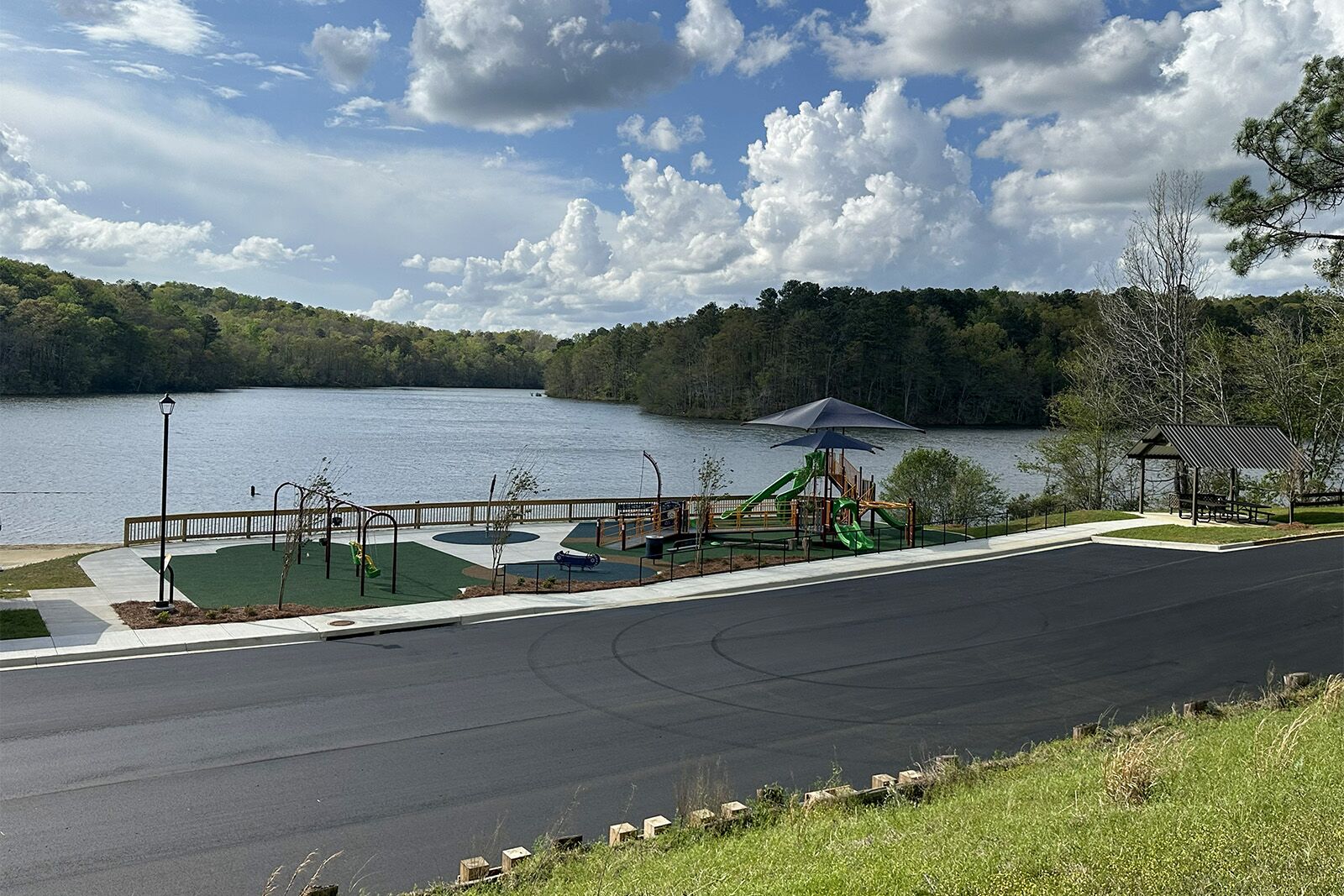
The city’s infrastructure has undergone significant investment, most notably at the 1,625-acre Lake Lurleen State Park, which recently completed a multimillion-dollar renovation. These upgrades—ranging from broadband and Wi-Fi installation to ADA-compliant facilities—signal a broader municipal commitment to making Tuscaloosa a modern, accessible destination for both local residents and regional tourists.
A Chronological Journey: The City’s Evolution
The history of Tuscaloosa is best understood through its physical landscape. The city’s timeline moves from the industrial and political roots of the 19th century to the pivotal civil rights movements of the 1960s, and finally, to the modern-day revitalization of the downtown core.
The Civil Rights Trail
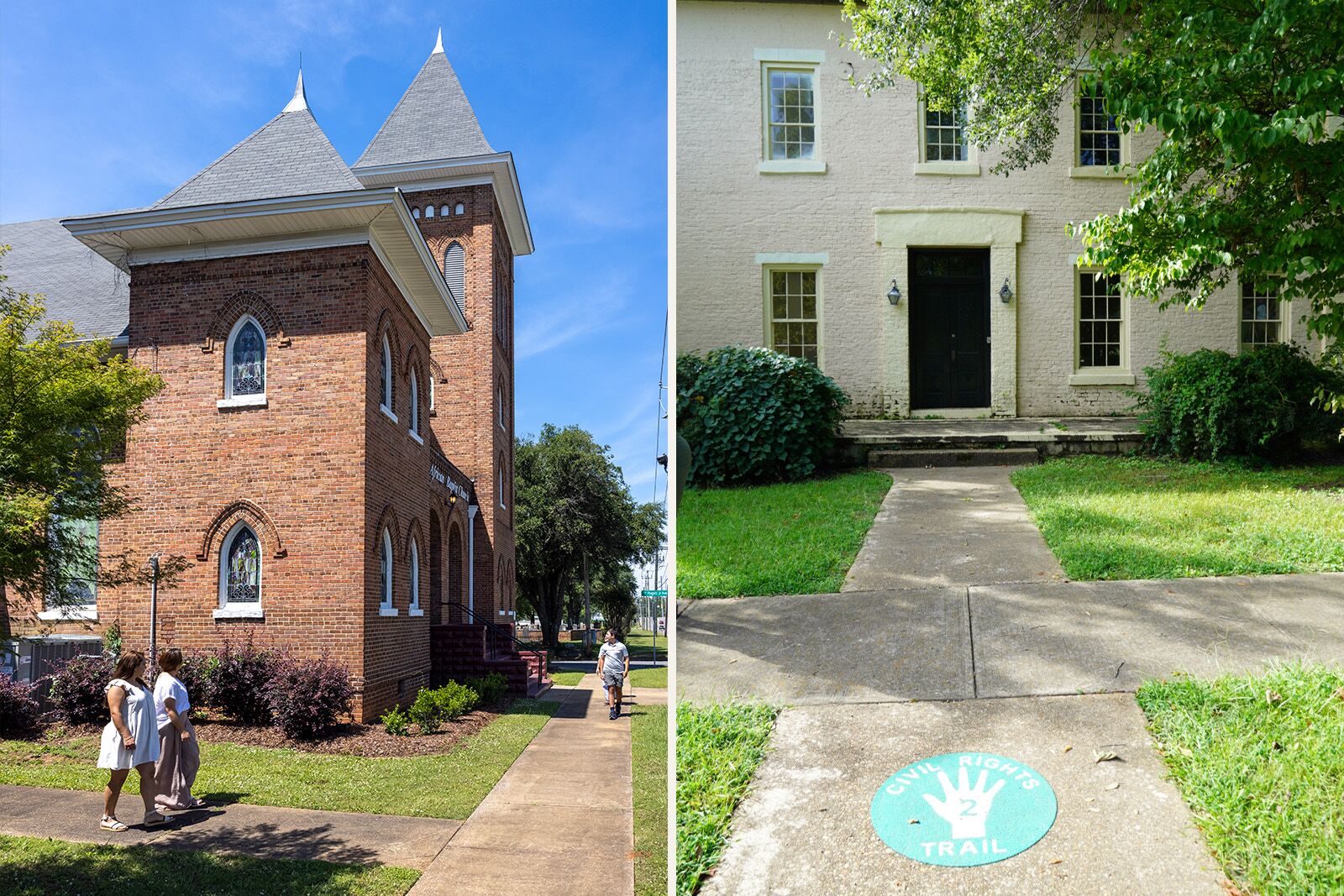
A self-guided tour of the Tuscaloosa Civil Rights Trail is essential for understanding the city’s complex past. The journey begins at the First African Baptist Church, a cornerstone of the community that served as a headquarters for activists like the Rev. T.Y. Rogers, Jr. It was here that the events of "Bloody Tuesday" unfolded in June 1964, when 600 protestors faced violent opposition while marching against segregation.
The trail continues through the Linton Barbershop Plaza, currently being developed into an interactive timeline of the era, and stretches toward Capitol Park, the site of the former state capitol. The trail, which encompasses 18 distinct stops, can be navigated via a digital passport accessible through the Visit Tuscaloosa website, allowing visitors to walk through the history of the city at their own pace.
The University’s Legacy
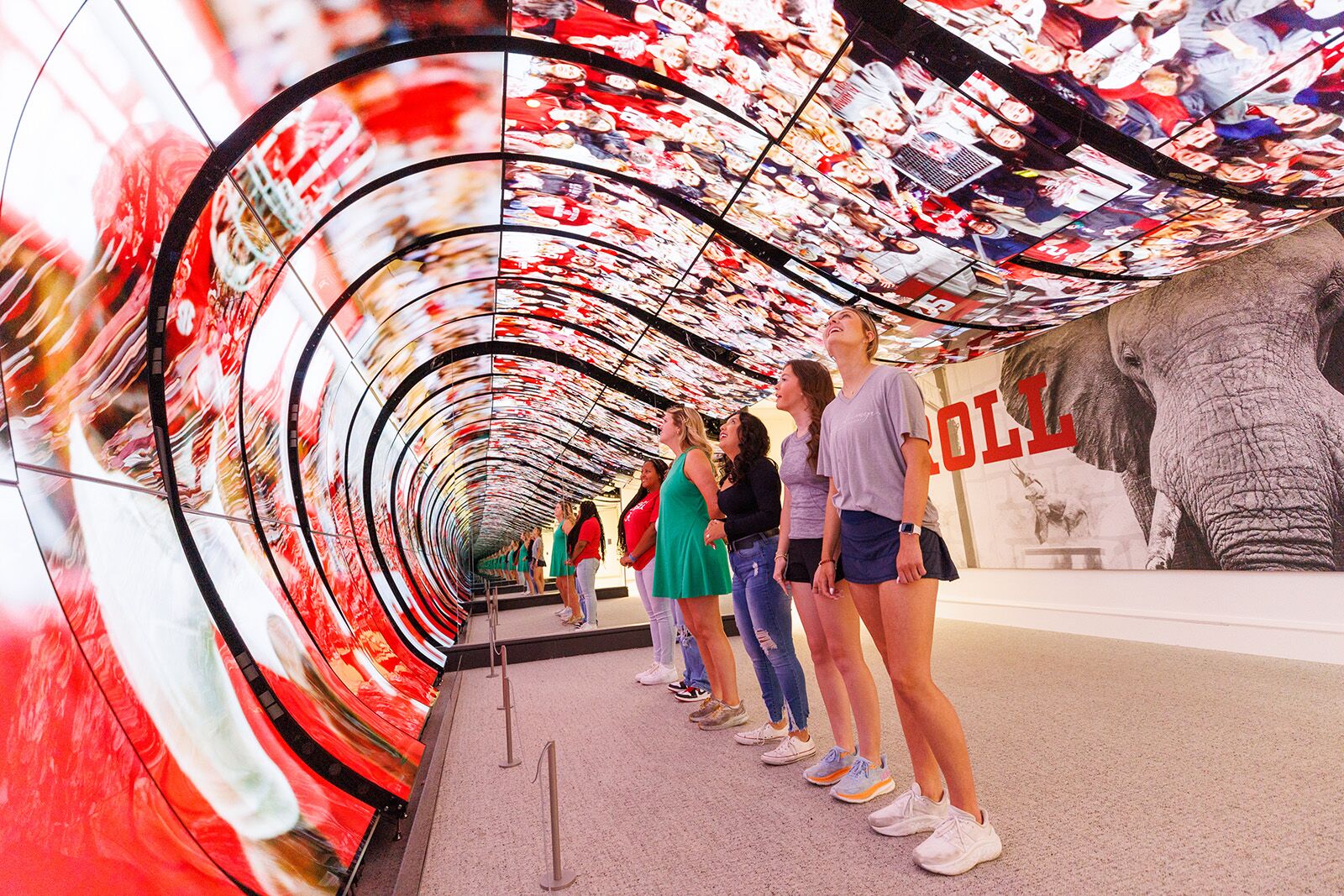
At the center of town, the University of Alabama serves as an anchor. The Catherine and Pettus Randall Welcome Center, housed in a historic building formerly used by the Bryce Hospital, bridges the gap between the university’s academic mission and its historic preservation efforts. Visitors can explore the first floor’s interactive exhibits or view the museum upstairs, which documents the profound impact of the Bryce Hospital on the development of mental healthcare in the American South.
Supporting Data: Recreation and Lifestyle
Tuscaloosa’s appeal is bolstered by its diverse recreational and lifestyle offerings, which cater to everyone from the outdoor enthusiast to the culinary connoisseur.
Lake Lurleen State Park: An Outdoor Sanctuary
Just 20 minutes from the city center, the park has become the region’s premier outdoor destination. With 23 miles of multi-use trails, it is a haven for mountain bikers and hikers. The park’s recent renovation has introduced glamping—safari-style tents fully furnished with climate control and decks—allowing guests to enjoy the wilderness without sacrificing modern comforts. With entrance fees remaining remarkably accessible—$5 for adults and free for military personnel—the park remains a testament to the city’s inclusive approach to public leisure.
A Culinary Map
Tuscaloosa’s food scene reflects a fusion of traditional Southern hospitality and modern culinary experimentation.
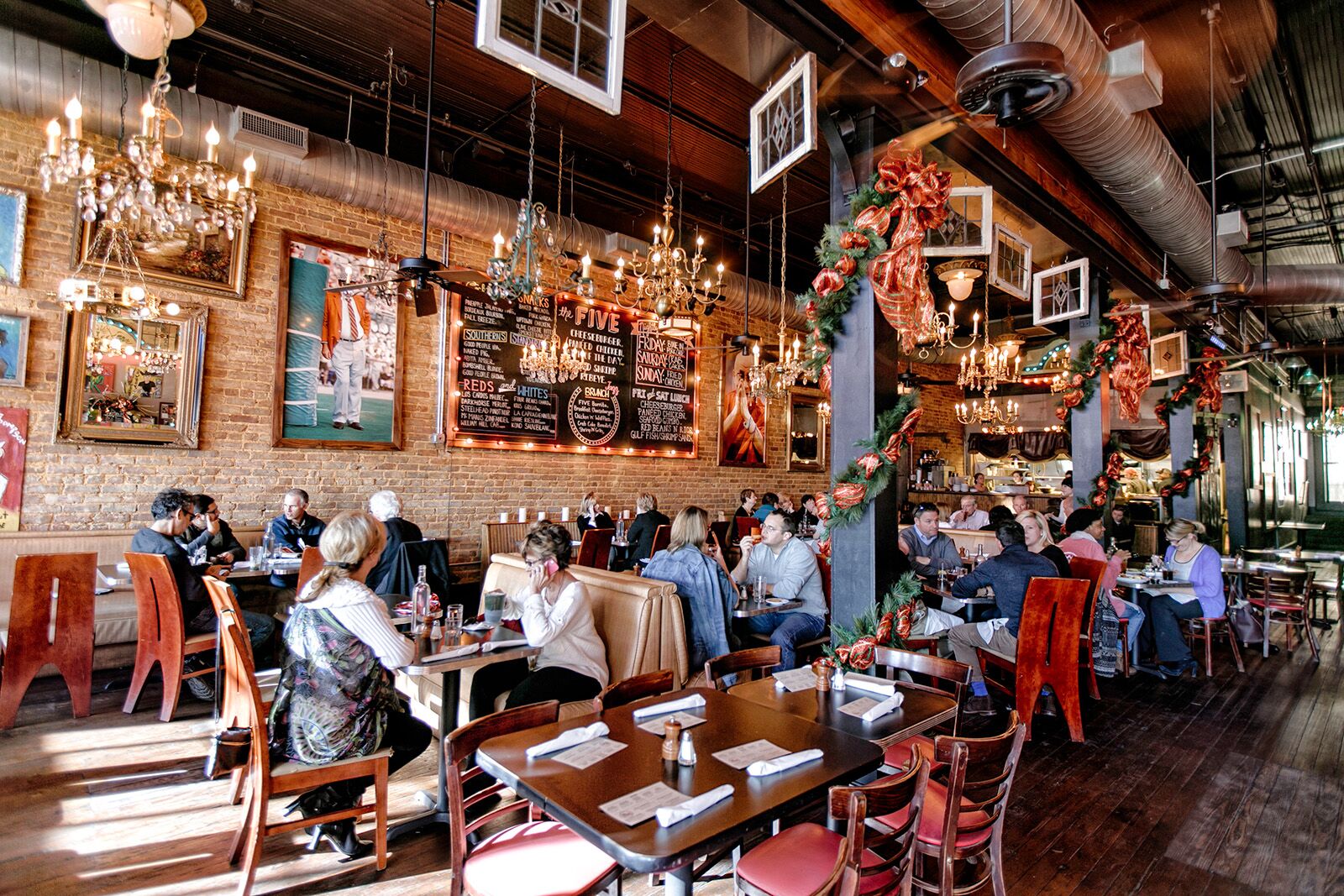
- Five Bar: Known for its minimalist "five-appetizer, five-entree" menu, it offers a sophisticated dining experience, complete with live jazz brunches that have become a weekend staple.
- Urban Bar & Kitchen: A newer addition to the scene, this establishment has gained local acclaim for its "bacon bombs" and a menu that refuses to be pinned down by a single culinary tradition.
- Thomas Rib Shack: For a more traditional experience, this second-generation eatery provides a window into the soul of local barbecue, serving everything from catfish to oxtail, paired with the quintessential Southern side of caramel cake.
- Evangeline’s: Representing the city’s fine-dining pinnacle, this white-tablecloth establishment offers everything from Wagyu flat iron steaks to a signature triple chocolate martini.
Official Responses and Strategic Development
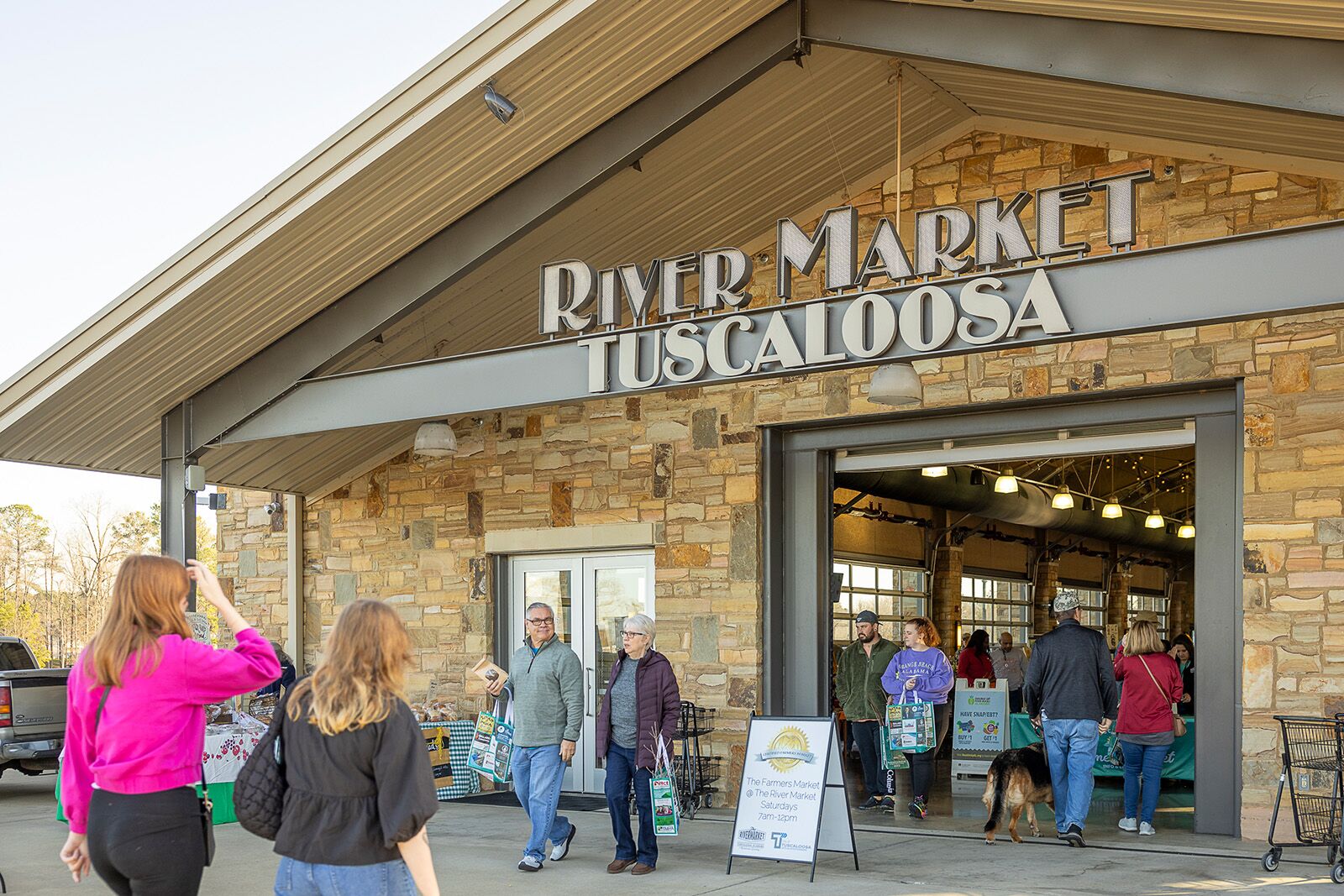
Local stakeholders, including the tourism board and private business owners, have been vocal about the need to diversify the city’s image. The development of the Tuscaloosa Farmers Market, which operates year-round at the River Market, serves as a focal point for economic growth. By providing a platform for local entrepreneurs—such as Poppin’ Sisters Popcorn and Sweet Secret by Yuriko—the market encourages residents and visitors alike to invest in the local economy.
Furthermore, the expansion of the hospitality sector, exemplified by the Embassy Suites in the downtown district, indicates a robust demand for high-quality, accessible lodging. The inclusion of amenities like the enclosed waterfall and the "Side by Side Kitchen" reflects a broader trend of integrating local culture directly into the guest experience.
Implications for the Future
The implications of these developments are clear: Tuscaloosa is shedding its reputation as a "one-trick pony" dependent solely on college athletics. By leveraging its history, investing in its natural resources, and fostering a diverse culinary landscape, the city is positioning itself as a sustainable year-round destination.
Navigating the City
For those planning a visit, logistical planning is key. While Birmingham-Shuttlesworth International Airport (BHM) is the primary gateway, the hour-long drive to Tuscaloosa is an experience in itself, characterized by lush, tree-lined highways that emphasize the region’s natural beauty.
Once in town, the walkability of the downtown area is a significant asset. However, for those looking to explore the fringes of the city, such as Lake Lurleen or the unique retail shops in Northport, a vehicle is recommended. For the eco-conscious traveler, the e-bike rentals available at Hotel Indigo provide a seamless way to navigate the Tuscaloosa Riverwalk, connecting the urban center to the natural tranquility of the riverfront.
The "Southern" Touch
The city’s attention to detail is perhaps best captured in the subtle cultural markers found throughout the area. At the Randall Welcome Center, one can observe the "haint blue" ceilings—a traditional Southern architectural choice intended to deter evil spirits. It is this blend of history, superstition, and progressive urban planning that defines the modern Tuscaloosa.

Whether you find yourself sampling cheddar biscuits at Heritage House, catching a game at the legendary Bryant-Denny Stadium, or browsing the handmade goods at the Kentuck Art Center, the city offers a multifaceted experience that rewards the curious traveler. Tuscaloosa is no longer just a place to watch a game; it is a place to live, learn, and dine, making it one of Alabama’s most compelling, and underrated, travel gems.