







































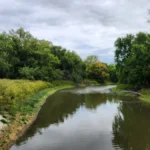

















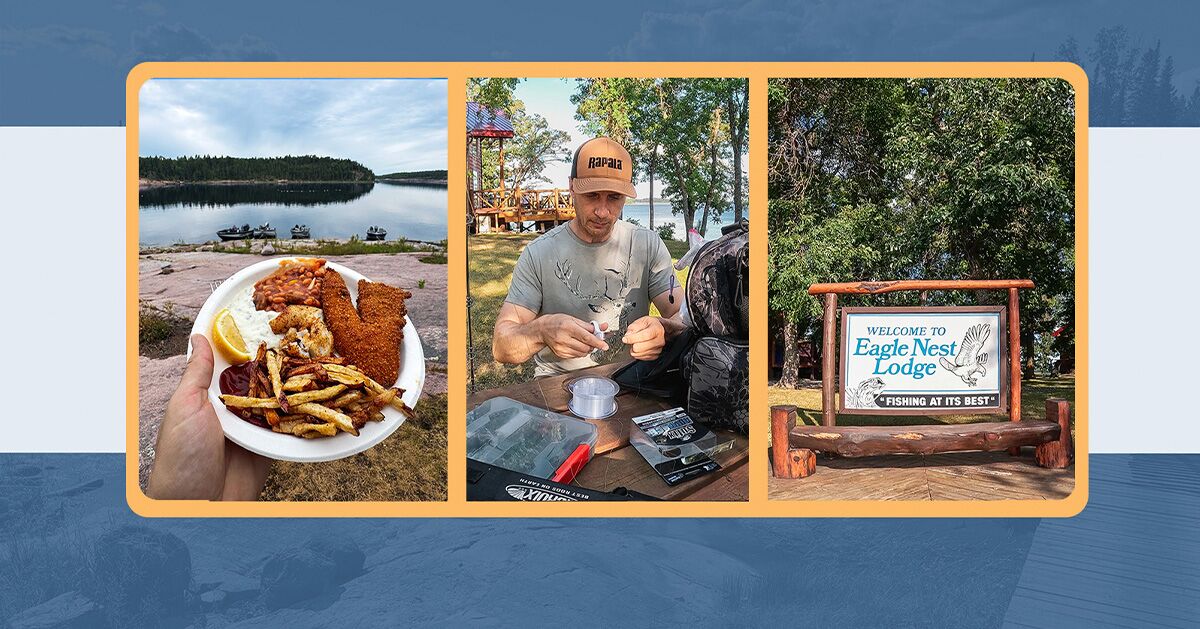
Located along the winding, pristine reaches of the Winnipeg River, approximately 70 miles northeast of Winnipeg, Manitoba, lies a destination that bridges the gap between rugged frontier adventure and refined hospitality. Eagle Nest Lodge is not merely a fishing camp; it is a legacy. For over 60 years, the Pedruchny family has stewarded this property, and today, owners Shaun and Jessica Jackson continue that tradition, cultivating an atmosphere where guests are welcomed not as tourists, but as members of an extended family.
The Gateway to the Manitoba Wilderness
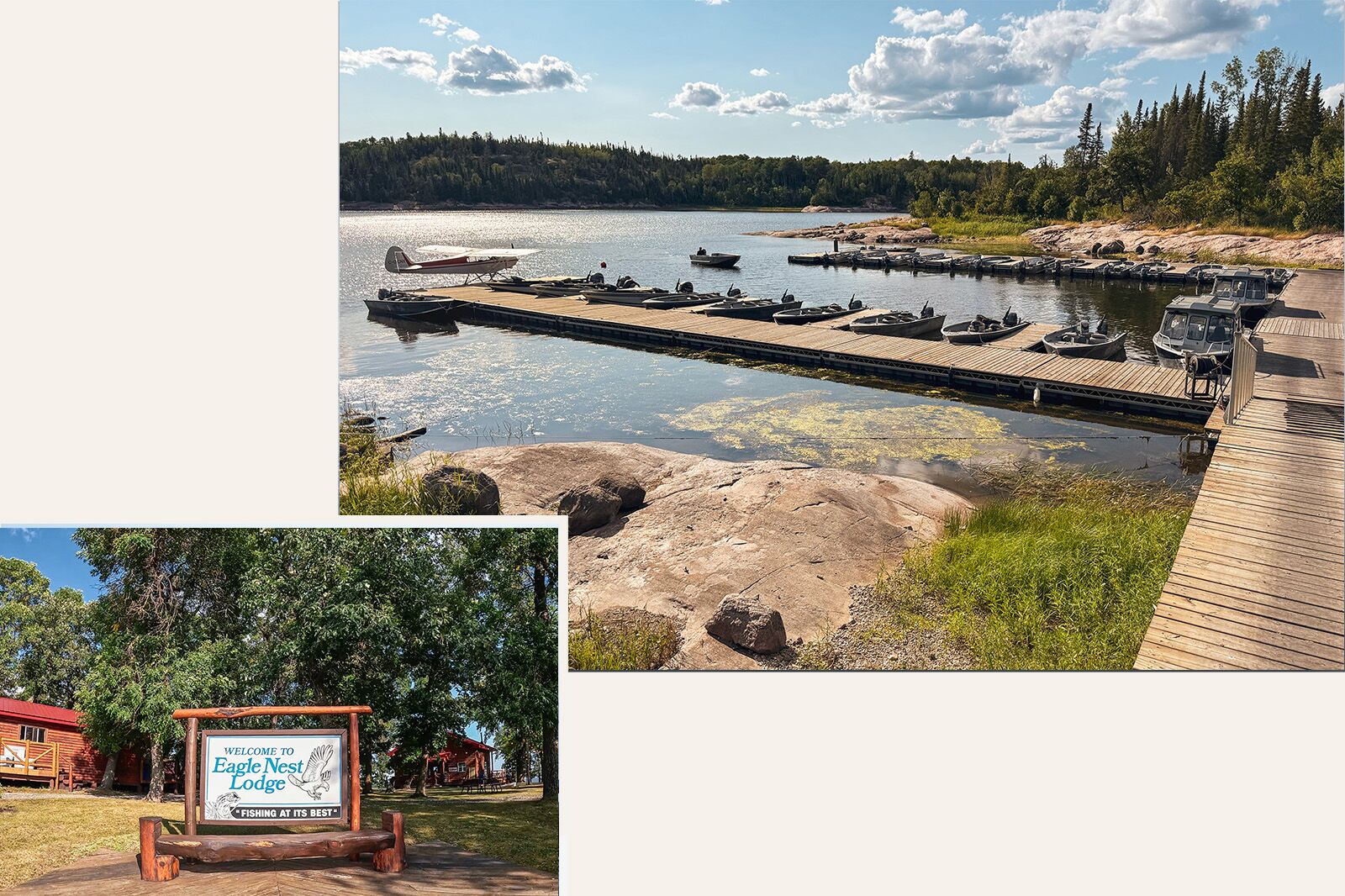
The journey to Eagle Nest Lodge is an experience in itself. While guests have the option to arrive by boat, the most evocative entry is via the air. On a recent excursion, our group boarded a Cessna 208 Caravan—a rare, versatile amphibious aircraft operated by Adventure Air. Taking off from the runway at Lac du Bonnet, we were airborne for a brief 15 to 20 minutes. From the vantage point of the cockpit, the vast, shimmering network of the Manitoba wilderness unfolds, revealing the intricate tapestry of forests and waterways that define this region.
Upon touchdown directly at the lodge’s private dock, the transition from the bustling world to the serene riverfront is seamless. Staff members facilitate the logistics, whisking gear away to the cabins, allowing guests to immediately transition into the “Eagle Nest rhythm.” This rhythm usually begins at the Eagle Nest Club Room, the heart of the property. Whether sipping a craft mojito, a crisp local lager, or a signature piña colada, guests congregate here to recount the day’s tales before the evening’s formal dining begins.
Accommodations: Where Comfort Meets the Great Outdoors
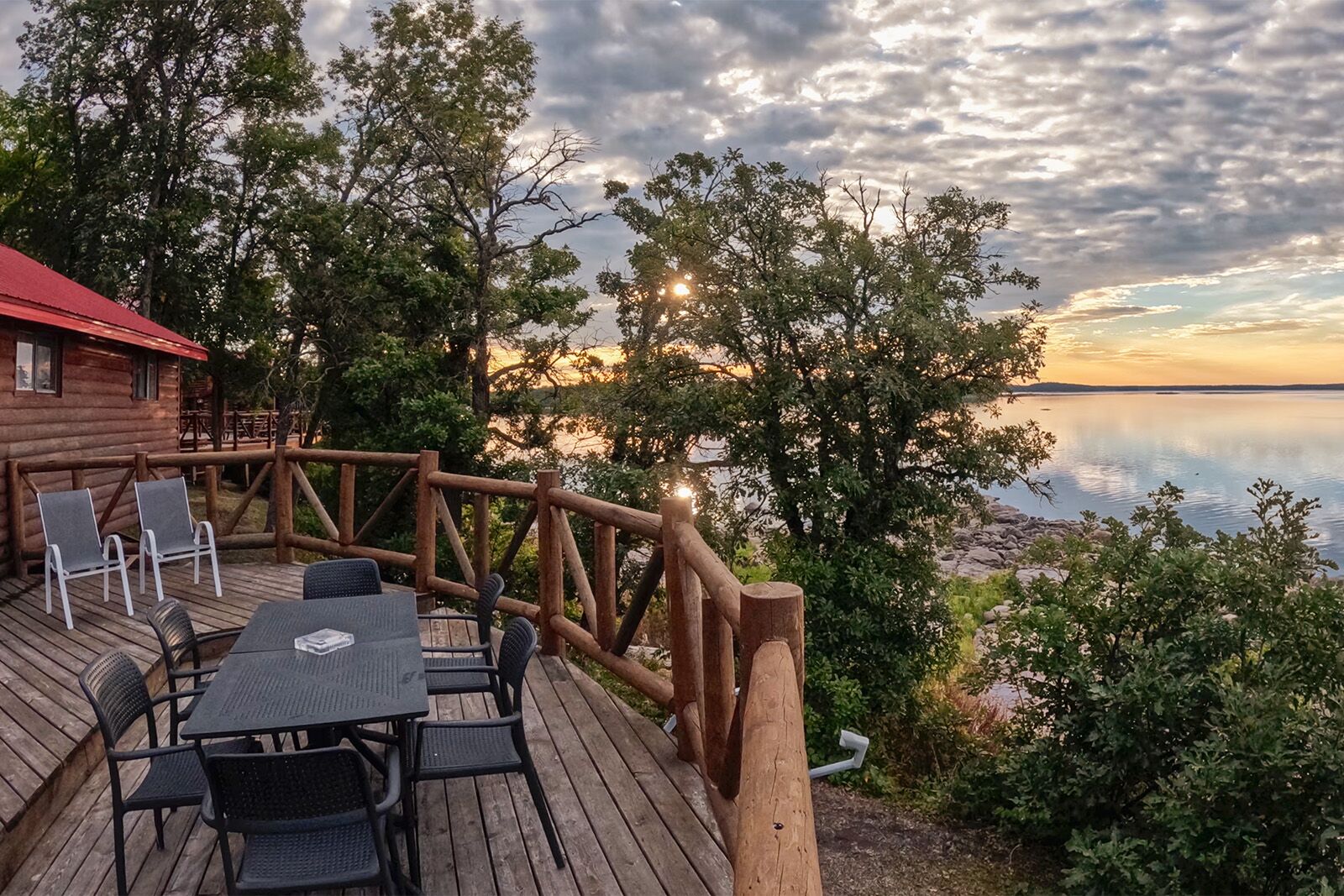
Eagle Nest Lodge operates six distinctive cabins, offering a total capacity of 40 beds. The architectural footprint is designed to balance the raw beauty of the landscape with modern creature comforts.
- Dancing Bear: The lodge’s flagship, featuring five bedrooms and accommodating up to 12 guests.
- Sleeping Wolf: The intimate choice, sleeping up to seven.
- Walking Eagle: A mid-sized, character-filled cabin that comfortably houses 10 guests.
Each unit is equipped with two bathrooms, full-size refrigerators, high-quality mattresses, satellite television, and both heating and air conditioning—a necessity for the fluctuating Manitoba climate. Perhaps most importantly, every cabin features a private patio deck overlooking the river, providing a front-row seat to the sunrise or the quiet twilight. The interiors, while modernized, retain a rustic charm, with wood stoves providing warmth and aesthetic appeal during cooler evenings.
Historical Resonance and Culinary Excellence
The main lodge and dining hall are steeped in history, with roots tracing back 200 to 300 years to the North West Company fur trade. The walls serve as a museum of sorts, adorned with historical artifacts—including an authentic musket recovered from the river’s edge—and impressive taxidermy mounts that pay homage to the bounty of the Winnipeg River.
The culinary program at Eagle Nest is arguably one of its most compelling features. The experience transcends the traditional "camp food" expectation. Breakfasts are a robust affair, ranging from homemade waffles topped with wild berries to Southwest-inspired hashes served with fresh avocado. Dinner service is equally impressive, featuring prime rib, succulent pork chops, and, on occasion, slow-smoked barbecue beef brisket. The nightly rotation of desserts—crème brûlée, candied apple mousse, and delicate berry tarts—ensures that every meal concludes on a high note.
The Pursuit of the "Eater" Walleye
While the hospitality is impeccable, the primary draw remains the fishery. Eagle Nest Lodge offers premier access to smallmouth bass, northern pike, and the highly coveted walleye.
The Strategy of the Hunt
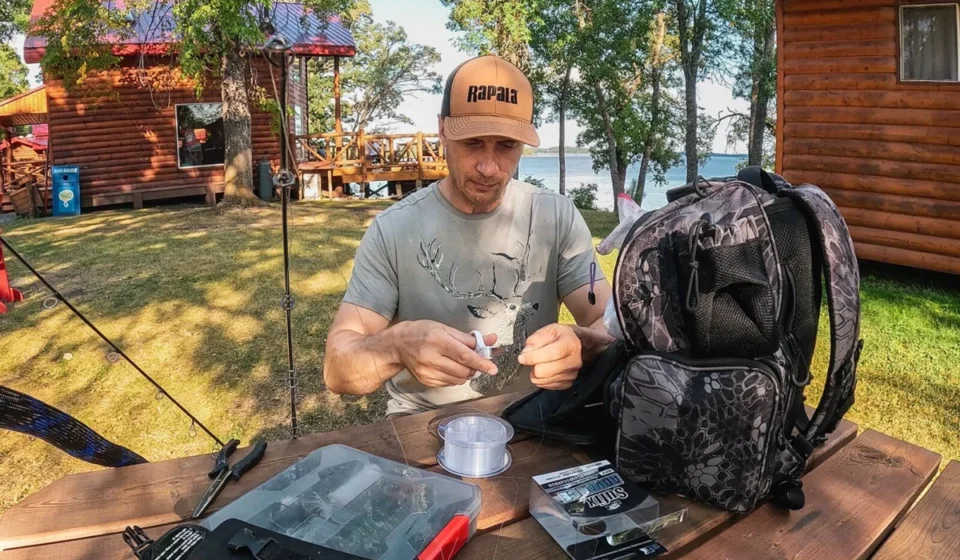
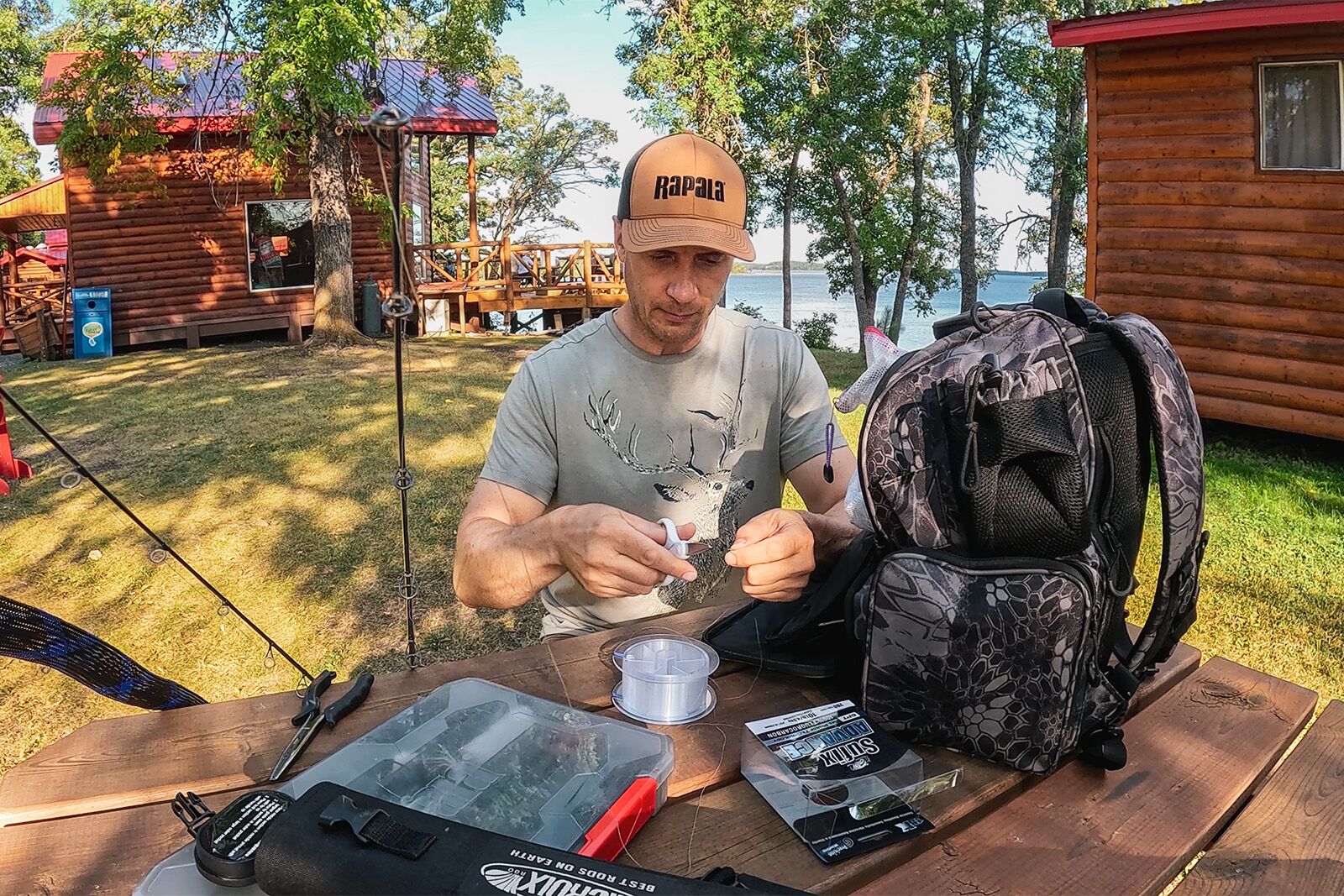
Our fishing journey began with a mission to secure "eater" walleye. In angling parlance, this refers to fish measuring between 14 and 17 inches—the optimal size for filleting and consumption. Guided by Dawson, a veteran of the local waters, we navigated to a stretch known as "The Oaks."
The Oaks is a classic "community spot"—a high-traffic, productive zone where the river current meets a steep rock shoreline. This topography traps baitfish, which in turn draws in the predators. The fishing was a masterclass in boat control and patience. While many anglers rely on the tried-and-true method of a salted minnow on a jig head dragged along the rock bottom, I opted for artificial swimbaits. The success of the day was a testament to the fact that when presented correctly, artificial lures can mirror, or even outperform, live bait in drawing strikes from larger fish.
Navigating Conservation Regulations
Manitoba maintains strict, science-based angling regulations to ensure the sustainability of its fish populations. For the stretch of the Winnipeg River near the lodge, any walleye exceeding 17.7 inches must be released. This "slot limit" is critical for maintaining a healthy breeding population. By the end of our morning session, our group had successfully caught enough "eater" walleye to provide a fresh, sustainable lunch for all seven members of our party.
The Shore Lunch: A Culinary Ritual
The shore lunch is the heartbeat of the Canadian fishing lodge experience. It is a tradition that demands a specific synergy between the guide’s expertise and the quality of the catch.
At Eagle Nest, this ritual is elevated to a dining event. The meal featured our morning’s catch prepared in several ways, served alongside fried potatoes, sautéed onions, baked beans, and a unique addition: breaded mushrooms. Watching the guides meticulously prepare the fillets, manage the heat of the portable stove, and plate the meal on a rustic picnic table was a reminder that the most memorable dining experiences are often those found in the middle of the wilderness. Unlike a heavy lunch that might induce lethargy, this meal acted as "fishing fuel," providing the energy necessary for an afternoon session on the water.
Implications for Tourism and Conservation
The longevity of Eagle Nest Lodge—now spanning three generations—speaks volumes about the efficacy of their management model. By integrating high-end hospitality with a deep respect for the local ecosystem, the lodge serves as a model for sustainable tourism in Manitoba.
Economic Impact
The lodge contributes significantly to the local economy, not only through direct employment and the procurement of local goods but also by supporting the broader aviation and tourism infrastructure of the region. As travel agencies and tour operators continue to feature Eagle Nest, it reinforces Manitoba’s position as a world-class destination for fly-in fishing.
Conservation and Stewardship
The owners’ commitment to the "catch and release" ethos for larger, trophy-sized fish, combined with the careful harvesting of "eater" walleye, ensures that the Winnipeg River remains a productive fishery for future generations. The inclusion of educational materials about size regulations and the historical preservation of the lodge itself suggests a management philosophy that values heritage and ecological health in equal measure.
Conclusion
Eagle Nest Lodge is a testament to the idea that wilderness and luxury are not mutually exclusive. It is a place where the history of the fur trade meets the precision of modern sport fishing, and where the simple act of sharing a meal on a riverbank becomes a core memory. For those seeking to disconnect from the digital grind and reconnect with the rhythms of the natural world, the lodge offers a rare, refined sanctuary in the heart of the Canadian Shield. Whether you are a seasoned angler chasing the perfect walleye or a traveler looking for a unique, immersive escape, Eagle Nest Lodge remains an unparalleled destination in the Manitoba wilderness.