
























































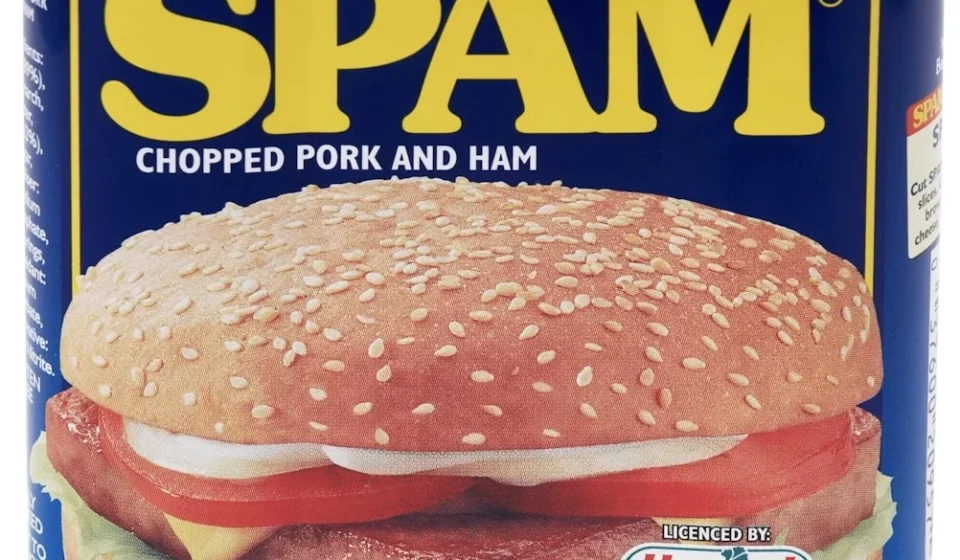

In the vast landscape of American consumer goods, few products have managed to achieve the near-mythical status of Spam. While often dismissed by culinary purists as a humble canned pork product, it stands as one of the most remarkable business success stories in history. Since its debut in 1937, Hormel Foods Corporation has sold over eight billion cans in 44 countries, cementing its place alongside titans like Coca-Cola, McDonald’s, and Pizza Hut as a quintessentially American brand.
But how does a simple block of processed meat evolve from a depression-era pantry staple to a gourmet ingredient featured in high-end restaurants and a beloved cultural staple in places as far-flung as Hawaii, South Korea, and the Philippines? The answer lies in a masterful blend of functional necessity, strategic marketing, and an uncanny ability to tap into the emotional psyche of the consumer.
The Foundation: A Solution to a Global Need
The genesis of Spam is rooted in the practical exigencies of the 1930s. When Hormel Foods introduced the product, it offered something entirely unique: a canned meat that required no refrigeration. In an era before universal home cooling, this provided a significant competitive advantage. The original recipe—a mixture of chopped pork shoulder, ham, salt, water, sugar, and sodium nitrite—was designed to be shelf-stable, portable, and affordable.
The name itself, a portmanteau of "spiced ham," was the result of a contest. The winner, actor Kenneth Daigneau, received a $100 prize. While critics have long pointed to the fact that Daigneau was the brother of a Hormel executive as evidence of potential nepotism, the name stuck with a permanence that few brands ever achieve.
To launch the product, Hormel leaned heavily into the "versatility" angle. By 1940, the company had commissioned a 20-page recipe book featuring 50 different ways to prepare the meat. This was not merely a cookbook; it was an instructional guide on how to integrate the product into the daily lives of American homemakers, positioning it as the ultimate kitchen utility.
Chronology: From the Trenches to the Table
The trajectory of Spam is marked by pivotal moments that transformed it from a local novelty into a global phenomenon.
- 1937: Hormel Foods launches Spam. The product hits the market as a shelf-stable, convenient meat solution.
- 1940: The "50 Ways to Serve Spam" campaign kicks off, cementing the brand’s reputation for culinary flexibility.
- 1941–1945: World War II provides the ultimate testing ground. Over 150 million pounds of Spam are shipped to the front lines. It becomes a dietary staple for soldiers, who carry it across the globe.
- Post-WWII: The Hormel Girls—a musical troupe of female veterans—tour the country, turning the brand into a household name through radio and live performance.
- 1991: The opening of the Spam Museum and the launch of annual recipe contests signal the brand’s transition into a collector’s item.
- 2005: The premiere of the Broadway musical Spamalot brings the brand into the cultural zeitgeist in an ironic, celebrated fashion.
- 2009: Hormel introduces potato starch to the recipe, successfully eliminating the notorious gelatinous layer that had long been a common criticism of the product.
- 2010s–Present: Spam finds its way onto the menus of Michelin-starred restaurants, completing its journey from "survival food" to "gourmet delicacy."
Supporting Data: The Anatomy of Success
The success of Spam is not accidental; it is backed by a sophisticated understanding of consumer behavior. According to a 2012 study by marketing researchers Rajeev Batra, Aaron Ahuvia, and Richard P. Bagozzi, "brand love" requires consumers to experience a product beyond the point of purchase.
Hormel intuitively understood this long before the theory was codified. By sponsoring NASCAR vehicles, hosting the "Spamarama" festival, and even engaging in humorous, self-aware marketing, the company transformed Spam from a mere commodity into a cultural totem.
The numbers bear this out. In Hawaii, the product is so deeply woven into the social fabric that the state consumes seven million cans annually. Whether it is the iconic Spam Musubi—a fusion of Japanese sushi and American canned meat—or the widespread use of Spam in Korean "Army Base Stew" (budae jjigae), the product has proven itself to be a "chameleon" food, easily adapted to the culinary aesthetics of different cultures.
Official Responses and Strategic Evolution
Hormel Foods has been anything but stagnant in its stewardship of the brand. Recognizing that consumer preferences evolve, the company has launched a continuous stream of variations to stay relevant. From Spam Lite (1995) to Hot and Spicy (2000), Bacon (2004), and even Jalapeño (2012), the brand has systematically addressed the changing palates of its audience.
In a statement regarding their product philosophy, Hormel representatives have noted that the brand’s longevity is due to its willingness to be "part of the conversation." By embracing the irony and the nostalgia surrounding the product, the company has avoided the "stale brand" trap that often kills legacy products. They have effectively marketed the brand not as a luxury item, but as a reliable, honest component of a meal—regardless of whether that meal is served in a mess hall or a high-end bistro.
The Implications: A Symbol of Resourcefulness
The cultural resonance of Spam holds significant implications for our understanding of branding. It suggests that, in the minds of consumers, "value" is not purely a function of price. Instead, it is a function of reliability and emotional attachment.
Spam has become an emblem of American ingenuity. During World War II, its versatility was legendary—soldiers famously used its grease to lubricate rifles and waterproof boots. This mythos of resourcefulness—the idea that you can do anything with a can of Spam—has persisted into the modern era.
Today, we see the irony of this legacy in the culinary world. At restaurants like the Liholiho Yacht Club in San Francisco or Noreetuh in New York City, chefs are pairing Spam with ingredients like foie gras, burgundy truffles, and uni. This is the ultimate "high-low" cultural synthesis. It represents a generation of chefs and consumers who grew up with the product and have reclaimed it, stripping away the stigma of its "cheap" origins to celebrate its unique, salty, and savory flavor profile.
Conclusion: The Infinite Can
When the first cans of Spam rolled off the production line in 1937, it is highly unlikely that anyone at Hormel envisioned the product appearing as a $40 entree in a prestigious Manhattan restaurant. The brand’s journey is a testament to the power of adaptation.
Spam remains one of the few products that can bridge the gap between economic necessity and culinary creativity. It is a mirror reflecting the history of the 20th and 21st centuries—from the rationing and global displacement of the war years to the irony-steeped, globalized food culture of today.
As we look toward the future, the longevity of Spam seems assured. By continuously evolving its flavor profile while maintaining the core identity that consumers have come to rely on, Hormel has achieved a rare feat: a brand that is both an immutable artifact of history and a dynamic, living participant in the global kitchen. Whether it is being fried for breakfast in the Philippines, served in a sushi roll in Hawaii, or featured in an avant-garde dish in a trendy urban center, Spam has proven that it is much more than just a canned meat—it is, in every sense of the word, an icon.