























































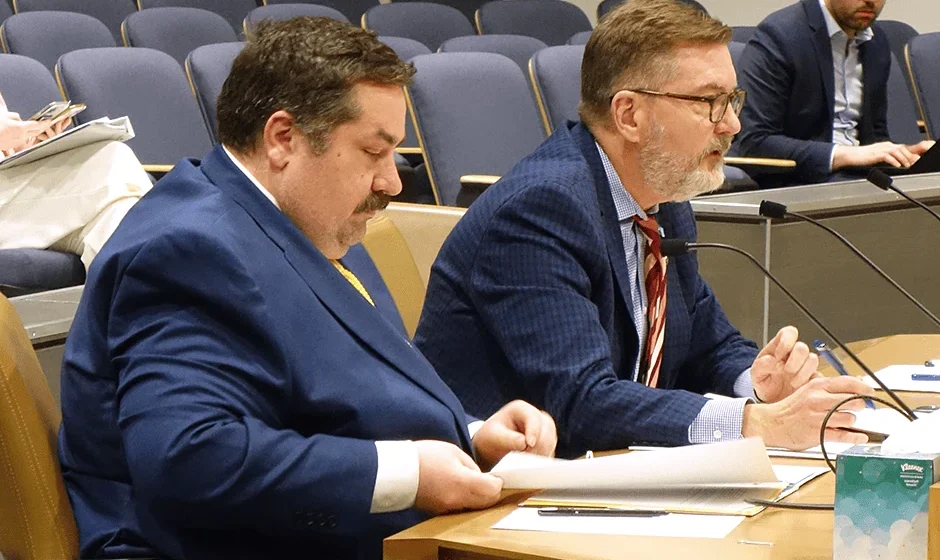
Steadying the Ship: Eric Taubel Appointed Permanent Director of Minnesota’s Office of Cannabis Management

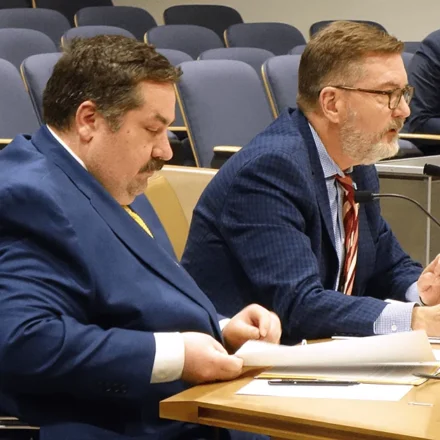
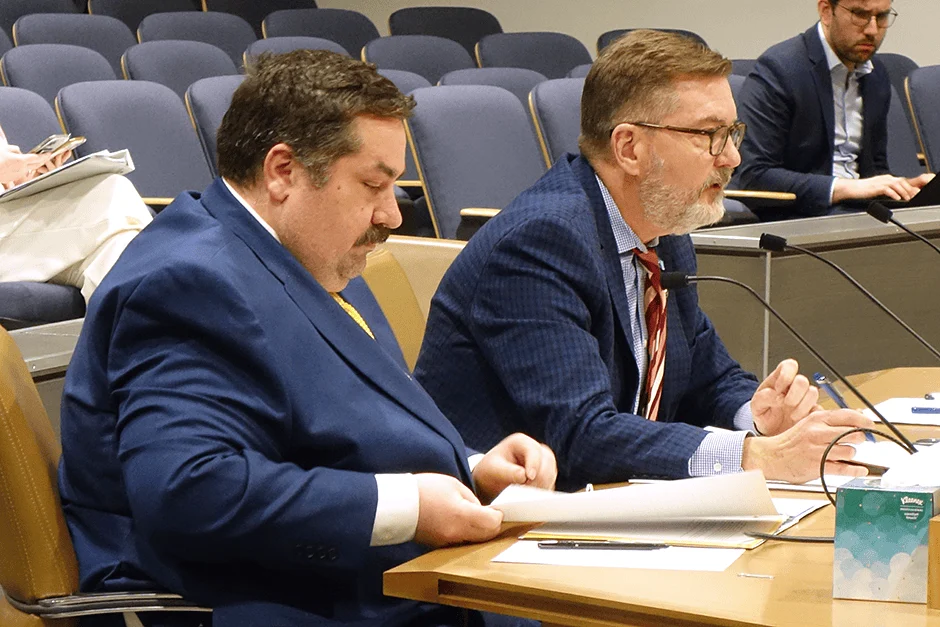
ST. PAUL, MN — In a move intended to signal stability and professionalize the rollout of Minnesota’s nascent adult-use cannabis market, Governor Tim Walz has officially named Eric Taubel as the permanent executive director of the Office of Cannabis Management (OCM). The appointment, announced Wednesday, elevates Taubel from the interim role he has held since January and marks a pivotal moment for an agency that has faced intense scrutiny since its inception.
The transition from interim to permanent leadership comes at a critical juncture. While Minnesota legalized recreational marijuana in 2023, the path to a fully functioning retail market has been fraught with administrative hurdles, legislative adjustments, and local government resistance. By formalizing Taubel’s role, the Walz administration is betting on a "steady hand" to navigate the complex regulatory waters of a multi-billion dollar industry.
Main Facts: A Promotion from Within
Eric Taubel is no stranger to the inner workings of the OCM. Before stepping in as interim director, he served as the agency’s general counsel, providing the legal framework for the state’s transition from a prohibited market to a regulated one. His appointment is seen by many in the industry as a shift away from political optics and toward administrative competence.
Governor Walz, who had previously described the legalization process as "rocky," was effusive in his praise for Taubel’s performance over the last eight months. "I think he’s done a fantastic job," Walz stated during a recent interview. In a formal statement released Wednesday, the Governor added that Taubel "has ensured that the priorities that drove cannabis legalization in Minnesota are reflected in Minnesota’s emerging market."
Those priorities—social equity, local ownership, and a safe, regulated supply chain—are now under Taubel’s direct supervision. As permanent director, Taubel will oversee the licensing of hundreds of businesses, the enforcement of state safety standards, and the delicate coordination between state regulators and local municipalities.
Chronology: From Legislative Victory to Administrative Growing Pains
The road to Taubel’s appointment began in May 2023, when Governor Walz signed Chapter 63 into law, making Minnesota the 23rd state to legalize recreational marijuana. However, the subsequent year proved that passing a law is significantly easier than implementing one.
The Initial Stumble (Summer 2023)
The OCM’s first major crisis occurred almost immediately. In September 2023, the Governor’s first pick for director, Erin DuPree, resigned just one day after being appointed. Investigations by local media revealed that DuPree’s business had sold products that exceeded state limits on THC and owed thousands in unpaid taxes and judgments. The scandal left the agency leaderless during its most formative months.
The Interim Era (January 2024 – August 2025)
Taubel took the helm as interim director in January 2024. During his tenure, he was tasked with building an agency from scratch while the legislature moved to "clean up" the original bill. In the 2024 legislative session, lawmakers passed several amendments to the cannabis law, including a shift to a "social equity lottery" system for initial licenses and allowing the OCM to issue "pre-approval" licenses to help entrepreneurs secure financing and real estate.
The Tribal Lead (Late 2023 – Present)
While the state-regulated market stalled, Minnesota’s 11 tribal nations utilized their sovereign status to launch the market. The Red Lake Nation and White Earth Nation opened the state’s first dispensaries in August 2023. Under Taubel’s interim leadership, the state deepened these partnerships, culminating in a historic May 2024 agreement that allowed the White Earth Nation to open dispensaries off-reservation in St. Cloud and Moorhead.
Supporting Data: The Scale of the Emerging Market
As Taubel assumes permanent control, the OCM is managing a massive influx of interest. The state’s goal is to move from a handful of tribal dispensaries to a robust statewide network by 2025.
Current Licensing Projections:
Taubel has set an ambitious target, predicting that the state will grant final license status to between 100 and 150 cannabis retailers by the end of the 2024 calendar year. This represents a significant acceleration from the current pace.
Municipal Interest:
The "publicly-owned" model is also gaining traction. Currently, 13 Minnesota cities are in the exploratory stages of opening municipal cannabis stores. Similar to municipal liquor stores ("munis"), these shops would allow local governments to retain profits for community reinvestment.
Social Equity Participation:
The first round of licensing has focused heavily on social equity applicants—individuals from communities disproportionately impacted by past marijuana prohibition, military veterans, and small-scale farmers. Thousands of applications were submitted for the initial lottery, highlighting the high demand for entry into the market.
The Hemp Precedent:
Minnesota already boasts a thriving "low-potency" hemp-derived THC market, which was legalized in 2022. There are currently over 3,000 registered retailers selling hemp-derived edibles and beverages. Taubel’s office is responsible for integrating this existing market into the broader cannabis regulatory framework without crushing the small businesses that paved the way.
Official Responses: Shifting the "Onus" to the Industry
The tone from the OCM under Taubel has shifted from one of apology to one of expectation. In recent statements, Taubel has emphasized that the regulatory infrastructure is now in place, and the speed of the rollout depends largely on the readiness of the applicants.
"We’ve transitioned to the point where the onus is on the applicant and a prospective business owner," Taubel said in a recent interview. He argued that while the state provides the framework, it is up to entrepreneurs to navigate the complexities of zoning, financing, and compliance.
Legislative leaders have largely signaled their approval of Taubel’s permanent appointment. State Senator Scott Dibble (DFL-Minneapolis), a key architect of the legalization bill, has worked closely with Taubel during committee hearings. The consensus among St. Paul lawmakers appears to be that Taubel’s deep understanding of the law’s technicalities makes him the right person to handle the "boring but essential" work of licensing and enforcement.
However, some industry advocates remain cautious. "The transition from interim to permanent is good for stability," said one prospective dispensary owner who requested anonymity. "But the ‘onus’ being on us is a bit rich when the rules were changing every few months during the last session. We need the OCM to be a partner, not just a gatekeeper."
Implications: Local Friction and the Path to 2025
While Taubel’s appointment solves the leadership question at the state level, it does not resolve the growing tension between state regulators and local governments.
The Albert Lea Precedent
A significant shadow over the OCM’s recent progress is the situation in Albert Lea. Last month, the OCM granted final approval to five businesses, including "The Smoking Tree." However, the Albert Lea City Council shocked regulators by denying the business a local registration license.
This move suggests a legal "gray area" that Taubel will have to address. While state law mandates that cities cannot outright ban cannabis businesses, they do have the power to enforce "reasonable" time, place, and manner restrictions. The Albert Lea case indicates that some local councils may use their zoning and licensing authority to effectively block state-approved businesses, leading to potential litigation that could clog the courts for years.
Regulatory Enforcement
As the permanent director, Taubel will also oversee the OCM’s enforcement wing. With the illicit market still thriving and the hemp-derived market requiring constant oversight, the OCM must balance its role as a business facilitator with its duty as a public safety watchdog. Taubel’s background as general counsel suggests he will take a "by-the-book" approach to enforcement, which may clash with the "wild west" atmosphere that characterized the early days of hemp legalization in the state.
Economic Impact
The success or failure of Taubel’s tenure will ultimately be measured in tax revenue and market health. Minnesota’s cannabis tax is set at 10% (on top of standard sales tax). If the licensing process remains slow, or if local opposition prevents shops from opening in high-traffic areas, the state risks losing revenue to neighboring states or the black market.
Conclusion
By naming Eric Taubel as the permanent head of the Office of Cannabis Management, Governor Walz is attempting to close the chapter on the agency’s "rocky" start. Taubel’s task is monumental: he must build a multi-million dollar industry from the ground up, appease social equity advocates, manage recalcitrant local governments, and meet the high expectations of a public that has been waiting for legal retail since 2023.
With the "onus" now shifted to the applicants and the leadership finalized, the coming months will determine if Minnesota’s cannabis market will be the national model of equity and efficiency the Governor promised, or a cautionary tale of bureaucratic entanglement. For Taubel, the "interim" grace period is over; the era of accountability has begun.