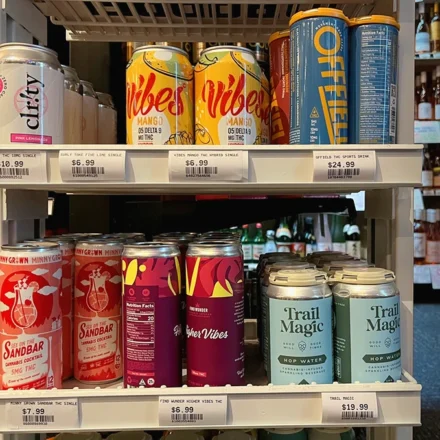





















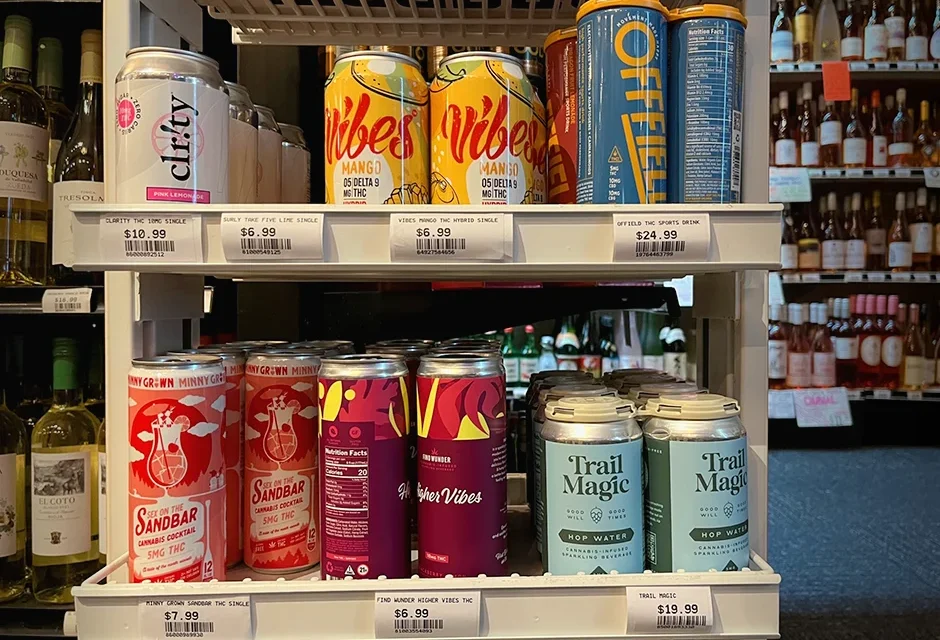





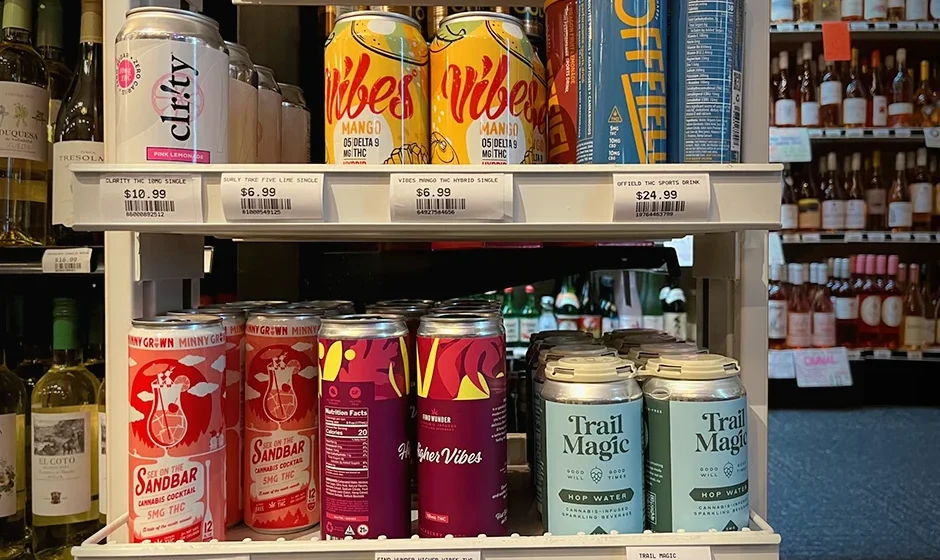

WASHINGTON D.C. – With a critical December 11 deadline rapidly approaching, the nascent but burgeoning hemp-derived THC industry finds itself in a desperate, last-minute lobbying blitz on Capitol Hill. At the heart of this frantic effort is Steven Brown, a former Marine and a pioneer in the Midwest’s hemp sector, who joined approximately 50 other advocates in a seemingly Sisyphean task: convincing a lame-duck Congress to either reverse or, at the very least, delay a federal ban on intoxicating hemp-derived products. These include a wide array of popular items like infused drinks, gummies, and other edibles that have found a niche in the consumer market since the 2018 Farm Bill.
Brown, founder of one of the first hemp dispensaries in the Midwest and a driving force behind the Minnesota Hemp Association, candidly acknowledges the formidable opposition. "We are fighting big alcohol, big cannabis, and big pharma," he stated, encapsulating the uphill battle faced by the industry. This powerful triumvirate has successfully lobbied Congress to outlaw intoxicating products made with hemp, arguing primarily on grounds of public safety, unregulated markets, and unfair competition. For Brown and his peers, pharmaceutical companies represent an additional rival, wary of the therapeutic potential of hemp-based alternatives.
The looming ban, enshrined in a spending bill approved at the end of 2025 and originally slated for October 2026, targets hemp products containing more than 0.4 milligrams of THC or any other psychoactive substance. Though briefly delayed by Congress until December 11, the provision threatens to render nearly all hemp-derived consumable products, including many CBD items, federally illegal. While states like Minnesota have enacted laws allowing the continued sale of these products, the federal prohibition promises to severely curtail their availability, dramatically reduce production, and inflict significant economic damage on businesses across the nation. Efforts in the U.S. House to forestall this ban have, to date, largely stalled, leaving the industry teetering on the brink.
A Chronology of Hemp’s Rollercoaster Journey
The journey of hemp-derived products from obscurity to the precipice of a federal ban is marked by a complex interplay of legislative intent, scientific discovery, and market evolution. Understanding this timeline is crucial to grasp the current crisis.
The 2014 Pilot Program: A Seed is Planted
Steven Brown’s involvement in the hemp industry dates back to 2014, when he began producing hemp-infused THC products as part of a pilot program. This early initiative predated widespread understanding and acceptance of hemp’s potential and laid the groundwork for future ventures. It was a time of cautious exploration, aimed at understanding the cultivation and processing of hemp under controlled conditions.
The 2018 Farm Bill: The Floodgates Open
The true turning point for the hemp industry arrived with the passage of the 2018 Farm Bill. This landmark legislation federally legalized industrial hemp, broadly defined as cannabis plants containing less than 0.3% Delta-9 THC on a dry weight basis. The primary intent was to differentiate hemp from marijuana and promote the cultivation of hemp for fiber, seeds, and CBD. However, an unforeseen consequence, or perhaps a regulatory oversight, emerged. The bill’s specific focus on Delta-9 THC, and its quantitative threshold, inadvertently created a legal pathway for the extraction and concentration of other psychoactive cannabinoids derived from hemp, such as Delta-8 THC, Delta-10 THC, and even high-potency Delta-9 THC in edible forms, as long as the source material (the hemp plant) met the 0.3% Delta-9 THC threshold. This "loophole" quickly led to a boom in intoxicating hemp-derived products, distributed widely in various retail settings.
Rapid Market Expansion and Regulatory Ambiguity
Following the 2018 Farm Bill, businesses like Brown’s, which eventually evolved into Nothing But Hemp and then Nothing but Canna, capitalized on this burgeoning market. They developed a diverse range of products, from edibles and drinks to emulsions and high-dose "spirits." The industry expanded rapidly, filling a consumer demand for accessible, legal, intoxicating alternatives to alcohol or traditional cannabis, particularly in states without legal recreational marijuana. However, this rapid growth occurred in a largely unregulated environment. Without clear federal guidelines on product manufacturing, testing, labeling, and marketing, concerns began to mount regarding product safety, potency, and appeal to minors.
The Legislative Pushback: Setting the Stage for the Ban
As the market matured and the scale of intoxicating hemp products grew, so did the pushback from established industries and public health advocates. By the end of 2025, these concerns culminated in a provision within a federal spending bill. This provision set an October 2026 deadline for a comprehensive ban on hemp products containing more than 0.4 milligrams of THC or any other psychoactive substance. This threshold effectively targeted and outlawed nearly all intoxicating hemp-derived consumables.
Delays and the Final Countdown: December 11
In September of the current year, Congress granted a brief reprieve, delaying the implementation of the ban until December 11. This extension, however, offered little more than a temporary pause, allowing the industry a final, desperate window to lobby for a permanent solution. Now, with the deadline mere days away, the stakes are higher than ever, and the industry’s future hangs precariously in the balance.
Supporting Data and Diverse Perspectives: The Heart of the Debate
The debate surrounding hemp-derived THC products is multifaceted, drawing stark lines between economic opportunity, personal liberty, public health, and regulatory responsibility. Both proponents and opponents present compelling arguments, backed by anecdotal evidence, industry data, and expert opinions.
The Hemp Advocates’ Plea: Wellness, Jobs, and Regulation
Steven Brown’s company, Nothing But Canna, based in Northeast Minneapolis, exemplifies the entrepreneurial spirit of the hemp industry. As a retailer and manufacturer, it produces a wide variety of hemp-derived products, including the distinctive "spirits" – high-dose THC drinks designed for cocktails or sipping. However, the shadow of the federal ban has already cast a long pall over his operations. Brown reports a significant decline in sales and has been forced to lay off half of his workforce, shrinking from 50 employees to a mere 25. This stark reality underscores the immediate economic devastation the ban promises.
For Brown, his motivation extends beyond business. It’s deeply personal. Having lost his father and several fellow Marines to opioid addictions, he, like many within the hemp community, champions these products as vital alternatives. He passionately argues that hemp-derived THC helps individuals combat addictions to drugs and alcohol, offering a less harmful path to wellness and relief. During his lobbying rounds, Brown consistently emphasized the profound value these products hold for consumers, particularly vulnerable populations. "This is going to affect so many veterans, it’s going to affect people who can’t sleep, people who have been able to get off alcohol and prescription drugs," he stressed, highlighting the human impact beyond mere commerce.
The industry’s core message to lawmakers is not to outlaw, but to regulate. They are advocating for a structured framework that ensures product safety and responsible distribution. This willingness to embrace regulation is reflected in the bipartisan "Hemp Guardrails Act," introduced by Senator Amy Klobuchar (D-Minn.) and Senator Tim Sheehy (R-Mont.). This proposed legislation aims to establish federal oversight, allowing low-potency hemp-derived THC beverages and edibles to remain on the market. Key provisions include prohibiting sales to individuals under 21, granting the U.S. Food and Drug Administration (FDA) authority to set federal standards, and limiting THC content to a maximum of 1% by weight. This bill represents the industry’s concession to safety concerns, offering a pathway for legitimacy rather than outright prohibition.
The Opponents’ Concerns: Safety, Unregulated Markets, and Public Health
While hemp advocates articulate the benefits, a powerful coalition of the alcohol industry, the marijuana industry, and pharmaceutical companies, along with public health officials, presents a different narrative. Their mission is clear: ensure the federal ban takes effect, thereby placing intoxicating hemp-derived THC products on the same federal footing as marijuana – illegal and restricted to state-regulated dispensaries where legal.
During their own lobbying efforts on Capitol Hill, marijuana advocates convened to discuss the industry and the impending hemp ban. Panelists raised alarming concerns, particularly a sharp rise in the number of children rushed to poison control centers after ingesting intoxicating hemp edibles. Many of these products, they argue, are packaged in ways that appeal directly to children, mirroring candy or popular snacks, thereby creating a dangerous public health hazard.
Further concerns revolve around the completely unregulated nature of many high-THC products sold in readily accessible locations like gas stations. Jordan Tishler, a cannabinoid specialist at Harvard Medical School, voiced a critical medical concern: "There are now chemicals there that we’ve never seen before. If my patient is ill, I need to know what they took." This highlights the significant public health risk posed by products lacking standardized testing, transparent labeling, and ingredient verification. Consumers are often unaware of the actual potency, purity, or potential contaminants in these unregulated products.
Joshua Sanderlin, Delaware’s marijuana commissioner, contrasted this with the regulated marijuana market. He noted that Delaware rigorously tests marijuana products "up to the point of sale" and mandates child-resistant packaging specifically designed not to appeal to children – "No clowns, no cartoon characters," he stated. Sanderlin lamented that similar restrictions are often absent for hemp-based products in many states, creating a dangerous double standard. While the hemp industry now expresses a willingness to accept such national federal regulations, the historical lack of oversight remains a potent argument for opponents.
Official Responses and Divergent State Approaches
The federal government’s response to the rapid proliferation of intoxicating hemp products has been slow and, ultimately, decisive in favor of a ban. However, states are reacting with varied approaches, highlighting the complex interplay between federal mandates and state sovereignty.
Federal Inaction and Legislative Roadblocks
Despite the urgent pleas from hemp advocates and the introduction of bipartisan legislation like the Hemp Guardrails Act, the federal legislative landscape remains challenging. The lame-duck status of the current Congress, coupled with a packed legislative agenda, leaves little time and, perhaps, insufficient political will to address such a contentious issue. The prospect of approving Klobuchar’s bill or a similar measure appears dim. Consequently, advocates like Brown are often left hoping for another postponement, merely kicking the can down the road.
The political dynamics surrounding hemp are not neatly aligned along party lines; rather, support often hinges on the economic presence of the hemp industry within a lawmaker’s district or state. This fragmented support makes building a national consensus incredibly difficult. Furthermore, the departure of key hemp champions, such as the retiring Senator Tina Smith (D-Minn.) and Senator Klobuchar, who has been elected Minnesota’s governor, signals a potential weakening of legislative advocacy in the incoming Congress.
State-Level Divergence: Minnesota’s Stand vs. Restrictive Measures
States are navigating the impending federal ban in diverse ways, reflecting their unique regulatory philosophies and market conditions.
Missouri has already taken steps to limit the sale of intoxicating hemp products, confining them to state-licensed dispensaries, treating them similarly to marijuana. Rhode Island is poised to implement similar restrictions on December 11, aligning with the federal prohibition’s intent.
Minnesota, however, has adopted a different approach. The state’s Office of Cannabis Management (OCM) has clarified that the federal ban does not directly impact state law, which makes it legal to produce and sell these products within Minnesota. Josh Collins, a spokesman for the OCM, confirmed, "That federal (ban) does not impact the state law, which makes it legal to produce and sell these products in the state." This means that gummies, drinks, and other edibles will continue to be sold in stores, bars, and other retail outlets across Minnesota.
However, even in Minnesota, the industry will not be immune to the federal ban’s far-reaching consequences. Collins predicts a significant contraction within the state’s hemp industry. A major blow will be the prohibition on interstate shipping, preventing Minnesota producers from sending their hemp-derived products to other states. Steven Brown estimates that this ban on interstate commerce alone could eliminate as much as 60% of his company’s revenue, showcasing the severe economic repercussions even for businesses operating in states with permissive laws.
Implications: A Cascade of Challenges for the Industry
The federal ban, should it proceed on December 11, promises a cascade of profound implications, extending far beyond simply halting sales. It threatens the very infrastructure and viability of the entire hemp-derived THC industry, even in states attempting to preserve it.
Economic Devastation and Market Contraction
As highlighted by Steven Brown, the immediate impact will be devastating for businesses. Waning sales and layoffs are already a reality, and the inability to engage in interstate shipping will obliterate significant revenue streams for manufacturers and distributors. This will lead to widespread business closures, job losses, and a dramatic contraction of the market, particularly for companies that rely on a national customer base. The innovation and entrepreneurial spirit that characterized the industry’s growth will be severely stifled.
Financial and Operational Hurdles
Beyond direct sales, the federal ban creates severe financial and operational challenges. Josh Collins of the Minnesota OCM pointed out that banks may become unwilling to work with hemp businesses that are trafficking in a federally illegal product. This could lead to a banking crisis for the industry, making it difficult to secure loans, process payments, or even maintain basic bank accounts. Furthermore, popular point-of-sale systems like Square have already warned the hemp industry that they will cut off services if the ban is imposed, crippling businesses’ ability to accept credit card payments and manage operations efficiently.
Another critical blow will come in the form of federal taxation. Businesses dealing in federally illegal substances are often prohibited from deducting normal business expenses on their federal taxes, dramatically increasing their tax burden and further eroding profitability. "All of these things together, that may be too much," Collins concluded. "And they may say ‘that’s not a level of risk we can accept.’" This accumulation of financial and operational obstacles could prove insurmountable for many businesses, regardless of state-level legality.
Consumer Access and the Rise of the Gray Market
While some states like Minnesota may maintain in-state sales, overall consumer access to these products will be significantly curtailed. This could push consumers towards unregulated channels or even the black market, undermining public health and safety efforts. The paradox is that by seeking to regulate through prohibition, the federal government may inadvertently foster a less safe, less transparent market.
Regulatory Quagmire and Future Uncertainty
The ban also creates a complex regulatory quagmire. The absence of federal standards for products that remain legal at the state level means a continued patchwork of regulations, confusing consumers and hindering legitimate businesses. The future of the hemp industry, particularly its intoxicating segments, remains highly uncertain. Without a clear federal framework that distinguishes between low-potency, responsibly produced hemp products and illicit substances, the industry will continue to operate under a cloud of legal and financial precariousness.
As the clock ticks down to December 11, the fate of the hemp-derived THC industry hangs precariously. Steven Brown and his fellow advocates are fighting not just for their businesses, but for what they believe is a valuable product that serves a critical need for many consumers. Against the combined might of powerful industries and an indifferent Congress, their mission on Capitol Hill represents a final, desperate plea for survival and for a future where regulation, not prohibition, dictates the path forward for hemp.