











For Minnesota State Chancellor Scott Olson, the current trajectory of the state’s largest higher education system is not merely a budgetary hurdle—it is a maritime catastrophe in slow motion. As he surveys the fiscal landscape of the 33-institution network, which encompasses 26 colleges and seven universities, he sees a “Titanic headed for an iceberg.”
The iceberg, according to current projections, is a nearly $100 million budget shortfall looming by the summer of 2028. “We can see it coming,” Olson warned employees during a recent address at Century College. “If we do nothing, the system will find itself in insolvency.”
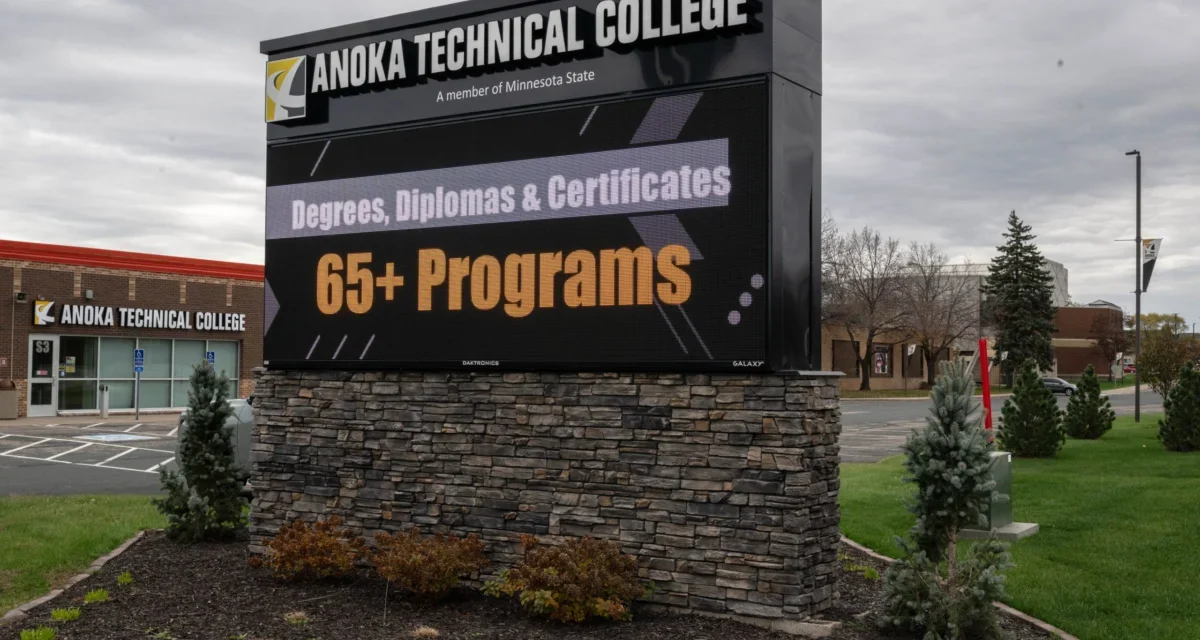
This stark assessment comes at a pivotal moment for Minnesota’s public higher education system, which serves roughly 270,000 students—accounting for two out of every three resident undergraduates in the state. As administrators weigh the most significant reorganization in three decades, the system stands at a crossroads: adapt to a new economic reality or face a potential collapse of services that could ripple across the state’s workforce and economy.
A Legacy of Financial Instability
The financial challenges facing Minnesota State are far from novel; they are, in many ways, the result of long-standing structural issues that have been debated for years. System officials point to a "perfect storm" of three primary drivers: stagnant state funding, a persistent decline in enrollment, and the unrelenting pressure of inflation.

The system was born in 1991 through a legislative merger of technical colleges, community colleges, and four-year universities. While the consolidation was designed to improve student mobility and credit transfers, early audits, including one in 2000, questioned whether the merger actually achieved the promised administrative savings. By 2010, auditors were again documenting outsized administrative spending, leading to pledges of reform that rarely materialized into deep, systemic change.
The warning signs were codified in a 2016 internal report, which predicted that without massive structural intervention, the system would face a multi-million dollar shortfall within a decade. “We cannot and must not wait until 2025 to begin to make changes, or we will only compound the challenges,” the report stated. That document, which recommended shrinking the system’s "overbuilt" physical footprint and sharing administrative services, was ultimately shelved—a decision now viewed by many as a missed opportunity to avert the current crisis.
Chronology of a "Manufactured Crisis"
The history of Minnesota State’s financial management is a timeline of strained relations between leadership, faculty, and the legislature.
- 2010: State audits identify excessive administrative spending; officials pledge to consolidate services and cut central office jobs.
- 2014: Faculty unions issue votes of no confidence in then-Chancellor Steven Rosenstone following a controversial $2 million consulting contract. Tensions lead to a temporary walkout by faculty from an overhaul project.
- 2016: An internal working group releases a dire report on long-term sustainability, predicting a shortfall of up to $475 million by 2026. Faculty groups label it a “manufactured crisis.”
- 2017: Chief Financial Officer Laura King reports to lawmakers that over 200 employees have been laid off as the system attempts to manage fiscal tightening.
- 2022: The system merges five northern community colleges into one, following years of smaller, targeted consolidations.
- 2026: The Board of Trustees approves a controversial plan to redistribute $25 million from two-year colleges to shore up struggling four-year institutions. A state audit reveals that the "Workday" tech initiative is $48 million over budget and years behind schedule.
Supporting Data: The Cost of Decline
The numbers behind the crisis reveal a system struggling to maintain 20th-century infrastructure with 21st-century revenues. Enrollment, measured by credit hours, has plummeted by nearly 18% over the last decade. Yet, the physical footprint of the system—spanning the equivalent of 500 football fields—remains largely unchanged.

The cost of maintaining these aging facilities has reached a breaking point. The bill for critical repairs, such as roof replacements and boiler overhauls, has doubled in the last ten years, reaching $2 billion. In a move that highlights the desperation of the situation, trustees recently approved a plan to divert funds from classroom equipment budgets just to demolish 12 decommissioned buildings.
Furthermore, the state’s commitment to higher education has waned. Under Minnesota law, the legislature is intended to provide two-thirds of the funding for public institutions. That target has not been met since 2002. As of 2026, higher education commands only 6% of the state budget, a significant drop from the 15% allocation seen in the 1990s.
Official Responses and Internal Discord
The administration’s primary solution for the immediate future is a massive, system-wide reorganization. Initial proposals are expected in January and may include campus mergers, the closure of underutilized facilities, and the centralization of back-office services like IT and financial aid.
Chancellor Olson maintains that the current "canaries in the coal mine"—struggling institutions like St. Cloud State and Bemidji State—are symptoms of a larger systemic illness. However, the decision to transfer $25 million from relatively stable community colleges to these universities has drawn sharp criticism.

“I never, in 38 years in the Legislature, would have thought we would have had to have done that,” said Gene Pelowski, a former state lawmaker and current member of the Board of Trustees.
Faculty unions remain deeply skeptical. Kevin Lindstrom, president of the Minnesota State College Faculty union, notes that after 37 years in the system, he has seen 36 years of "budget crises." He and other labor leaders argue that the administration is using the budget gap to push an agenda that threatens academic quality and weakens labor unions. They are particularly critical of the "Workday" project, questioning why the system is prioritizing an expensive, delayed technology rollout while simultaneously claiming there is no money for core operations.
The Implications for Minnesota
The path forward for Minnesota State is narrow. The Board of Trustees is set to request $43 million from the legislature for operational support, $25 million for demolition, and $15 million for reorganization costs. However, the political climate in St. Paul is increasingly cautious, with warnings that state-funded systems should not expect a significant windfall given the competing demands of healthcare and K-12 education.
The implications of this standoff are profound. If the system fails to modernize, it faces the prospect of further academic degradation, a loss of student confidence, and a potential reduction in the state’s skilled labor pipeline.

As Chancellor Olson bluntly stated, “Minnesota fails if Minnesota State fails.”
The ultimate control, however, rests with the legislature. As Pelowski noted, Minnesota State is a "creature of the Legislature," and once the legislative session begins, the trustees lose their autonomy. The debate now moves from administrative offices to the halls of the State Capitol, where lawmakers must decide whether to invest in the system’s reinvention or watch as the "ship" continues to steer toward the iceberg.
For the students, faculty, and staff, the coming months will likely define the structure of higher education in Minnesota for the next generation. The era of "death by 1,000 cuts" appears to be ending, replaced by a high-stakes effort to either reorganize or face a forced, potentially chaotic, downsizing. Whether this process results in a leaner, more sustainable system or an erosion of educational access remains the central question of the decade.