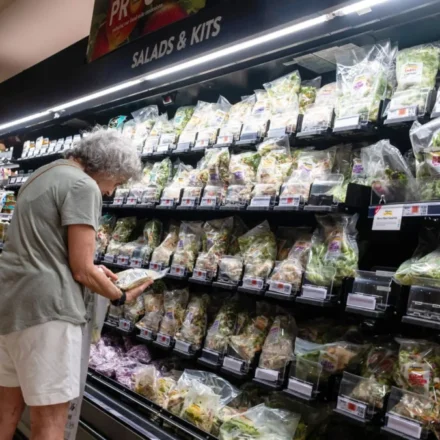
















































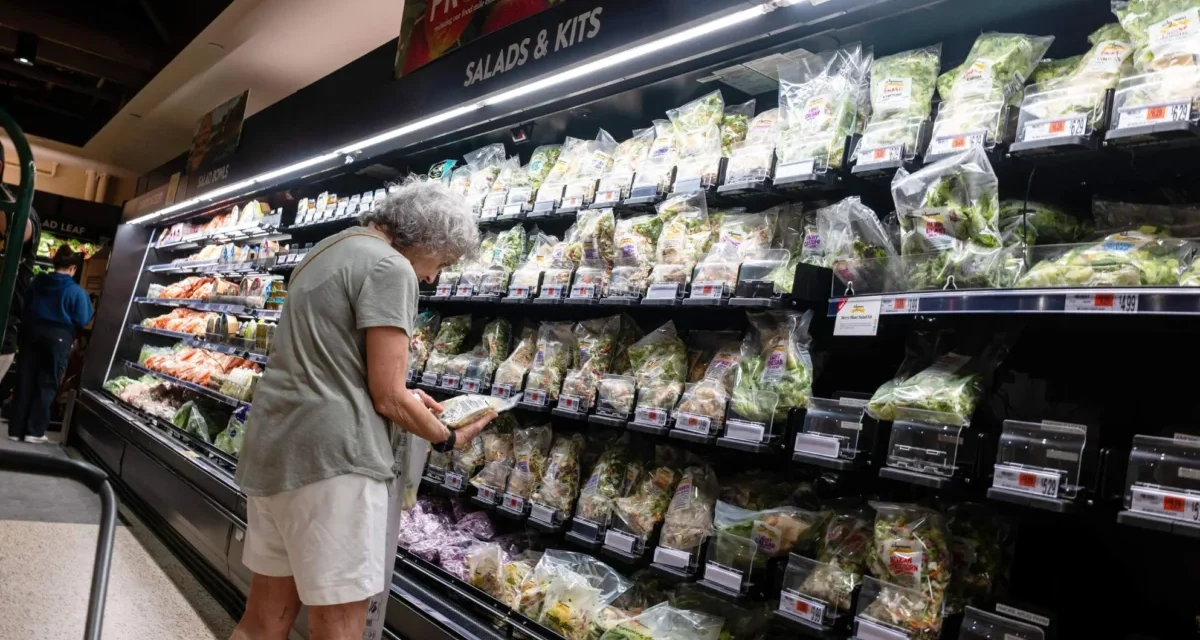




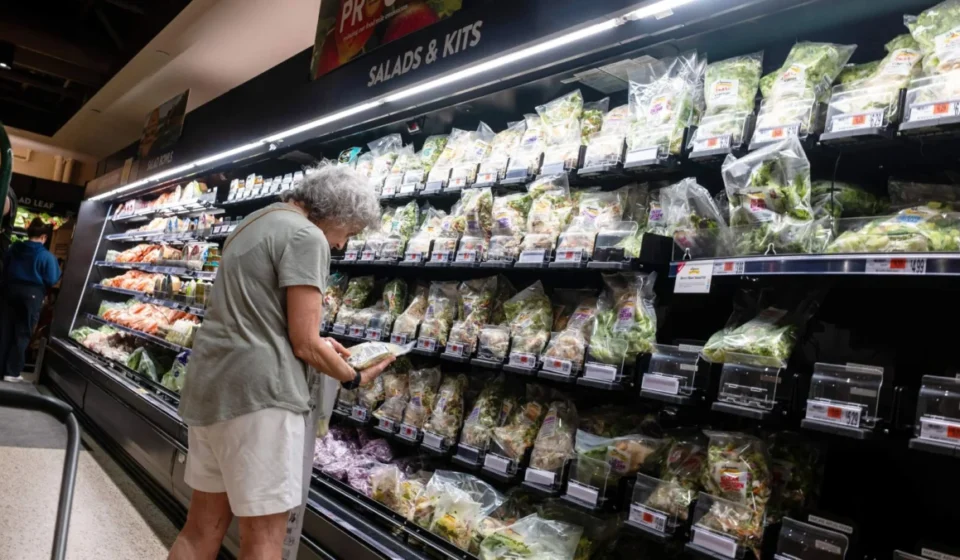

As the United States hurtles toward the midterm elections, a simmering crisis has migrated from the dinner table to the campaign trail. What began as a series of unsettling reports about contaminated produce and tainted meat has transformed into a high-stakes political battleground, with voters increasingly anxious about the safety of their grocery baskets and partisan factions trading accusations over the integrity of the U.S. food supply.
The summer of 2026 was punctuated by a severe and widespread outbreak of cyclosporiasis linked to lettuce, which sickened nearly 20,000 people across 21 states. This, coupled with the recall of tens of thousands of pounds of imported beef, has fundamentally altered the national conversation. Once considered a mundane bureaucratic function of the FDA and USDA, food safety is now a litmus test for the effectiveness—and the priorities—of the Trump administration.
A Chronology of Crisis: From Farm to Ballot Box
The current climate of apprehension did not materialize overnight. The spring and summer months saw a steady stream of health alerts that tested consumer confidence.
- May–August 2026: The U.S. experienced the largest recorded outbreak of the cyclospora parasite. By the end of August, lab-confirmed cases reached nearly 20,000, a staggering increase from the 1,180 cases reported during the same period in 2025.
- Late Summer 2026: Major restaurant chains, including Chipotle and Taco Bell, initiated preemptive removals of lettuce and jalapeños from menus to stem the tide of public fear.
- August 2026: President Trump signaled a shift in agricultural policy, proposing to ease restrictions on small livestock operations to allow for more decentralized slaughter and processing, a move that immediately drew fire from safety advocates.
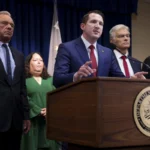
- September 2026: Democratic lawmakers, led by Sen. Elizabeth Warren (D-Mass.) and others, ramped up public pressure, formally questioning the administration’s response and linking the frequency of recalls to budgetary cuts at the Department of Health and Human Services (HHS).
The impact on the public psyche has been measurable. According to data from the University of Illinois and Purdue University, the percentage of consumers who strongly agree that the U.S. food system is safe plummeted from 40% in November 2025 to just 30% by August 2026.
The Data Landscape: Parsing the Recalls
To understand the political firestorm, one must distinguish between the visceral fear of an outbreak and the technical reality of recall statistics.
According to the U.S. Public Interest Research Group (PIRG), there have been roughly 200 food recalls so far in 2026, a figure that is largely on par with 2025. However, the broader trend shows a worrying escalation. Total food recalls increased by 21% between 2021 and 2025. More importantly, there has been a rise in "Class I" recalls—those involving products that pose a high risk of serious health consequences or death.
Yet, numbers can be deceptive. Federal agencies often do not publicize every recall, and a single contaminated ingredient can trigger multiple recalls as it moves through the supply chain into processed goods.
"The reason food safety is in the news this year is the combination of high-profile restaurant names and the absolute colossal number of illnesses," explains Teresa Murray, consumer watchdog director at PIRG. "It’s thousands of people. It makes the threat feel tangible and immediate."
Official Responses and Partisan Conflict
The political reaction to the outbreak has been binary and confrontational. Democrats have seized on the issue as evidence of a systemic failure within the Trump administration.
"Trump is dismantling our government—and it’s harming people," Sen. Elizabeth Warren posted on social media in early September. She and other colleagues have targeted HHS Secretary Robert F. Kennedy Jr., demanding his resignation and accusing the administration of prioritizing political influence over public health surveillance.
The administration has responded with equal ferocity. In a series of social media posts, the FDA dismissed concerns, labeling reports of widespread safety failures as "fake news." The agency pointed to a chart suggesting that total fiscal year 2026 recalls are among the lowest in a decade.
However, this defense has been challenged by independent experts. Susan Mayne, who served as the director of the FDA’s Center for Food Safety and Applied Nutrition from 2015 to 2023, conducted an analysis of the administration’s data, finding that the totals cited by the government included non-food items like medical devices and pharmaceuticals. "This HHS assertion appears to be based on incorrect data," Mayne noted, highlighting a growing credibility gap between the administration and the scientific community.
HHS spokesperson Grace Davis Jamison defended the administration’s performance, stating, "The Trump administration has mounted a robust response to each outbreak, working closely with health departments in all 50 states and leading the public health response by promptly identifying known sources."
The Economic and Regulatory Implications
Beyond the political rhetoric, the administration’s policy shifts have raised substantive questions about the future of food oversight.
Critics point to several specific actions that they argue undermine consumer protection:
- Rule Withdrawal: The administration rescinded a Biden-era proposal that would have tightened regulations on raw poultry and turkey containing high levels of salmonella.
- Traceability Delays: Implementation of a rule requiring companies to maintain detailed traceability records—essential for rapid recall—has been delayed until 2028.
- Import Policy: Increased reliance on beef imports from Brazil and Argentina has raised alarm, particularly given that the European Union has maintained a ban on Brazilian beef due to concerns over antibiotic use and safety standards.
For industry leaders, these policy changes represent a balance between regulatory burden and the need for a stable supply chain. For public health advocates, however, they represent a retreat from the "preventative" model of food safety that has been the standard since the 1993 E. coli crisis forced the Clinton administration to modernize the system.
The Human Cost: A Crisis of Confidence
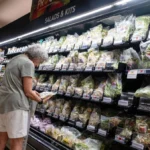
The ultimate toll of this political food fight is found in the behavior of the American consumer. The survey data suggests that nearly half of all Americans have changed their grocery shopping habits, and 40% have modified their restaurant dining patterns specifically due to fears of foodborne illness.
This change in behavior carries significant economic consequences. When consumers shy away from fresh produce—fearing contamination—the entire agricultural sector suffers. "If you want people to eat real food, fresh fruits and vegetables, they have to be safe," says Sandra Eskin, chief executive of the nonprofit Stop Foodborne Illness. "Instead, we have had farmers plowing under fields because people aren’t buying lettuce."
As the midterms approach, food safety has evolved from a technical regulatory issue into a proxy for broader concerns about government competence. The administration faces a difficult task: convince a skeptical public that the food supply is secure while simultaneously pushing forward with a deregulation agenda that many in the public health sector believe invites higher levels of risk.
Whether this becomes a decisive factor in the upcoming elections remains to be seen, but the data suggests that for the average voter, the question of what is safe to put on the dinner table has become inseparable from the question of who is in charge of the agencies responsible for that safety. As the political maneuvering continues, the American consumer remains caught in the middle, looking for clarity in a marketplace where the stakes have never felt higher.