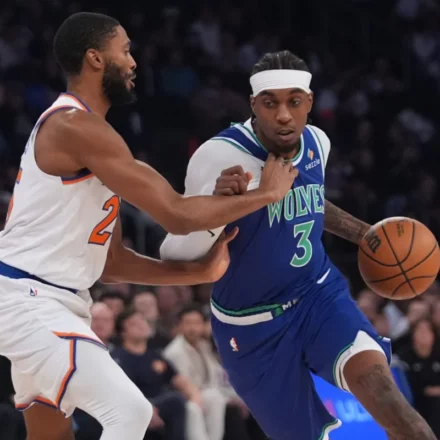








































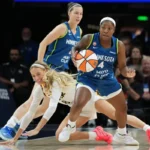









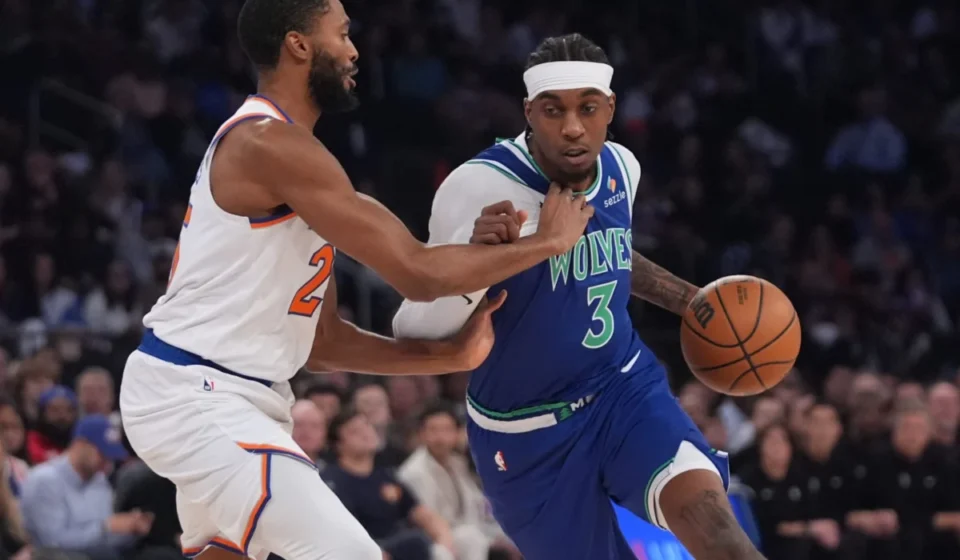

The Minnesota Timberwolves have officially entered their most provocative era yet. Once the perennial punchline of the NBA, the franchise has morphed into a must-watch laboratory of basketball strategy. Under the stewardship of President of Basketball Operations Tim Connelly and head coach Chris Finch—a partnership that has now spanned five high-octane seasons—the Timberwolves have abandoned the safety of continuity in favor of a daring, turbo-charged identity. As the 2026-27 season tips off, the organization is betting everything on a fundamental reimagining of how a championship-caliber roster should look, function, and succeed.
Main Facts: A Total System Reset
The central narrative of this season is the radical departure from the "twin-tower" experiment that defined the previous two campaigns. In a league increasingly dominated by the sheer, anomalous scale of players like San Antonio’s Victor Wembanyama, Connelly has opted for a counter-intuitive maneuver. By offloading primary power forwards Julius Randle and Naz Reid, the front office has effectively cleared the decks to usher in the LaMelo Ball era.
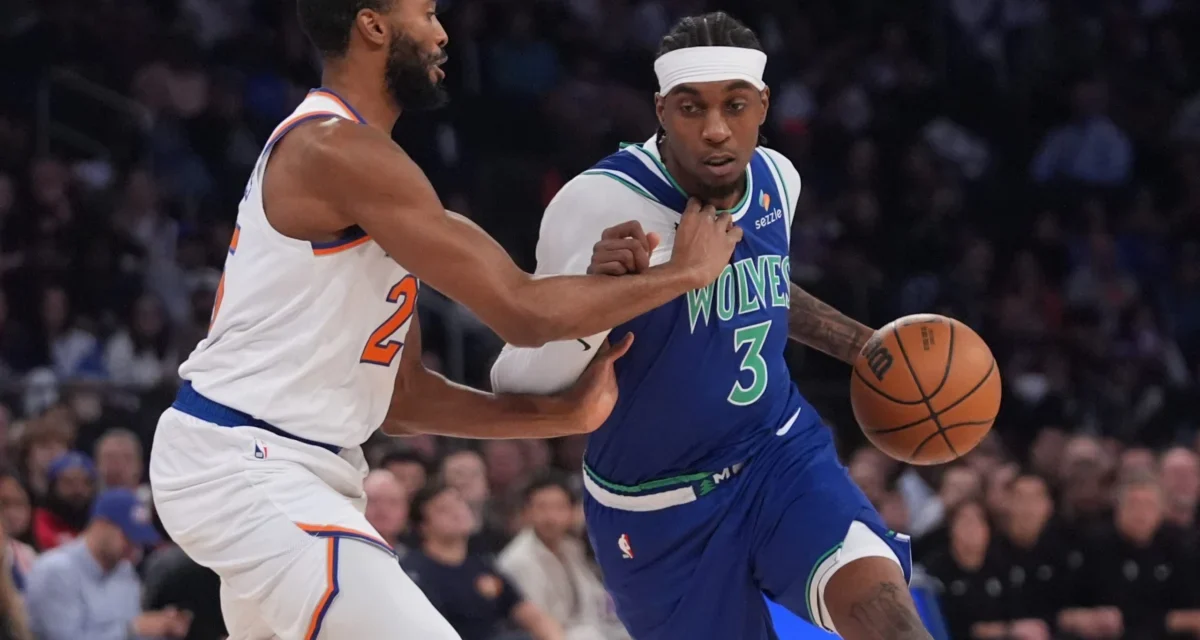
Pairing Ball with franchise cornerstone Anthony Edwards in the backcourt represents an "all-in" commitment to pace, space, and elite playmaking. This is not merely a personnel change; it is a philosophical statement. While the league trends toward size, the Timberwolves are doubling down on speed, betting that an unstoppable offensive engine can compensate for the defensive vulnerabilities inherent in their new, smaller rotation.
A Chronological Odyssey: From "The Core" to the Backcourt Revolution
To understand the gravity of the current moment, one must look back to the inception of the Connelly era in May 2022. Upon his arrival, Connelly famously promised not to "mess up" a special, existing core. Yet, just 44 days later, he executed a seismic trade for Rudy Gobert, pairing him with Karl-Anthony Towns in a move that defied the prevailing "space-and-pace" wisdom of the time.

That gamble, while initially ridiculed, eventually propelled the team to the Western Conference Finals. However, the subsequent two years were marked by frustration—notably, playoff exits at the hands of the Oklahoma City Thunder (2025) and the San Antonio Spurs (2026).
During the 2025 offseason, the team chose to stand pat, clinging to the virtue of continuity. That "counterfeit commitment" proved to be a strategic dead end. Recognizing that running the same roster back for a third year would be an indictment of their own imagination, Connelly and his staff initiated the most significant roster overhaul in his tenure this past summer, culminating in the acquisition of LaMelo Ball.
Supporting Data: The Efficiency Gap
The move to acquire Ball is rooted in cold, hard metrics. Analysis of Anthony Edwards’ performance data reveals a striking discrepancy: Edwards hits 49.6% of his shots when catching and shooting, yet that efficiency plummets to 35.3% when he is forced into self-created, pull-up attempts.
Last season, forced by necessity to be the primary initiator, Edwards was deprived of the catch-and-shoot opportunities that make him a lethal threat. With Ball—a "passing wizard" who possesses the rare ability to deliver pinpoint feeds off the dribble without a gather—the Timberwolves expect to unlock a new level of efficiency for their star.

Furthermore, the team’s defensive metrics will be the ultimate litmus test. The Timberwolves must sustain a top-10 defensive rating to remain competitive, a challenge that is compounded by the fact that Rudy Gobert, now 34, no longer has the luxury of a secondary bruiser like Randle to handle opposing bigs. Defensive anchor Jaden McDaniels will now be expected to carry a heavier load, acting as the team’s primary defensive "finger-in-the-dike."
Official Perspectives and Coaching Philosophy
Chris Finch’s reputation as a tactical savant will be put to the test this season. The coaching staff is preparing a variety of defensive schemes—including "fly-around" perimeter rotations and zone looks when Gobert is off the floor—to mitigate the lack of interior brawn.
Regarding the roster’s youth, the team remains optimistic about the developmental trajectories of Jonathan Kuminga and Joan Beringer. While both players are currently being asked to play roles that exceed their current resumes, the organization believes that high-level minutes will force growth. Connelly has signaled that if these internal solutions fail to materialize, he is more than willing to utilize his track record of mid-season deadline adjustments to patch the rotation.
Implications: The Ceiling vs. The Floor
The road ahead is fraught with volatility. The Timberwolves find themselves in a precarious "second tier" of the Western Conference, trailing the established juggernauts in Oklahoma City and San Antonio.

The Path to Contention
- Offensive Synergy: If Ball and Edwards successfully share the usage load, the Timberwolves could boast one of the most efficient and aesthetically pleasing offenses in the league.
- Developmental Milestones: Players like Jaden McDaniels must evolve into true two-way stars, while bench contributors like Ayo Dosunmu must provide Sixth Man of the Year-caliber production to keep the team afloat during non-Gobert minutes.
- The "No-Tanking" Reality: With league rules now actively discouraging bottoming out, the late-season schedule will be brutal. The team’s projected win total of 46–47 games reflects a reality where every victory will be hard-earned against high-level opposition.
The Institutional Identity
The ultimate implication of this strategy is the solidification of the "Connelly-Finch" identity: a team that refuses to rebuild, opting instead for perpetual, aggressive retooling. This philosophy has already yielded a historic run of success, including the franchise’s first-ever string of playoff series wins as a lower-seeded team.
Conclusion: The Joy of the Gamble
As the 2026-27 season unfolds, the Timberwolves are not chasing the safe bet. They are chasing a higher ceiling. While the loss of proven power forwards leaves glaring holes that may take months to resolve, the sheer talent and tactical flexibility of the backcourt suggest that this iteration of the team will be far more dynamic than its predecessors.
Can they overcome the immense, physical presence of teams like the Spurs and Thunder? The odds are thin. But in the landscape of the modern NBA, where predictability is often the death of ambition, the Minnesota Timberwolves have chosen the path of maximum resistance. It is a season of "joyful adrenaline," where the fascinations of tactical experimentation and the frustrations of growing pains will coexist. For the fans in Minneapolis, the result of the 82-game marathon is secondary to the question: can this audacious, re-imagined roster finally bridge the chasm to the NBA Finals?
Whether they succeed or stumble, the Timberwolves have ensured that they will be the most interesting show in the association. The experiment has begun, and the basketball world is watching to see if this high-stakes pivot will lead to a championship ring or a total system collapse. One thing is certain: they will do it on their own terms.