



















































The Steampunk Odyssey: How Strange Loop Projects is Revitalizing the Loring Park Arts Scene

In the heart of Minneapolis, tucked away on the periphery of Loring Park, an unassuming storefront has been transformed into a labyrinthine portal to a bygone, industrial-tinged future. This is the home of "Bazaar Bizarre," the latest immersive theatrical experience from Strange Loop Projects. As audience members cross the threshold at 1629 Hennepin Avenue, they cease to be mere spectators; they are instantly cast as passengers on a surreal, high-stakes train ride where the boundaries between performer and patron dissolve.
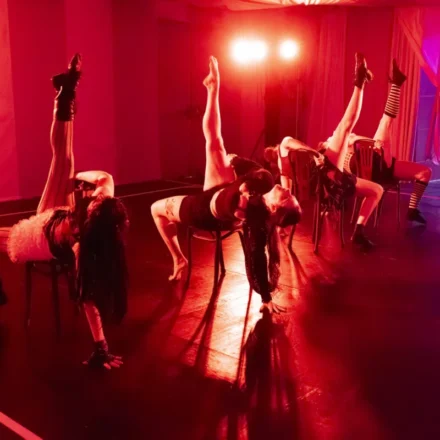
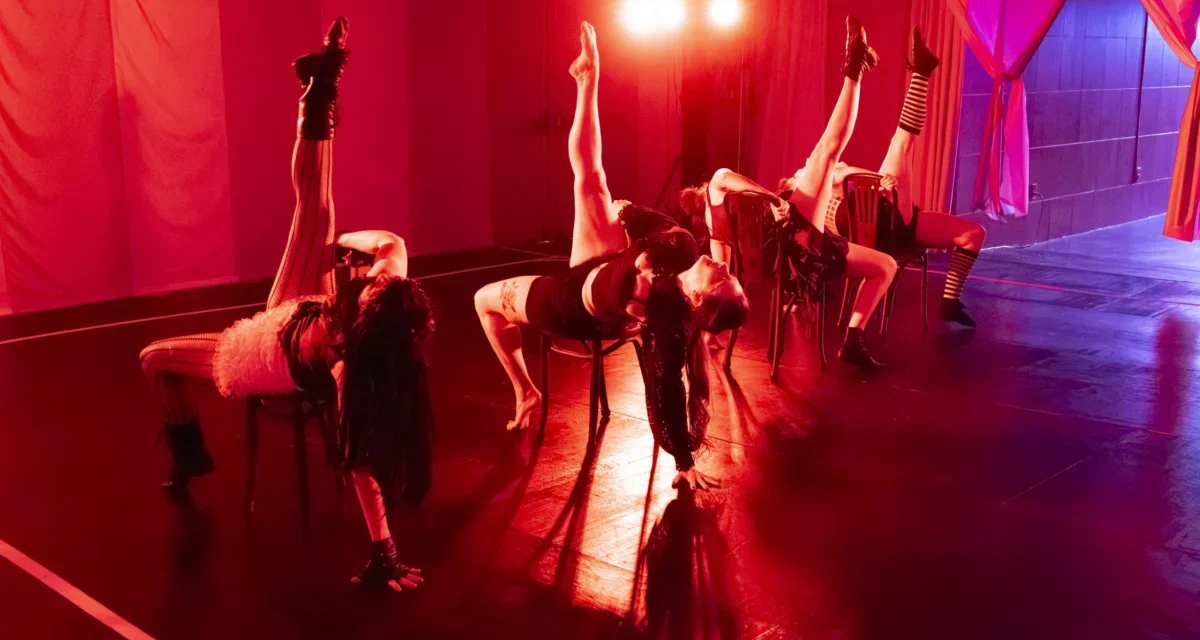
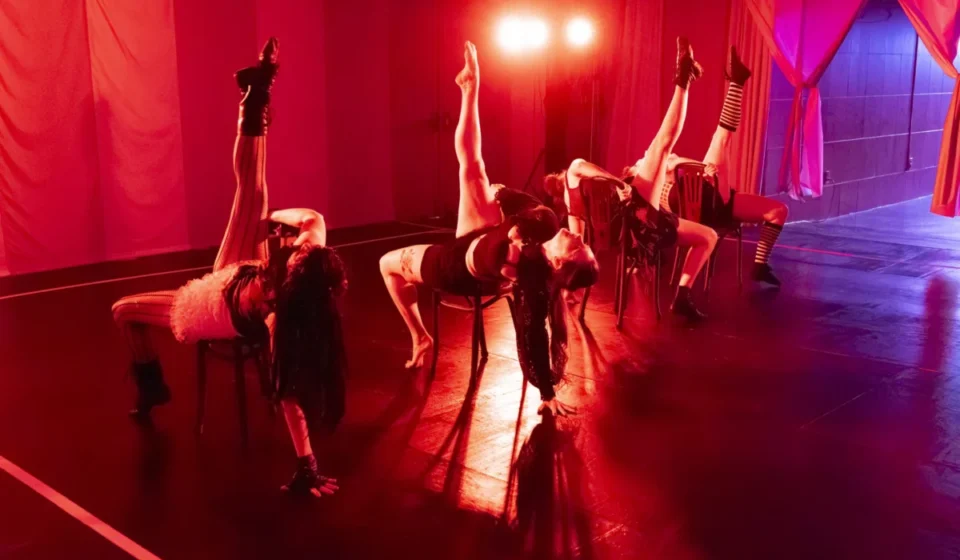
The production is a masterclass in atmospheric world-building. Driven by a haunting soundscape of distorted industrial clangs and warped circus melodies, the performance blends the gritty aesthetics of steampunk with the rigorous, elevated discipline of classical ballet and the provocative flair of contemporary burlesque. It is a sensory assault that demands total surrender, forcing the audience to navigate a multi-room environment defined by shadow, saturated lighting, and visceral movement.
A Return to Roots: Zhauna Franks’ Artistic Homecoming
For Zhauna Franks, the creative force behind Strange Loop Projects, this venture represents far more than a new production—it is a full-circle homecoming. Franks is a veteran of the Twin Cities dance scene, having spent decades as a key figure in the legendary, irreverent contemporary dance company, Ballet of the Dolls. Under the guidance of artistic director Myron Johnson, Franks became a staple of the local arts community, perhaps most iconically remembered for her role as Barbie in the company’s cult-classic, "Nutcracker (not so) Suite."
"It’s wild," Franks remarks, standing in a space that once held the echoes of her former troupe. "I’m entering through the same door I used when Ballet of the Dolls occupied two floors of this building. It’s definitely interesting to come back to the block."
Her return to Loring Park is poignant, not only for the nostalgia but for the stark contrast in the neighborhood’s artistic vitality. In the early 2000s, before Ballet of the Dolls relocated to the Ritz in Northeast Minneapolis in 2006, the area was a bustling creative hub. "It got so cool that we all got priced out," she recalls. Today, the area is significantly quieter, a reality that both complicates and facilitates the establishment of new, experimental venues. Franks views her current residency as a pivotal opportunity to inject a new sense of urgency and vibrancy back into the corridor.
The Infrastructure of Creativity: The Vibrant Storefronts Program
The realization of Strange Loop Projects was contingent upon overcoming the immense logistical and financial hurdles that plague independent theater makers in modern urban environments. For years, Franks struggled to find a venue that could accommodate her vision.
"Whenever I do something, it’s a big project," she explains. "Finding a space to work out of is complicated. If I want to make something immersive, I’m going to need it for months at a time, and that just doesn’t work like that in this town for most venues."
The solution arrived in the form of the City of Minneapolis’ "Vibrant Storefronts" program. Designed to revitalize commercial corridors and foster cultural growth, the initiative provides $50,000 annually toward rent for a two-year term, with an option to extend for another two years. For Strange Loop Projects, this subsidy covers over 95% of the rent, providing the financial breathing room necessary for experimental work.
However, financial support was only half the battle. Franks details a grueling, year-long odyssey of navigating municipal bureaucracy to secure the necessary permits. "It took me until March to get my theater license, and it took me until September to get my wine and beer license," she notes. "There is so much more red tape involved in opening a venue than any of us imagine."
Anatomy of an Immersive Journey: "Bazaar Bizarre"
"Bazaar Bizarre" is not a show you watch; it is a show you inhabit. While its initial iteration debuted on Halloween last year as more of a singular, spectacle-driven event, the 2026 production has evolved into a sophisticated, bifurcated theatrical journey.

Upon entry, patrons are issued a color-coded card. This dictates which "track" they will follow, guided by a conductor—in this case, either Franks herself (bearing a white parasol) or former Ballet of the Dolls colleague Stephanie Fellner Grey (bearing a gray parasol). This design choice ensures that no two audience members experience the production identically.
Throughout the journey, the two groups traverse distinct paths through the venue, encountering divergent choreographic sequences. One track might feature a breathtaking, gravity-defying aerial duet, while the other group witnesses an intimate, character-driven narrative played out in the shadows of the speakeasy-inspired set. Occasionally, the two groups converge, creating moments of collective tension before being pulled back into their separate, eerie narratives.
The production’s success rests on the synergy of its technical team. Daron Walker’s sound design serves as the heartbeat of the show, expertly weaving noise music with carnival motifs to maintain an unsettling, hypnotic rhythm. This is complemented by the work of lighting designer Mike Grogan and video designer Josh Sundby, whose use of saturated, low-light textures transforms the storefront into a dreamscape that feels both claustrophobic and infinite.
Chronology and Future Prospects
The evolution of Strange Loop Projects is a testament to the persistence required to sustain independent art in the post-pandemic era.
- 2006: Ballet of the Dolls departs the Loring Park neighborhood for the Ritz, marking a decline in the area’s concentration of dance companies.
- 2025 (Halloween): The inaugural, one-off version of "Bazaar Bizarre" premieres, establishing the brand and the aesthetic.
- March 2026: Strange Loop Projects finally secures its official theater license, allowing for consistent programming.
- September 2026: The venue receives its liquor license, providing a critical secondary revenue stream to support small, intimate audiences of 60 to 80 people.
- October 16, 2026: The current, expanded version of "Bazaar Bizarre" opens to the public.
- Spring 2027 (Planned): Franks intends to launch a full-scale immersive production of "Swan Song Studies," a project that explores the life-cycle of a career in the arts.
Beyond the major productions, Franks has cultivated a secondary series titled "Fresh Baked," a 24-hour choreographers’ challenge held every two months. This initiative, which she plans to shift to a quarterly schedule next year, serves as a laboratory for local dancers to experiment with new techniques under extreme time pressure, further cementing the venue’s role as an incubator for local talent.
Implications for the Twin Cities Arts Ecosystem
The success of Strange Loop Projects carries broader implications for the Minneapolis arts community. It highlights the tension between the city’s desire to foster "vibrancy" and the bureaucratic hurdles that often stifle that very goal. The Vibrant Storefronts program has proven effective, yet it remains a temporary bridge. As Franks pointedly notes, subsidies are merely a starting point.
"I think this program helps us a lot," Franks says, "but then after that, it’s up to the people. If they want dance to thrive in this community, they have to show up."
The implication is clear: in an era of digital consumption and passive entertainment, the survival of experimental, site-specific art depends on the tangible commitment of the audience. By choosing to occupy a space that was once vibrant, lost its luster, and is now being reclaimed, Franks is engaged in a form of cultural placemaking.
As "Bazaar Bizarre" concludes its run this Halloween weekend, the questions surrounding the future of the Loring Park storefront remain. Will it become a permanent fixture of the Twin Cities’ cultural landscape, or will it remain a fragile, subsidized experiment? For now, the answer lies in the dark, atmospheric rooms of 1629 Hennepin Avenue, where the dancers continue to move, the industrial music continues to pulse, and the audience continues to step off the street and into the machine.
For those looking to catch the final performances of the current run, the show concludes on October 30 and 31, with a Halloween-night dance party serving as the final act of this season’s journey.