






















































From "Weeds" to Wonders: The Explosive Rise of Native Plant Gardening in the American Midwest

The creak of a rusty pulley system echoed through the Kilbourn Park greenhouse on Chicago’s North Side as Renee Costanzo applied her weight to the mechanism. As the glass roof segments groaned open, a surge of cool spring air washed over 12,000 seedlings, a green tapestry of life arranged in neat plastic trays. Costanzo, the Chicago Park District’s sole full-time employee at this historic facility, has spent months "coddling and loving" these plants, preparing for a horticultural event that has transformed from a local tradition into a record-breaking phenomenon.
What was once a modest neighborhood plant sale has become a microcosm of a massive shift in American gardening. For decades, the Kilbourn Park sale was the place to find reliable tomatoes, cucumbers, and bright, short-lived annuals like marigolds and zinnias. But this year, the narrative shifted. Of the 15,000 plants prepared for the sale, nearly 20 percent were native species—plants that evolved specifically for the Illinois climate and its local wildlife. The response was unprecedented: more than 2,300 shoppers descended upon the park, more than doubling the typical attendance of 1,100, resulting in a total sell-out and generating $48,000 for local educational initiatives.
This surge in demand reflects a broader national trend. Native plants, once dismissed by the average gardener as "weeds," are now flying off the shelves as homeowners seek to transform their yards into resilient ecosystems capable of withstanding a changing climate.
Main Facts: The Record-Breaking Success at Kilbourn Park
The 2024 Kilbourn Park plant sale serves as a primary indicator of the shifting priorities of urban and suburban residents. While the $4 price point per plant remained a draw for budget-conscious gardeners, the primary driver for the record turnout was the availability of native flora.
Key highlights of the event include:
- Attendance Growth: A jump from an average of 1,100 attendees to over 2,300.
- Production Increase: The greenhouse increased its native plant production significantly, experimenting with 30 different species starting in late 2023.
- Financial Impact: The sale generated approximately $48,000, nearly doubling the initial fundraising goal of $25,000. These funds are earmarked for a new outdoor learning center and have already funded essential infrastructure like a new patio, shed, and benches.
- Volunteer Labor: The success of the sale relied on a dedicated core of volunteers, such as the "Friends of Kilbourn Park Greenhouse," who spent months potting, sorting, and moving seedlings.
The trend observed in Chicago is not an isolated incident. Across the Midwest and the nation, nurseries specializing in native species are reporting growth that outpaces traditional ornamental horticulture.
Chronology: The Long, Steady Climb of Native Horticulture
The transition from a lawn-centric gardening culture to an ecological one has been decades in the making. Neil Diboll, president of Prairie Nursery in Wisconsin, has occupied a front-row seat to this evolution for 44 years.
The 1980s: The Era of Skepticism
In 1982, when Diboll first began selling native plants and seeds, the market was virtually nonexistent. The general public viewed native prairie plants as unrefined or "messy." In his first year of business, the nursery grossed just over $13,000. During this era, native plants were largely the domain of specialized researchers and a handful of environmental enthusiasts.
The 1990s and 2000s: Educational Foundations
Organizations like Wild Ones—which began as a small gardening club in Milwaukee—started to gain national traction. They focused on educating the public about the benefits of reintroducing native species. Slowly, the conversation shifted from purely aesthetic gardening to "habitat gardening."
The 2010s to Present: The Mainstream Explosion
In the last five to seven years, the "steady climb" Diboll describes has accelerated into a vertical spike. Factors such as the widely publicized decline of the Monarch butterfly and the increasing frequency of extreme weather events have moved native plants from the fringe to the mainstream. Today, Prairie Nursery ships approximately 500,000 plants annually, and Diboll notes that the company’s revenue now features "a few more zeros" compared to its humble beginnings.
Supporting Data: Quantifying the Ecological Boom
The data from various regional nurseries and organizations confirms that the native plant movement is a robust economic and environmental force.
Prairie Moon Nursery (Minnesota)
Becky Klukas-Brewer, co-owner and head of marketing and sales at Prairie Moon Nursery, reports staggering growth metrics.
- Sales Increase: A 350 percent increase in sales over the last seven years.
- Order Volume: The number of individual orders has tripled in the same timeframe.
- Reach: The nursery is shipping more seeds and plants than at any point in its 44-year history.
Wild Ones (National Nonprofit)
The growth of the Wild Ones organization illustrates the grassroots nature of this movement.
- Membership: Now boasts over 14,000 gardening enthusiasts nationwide.
- Plant Distribution: In the last year, the organization’s 107 local chapters sold over 110,000 native plants.
- Community Impact: An additional 40,000 plants were distributed through various giveaway and exchange programs.
Prairie Nursery (Wisconsin)
Neil Diboll reported a 7 percent increase in sales in the last year alone, a significant figure given the nursery’s already large scale. This suggests that even as the market matures, it continues to find new customers.
Official Responses: Why Natives are the Solution
Experts and officials from environmental organizations argue that the shift toward native plants is a rational response to the dual crises of biodiversity loss and climate change.
Tiffany Jones, who leads habitat education for the National Wildlife Federation (NWF) in the Great Lakes region, emphasizes the practical benefits of these species. "Native plants have been adapting to change for thousands of years," Jones stated. She points to several key advantages:
- Low Maintenance: Once established, native plants require significantly less water and no fertilizers or pesticides, as they have co-evolved with local soil and pests.
- Flood Prevention: Unlike traditional turf grass, which has shallow roots, native prairie plants like Big Bluestem or Pale Purple Coneflower have root systems that can extend 10 to 15 feet underground. These "living sponges" are crucial for managing urban runoff and preventing basement flooding during the intense storms now common in the Midwest.
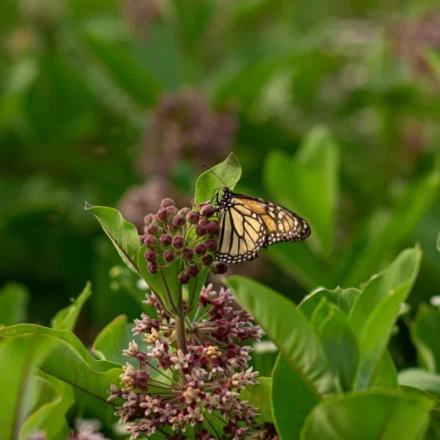
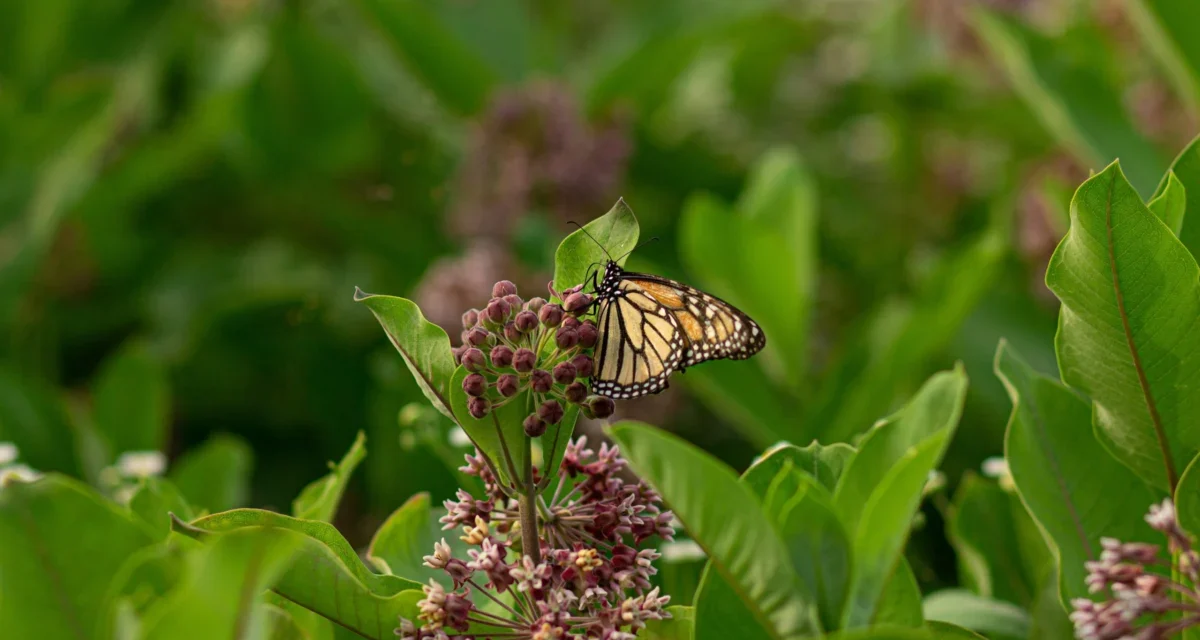
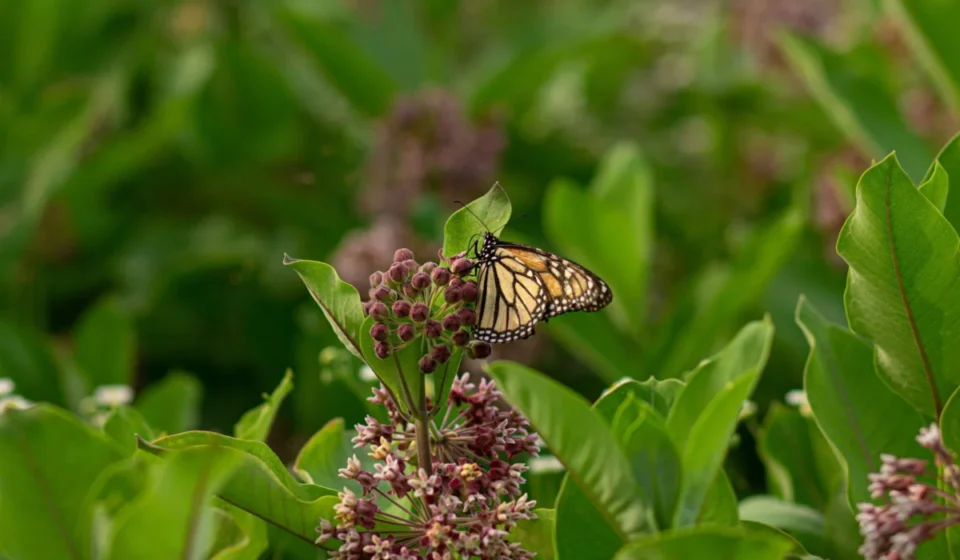
- Pollinator Support: Native plants are the foundation of the food web. The Monarch butterfly, for instance, is a "specialist" that requires native milkweed to survive. As land use changes have wiped out milkweed, Monarch populations have plummeted. Gardeners planting milkweed are directly contributing to the survival of the species.
The Chicago Park District has also recognized this demand, supporting the Kilbourn Park greenhouse’s shift in inventory. Officials noted that the sale’s success proves that urban residents are eager to play an active role in environmental stewardship.
Implications: The Future of the American Landscape
The overwhelming success of the Kilbourn Park sale and the rapid growth of native nurseries suggest a permanent shift in the American relationship with the "yard."
The Decline of the "Perfect" Lawn
For nearly a century, the manicured green lawn was the gold standard of suburban success. However, as the ecological costs of lawn maintenance—including massive water consumption and chemical runoff—become clearer, the "wilder" look of native gardens is gaining social capital. What was once seen as "unkempt" is now viewed as a "certified wildlife habitat."
Urban Resilience and Heat Mitigation
In cities like Chicago, native plants serve a critical role in mitigating the "urban heat island" effect. By replacing asphalt or dormant turf with vibrant, transpiring native flora, cities can lower local temperatures and improve air quality. The deep roots of these plants also help stabilize soil and prevent erosion in public parks.
Economic Opportunities in Green Horticulture
The 350 percent growth reported by Prairie Moon Nursery indicates a burgeoning sector of the green economy. As demand grows, there is an increasing need for skilled horticulturalists who understand the complexities of native seed stratification and propagation—skills that Renee Costanzo and her team are currently fostering at Kilbourn Park.
Community Building through Gardening
Beyond the environmental and economic impacts, the native plant movement is fostering community. The "Friends of Kilbourn Park Greenhouse" represent a model of local engagement where residents take ownership of their public spaces. Lourdes Valenzuela, a retired schoolteacher and long-time volunteer, summarizes the sentiment: "We’re not fighting against the climate here. We’re working with it… they’re beautiful."
As the 2024 planting season continues, the message from the Chicago greenhouse is clear: the era of viewing native plants as weeds is over. In its place is a new paradigm where the garden is not just a place of leisure, but a vital tool for ecological restoration and climate resilience. The record-breaking crowds at Kilbourn Park are not just buying plants; they are buying into a more sustainable future, $4 at a time.