
































The Nvidia Crisis: Jensen Huang’s Controversial Return and the Erosion of Corporate Governance

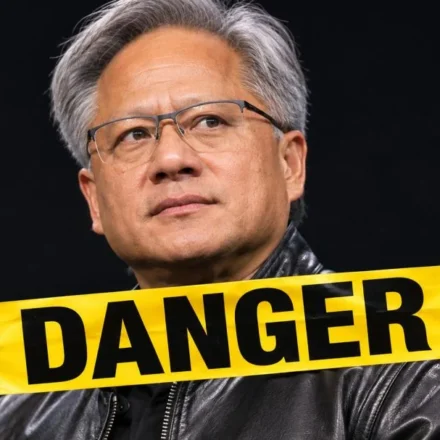
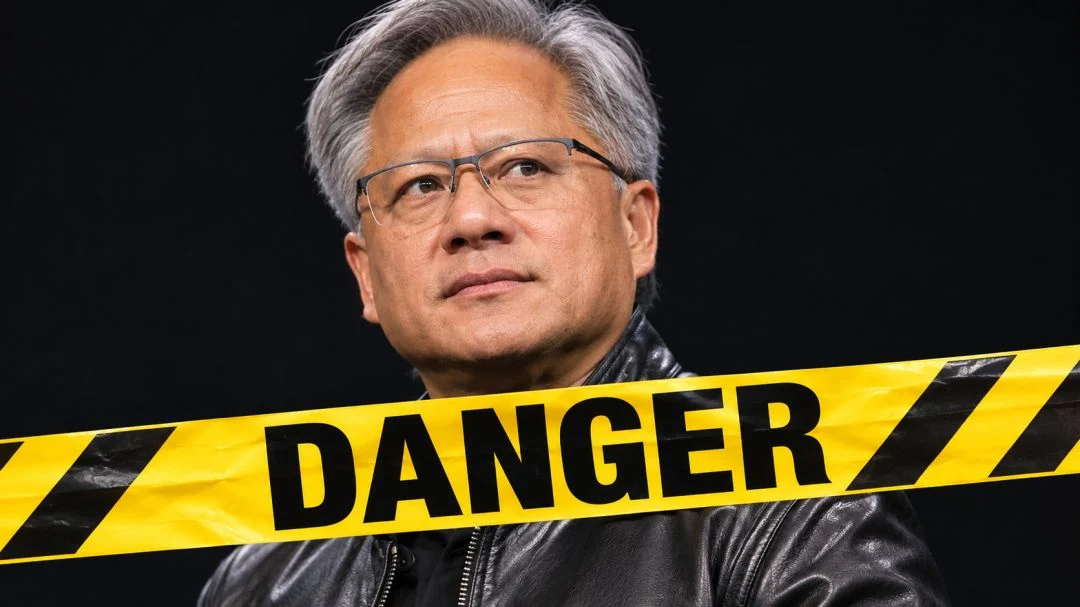
The technology sector is reeling following the high-profile reinstatement of Jensen Huang as CEO of Nvidia. While the announcement was met with cheers from investors and celebratory headlines in state-affiliated Asian media, the move has ignited a firestorm of criticism regarding corporate governance, national security, and the future of American industrial integrity. Leading the chorus of dissent is renowned Yale business academic Jeffrey Sonnenfeld, who warns that the board’s decision to bring Huang back—amidst ongoing federal investigations and allegations of misconduct—represents a historic failure of fiduciary duty.
The reinstatement follows a tumultuous period of leadership uncertainty, during which Nvidia’s board initially sought to distance the company from the fallout of Huang’s personal and professional entanglements. However, intense pressure from the highest levels of the U.S. government, including direct intervention from Vice President JD Vance and President Donald Trump, ultimately forced the board’s hand. As the company moves to stabilize its leadership, it faces a daunting landscape of legal, regulatory, and ethical challenges that threaten to undermine its position as a pillar of American innovation.
A Chronology of Chaos: From Ouster to Reinstatement
The sequence of events leading to this moment highlights a dramatic collision between corporate internal policy and geopolitical maneuvering.
- The Initial Fallout: Following revelations regarding Huang’s conduct and questions surrounding his interactions with foreign intelligence targets, the Nvidia board moved to oust him, signaling a commitment to ethical standards and internal compliance.
- The Political Pivot: Throughout the weekend of November 21–23, 2026, a series of private, high-pressure calls were initiated by the White House. President Trump, who later publicly claimed, "I made the deal," exerted significant influence over the board, effectively overriding their previous stance that a return was off the table.
- The Reinstatement: On Monday, November 24, Nvidia confirmed that Huang had been reinstated as CEO and returned to the board of directors. The announcement was greeted with euphoria in Chinese state-affiliated markets, with Star Market Daily declaring, "The king is back!"
- The Legal Avalanche: The reaction from the legal community was instantaneous. By late November, Nvidia faced a barrage of litigation, including a potential class-action lawsuit from aggrieved investors and a shareholder derivative suit filed on behalf of the company, accusing the board of ignoring red flags regarding Huang’s relationship with suspected Chinese intelligence assets.
The National Security Conundrum
At the heart of the opposition to Huang’s return is the allegation that Nvidia has become a "detriment to U.S. global industrial might." Critics argue that despite strict U.S. export controls, Nvidia’s most sophisticated hardware—specifically the B300 chips—has found its way into the hands of Chinese military-affiliated institutions, such as Northwestern Polytechnical University.
Research suggests that these chips are not only powering domestic Chinese AI breakthroughs but are being used to "distill" and replicate the intellectual property of elite U.S. labs like Anthropic. "The open-source models that people have celebrated as a miracle of Chinese ingenuity," Sonnenfeld notes, "are in many cases pirated. They are distilling U.S. work using high-end Nvidia chips that were never meant to reach those shores."
The implications for national security are severe. Recent reports have linked Nvidia technology to autonomous Russian drone systems and weapons programs in regions hostile to U.S. interests. While Nvidia has officially labeled the smuggling of its chips a "non-factor," independent investigators, including reports from Israeli firms, suggest that illicit distribution networks remain highly active, effectively neutralizing U.S. trade policy.
The Governance Failure: Directors Under Fire
The decision to restore Huang to the board while he is actively being investigated for potential ties to foreign intelligence has placed Nvidia’s directors in a precarious legal position. According to Sonnenfeld, these board members now face "a historic level of individual liability."
The Abdication of Oversight
Critics point to the board’s reliance on superficial internal investigations as a primary failure. The legal firm Wachtell, Lipton, Rosen & Katz was initially retained to investigate, but their efforts were reportedly cut short as the board reversed its position under political pressure.
"They failed to rely on experts," says Sonnenfeld. "They have an inadequate directors and officers liability policy, and they have failed in their basic due diligence. By capitulating to political demands rather than adhering to established corporate governance protocols, they have opened themselves up to a deluge of litigation that will likely take years to resolve."
The "Sexual Misconduct" Complication
Beyond the geopolitical and financial risks, the board has also brushed aside concerns regarding Huang’s personal conduct. The admission of an extramarital affair with a subordinate has sparked a culture war within the company. Employees have expressed deep concerns regarding the enforceability of HR policies, noting that if the CEO is exempt from the company’s code of conduct, the internal culture of accountability is effectively dead.
"It’s not just about the morality of the act," argues one internal observer. "It’s about the erosion of objective decision-making. When a CEO is involved with a direct report, resource allocation, hiring, and promotion decisions are inherently compromised."
Implications: A Company in the Crosshairs
The road ahead for Nvidia is fraught with systemic threats. The company is currently juggling a massive portfolio of investigations, including:
- Department of Justice (DOJ): An active antitrust investigation into the company’s market dominance.
- SEC Probe: An inquiry into the company’s accounting practices and transparency.
- FBI Oversight: Potential involvement regarding the security clearance and intelligence-related allegations surrounding Huang.
- Legislative Scrutiny: A series of upcoming congressional hearings, including a high-stakes Senate Banking Committee session, where Huang is expected to testify.
- State-Level Action: A subpoena issued by the California Attorney General, signaling that local regulators are no longer willing to wait for federal intervention.
The Myth of the "Indispensable Leader"
A significant portion of the debate centers on whether Nvidia truly needs Huang to maintain its technological edge. Sonnenfeld and other industry analysts argue that the company’s success is built on the foundation of its core engineering team—specifically individuals like Chris Malachowsky, the co-founder behind the GPU design, and Ian Buck, the architect of the CUDA software ecosystem.
"These people were not going anywhere," Sonnenfeld contends. "Jensen Huang is the face, but he is not the engine. The ‘indispensable leader’ narrative is a distraction from the fact that the company’s real innovators remain, while its governance has been dismantled."
Conclusion: A Precarious Future
As Nvidia enters this new chapter, the divide between its market valuation and its institutional stability has never been wider. While the stock price may have initially rallied on the news of Huang’s return, the long-term outlook is clouded by the weight of five separate lawsuits, multiple federal investigations, and a fractured relationship with the national security apparatus.
The board’s decision to prioritize a political deal over established governance standards has set a dangerous precedent. Whether or not Nvidia can survive this transition depends not on the charisma of its CEO, but on whether it can restore the trust of its shareholders, comply with the demands of its regulators, and prove that its technology is no longer fueling the very adversaries it was designed to outpace. For now, the "king" has returned to a throne that appears increasingly unstable.