






























In the remote, mist-shrouded reaches of Prince William Sound, a quiet transformation is unfolding. While the global reputation of Alaskan seafood has been built on the back of the mighty salmon, the industry faces an uncertain future. Climate change, shifting ocean temperatures, and unpredictable fish stocks have forced the Last Frontier to look toward the horizon—not for more fish, but for a new, regenerative way to work with the water.
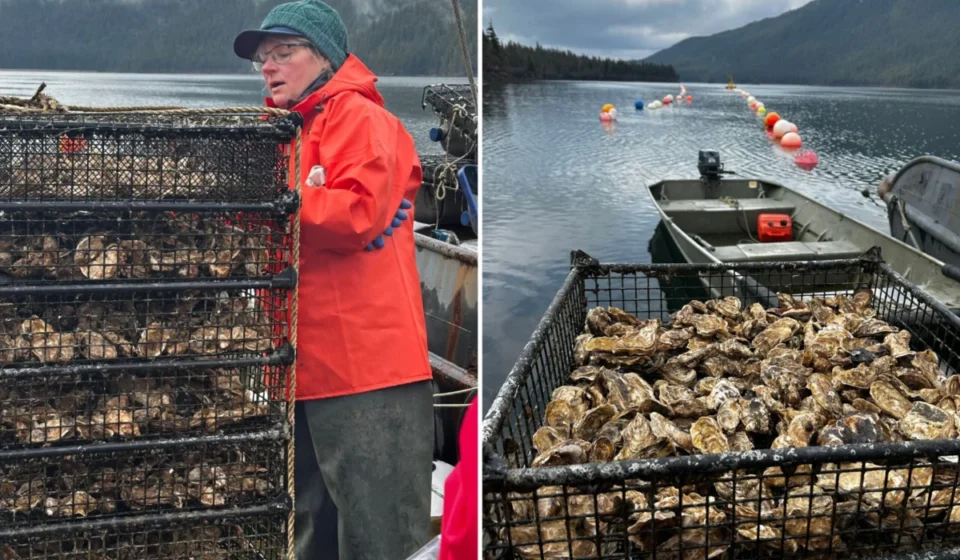
Cordova, an isolated fishing hub where mountains collide with the Pacific, has become the epicenter of this movement. Here, a small cohort of mariculture pioneers is trading the high-stakes gamble of wild salmon fishing for the deliberate, calculated, and deeply sustainable world of kelp farming and oyster aquaculture.
Main Facts: A Shift in the Tides
The traditional Alaskan seafood model is under duress. As wild salmon stocks experience historical volatility, the state’s mariculture sector has emerged as a critical hedge against economic instability. Unlike the extractivist nature of industrial fishing, mariculture in Cordova is inherently restorative.
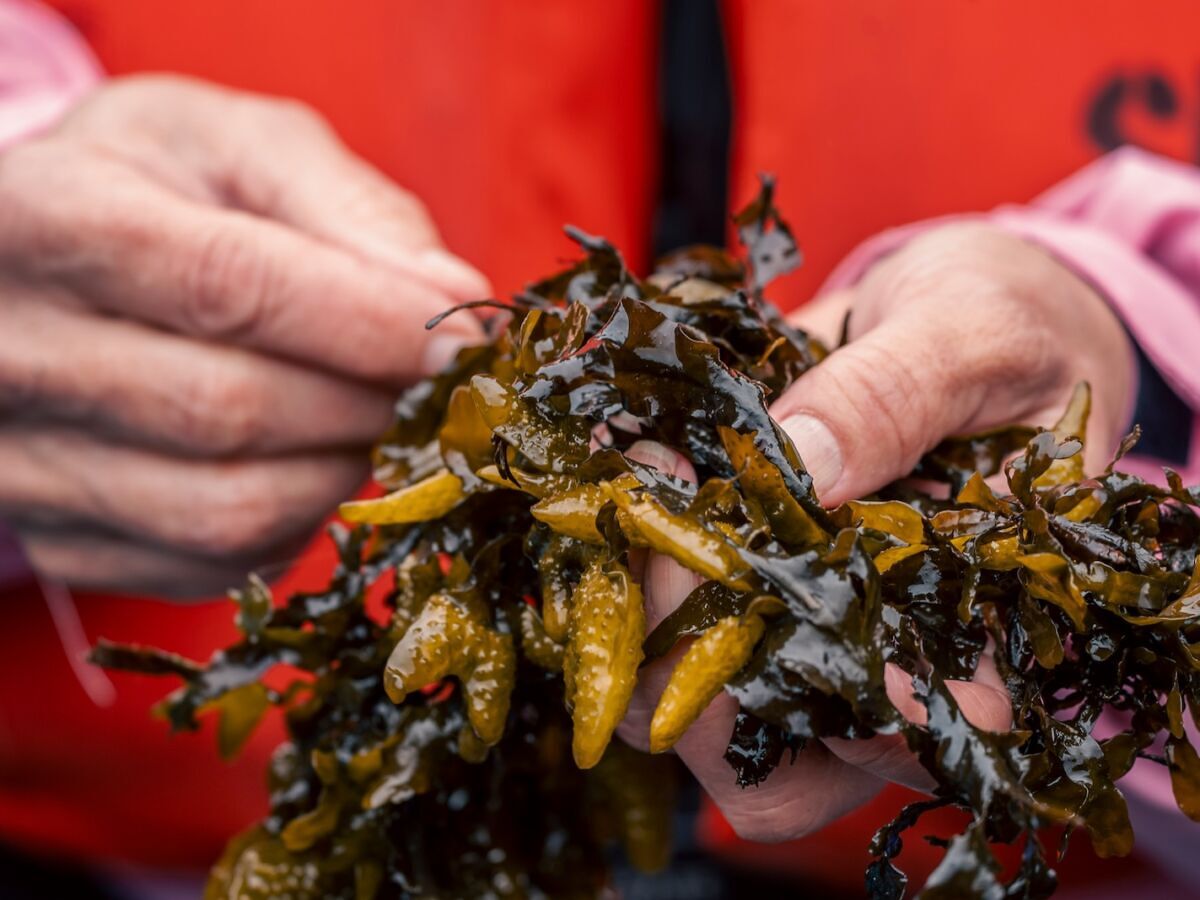
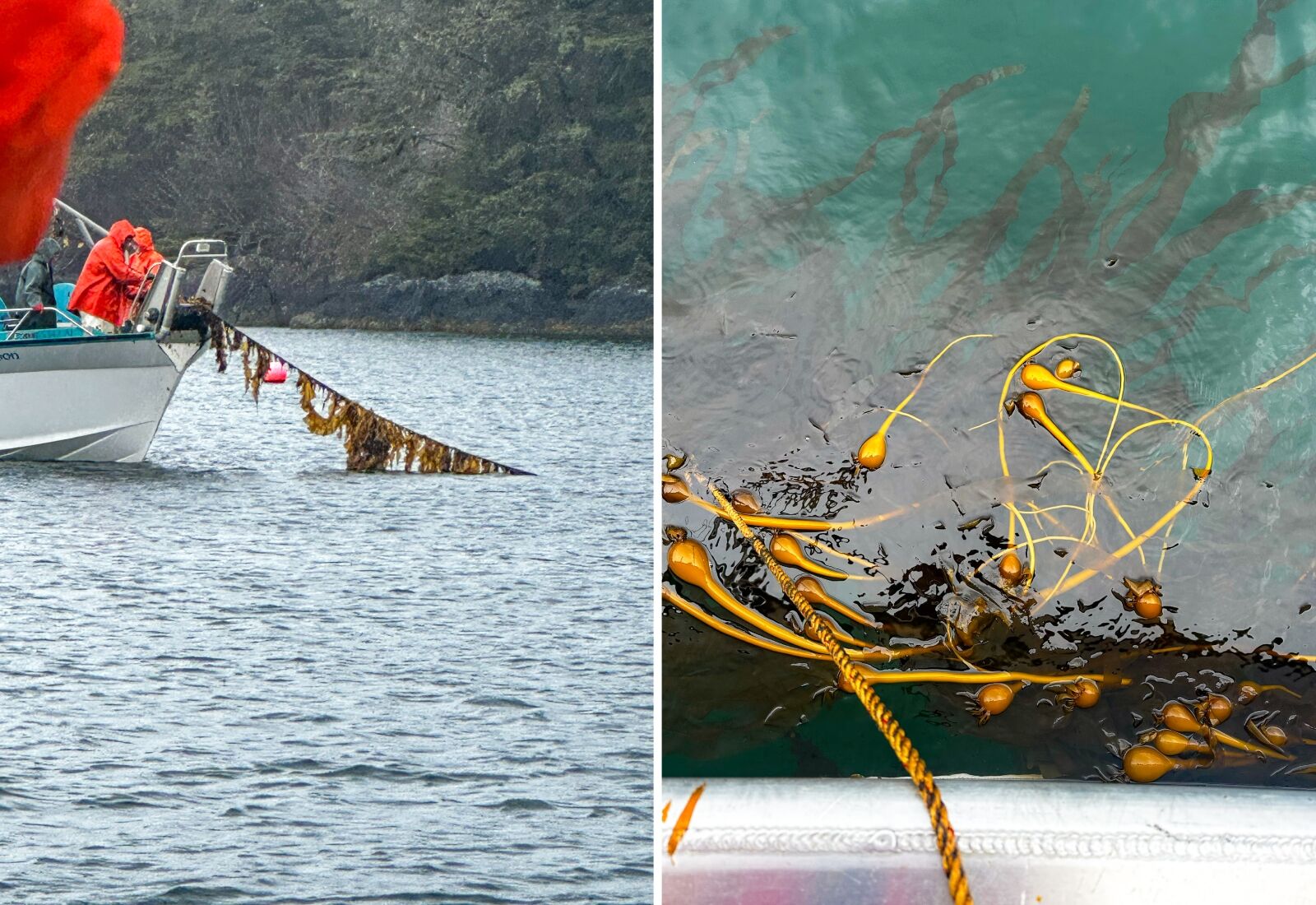
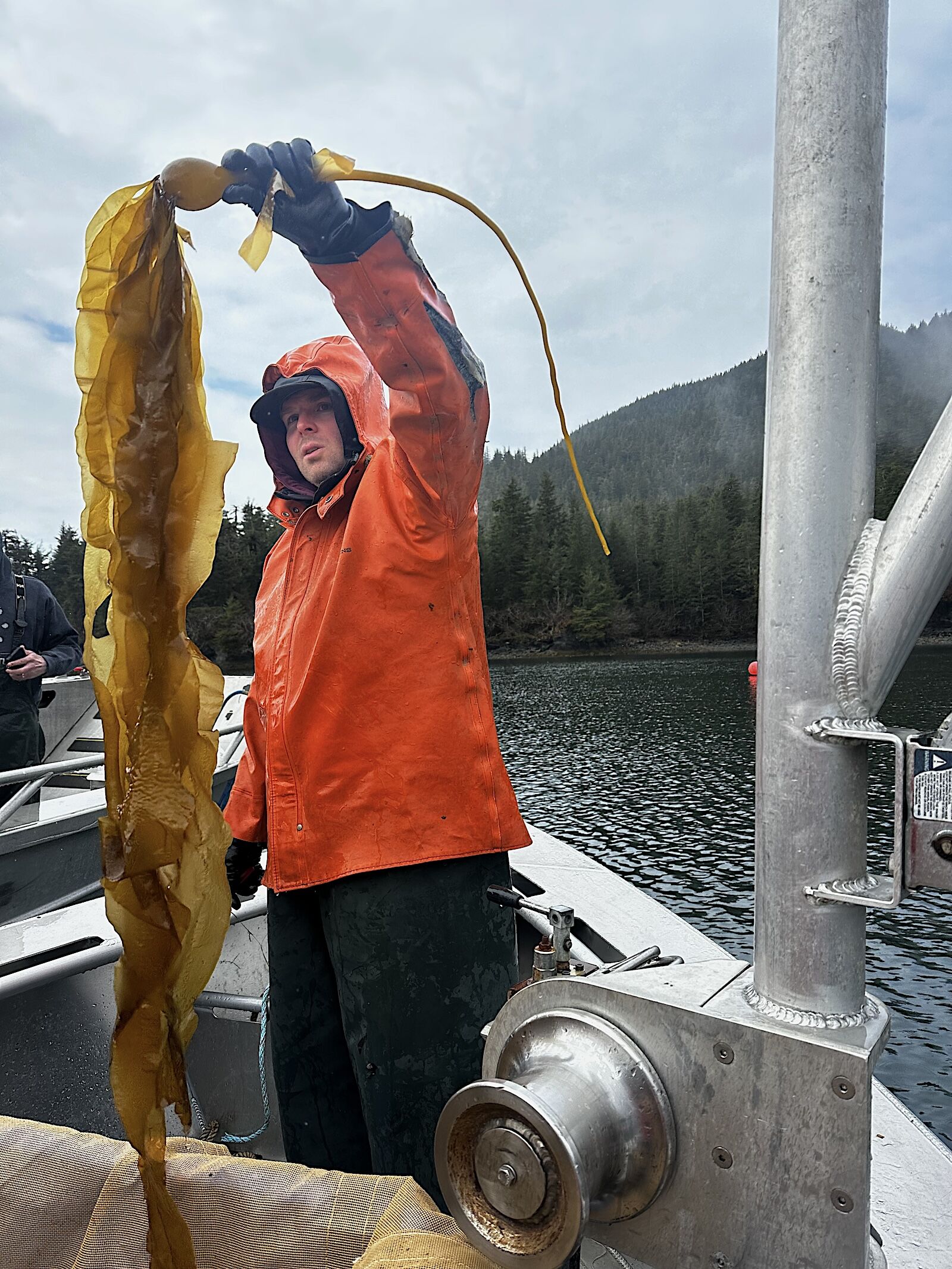
Kelp, a "zero-input" crop, requires no freshwater, no land, and no fertilizers. It functions as a biological sponge, absorbing excess nitrogen and sequestering carbon as it grows. Simultaneously, it provides a vital nursery habitat for native fish species, supporting the very marine biodiversity that the region relies on. From the sugar kelp swaying on submerged ropes to the briny, umami-rich oysters suspended in Simpson Bay, these farmers are proving that the future of Alaskan food isn’t just about what we take from the ocean, but what we nurture within it.
A Chronology of Innovation
The journey of Cordova’s mariculture farmers is one of grit, failure, and eventual triumph.
2019: The Seed is Planted
Seawan Gehlbach, a former biologist with the Alaska Department of Fish and Game, pivoted from monitoring the ecosystem to becoming a part of its productive cycle. Founding the Simpson Bay Oyster Company, she sought a way to remain connected to the water. Her early days were marked by the steep learning curve of aquaculture—navigating water temperatures, tide cycles, and the demanding logistics of shellfish farming.
2020: The Rise of Noble Ocean Farms
Sean and Skye Den Adel launched Noble Ocean Farms with the goal of creating a sustainable marine enterprise. Their entry into the industry was anything but smooth. Their first permitted site proved untenable; freshwater runoff from a nearby glacier stunted growth, and the bay’s tendency to freeze solid during the winter cut off access for months at a time. The loss of an entire season was a sobering introduction to the realities of farming in the sub-Arctic.
2022–2025: Scaling and Diversification
During these years, the infrastructure of the industry began to solidify. Pioneers like Thea Thomas and Cale Hershcleb of Royal Ocean Kelp Co. began demonstrating that kelp could be more than a niche commodity. They invested in the necessary, and often grueling, infrastructure—buoy systems, deep-water lines, and specialized processing equipment—to turn seaweed into a viable, value-added product.
May 2026: The Current Reality
By May 2026, the industry had hit a stride. Visitors to Cordova could now witness the marriage of old-school fishing knowledge with new-age regenerative techniques. The landscape of the Sound is no longer just a hunting ground for salmon; it is a meticulously managed farm where the harvest is timed to peak biomass, ensuring both quality and ecological health.
Supporting Data: The Economics of the Sound
The economic impact of this transition is significant for a community that is physically inaccessible by land.
- Diversification: For veteran fishers like Thea Thomas, kelp provides a necessary secondary income stream. As she notes, while kelp may not support a family on its own, it creates a "diversified portfolio" that keeps local economies resilient when salmon seasons are lean.
- Production: A single productive season can yield thousands of pounds of kelp per farmer. Thomas, for instance, harvests roughly 3,000 pounds of kelp over a concentrated five-to-six-day window in May.
- Market Reach: Beyond the raw product, the value-added sector is growing. Products like furikake (a Japanese-inspired seaweed seasoning) and bull kelp salsa are finding their way into local markets and regional restaurants like the Reluctant Fisherman.
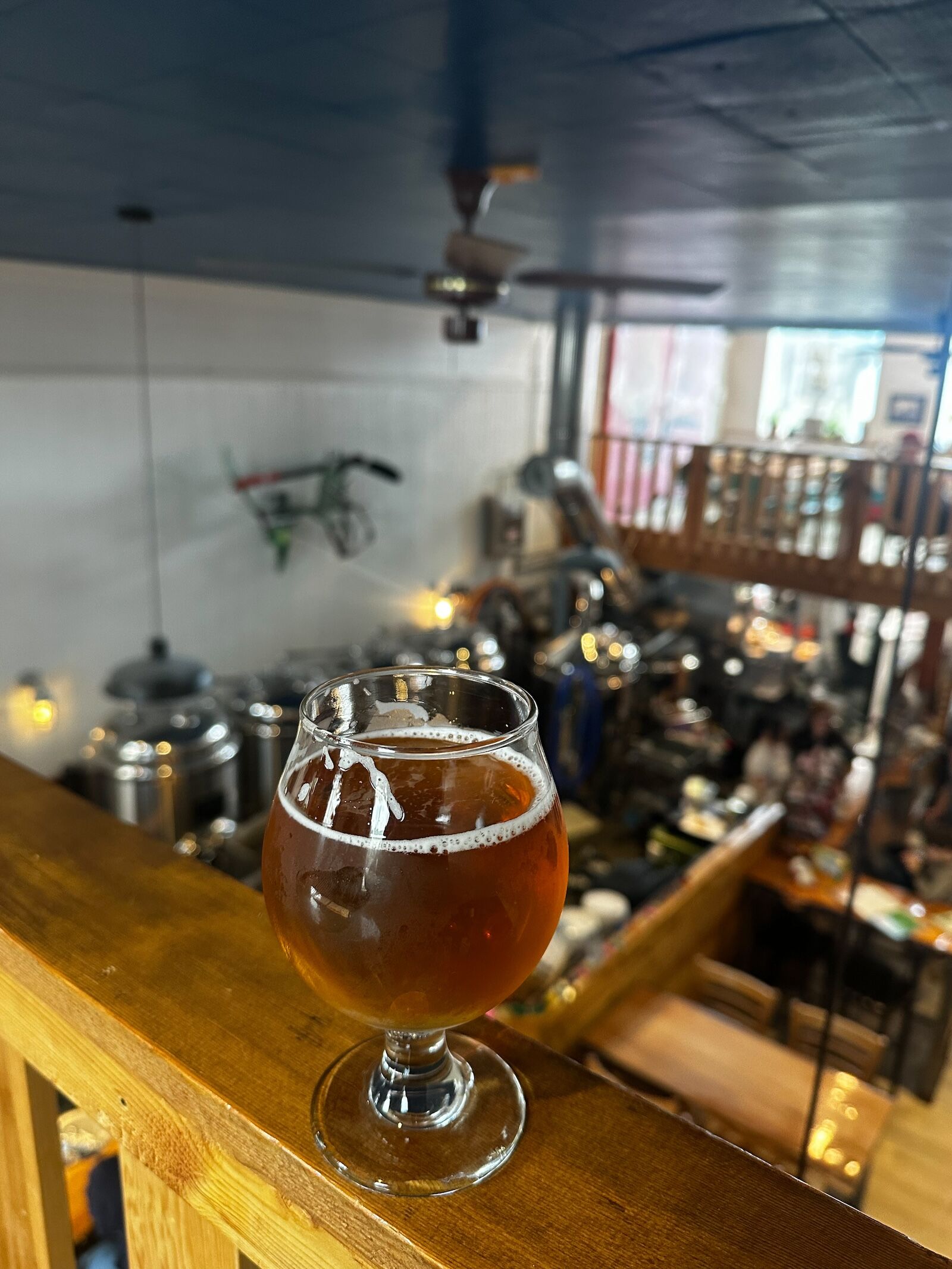
- Collaborative Ecosystems: The integration with local industry is key. Copper River Brewing’s "Sour Sea Witch" beer—which utilizes local kelp—and the partnerships with regional food distribution programs (such as the Native Village of Eyak’s initiatives) demonstrate a closed-loop economy that keeps the financial benefits within Cordova.
Official Perspectives and Personal Reflections
The voices driving this industry are characterized by a profound respect for the environment. Sean Den Adel speaks with the passion of an advocate, noting that "growing a sustainable food source and supporting marine biodiversity—what’s not to love about that?" His sentiment is echoed by the broader community of farmers, who view themselves as stewards of the Prince William Sound.
For Seawan Gehlbach, the validation of her work came not from a board of directors, but from the local fishing community. When a legendary local fisherman, known for his own pristine smoked salmon, began purchasing her oysters, it signaled a shift in the town’s culture. That trust, cemented by small gifts like jars of Copper River king salmon, highlights the deep-rooted social fabric of Cordova. It is a community where high-quality food is the primary currency of respect.
Implications: The Future of Alaskan Seafood
The implications of the Cordova model extend far beyond the Prince William Sound. As the world grapples with food security and the ecological costs of traditional industrial agriculture, the Alaskan mariculture experiment offers a blueprint for the future.
1. Environmental Restoration
The transition to kelp and shellfish farming proves that humans can have a net-positive impact on the ocean. By mitigating nitrogen runoff and providing critical habitat, these farms act as "oceanic lungs," filtering the water and sustaining the web of life that includes sea otters, urchins, and migrating birds.
2. Resilience Through Agility
The "trial-and-error" phase experienced by farms like Noble Ocean underscores the necessity of adaptive management. The ability to pivot, amend permits, and move operations to better-suited waters is a requirement for survival in the face of a changing climate. This agility is what will distinguish successful mariculture operations in the coming decades.
3. The Culinary Tourism Factor
For the visitor, this shift offers a new lens through which to experience Alaska. It moves the conversation from "catching the big fish" to "understanding the ecosystem." Travelers can now engage in a truly farm-to-table experience, from participating in birding and natural history cruises that pass through the kelp lines to attending pop-up oyster harvests. The Alaska Shellfish Growers Association’s "Alaska Oyster Voyage" is a direct invitation for the culinary-conscious traveler to map these experiences across the state.
4. Cultural Continuity
Perhaps most importantly, this new industry honors the history of the region. By working on the water, utilizing traditional knowledge of tide and weather, and focusing on high-quality, local products, these farmers are keeping the maritime spirit of Cordova alive. They are not replacing the fisherman; they are evolving the definition of what it means to make a living on the sea.
As the sun sets over the rugged, snow-dusted peaks surrounding Cordova, the message is clear: the icy, nutrient-rich waters that built Alaska’s past are now providing the foundation for its future. Through the dedication of those working the ropes and the trays, the state is proving that the most valuable harvest may not be the one that fights back, but the one that heals the water as it grows.