
























































A Climate Shift: How New Democratic "Trifectas" Are Poised to Redefine State-Level Environmental Policy

Following the 2016 and 2024 elections, climate advocates faced a stark reality: the federal government was signaling a pivot toward hostility against environmental regulations. In response, a grassroots movement coalesced around the “America Is All In” initiative—a coalition of cities, states, and institutions vowing to uphold national climate commitments regardless of Washington’s agenda. While this strategy successfully kept the climate flame alive, it suffered from a geographic limitation: the "climate vanguard" was largely confined to progressive strongholds like New England and the West Coast.
That dynamic shifted dramatically this week. In a historic turn for the American political landscape, the Democratic Party secured “trifectas”—total control of the governor’s mansion and both state legislative chambers—in Arizona, Pennsylvania, and Wisconsin. For these three battleground states, which have historically grappled with divided government or Republican legislative dominance, the election results represent a fundamental pivot point for energy and environmental policy.
The Magnitude of the Shift
The significance of these victories extends far beyond symbolic wins. According to David Weiskopf, senior policy director at Climate Cabinet, a nonprofit dedicated to electing climate-conscious candidates, the combined economic and industrial weight of these six newly minted trifecta states (including Minnesota, Michigan, and Nevada, where Democrats solidified their hold) is staggering.
“It is impossible to overstate how monumental these results are,” Weiskopf noted. “If these six states were a single country, they would rank among the world’s largest emitters, rivaling major energy powers like Canada and Saudi Arabia. This represents a massive, untapped opportunity to fundamentally alter the trajectory of American carbon emissions.”
By moving beyond the traditional coastal hubs of climate activism, these states are positioned to act as a "green corridor" through the industrial heartland and the drought-stricken Southwest.

Wisconsin: Ending the Era of Stagnation
For years, Wisconsin has served as a cautionary tale of environmental inertia in the Upper Midwest. While neighboring Michigan and Minnesota aggressively pursued clean energy legislation, mandating a transition to 100% clean power by 2040, Wisconsin remained anchored to the past. The state’s renewable electricity standard—a mere 10 percent—was established over two decades ago. Having easily surpassed that goal, the state never saw the legislative will to set a new, more ambitious target.
The Legislative Roadmap
Erik Kanter, policy director for the nonprofit Clean Wisconsin, views this new legislative session as an opportunity to address the "low-hanging fruit" that has been neglected for years.
- Utility Planning Reform: Unlike its neighbors, Wisconsin lacks a mandate requiring utilities to engage in comprehensive long-term planning. By codifying a requirement for integrated resource planning, the state can effectively force utilities to prioritize renewable investments over the maintenance of aging, inefficient coal and gas infrastructure.
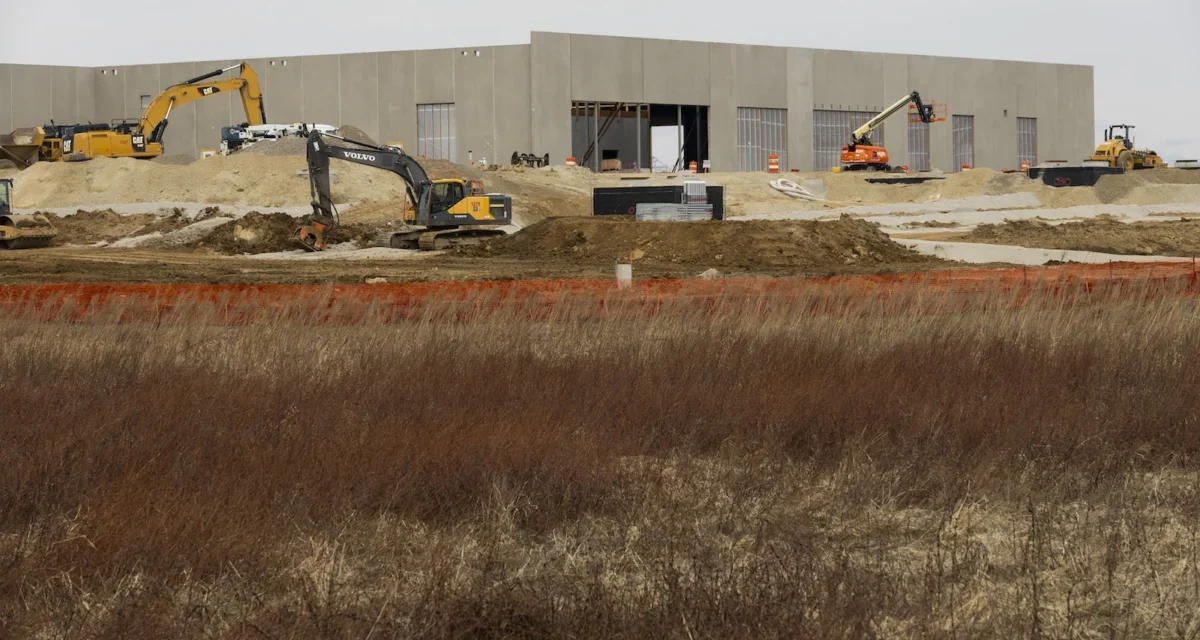
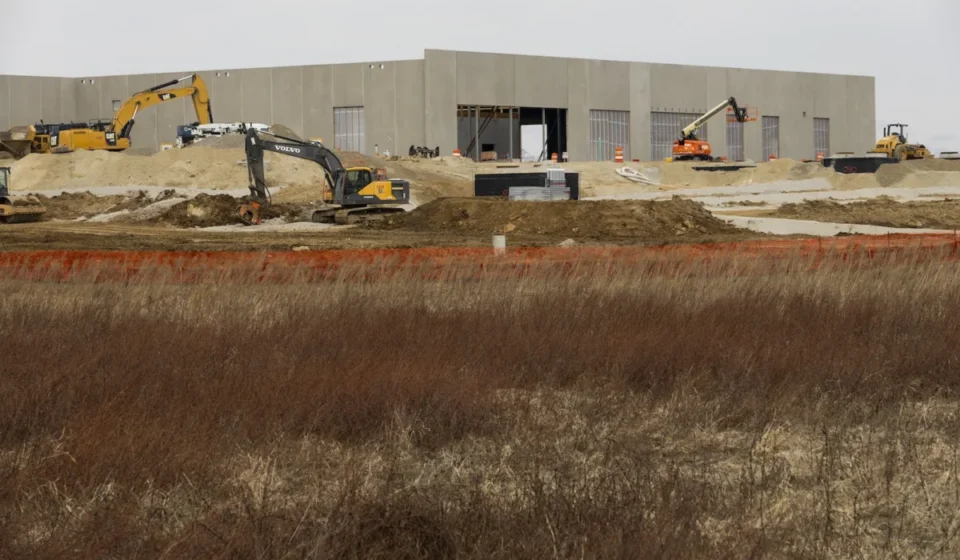
- Data Center Accountability: With major tech companies expanding their footprint in the Badger State, the energy demand of data centers has become a pressing concern. After failing to pass legislation this year requiring these centers to source power from clean energy, Democrats are expected to make this a top priority in the coming session.
- Conservation Restoration: The Knowles-Nelson Stewardship Program, a once-lauded bipartisan fund for parks and ecosystem preservation, had recently faced existential threats from Republican lawmakers. A Democratic trifecta is expected to breathe new life into this funding mechanism, protecting the state’s natural heritage.
Pennsylvania: Breaking the Gridlock
For years, the Pennsylvania Senate functioned as a graveyard for climate legislation. Despite Democratic control of the lower house, the upper chamber frequently blocked environmental bills from ever reaching the floor. The challenge was compounded by the state’s identity as a significant producer of natural gas and coal, which historically created rifts within the Democratic caucus itself.
A New Era of Ambitious Policy
State Senator Lindsey Williams, representing the Pittsburgh area, describes the current mood as a long-awaited release of pressure. “You don’t want to let yourself fully imagine what it can be, because you’ve been let down in the past,” Williams said. “Now we’re in that moment of, wow, there’s so many things that we can accomplish.”
Among the key initiatives now on the table:

- Energy Efficiency Mandates: Williams has championed legislation to set mandatory efficiency standards for appliances. Similar to laws in other states, these regulations would save consumers millions while reducing the overall load on the grid.
- Public Transit Rescue: The Pennsylvania legislature is poised to debate a $1.5 billion infusion for mass transit systems, including Philadelphia’s SEPTA. Proponents argue this is as much a climate issue as an infrastructure one, as reliable transit is the primary tool for curbing reliance on fossil-fuel-powered private vehicles.
- Cap-and-Trade: Governor Josh Shapiro, despite his centrist profile and previous withdrawal from the Regional Greenhouse Gas Initiative (RGGI), has signaled a willingness to pursue a Pennsylvania-specific cap-and-trade system.
Arizona: The Desert’s New Direction
Arizona’s political landscape is arguably the most surprising. Not since 1966 have Democrats held a trifecta in the Grand Canyon State. In a region defined by its harsh desert climate and rapid growth, the shift in control is seen as an existential necessity.
The Utility and Water Mandate
Lauren Kuby, a Democratic legislator from Tempe, emphasizes that the state’s regulatory apparatus, the Arizona Corporation Commission, is in desperate need of reform. “The commission has been slow to embrace new technologies,” Kuby stated. “We want to direct the commission to make utilities invest in solar, battery storage, and ‘virtual power plants’ that coordinate energy usage across homes and businesses.”
The legislative agenda for Arizona is dual-pronged:
- Regulatory Overhaul: Beyond simple policy changes, there is momentum to rebrand the commission to better reflect its public service mission, potentially stripping the word "Corporation" from its title to prioritize public interest over industry influence.
- Groundwater Management: Water scarcity is the defining challenge of the American West. For years, massive industrial operations—such as the Saudi-backed Fondomonte alfalfa farms—have been accused of depleting local aquifers, leading to land subsidence and the drying up of residential wells. The new Democratic majority aims to pass strict regulations on rural groundwater pumping, ending what critics call a "water free-for-all."
Chronology of the Climate Turn
- 2016–2024: The era of "Resistance Federalism," where states like California and New York led the climate charge while the federal government retreated.
- Early 2026: Failed attempts in Wisconsin and Arizona to pass modest climate-related legislation due to legislative deadlocks.
- November 2026: Midterm elections deliver sweeping victories for Democratic legislative candidates in Arizona, Pennsylvania, and Wisconsin, providing them with governing trifectas.
- 2027–2028 (The Window): A narrow two-year window where these states must act before the political winds potentially shift again.
Implications and Challenges
While the excitement among climate advocates is palpable, the road ahead is fraught with political peril. In all three states, Democratic majorities are slim. The governing window is short—just two years—and the political climate remains polarized.
Furthermore, these states must navigate the economic realities of their respective industries. In Pennsylvania, the transition away from fossil fuels must be managed in a way that respects the state’s labor history and industrial base. In Wisconsin and Arizona, the pressure of a growing, energy-hungry tech sector requires balancing carbon reduction with the demands of economic development.

Ultimately, these trifectas represent a shift from defensive posturing to proactive governance. As David Weiskopf noted, “We need to be brave and lead. It’s not just about the low-hanging fruit anymore; it’s about the big, ambitious things we can get done.”
As these states prepare to enter their legislative sessions, the nation will be watching. If they succeed, they could prove that the most meaningful climate action in the United States is no longer happening in Washington, but in the statehouses of the Midwest and the desert Southwest.