














































By [Your Name/Journalistic Byline]
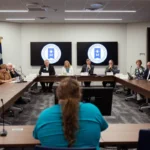
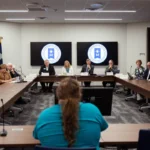
Minneapolis Public Schools (MPS) stands at a critical juncture. Faced with a persistent $40 million budget deficit and a demographic landscape that has shifted dramatically over the last decade, the district’s leadership has proposed a radical transformation that would fundamentally alter the educational map of the city. On Tuesday night, Superintendent Lisa Sayles-Adams unveiled three distinct restructuring plans to the Board of Education, a move that could result in the closure of up to 16 schools and the reassignment of thousands of students by the fall of 2027.
The proposals, which aim to consolidate resources and address systemic under-enrollment, have ignited a firestorm of controversy. Educators, parents, and community advocates argue that the district is rushing a process that threatens to sever the delicate social fabric of neighborhood schools. With a final vote scheduled for November 10, the clock is ticking on one of the most significant administrative overhauls in the district’s recent history.
The Core Proposals: A Vision of "Consistency"
At the heart of the district’s argument is the concept of "educational consistency." Currently, MPS operates at a staggering inefficiency: while the district serves approximately 30,000 students, its infrastructure is built to house 43,000. This mismatch leaves more than half of the district’s 56 schools operating at a capacity too low to sustain robust programming or full staffing complements.
Because school funding in Minnesota is tied directly to student enrollment, these under-enrolled buildings are essentially "budget-starved." They often lack the resources for diverse electives, specialized support staff, and consistent extracurricular offerings.
Superintendent Sayles-Adams’ presentation detailed three paths toward reform, each involving:
- New K-12 Pathways: Redrawing attendance boundaries to ensure students move through the system in cohorts that support better academic outcomes.
- School Closures: Shutting down up to 16 facilities to concentrate remaining students into buildings that can be fully funded and staffed.
- Increased Utilization: Aiming to ensure that 70% of all MPS students are enrolled in schools that offer "complete programming"—defined as having the necessary staff and resources to provide a well-rounded education.
The administration contends that by centralizing these resources, the district can provide a more equitable experience for students across the city. However, the plan remains vague regarding fiscal specifics. While the goal is to stabilize the budget, the presentation did not offer a definitive projection of how much capital would be saved, nor did it offer a concrete guarantee regarding potential staff layoffs, which will ultimately be determined by the spring budget cycle and the subsequent reaction of families to the changes.
A Chronology of Crisis and Contention
The current state of affairs did not emerge overnight. It is the culmination of years of structural decline and legislative debate.
- 2020: The Comprehensive District Design (CDD): The district’s last major attempt at systemic reform, the CDD, sought to reorganize magnet schools and attendance zones to balance equity and enrollment. The aftermath was difficult; thousands of families opted out of the district, contributing to a trend of enrollment decline that has plagued urban districts across the country.
- 2023: The Seeds of Restructuring: As the $40 million deficit loomed larger, the conversation around school closures transitioned from "long-term planning" to "urgent necessity."
- Fall 2025: The school board formally passed a resolution directing the Superintendent to provide a framework for consolidation by April 2026.
- Summer 2026: Sayles-Adams and her administrative team spent the summer months drafting the three options presented this week.
- September 2026: The public rollout of the three proposals, followed by the commencement of a series of community input meetings scheduled from September 30 through October 9.
- November 10, 2026: The anticipated board vote on which, if any, of the proposed pathways the district will adopt for the 2027-28 school year.
Supporting Data: The Enrollment Gap
The district’s primary justification rests on the cold arithmetic of enrollment. When schools drop below a certain threshold of students, the "fixed costs" of operating a building—heating, maintenance, administration, and basic security—consume a disproportionate share of the budget.
According to the district’s internal data, many schools currently operate in a "hollowed-out" state. A school with half its intended population still requires a principal, a custodian, and a secretarial staff, but it receives half the per-pupil funding of a full school. This leaves almost nothing for music, art, technology, or special education services.
However, critics point to the failure of the 2020 CDD as a cautionary tale. Board member Greta Callahan highlighted the "leaky bucket" theory during the meeting: when a neighborhood school is closed, families do not simply move to the next closest MPS building. Often, they leave the district entirely, seeking charter schools, private education, or moving to neighboring suburban districts. If this trend holds, the restructuring could inadvertently accelerate the very enrollment decline it seeks to solve.
The Human Element: Official and Community Responses
The backlash to the proposals has been swift and organized. The Minneapolis Federation of Teachers (MFT) has formally characterized the district’s current timeline as "unacceptable."
"We need a pause," said MFT President Marsha Howard. "We cannot engage in a ‘transformation’ when there is no meaningful plan for the recruitment and retention of families. We are losing schools that have recently won awards of excellence, like Kenny Elementary, and schools with active waitlists, like Bethune Arts. The data the district is using feels outdated and disconnected from the current reality of our school communities."
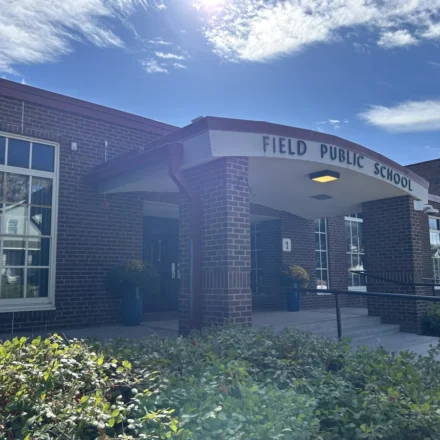
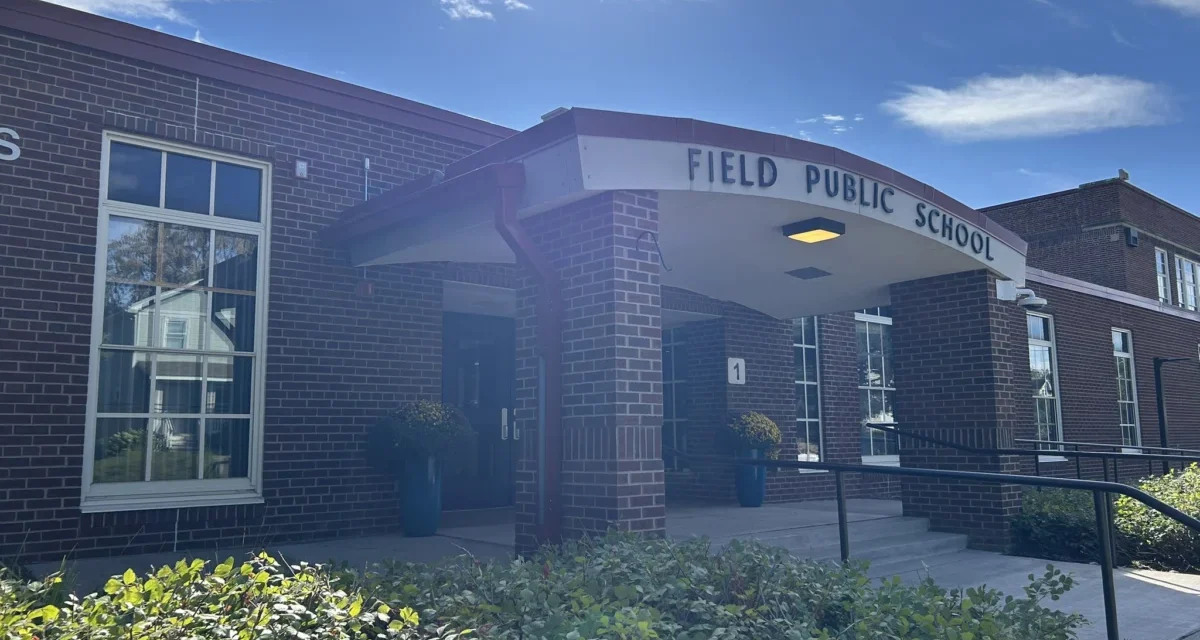
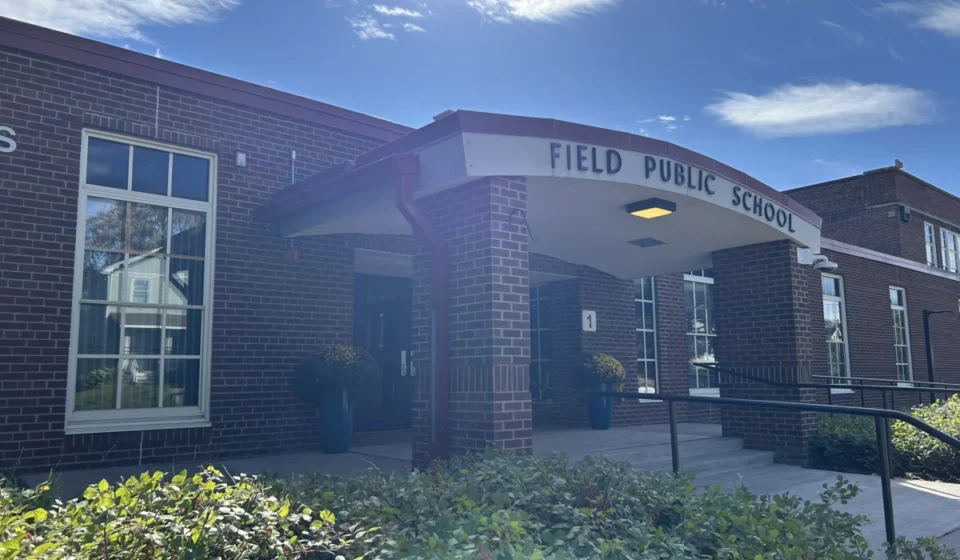
Howard’s critique is echoed by parents like Susan Dreiling. Her child attends Field Elementary, a school slated for closure under all three proposed models. For Dreiling, the school is more than an asset on a balance sheet; it is a community hub that has been strengthened by grassroots efforts like "Operation Metro Surge"—a movement where parents and staff worked together to support local families and increase school participation.
"Hard plans can be the right plans," Dreiling noted at the meeting, "but we have to have confidence in the leadership that is putting them through. How are we expected to build confidence when the district seems to be ignoring the strength of the communities that have already stabilized their own schools?"
The sentiment is deeply personal. For many parents, the walk to school, the greeting of the bus driver, and the casual conversations at drop-off represent the "soft infrastructure" of the city. When those sites are shuttered, parents argue, the social network that keeps families invested in the public school system is severed.
Implications: The High Cost of Uncertainty
The uncertainty created by these proposals carries a hidden, yet significant, cost. Teachers, who are already struggling with the demands of the post-pandemic classroom, are now forced to advocate for their school’s survival while simultaneously fulfilling their instructional duties.
"How do you fight to keep your school in your community and do your day job all at the same time?" Dreiling asked. The psychological and professional strain on educators could lead to further attrition at a time when the district can least afford to lose experienced staff.
Furthermore, the "one-size-fits-all" approach to consolidation may struggle to address the unique cultural and academic needs of individual neighborhoods. By viewing the district through the lens of capacity and square footage, the administration risks overlooking the specific identities of schools that have become essential pillars for their respective communities.
As the district moves into the public comment phase of its proposal, the school board faces a difficult binary: proceed with a plan that prioritizes fiscal stabilization but risks mass exodus, or hit the pause button to seek a more collaborative—and potentially slower—pathway to sustainability.
For the parents and educators of Minneapolis, the coming weeks are not just about budget lines or building capacity; they are about defining what the future of public education in the city should look like: a cold, efficient machine, or a network of communities that know each other by name. The decision on November 10 will signal which vision the board intends to pursue.