





















































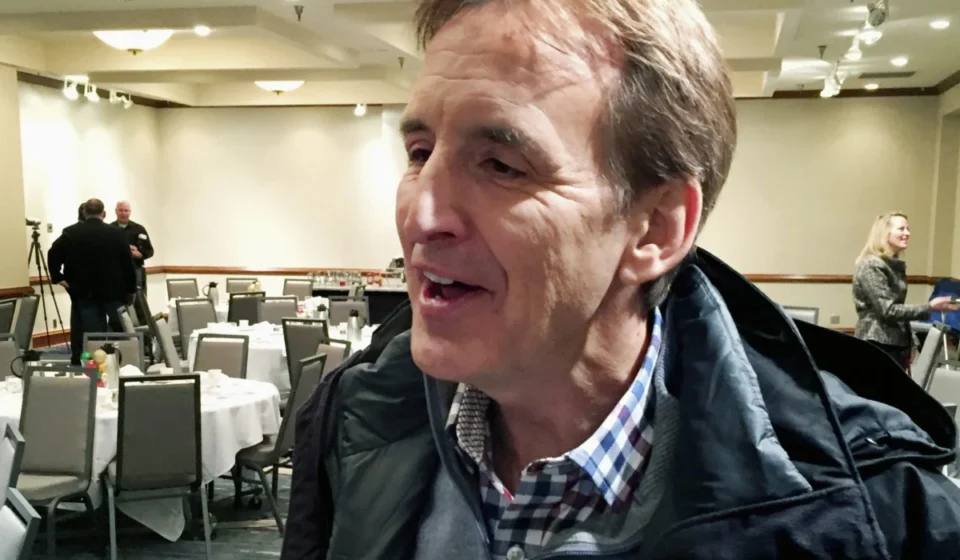

In the corridors of Washington, where political fortunes are as volatile as the energy markets themselves, Tim Pawlenty—a two-term Republican governor of Minnesota and a former presidential contender—has emerged as an unlikely architect for the future of American power. Having traded the campaign trail for the boardroom, Pawlenty now serves as the president and CEO of the Solar Energy Industries Association (SEIA). His arrival at the helm of the nation’s largest solar trade group comes at a defining, and perhaps definingly difficult, moment for the clean energy sector.
As the industry navigates the aftermath of significant legislative shifts, Pawlenty is tasked with recalibrating the solar narrative. His goal is to transform the perception of solar energy from a partisan climate initiative into a bedrock of national security and private property rights, bridging the widening gap between the green energy transition and conservative economic policy.
The Chronology of a Shift: From IRA to "One Big Beautiful Bill"
To understand the challenge Pawlenty faces, one must examine the rapid, roller-coaster trajectory of federal energy policy over the last four years. In 2022, the solar industry was riding the high of the Inflation Reduction Act (IRA), a landmark legislative package under the Biden administration that offered unprecedented tax credits and incentives for renewable energy adoption. Solar developers ramped up capital expenditure, expanded workforces, and broke ground on ambitious projects across the U.S. heartland, anticipating a decade of federal support.
However, the political landscape shifted dramatically in 2024. The return of a Republican-controlled federal government ushered in a new legislative era, codified by last year’s "One Big Beautiful Bill" Act. This legislation effectively gutted many of the climate-specific provisions that had served as the lifeblood of the previous administration’s energy agenda.
For the solar sector, the transition was jarring. Many developers who had geared their business models toward IRA-backed incentives suddenly found themselves facing a landscape of fiscal retrenchment. It is into this "relatively bleak" environment—as Pawlenty described it during a candid interview at Canary Media’s Climate Week NYC summit—that the former governor steps. Yet, Pawlenty remains characteristically optimistic. "Nothing stays the same in politics," he remarked, suggesting that the industry’s current setbacks are merely a prologue to a more durable, if different, phase of growth.
The Data: Why Solar Remains an Industrial Juggernaut
Despite the legislative headwinds in Washington, the hard data suggests that the solar industry is far more resilient than its political standing might indicate. Solar has been the leading source of new electricity generation capacity in the United States for several years running. This dominance is not merely the result of federal subsidies; it is driven by the stark reality of modern economic demand.
The United States is currently experiencing what Pawlenty calls an "unbelievable, exploding demand for energy." From the massive power requirements of AI data centers to the electrification of industrial manufacturing, the need for reliable, cost-effective power has never been greater.

According to recent market analyses, solar and battery storage are now, by and large, the most cost-effective forms of new energy construction in the country. This economic fundamental creates a buffer against political volatility. While policymakers in Washington have shifted their focus, the utility companies and private investors on the ground are still prioritizing solar simply because it makes financial sense. Pawlenty’s strategy involves leveraging these cold, hard facts to win over a skeptical political class. "Eventually, the policymakers catch up to the facts," he noted. "We have really good facts on our side."
Rebranding Solar: National Security and Domestic Sovereignty
One of the most persistent hurdles for the solar industry has been the perception that it is a foreign-dependent endeavor, specifically reliant on Chinese supply chains. For years, critics have used this as a cudgel to strike down solar policy.
Pawlenty, however, is aggressively shifting this narrative. He points out that the U.S. has made remarkable strides in decoupling its solar supply chain from China. Through a combination of trade policies and a surge in domestic manufacturing capacity, the U.S. has substantially reduced its reliance on foreign-made panels.
This pivot to "domestic manufacturing" serves a dual purpose: it creates jobs in key political districts and aligns perfectly with modern "America First" industrial policy. By framing solar as a matter of national security, Pawlenty taps into a vein of conservative thought that is far more receptive to renewable energy.
"Iran can’t block the sun," Pawlenty stated, cutting through the typical jargon of climate policy with a direct, security-focused argument. "If you’re into national security—as I am—I like things that Iran can’t block, or North Korea, or China, or Russia, or any of the other folks who want to do us harm." By reframing the sun as a domestic, untouchable resource, he is attempting to insulate the industry from the shifting winds of foreign policy and global trade volatility.
Implications: The Rural Frontier and Property Rights
While much of the energy debate takes place in the urban centers of New York or Washington, the physical reality of the energy transition is happening in rural America. As of last year, 87% of U.S. clean energy generation occurred in rural areas. This massive land-use change has not been without friction. Local communities have increasingly raised concerns about the conversion of agricultural land to solar farms, fears often fueled by misinformation regarding the impact on soil health and local economies.
Pawlenty’s approach to this tension is grounded in his background as a governor from a traditional farm state. He rejects the notion that the solar industry should be at odds with the agricultural sector. Instead, he advocates for a position centered on private property rights—a core conservative value.

"From a conservative standpoint, land rights are pretty important," Pawlenty said. He argues that farmers should have the freedom to decide how to use their land, including the ability to lease parcels for solar development to supplement their income. By positioning solar companies as partners who respect the autonomy of landowners, rather than as encroaching outsiders, Pawlenty hopes to mitigate the local resistance that has stalled so many utility-scale projects.
A Strategy for Durability: Lessons from the Former Governor
Perhaps the most significant aspect of Pawlenty’s new role is his focus on "durable" policy. He recognizes that the industry has been too reliant on the legislative whims of the current administration.
"While it’s very tempting to just say, ‘Let’s roll whenever we can roll,’ I think it’s wise to at least take a half a step back and say, ‘Are we advocating for policies that are likely to survive political turbulence and change?’" he asked.
This pragmatic approach suggests that under Pawlenty’s leadership, the SEIA will likely move away from fighting for temporary, partisan tax credits and toward building a long-term consensus around domestic manufacturing, energy independence, and private property rights.
The industry’s future, as Pawlenty sees it, is not in the "One Big Beautiful Bill" of yesterday, but in the slow, steady integration of solar into the fundamental infrastructure of the American economy. By aligning the sector with the conservative pillars of national security and individual liberty, Pawlenty is attempting to do what few in the green energy space have managed: make solar a permanent, undisputed feature of the American political and economic landscape, regardless of which party holds the keys to the White House.
As the industry looks toward 2026 and beyond, the success of this strategy will be measured not by the amount of federal subsidies granted, but by the ability of solar developers to gain long-term "social license" in the rural communities that host them and the political capital to survive the inevitable shifts in the American political pendulum. Tim Pawlenty, with his unique blend of gubernatorial experience and industry advocacy, appears prepared to lead that charge.