




















































The Silicon Prairie of Power: How Minnesota Became a Global Epicenter for Microgrid Innovation

BLOOMINGTON, MN — Standing at the busy interchange of I-494 and Highway 100, a striking red-and-blue office building catches the eye. With its sharp angles and metallic sheen, it resembles a futuristic sailboat or perhaps a robotic sentry. This is the headquarters of Open Access Technology International (OATI), and while its exterior is a landmark of Twin Cities architecture, its interior houses the digital nervous system of the North American power grid.
For decades, OATI has been the silent engine behind the continent’s high-voltage transmission. Today, however, the company—and a burgeoning cluster of Minnesota-based firms—is pivoting toward a smaller, more resilient scale: the microgrid. As the national grid faces the triple threats of aging infrastructure, extreme weather, and cyberattacks, Minnesota has emerged as a powerhouse of decentralized energy technology, leveraging a century of industrial expertise to redefine how the world generates and consumes electricity.
I. Main Facts: The Rise of the Minnesota Microgrid Cluster
The concept of a microgrid is straightforward but technically demanding: it is a local energy grid with control capability, which allows it to disconnect from the traditional grid and operate autonomously. In Minnesota, this technology is no longer theoretical.
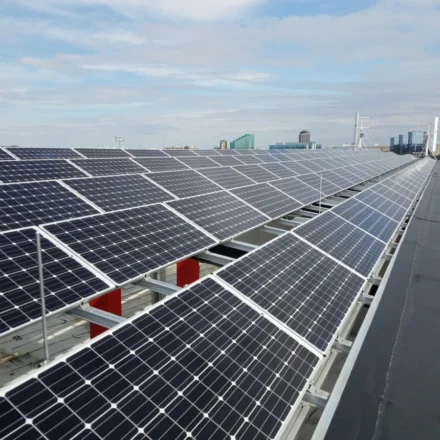
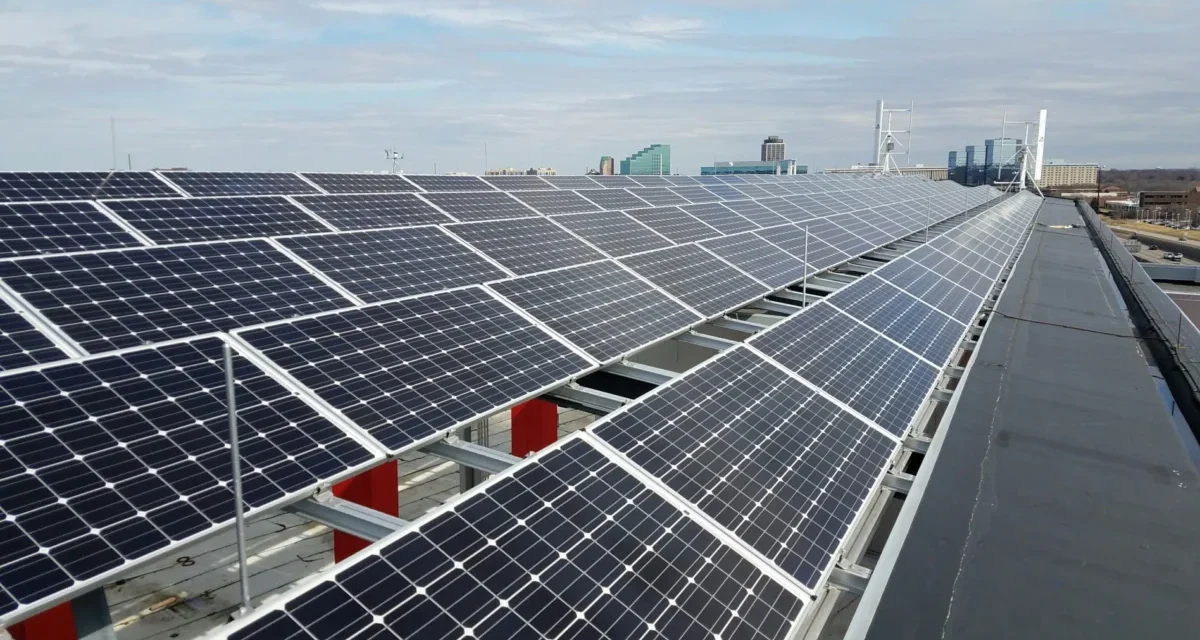
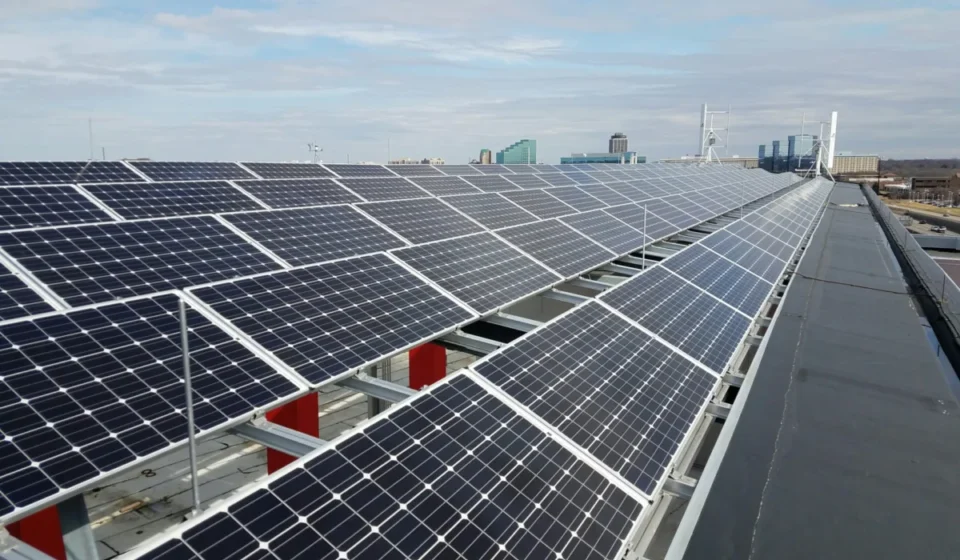
OATI’s Bloomington headquarters serves as a living laboratory for this transition. The facility is powered by a proprietary platform that synchronizes a complex array of solar panels, battery storage, an onsite cogeneration plant, and emergency diesel generators. This system ensures that even if the regional grid collapses, OATI’s mission-critical data centers remain online.
However, OATI is merely the largest player in a dense ecosystem. Minneapolis-based Syncris is revolutionizing the hardware side of the industry with modular "stackable" inverters. Microgrid Initiatives provides the strategic project management necessary to navigate complex state and tribal energy landscapes. Meanwhile, academic institutions like the University of St. Thomas’s Center for Microgrid Research and the University of Minnesota are providing the workforce training and cybersecurity hardening essential for a 21st-century grid.
The economic footprint is substantial. According to the Minnesota Department of Employment and Economic Development (DEED), the state exported approximately $2.3 billion in IT-related electrical equipment last year. This figure underscores Minnesota’s status not just as a consumer of green tech, but as a primary global exporter of the "brains" behind modern power systems.
II. Chronology: From Industrial Titans to Digital Disruptors
Minnesota’s dominance in the microgrid sector did not happen by accident. It is the result of a multi-generational evolution of the state’s manufacturing and engineering base.
The Legacy Era (1950s–1990s)
The foundation was laid by multinational giants such as Honeywell, Siemens, IBM, Eaton, and Johnson Controls, all of which established major footprints in the Twin Cities. These companies specialized in power electronics and industrial controls, creating a deep pool of specialized labor. "The most obvious reason that Minnesota has established an outsized footprint in the microgrid industry is the longstanding presence of major multinational companies," says Michael Burr, founder and director of Microgrid Initiatives.
The Software Revolution (1995–2010)
In the mid-1990s, OATI was founded, focusing on the software needed to manage the increasingly complex buying and selling of electricity across state lines. During this period, Pequot Lakes-based Hunt Technologies also rose to prominence as a leader in advanced metering infrastructure (AMI), eventually being acquired by Landis+Gyr. This era shifted Minnesota’s focus from "heavy iron" electrical components to the "smart" software layer.
The Resilience Era (2011–Present)
As climate change accelerated the frequency of "thousand-year" storms and heatwaves, the focus shifted toward resilience. The 2017 completion of OATI’s microgrid-powered headquarters signaled a new chapter. By 2024, the focus had expanded to social equity and tribal sovereignty, with the Biden administration awarding millions in grants to the Red Lake and White Earth Nations for solar-powered resilience hubs, designed and managed by Minnesota expertise.
III. Supporting Data: The Metrics of Decentralization
The scale of Minnesota’s influence is best understood through the reach of its proprietary technology:

- Market Reach: OATI’s software facilitates the majority of large-block electricity transactions in the United States. Its Distributed Energy Resource Management Systems (DERMS) are currently utilized by over 150 electric cooperatives, including 24 members of the Dairyland Power Cooperative across Wisconsin and Minnesota.
- Federal Investment: In the last year alone, Minnesota tribal nations received nearly $5 million in federal funding for microgrid projects ($3.15 million for Red Lake Nation and $1.75 million for White Earth Nation).
- Educational Monopoly: The Center for Microgrid Research at the University of St. Thomas remains the only institution of its kind in North America offering comprehensive, hands-on training for both students and industry professionals on live microgrid systems.
- Economic Resilience: Syncris reports that for industrial customers, the value of a microgrid often exceeds the price of the energy produced. One customer reported losing "hundreds of thousands of dollars a year" due to momentary power quality fluctuations—a problem solved by microgrid-based power conditioning.
IV. Official Responses: Insights from Industry Leaders
Leaders across the Minnesota energy sector emphasize that the state’s success is rooted in a culture of "practical innovation" rather than the venture-capital-driven hype of Silicon Valley.
David Heim, OATI Vice President and Chief Strategy Officer:
"It’s cool that we are a Twin Cities company doing all this right here in our backyard. We are scaling AI-powered solutions for a scale much different than the national grid. We don’t see an upper limit to how large these systems can get."
Mary Brown, OATI Senior Executive VP and Chief Legal Officer:
Brown notes that as federal energy policies shift and tariffs potentially drive up electricity costs, the ability for neighborhoods to orchestrate their own cars, batteries, and solar arrays becomes an economic necessity. "Technology has advanced to the point that DERMS can effortlessly orchestrate entire neighborhoods… in ‘demand response’ programs that compensate customers for their participation."
Zach Edmond, Co-founder of Syncris:
Edmond highlights the need for democratization in the industry. "Today, every system is a highly custom solution with lots of engineering design. They’re built as a one-off. Our technology is more like a Lego block; if you need more power, you can add more of them."
Greg Mowry, Syncris Co-founder and former Director of UST’s Center for Microgrid Research:
Mowry emphasizes the global humanitarian potential of Minnesota tech. Having seen the barriers to energy access in Africa and Eastern Europe, he argues that "modular design means a less expensive product. Our costs per unit are really low once you hit volume manufacturing."
V. Implications: Sovereignty, Equity, and the "Grid Edge"
The expansion of microgrids in Minnesota carries profound implications for the future of the American energy landscape, particularly regarding three key areas:
1. Energy Sovereignty for Tribal Nations
For communities like the Red Lake and White Earth Nations, microgrids are more than just backup power; they are tools of political and economic leverage. By generating their own power, tribes can negotiate from a position of strength with traditional utilities. "For tribes, energy sovereignty is becoming a necessity," says David Heim. It allows remote communities to maintain critical services—refrigeration, HVAC, and medical equipment—without being at the mercy of distant transmission lines.
2. Solving the "Grid Edge" Problem
Many of Minnesota’s industrial and agricultural facilities are located at the "grid edge"—the end of low-voltage distribution lines where power quality is notoriously poor. Frequent voltage fluctuations can degrade sensitive machinery, shortening the lifespan of equipment from 20 years to seven. Microgrids act as a buffer, "smoothing out" the power and reducing long-term capital costs for rural businesses.
3. Urban Resilience and Social Equity
The "Resilient Minneapolis Project" serves as a blueprint for urban environments. By installing microgrids at public schools in disadvantaged neighborhoods, the city is creating "resilience hubs." During prolonged outages or extreme weather events, these schools double as community centers where residents can charge medical devices, access the internet, and find climate-controlled shelter.
4. A Bulwark Against Global Volatility
As international trade tensions and tariffs threaten to raise the price of imported energy components, Minnesota’s domestic manufacturing base provides a strategic advantage. By producing inverters, software, and control systems locally, the state is insulated from global supply chain shocks, ensuring that the transition to a greener, more reliable grid continues unabated.
Conclusion
Minnesota’s evolution into a microgrid hub is a testament to the state’s ability to reinvent its industrial heritage for a digital age. From the "robotic dog" building in Bloomington to the solar arrays of the Red Lake Nation, the state is proving that the future of energy is not just green—it is local, resilient, and remarkably smart. In the race to harden the U.S. power grid against the uncertainties of the 21st century, the "Silicon Prairie" is leading the charge.