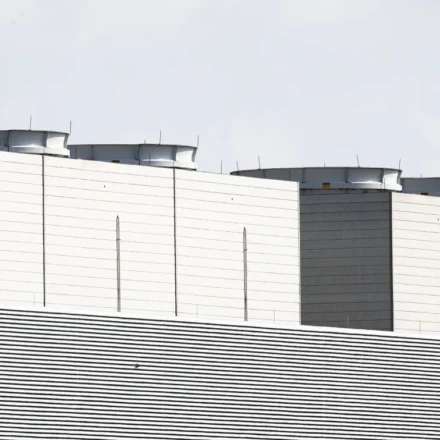




















































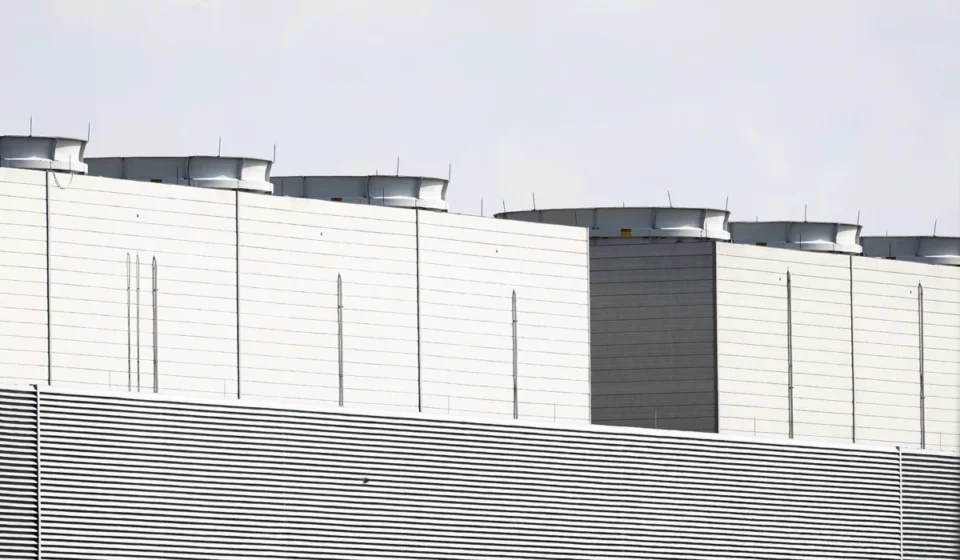

As the digital age accelerates, the physical footprint of our virtual lives is expanding at an unprecedented rate. Across the American landscape, massive, windowless fortresses known as data centers are rising to house the servers that power artificial intelligence, cloud computing, and global digital infrastructure. While these facilities are often touted as engines of economic growth and technological progress, they have brought with them an unintended, glowing consequence: a profound increase in light pollution that is silently disrupting ecosystems and human well-being.
For Vayujeet Gokhale, a physics professor at Truman State University and a board member for DarkSky Missouri, the issue is not about halting progress, but about redefining the standards of development. “If you are going to have lights on at night, then let’s do it in a responsible way,” Gokhale says. He argues that while data centers are essential for the modern economy, their current operational lighting standards are archaic, unnecessary, and environmentally destructive.
The Magnitude of the Expansion
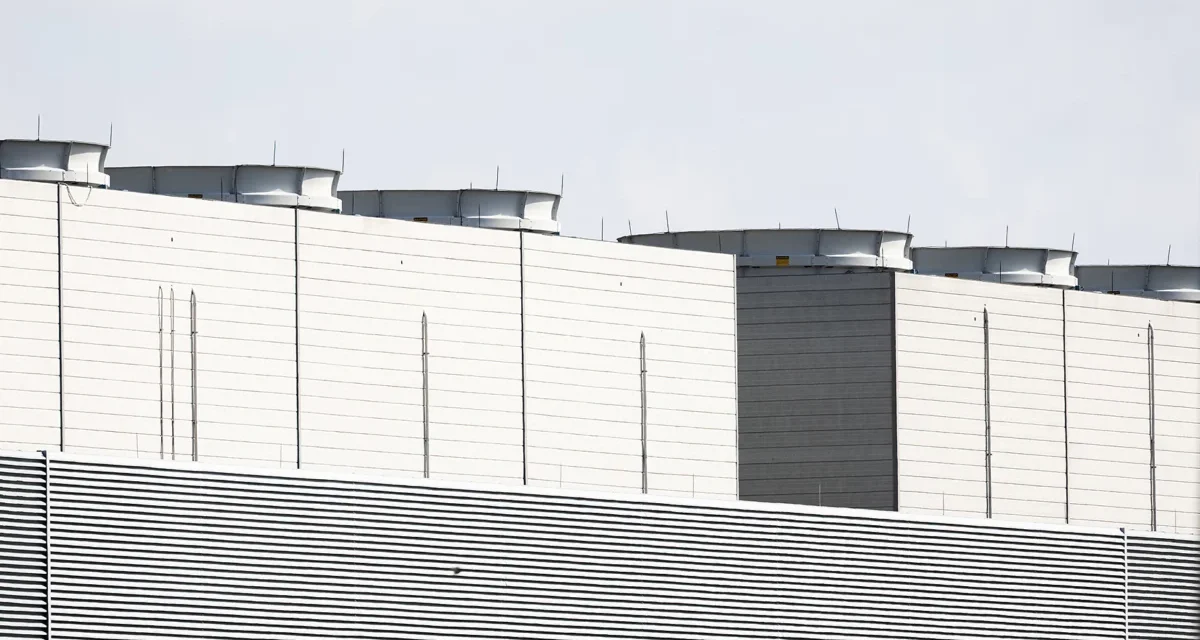
The United States currently hosts more data centers than any other nation, with over 3,000 facilities already operational. This demand is showing no signs of slowing; the Pew Research Center reports that approximately three-quarters of all new planned data centers are slated for the South and Midwest. In Missouri alone, there are currently 95 active data centers, including a massive $15 billion project in Montgomery County led by Google.
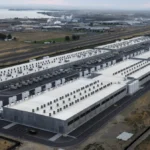
State officials often view these projects as transformative economic windfalls. When the Montgomery County project was announced in May, Governor Mike Kehoe celebrated the investment as a boon for regional stability. "This project represents more than infrastructure — it’s an investment in Missouri families, communities, and long-term opportunity," he stated. However, as these "AI factories" grow in both number and size—some individual buildings now spanning four times the size of a standard big-box warehouse—local communities are beginning to grapple with the cumulative environmental and social costs that often accompany such rapid industrialization.
Chronology of a Growing Conflict
The tension between data center development and local environmental stewardship has evolved from a niche concern into a significant legislative and public policy battleground.
- Early 2026: As energy and water demands from data centers surged, local municipalities began to feel the strain. In Missouri, the conversation shifted toward the impact on local resources.
- June 2026: Legislators began exploring regulatory frameworks. State Representative Colin Wellenkamp (R-St. Charles County) introduced House Bill 3362, which aimed to address the massive electricity and water usage of these facilities. The bill proposed holding operators financially responsible for grid upgrades and creating strict permit requirements for water consumption.
- July 2026: In response to public concern regarding the rapid, unmanaged growth of these sites, the St. Charles County Council implemented a six-month moratorium on large-scale data center development, signaling a cooling of the local political climate.
- September 2026: The friction reached a boiling point in the city of Independence, Missouri, where voters recalled city council members who had previously approved tax breaks for a controversial data center project.
Despite these legislative efforts, there is a glaring absence of federal or state-level guidance on "responsible lighting." While water and energy usage are finally entering the conversation, the aesthetic and biological impact of light pollution remains largely unregulated, leaving the "night shift" of these facilities to operate without restraint.
The Ecological Toll: Beyond the Glow
The environmental implications of excessive artificial light at night (ALAN) extend far beyond the loss of a view of the stars. Gokhale and other experts emphasize that light is a fundamental environmental cue for many species. When a data center turns on its massive floodlights, it creates a "bubble" of artificial day that confuses the biological rhythms of the natural world.

The Pollinator Paradox
While butterflies and bees often dominate the conversation surrounding pollinators, nocturnal insects—including moths, beetles, and certain species of flies—are the unsung heroes of agriculture. According to the U.S. Department of Agriculture, one out of every three bites of food consumed in the U.S. is dependent on animal pollinators.
Nicole Flowers-Kimmerle, a horticulture educator for the University of Illinois Urbana-Champaign Extension, explains that artificial light at night fundamentally alters the behavior of these insects. "If we see that we’re having a declining number of moths, then that’s going to affect pollination, but it also affects the food web," she notes. Moths are particularly susceptible to light attraction; they become exhausted circling artificial sources, leading to reduced feeding, mating failure, and eventual population collapse.
The Migratory Crisis
The impact on the food web is compounded by the threat to avian species. The Mississippi River Basin serves as a critical flyway for nearly 50% of all North American bird species. Murry Burgess, an assistant professor at Mississippi State University specializing in ornithology and urban ecology, highlights the devastating effect of light pollution on migration.
"Some migratory birds use the stars as a compass," Burgess explains. "With light pollution, it’s really obscuring the stars and throwing them off course, making them expend more energy circling around trying to find where they’re supposed to go. That’s when you start to see a lot of window collisions and increased mortality." For these birds, which travel thousands of miles between South America and the northern reaches of the continent, the addition of brightly lit, glass-heavy data centers acts as an ecological trap, turning stopover habitats into death zones.
A Win-Win Solution: The DarkSky Principles
Gokhale’s argument is rooted in the idea that light pollution is a "solvable" problem. Unlike the trade-offs often required in environmental policy—where economic gain is traded for conservation—reducing light pollution at data centers offers a rare "win-win" scenario.
The principles championed by DarkSky Missouri are straightforward:
- Shielding: Direct all lighting downward to ensure it illuminates only the intended surface, preventing "sky glow."
- Adaptive Control: Utilize motion sensors and timers so that light is only provided when human presence is detected, rather than maintaining a constant, unnecessary brightness.
- Spectral Management: Use warm-colored LED lights, which are less disorienting to wildlife than the harsh, blue-spectrum light currently favored for security.
"You don’t need to light up the place for these computers and memory banks to work," Gokhale asserts. "They’ll still work even if it’s completely dark. You can minimize the pollution without affecting the quality of the data center product." In fact, these changes could benefit the companies themselves by reducing energy costs, lowering maintenance requirements for bulbs, and improving the security of their facilities by reducing glare and shadows.

The Path Forward: Defining the Future
The current lack of policy is a symptom of a broader issue: a failure to define exactly what a data center is in the eyes of the law. Currently, many states, including Missouri, lack a standard legal definition for these businesses, which allows them to bypass environmental impact assessments that other, smaller industrial operations might be subjected to.
Gokhale insists that the first step must be a legislative one. By codifying data centers as a specific category of infrastructure, state governments can mandate lighting standards, water conservation, and energy efficiency. "This has to be done by the people, by council members, by politicians, and effectively enacted into some sort of policy," he says.
The urgency of this issue is compounded by the rapid expansion of the AI economy. As more data centers are built to facilitate the next generation of digital tools, the "dark sky" becomes an increasingly endangered resource. Burgess agrees, noting that we must treat the night sky with the same reverence as we do a wildlife refuge. "It’s really important to preserve dark sky areas, the same way that you would have a wildlife refuge; the sky is part of the environment, part of their habitat," she says.
As Missouri and the rest of the nation continue to court the high-tech industry, the question remains whether they will prioritize the long-term health of their local ecosystems or continue to allow the "lights-on-at-all-costs" culture to dominate. For advocates like Gokhale and Burgess, the solution is already within reach. It is not a matter of turning off the future of technology, but simply remembering to turn off the lights.
This story is a product of the Mississippi River Basin Ag & Water Desk, an independent reporting network based at the University of Missouri in partnership with Report for America, with major funding from the Walton Family Foundation.