





















































Beyond the Health Rumors: Inside North Korea’s Calculated Succession Strategy and the Rise of Kim Ju Ae

Main Facts: Debunked Death Claims and Pyongyang’s Succession Signals
In mid-October 2026, a familiar wave of unverified rumors swept through international social media platforms and fringe news outlets, claiming that North Korean Supreme Leader Kim Jong Un had died or suffered a catastrophic health event. Speculation ranged from a fatal cerebral hemorrhage to emergency medical treatment administered by foreign specialists brought into Pyongyang or Beijing.
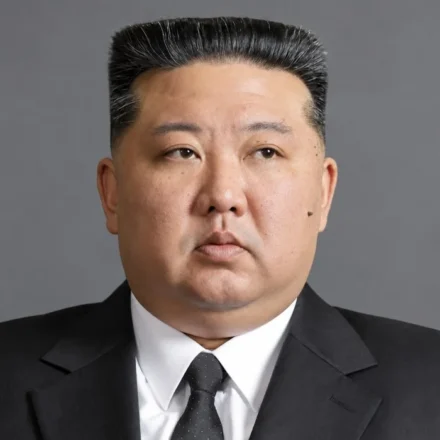
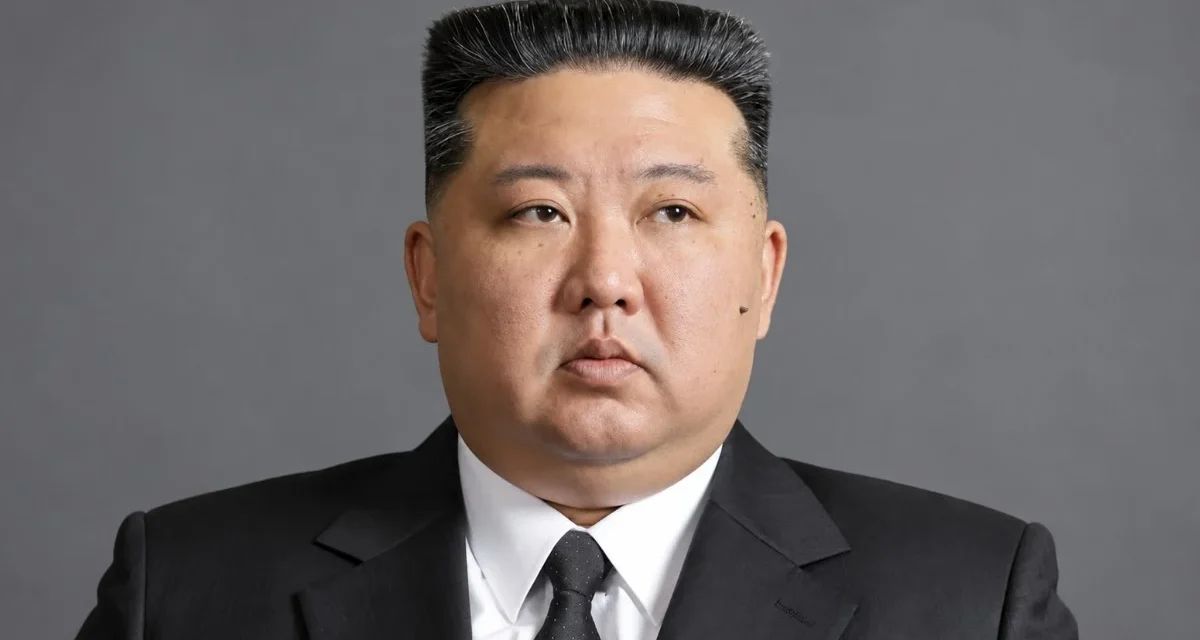
By October 21, North Korean state media effectively dismantled the rumors in typical fashion. The state-run Rodong Sinmun newspaper and the Korean Central News Agency (KCNA) published photographs of Kim Jong Un inspecting a domestic light industry exhibition featuring footwear and clothing in Pyongyang. State reports indicated the visit occurred on October 19.
While the photographs served as routine regime pushback against external health speculation, the imagery contained a far more significant political signal for the country’s long-term future. Standing prominently at Kim Jong Un’s side was his daughter, Kim Ju Ae.
Believed to be approximately 13 years old, Kim Ju Ae has transitioned over the past four years from a hidden child of the ruling family into what South Korean intelligence now assesses as the most probable heir apparent to North Korea’s totalitarian regime.
The brief panic over Kim Jong Un’s health underscored a persistent vulnerability in North Korea’s political system: despite the ruler being relatively young—believed to be 42 years old—Pyongyang has no formally codified, publicly announced succession protocol. Instead, the regime relies on carefully staged public appearances, symbolic state media language, and internal party cues to signal who will carry forward the "Paektu bloodline"—the hereditary lineage that has ruled North Korea since its founding in 1948.
The choice facing Pyongyang’s ruling elite appears increasingly centered on two figures: a teenage daughter being groomed before the public eye, and her powerful aunt, Kim Yo Jong, an experienced senior official who already wields substantial authority within the Workers’ Party of Korea (WPK).
Chronology: From Launchpads to Beijing—The Public Elevation of Kim Ju Ae
The gradual public rollout of Kim Ju Ae reflects a calculated strategy by the North Korean propaganda apparatus to familiarize the public and the military hierarchy with a potential fourth-generation leader.
Key Timeline of Kim Ju Ae's Public Elevation & Recent Events:
----------------------------------------------------------------------------------
• Nov 2022     : Public debut at Hwasong-17 ICBM test launch; labeled "beloved child."
• Sep 2023     : Attends paramilitary parade; seated in central leadership dais.
• Feb-Mar 2024 : State media adopts exalted terms ("guidance," "great person of guidance").
• Sep 2025     : Accompanying Kim Jong Un on high-profile diplomatic visit to Beijing.
• Feb 2026     : South Korea's NIS briefs lawmakers: Ju Ae entering designation stage.
• Apr 2026     : NIS Chief Lee Jong-seok identifies Ju Ae as primary prospective successor.
• Sep 2026     : NIS confirms investigation into reports of an undisclosed older son.
• Oct 19-21, '26: Health rumors debunked as Kim & Ju Ae inspect Pyongyang exhibition.
----------------------------------------------------------------------------------
November 2022: The Debut
Kim Ju Ae made her public debut accompanying her father to a test launch of the Hwasong-17 intercontinental ballistic missile (ICBM). State media referred to her simply as Kim Jong Un’s "beloved child," publishing photographs of the two walking hand-in-hand past massive military hardware.
2023–2024: Institutional Exposure
Over the following two years, Ju Ae became a regular fixture at major regime milestones, including state banquets, military anniversary parades, and weapon development sites. State propaganda subtly elevated her titles from "beloved child" to "respected child" and eventually used terms reserved for senior leadership, such as hyangdo ("guidance"), suggesting a elevated status within political ranks.
September 2025: The Beijing Diplomatic Appearance
In a major shift from domestic events, Kim Ju Ae accompanied her father on an official state visit to China. Photographs published by Yonhap News Agency showed Chinese state officials welcoming the North Korean delegation in Beijing, with Ju Ae positioned near her father. This marked her foreign diplomatic exposure, signaling to key regional allies that her presence was intended for external as well as internal recognition.
February – April 2026: Intelligence Re-assessment
South Korea’s National Intelligence Service (NIS) formally adjusted its assessment of the regime’s power dynamics. In February, intelligence briefings to South Korean lawmakers indicated that Ju Ae had moved into the active stage of succession designation. By April 2026, then-NIS Director Lee Jong-seok stated directly that intelligence findings pointed to Ju Ae as the designated heir apparent, citing undisclosed internal communications alongside her public profile.
October 2026: Debunked Health Crisis
On October 20, 2026, international social media platforms saw a spike in rumors alleging that Kim Jong Un had suffered a incapacitating medical emergency. Yonhap reported that South Korean authorities detected no abnormal troop movements or emergency party convenings. The following day, North Korean state media published imagery of Kim and Ju Ae touring the light industry exhibition, neutralizing the immediate health crisis narrative while reaffirming Ju Ae’s central public role.
Supporting Data and Intelligence Assessments: Evaluating the Contenders
Analyzing leadership continuity in North Korea requires sifting through intelligence assessments, public media exposure, and structural party mechanics. The current internal dynamics focus on two prominent female figures and an elusive male sibling.
                    ┌──────────────────────────────┐
                    │    Kim Jong Un (Supreme Leader)│
                    └──────────────┬───────────────┘
                                   │
         ┌─────────────────────────┴────────────────────────┐
         │                                                  │
┌────────┴────────┐                              ┌──────────┴─────────┐
│  Kim Ju Ae      │                              │   Kim Yo Jong     │
│  (Daughter)     │                              │   (Sister)        │
├─────────────────┤                              ├───────────────────┤
│• Age: ~13       │                              │• Age: ~38         │
│• Status: Heir   │                              │• Status: Experienced│
│  Apparent       │                              │  Senior Official  │
│• Strengths:     │                              │• Strengths:       │
│  Direct lineage,│                              │  Institutional    │
│  public backing │                              │  power, governance│
└─────────────────┘                              └───────────────────┘
Kim Ju Ae: The Heir Apparent
- Age & Position: Approximately 13 years old; holds no formal government office or party title.
- Public Profile: Appeared in scores of high-level state events since late 2022. Frequently photographed in the central focus of images, flanked by top military commanders including the Minister of National Defense and senior generals.
- Symbolic Legitimacy: Directly represents the fourth generation of the Paektu bloodline. Her early elevation appears designed to build long-term legitimacy within the military and executive apparatus before a formal leadership transition becomes necessary.
Kim Yo Jong: The Experienced Power-Broker
- Age & Position: Approximately 38 years old; Vice Department Director of the WPK Central Committee.
- Public Profile: A veteran official involved in top-tier state affairs, state propaganda, and foreign policy messaging toward South Korea and the United States.
- Institutional Legitimacy: Yo Jong possesses extensive operational knowledge of the party structure, security apparatus, and diplomatic corps. In the event of an abrupt health crisis involving Kim Jong Un while Ju Ae remains a minor, political analysts view Kim Yo Jong as the primary candidate to assume power or act as a regent.
The Question of a Male Heir
A persistent variable in South Korean intelligence monitoring is the possible existence of Kim Jong Un’s eldest child, reported by some intelligence sources to be a son born around 2010. In September 2026, the Associated Press reported that South Korean intelligence continued to investigate reports regarding a son who has never been shown publicly.
Despite patriarchal traditions historically dominant in Korean political culture, intelligence officials note that if a senior male child exists, he has been kept entirely out of state propaganda, leaving Ju Ae as the sole child explicitly prepared for public life and leadership visibility.
Official Responses and Regional Reactions
The strategic elevation of Kim Ju Ae and periodic health rumors concerning Kim Jong Un trigger distinct responses from South Korea, regional powers, and North Korea’s own propaganda apparatus.
South Korean Intelligence Assessments
South Korea’s Ministry of Unification and the NIS maintain a cautious posture regarding Pyongyang’s official announcements. Following the October 2026 health rumors, South Korean government spokespersons reiterated that no unusual military deployments or irregular party operations were detected across the Demilitarized Zone (DMZ).
The NIS assessment remains focused on the long-term trajectory of Ju Ae’s elevation. Intelligence briefings emphasize that while North Korea has not issued an official constitutional or party decree naming Ju Ae as successor, her protocol treatment—such as walking ahead of senior military officials and standing center-stage during national events—is unprecedented for a non-designated family member.
+--------------------------------------------------------------------+
|                Key Intelligence & Regime Positions                 |
+--------------------------------------------------------------------+
| • NIS (South Korea): Assesses Kim Ju Ae as designated successor,   |
|   citing public protocol and internal intelligence indicators.    |
|                                                                    |
| • Ministry of Unification: Notes non-traditional nature of female   |
|   succession in NK, but confirms elevated protocol treatment.      |
|                                                                    |
| • North Korean State Media (KCNA/Rodong): Avoids explicit titles;   |
|   uses symbolic framing ("Great Person of Guidance") to signal rank.|
+--------------------------------------------------------------------+
North Korean State Media Framing
Pyongyang’s state media operates with deliberate precision. By avoiding formal proclamations of succession while consistently featuring Ju Ae alongside Kim Jong Un, the regime condition the domestic populace to associate her presence with supreme authority. The media strategy allows Kim Jong Un flexibility: it establishes Ju Ae’s authority without legally binding the state to a transition timeline while he remains capable of ruling.
International Regional Perspectives
Regional powers, including China and the United States, monitor North Korean succession cues closely due to the regime’s expanding nuclear and ballistic missile capabilities. The presentation of Ju Ae during international engagements, such as the September 2025 visit to Beijing, suggests Pyongyang is intentionally signaling to key partners that nuclear command and state continuity will remain tightly controlled within the Kim family line.
Political Implications: Breaking Patriarchal Norms and Transition Scenarios
The potential ascension of a female leader presents a significant political shift for North Korea. Since the state’s establishment in 1948 under Kim Il Sung, North Korean governance has fused Marxist-Leninist state structures with deeply ingrained neo-Confucian patriarchal traditions.
Navigating Patriarchal Tradition
Every supreme leader of North Korea has been male, backed by a heavily male-dominated military hierarchy and political politburo. To prepare the military establishment for a potential female supreme leader, Kim Jong Un has routinely positioned Ju Ae alongside top commanders, including senior flag officers and defense ministers. Propaganda photography frequently shows veteran military figures bowing slightly or listening attentively when Ju Ae speaks, a visual strategy aimed at eroding traditional gender barriers within the state apparatus.
                    ┌───────────────────────────┐
                    │  SUCCESSION SCENARIOS     │
                    └─────────────┬─────────────┘
                                  │
         ┌────────────────────────┴────────────────────────┐
         ▼                                                 ▼
┌──────────────────────────────┐        ┌──────────────────────────────┐
│    Scenario A: Long-Term     │        │     Scenario B: Crisis       │
│      Gradual Transition      │        │       Regency Model        │
├──────────────────────────────┤        ├──────────────────────────────┤
│• Kim rules for 15–20 years.  │        │• Kim faces sudden health     │
│• Ju Ae reaches maturity      │        │  incapacitation in near term.│
│  (~late 20s or 30s).         │        │• Kim Yo Jong assumes interim │
│• Direct, formal assumption   │        │  control/regency.            │
│  of key Party & State roles. │        │• Dual power structure or     │
│                              │        │   eventual Ju Ae succession. │
└──────────────────────────────┘        └──────────────────────────────┘
Transition Scenarios
Scenario A: Long-Term Gradual Transition
If Kim Jong Un remains in power for another 15 to 20 years, Ju Ae will reach her late twenties or thirties with two decades of public exposure and internal conditioning. Under this scenario, she would likely assume formal administrative titles within the Workers’ Party and State Affairs Commission before gradually acquiring full military and political authority, executing a hereditary succession similar to Kim Jong Un’s transition from Kim Jong Il between 2009 and 2011.
Scenario B: Sudden Incapacitation and the Regency Model
If Kim Jong Un were to suffer a debilitating health crisis while Ju Ae remains a minor, the regime would face a crucial test of stability. Given her age, Ju Ae would be unable to independently exercise command over the armed forces and party machinery.
In this scenario, analysts anticipate the formation of an interim governance structure or regency. Kim Yo Jong, possessing established administrative authority and foreign policy experience, would likely take operational control of the government, either acting as regent alongside senior party officials or assuming full executive authority. Whether such an arrangement would serve as a permanent shift or a temporary bridge until Ju Ae reaches maturity remains one of the central unanswered questions surrounding North Korea’s political trajectory.
Institutional Support and System Stability
Ultimately, succession in North Korea does not occur through public elections or constitutional democratic processes. Authority resides in the control of the Workers’ Party Central Committee, the State Affairs Commission, and the loyalty of the Korean People’s Army.
The public elevation of Kim Ju Ae demonstrates that Kim Jong Un is actively taking measures to ensure that power remains firmly within the fourth generation of the Paektu line. While health rumors will continue to emerge given the opacity of Pyongyang’s inner circle, the regime’s intent to visually codify its future leadership line has already been made clear on the global stage.